MSNBC’s Lawrence O’Donnell Furiously Declares He Will Release Audio If Executives Don’t Apologize

In a recent episode of his show, Lawrence O’Donnell, the host of MSNBC’s “The Last Word,” voiced his mounting frustration over a significant pause in programming that has left fans and viewers speculating about the reasons behind it. Asserting that there is more to the narrative than what meets the eye, O’Donnell issued a stern warning to MSNBC executives. He made it clear that if they did not offer a public apology regarding the circumstances of the show’s hiatus, he would release audio recordings that reveal the full truth of the situation. His bold declaration has captivated audiences and raised eyebrows across the media landscape.
What Led to O’Donnell’s Outburst?

The two-week hiatus of “The Last Word” raised multiple questions among viewers eager for insight into O’Donnell’s absence. While many speculated that it could have been related to recent events or personal matters, O’Donnell’s reveal sheds light on deeper issues within the network itself. During his return to the screen, he vehemently expressed his discontent, suggesting that there is an ongoing struggle between transparency and corporate interests at MSNBC.
O’Donnell’s frustrations stem not from personal grievances alone, but rather from what he perceives as a fundamental unfairness in how the situation has been handled internally. While network protocols often leave hosts in the dark regarding operational decisions, O’Donnell insisted that viewers deserve to know the truth. He emphatically stated, “Don’t think you can cover up the whole thing,” underscoring his dedication to journalistic integrity and accountability.
The Implications of His Statement
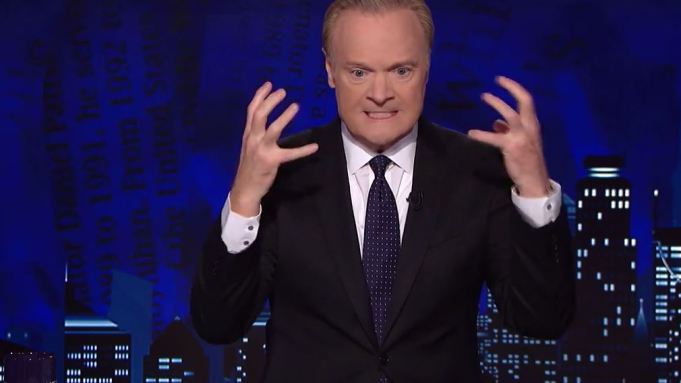
O’Donnell’s assertion to release audio recordings showcases a significant boundary he is willing to cross for the sake of transparency. By threatening to make this information public, he not only puts pressure on MSNBC executives to respond but also ignites a broader conversation about accountability in media. His passionate stance reinforces the idea that well-known media figures should hold themselves and their networks responsible for maintaining a clear line of communication with audiences.
This situation also provides insight into the challenges that journalists and media professionals encounter within corporate structures. Decisions made behind closed doors can often lead to a lack of trust between viewers and media institutions. O’Donnell’s willingness to confront these problems creates a precedent for future journalistic integrity and can potentially inspire both fellow hosts and competitors to adopt a more transparent approach within their programming. The fallout of his statement could indeed ripple through the industry.
Audience Reactions and Public Interest
As news of O’Donnell’s remarks spread across social media platforms, reactions poured in from both loyal viewers and industry watchers. Many applauded his candor and expressed admiration for his courage to stand up against the network. Comments flooded in, supporting his determination to hold executives accountable, with some urging him to follow through on his promise to release the audio evidence. For others, this incident highlights the larger issue of trust versus loyalty in media following internal disputes.
Viewers appear to appreciate a host who discloses underlying tensions that often go unaddressed. The public’s thirst for transparency indicates that O’Donnell’s stand could indeed reshape expectations regarding openness in broadcasting. It exemplifies a growing sentiment among audiences increasingly wary of corporate influence over journalism and media operations.
With social media amplifying every statement made by media professionals, the subsequent developments surrounding this situation could either enhance O’Donnell’s reputation or provoke backlash against MSNBC. As industry insiders watch closely, understanding how networks handle disputes could influence public perception for years to come.
In an age where media credibility hangs in a delicate balance, O’Donnell’s escalating drama serves as a critical reminder of the power vested in media personnel. The stakes are high, and with this incident gaining momentum, only time will tell how it will unfold. Meanwhile, viewers remain eager for clarity and resolution, aligning themselves closely with O’Donnell’s courageous stance.
Conclusion
Lawrence O’Donnell’s bold declaration of potentially releasing audio evidence from MSNBC could soon create waves in the media world. His actions are not merely about one man versus a corporation; they signify a powerful call for accountability that resonates with audiences everywhere. If you want to stay informed about how this story evolves and what it means for the future of media transparency, keep following the latest updates on this unfolding narrative.


