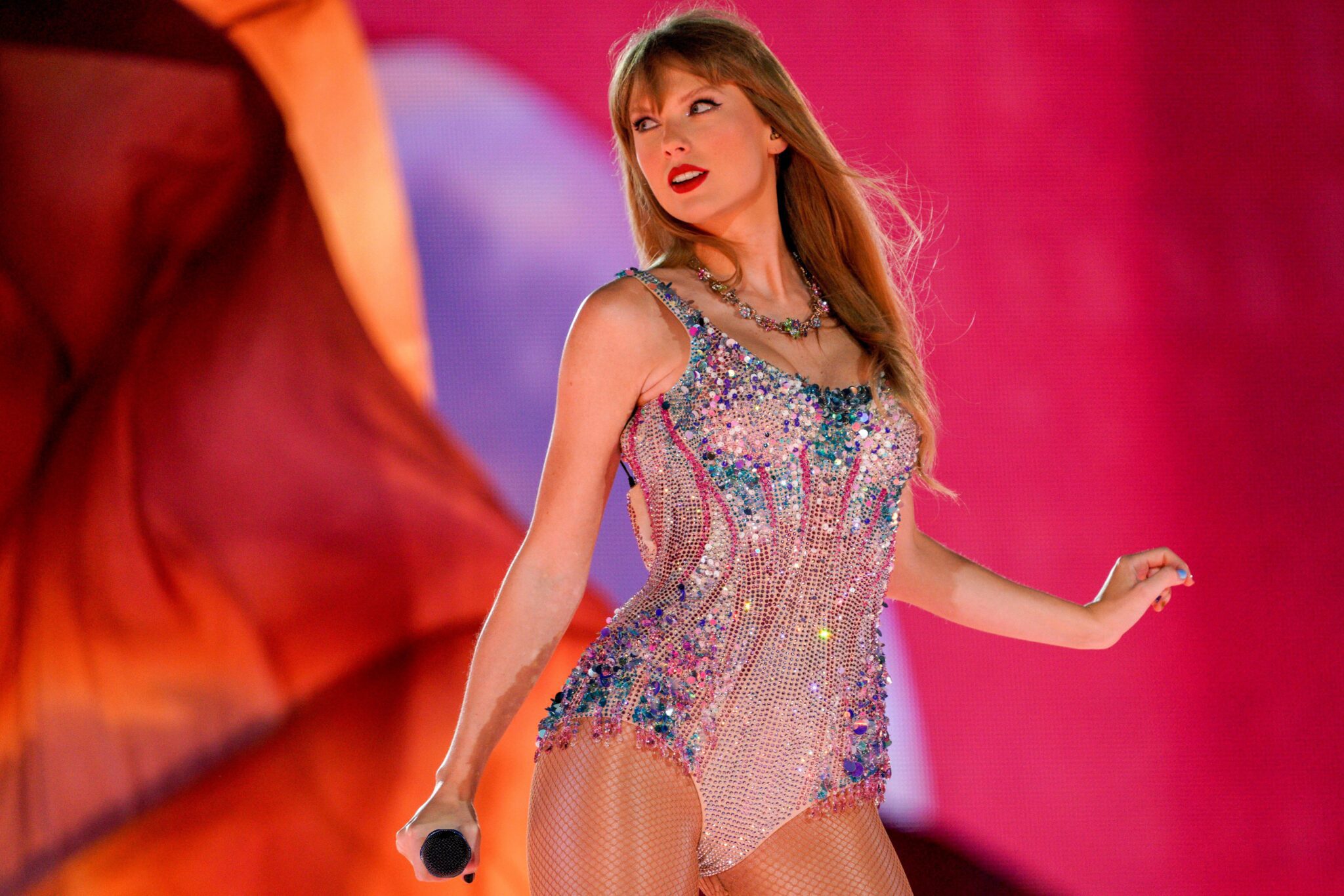
Taylor Swift Reveals Why She Doesn’t Want to Perform at Super Bowl Halftime Show
Taylor Swift, one of the most influential and celebrated artists of our time, has recently opened up about her decision to decline performing at the Super Bowl Halftime Show. This revelation has sparked widespread discussion among fans and industry insiders alike. Known for her dynamic performances and chart-topping hits, Swift’s choice not to participate in such a high-profile event raises questions about her priorities and the evolving landscape of live entertainment. In this article, we delve into the reasons behind her decision, what it signifies for her career, and how it reflects broader trends in the music world.
Why Taylor Swift Is Reluctant to Perform at the Super Bowl Halftime Show

The Super Bowl Halftime Show is one of the most-watched live performances globally, offering artists unparalleled exposure. Despite this, Taylor Swift has expressed clear reservations about taking part. According to recent interviews and statements, several factors contribute to her reluctance:
1. **Creative Control and Artistic Integrity**
Taylor Swift is known for her meticulous attention to detail and creative vision. The halftime show, while prestigious, often requires artists to conform to strict time limits and production constraints. Swift has indicated that these limitations could compromise her ability to deliver a performance that truly represents her artistry.
2. **Personal Values and Message**
Swift has consistently used her platform to advocate for causes close to her heart, including mental health awareness, gender equality, and political engagement. The Super Bowl, being a commercial and highly politicized event, may not align with the personal messages she wishes to convey through her music and public appearances.
3. **Previous Experiences and Industry Dynamics**
The music industry has seen various controversies surrounding the Super Bowl Halftime Show, from disputes over artist selection to concerns about inclusivity and representation. Swift’s decision might also stem from a desire to avoid potential conflicts or controversies that could detract from her brand.
4. **Focus on Other Projects**
Currently, Taylor Swift is heavily invested in her ongoing tours, album releases, and other creative endeavors. Committing to the Super Bowl performance could interfere with her schedule and artistic focus.
The Impact of Taylor Swift’s Decision on Fans and the Music Industry

Taylor Swift’s choice not to perform at the Super Bowl Halftime Show has elicited mixed reactions. Fans who admire her for her authenticity and dedication to her craft largely support her decision. They appreciate that she prioritizes artistic integrity over commercial opportunities. On the other hand, some fans express disappointment, as the Super Bowl is a unique platform that could showcase her talent to an even broader audience.
From an industry perspective, Swift’s decision highlights a growing trend among top artists who seek more control over their performances and public image. It also underscores the shifting dynamics of live entertainment, where digital platforms and personalized concerts offer alternative ways to connect with audiences without the constraints of traditional events.
Moreover, Swift’s stance may inspire other artists to reconsider their participation in large-scale commercial events, potentially leading to a redefinition of what constitutes success and visibility in the music world.
What This Means for Future Super Bowl Halftime Shows

With Taylor Swift stepping back, the Super Bowl Halftime Show organizers face the challenge of attracting other high-profile artists who can deliver equally compelling performances. The event has historically featured a diverse range of musicians, and Swift’s absence might encourage the inclusion of emerging talents or unconventional acts.
Additionally, the show’s producers may need to rethink the format to accommodate artists’ desires for greater creative freedom. This could lead to more innovative and personalized performances that resonate better with both artists and audiences.
Ultimately, Taylor Swift’s decision serves as a catalyst for change, prompting the entertainment industry to evolve and adapt to the needs and values of modern artists.
Conclusion

Taylor Swift’s revelation about why she doesn’t want to perform at the Super Bowl Halftime Show offers valuable insight into her artistic priorities and the changing landscape of live music performances. By choosing authenticity and creative control over the massive exposure the Super Bowl provides, Swift continues to set an example for artists worldwide. Fans and industry watchers alike will be eager to see how this decision influences future performances and the broader music scene.
If you want to stay updated on the latest news about Taylor Swift and other major music events, be sure to subscribe to our newsletter and follow us on social media!