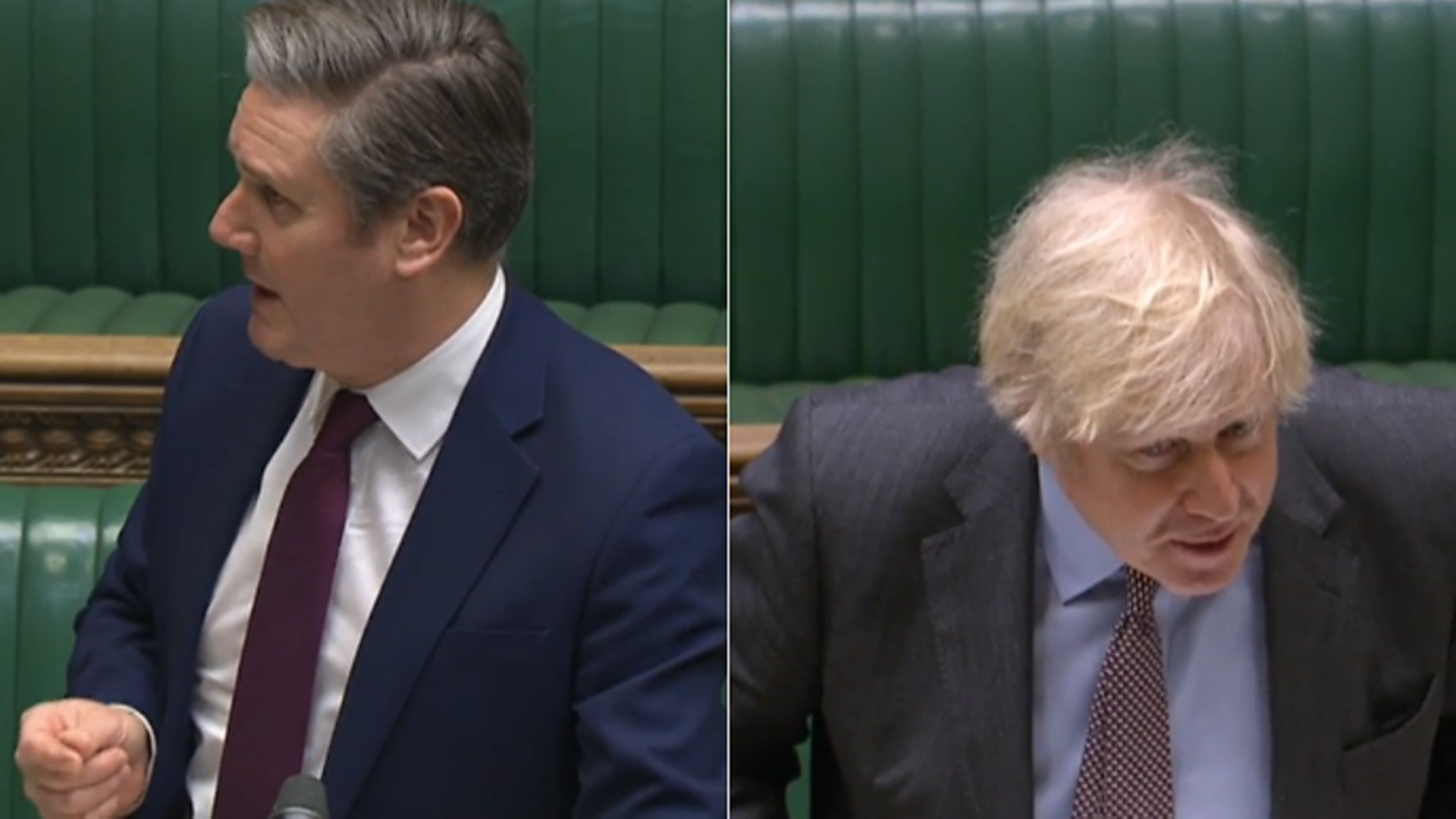
Keir Starmer Swerves Question About Whether Donald Trump Deserves Nobel Peace Prize
Keir Starmer’s Response to Donald Trump’s Nobel Peace Prize Question

In a recent press conference held in Mumbai, India, Labour leader Keir Starmer was asked a pointed question: does Donald Trump deserve the Nobel Peace Prize? This question arose amid the announcement of a significant ceasefire deal in Gaza, which many hope will bring relief to a region devastated by conflict. While Starmer acknowledged the US President’s role in facilitating the agreement, he notably sidestepped giving a direct answer about Trump’s Nobel Peace Prize aspirations.
Starmer praised Trump’s leadership during the negotiations, which involved key international players such as Qatar, Egypt, and Turkey. He emphasized that the breakthrough would not have been possible without Trump’s involvement, highlighting the UK’s discreet but important role alongside the US and other mediators. However, when pressed on whether Trump deserved the prestigious peace award, Starmer chose to focus instead on the importance of moving forward with the implementation of the ceasefire.
The Context Behind the Nobel Peace Prize Debate

Donald Trump has long expressed a desire to receive the Nobel Peace Prize, a fact he openly discussed during a meeting with Israeli Prime Minister Benjamin Netanyahu earlier this year. Trump stated, “They will never give me a Nobel Peace Prize. I deserve it, but they will never give it to me.” This statement reflects his belief that his diplomatic efforts, particularly in the Middle East, warrant such recognition.
The ceasefire deal in Gaza represents a critical moment in ongoing efforts to reduce violence and secure the release of hostages. Tens of thousands of lives have been lost in the conflict, and the announcement of this first phase of the ceasefire has been described by many, including the UK Prime Minister, as a “moment of profound relief” for the global community.
Despite Trump’s visible role, Starmer’s reluctance to comment on the Nobel Prize question signals a cautious approach. By avoiding direct endorsement or criticism, Starmer maintains a diplomatic stance that prioritizes peace and stability over political accolades.
Starmer’s Focus on Implementation Over Personnel

In addition to dodging the Nobel Peace Prize question, Starmer also declined to comment on the involvement of former Labour Prime Minister Sir Tony Blair in the Gaza peace plan. Blair was named by Trump as part of a proposed “Board of Peace” that would oversee an interim governing authority for Gaza. However, Starmer expressed that his primary concern lies with the success of the peace deal rather than the individuals involved.
He stressed the human impact of the agreement, particularly for hostages, their families, and civilians in Gaza who have endured immense suffering. Starmer’s emphasis was clear: the priority is to ensure the ceasefire is implemented effectively and that the fragile peace is maintained.
The UK’s behind-the-scenes role in the negotiations underscores its commitment to international diplomacy and conflict resolution. Starmer reiterated the UK’s readiness to contribute to the peace process moving forward, signaling a collaborative approach with the US and other mediators.
Why Starmer’s Diplomatic Approach Matters

Keir Starmer’s decision to avoid a direct answer on whether Donald Trump deserves the Nobel Peace Prize reflects a broader diplomatic strategy. In complex international conflicts, focusing on tangible outcomes like ceasefire implementation often takes precedence over symbolic gestures such as awards.
By highlighting the importance of the peace deal and the humanitarian relief it promises, Starmer positions himself and the UK as pragmatic actors in global diplomacy. This approach helps maintain constructive relationships with key international partners while keeping the focus on achieving lasting peace.
Moreover, Starmer’s stance may also be influenced by the political sensitivities surrounding Trump’s polarizing figure. Endorsing or dismissing Trump’s Nobel aspirations could have domestic and international repercussions, so a measured response allows Starmer to navigate these challenges carefully.
The Broader Impact of the Gaza Ceasefire Deal

The ceasefire agreement marks a hopeful turning point in a conflict that has caused widespread devastation. If successfully implemented, it could pave the way for further negotiations and a more stable governance structure in Gaza.
The involvement of multiple international actors, including the US, UK, Qatar, Egypt, and Turkey, demonstrates the complexity and importance of multilateral diplomacy in resolving such conflicts. The potential release of hostages adds a deeply human dimension to the political negotiations, underscoring the urgent need for peace.
Starmer’s comments reflect an understanding that while leadership and recognition are important, the ultimate goal must be peace and security for those affected by the conflict.
Conclusion
Keir Starmer’s careful navigation around the question of whether Donald Trump deserves the Nobel Peace Prize highlights a focus on pragmatic diplomacy over political accolades. By praising Trump’s role in the Gaza ceasefire negotiations without endorsing the Nobel Prize claim, Starmer underscores the importance of implementing peace agreements and addressing humanitarian concerns. As the world watches the unfolding situation in Gaza, the emphasis remains on turning diplomatic breakthroughs into lasting peace. Stay informed on this evolving story and explore how international leaders continue to shape the future of global conflict resolution.