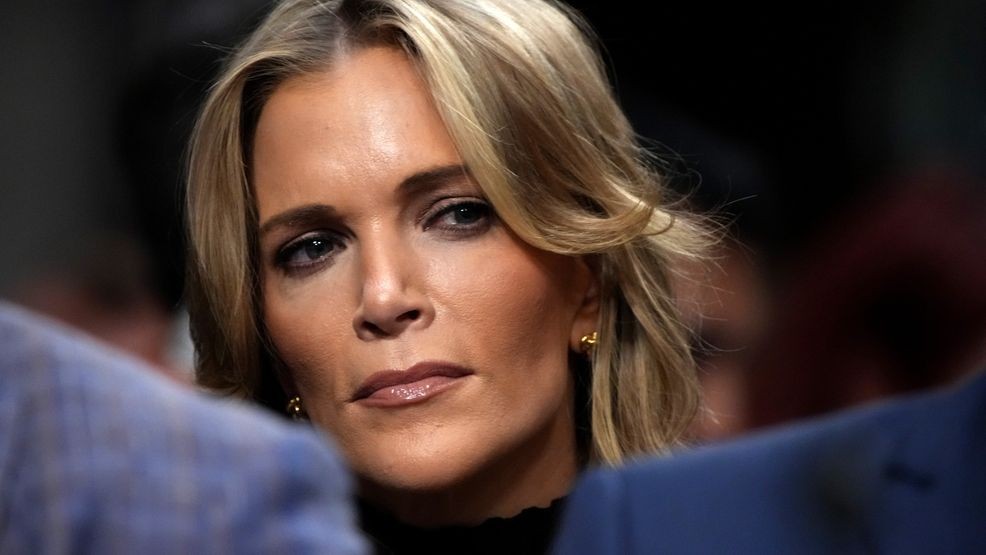
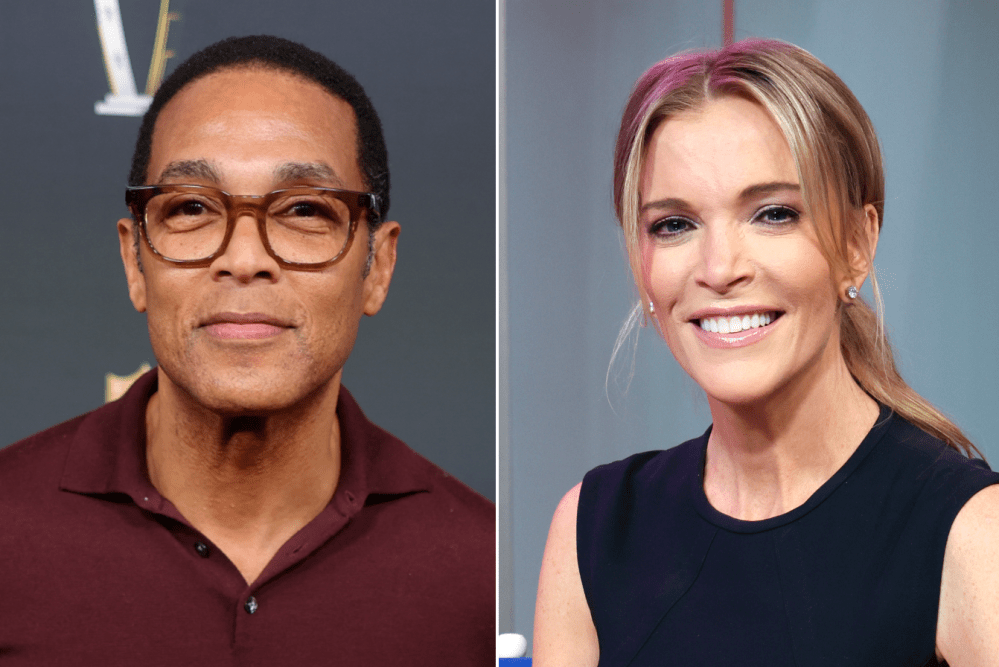
Don Lemon Rags on Megyn Kelly’s Appearance and Claims ‘Not Hot’ Conservative ‘Looks Trans’ in Blistering Rant
Don Lemon’s Controversial Comments on Megyn Kelly’s Appearance
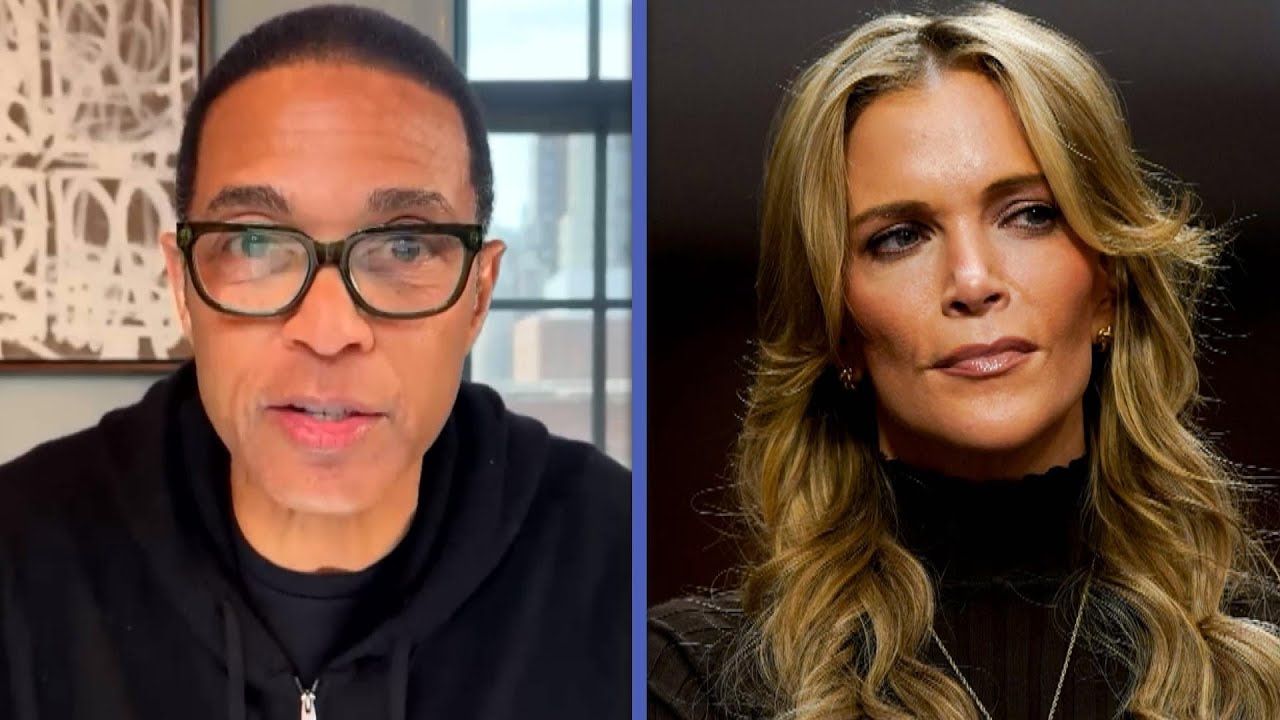
Don Lemon, the former CNN anchor known for his outspoken views, recently ignited a firestorm of criticism after making disparaging remarks about Megyn Kelly’s appearance. During an episode of his Clip Farmers podcast, Lemon engaged in a heated discussion with co-hosts about the look of conservative women, particularly those aligned with the MAGA movement. The conversation took a sharp turn when Lemon described Kelly as “not hot” and shockingly claimed she “looks trans.”
This comment, which many found offensive and inappropriate, was made in a casual yet biting tone. Lemon admitted he was unfamiliar with the term “chopped,” a slang expression used to describe someone as unattractive, before agreeing with his co-host’s assessment of Kelly’s appearance. He went on to criticize the “MAGA look,” suggesting it involved excessive hairpieces and makeup, and made sweeping generalizations about Republican women being “too skinny” and hostile.
The most contentious part of the rant was Lemon’s use of transgender slang to describe Kelly. He said she “looks clockable,” a term used within the transgender community to indicate someone whose transgender status is easily recognized. Lemon encouraged listeners to Google the term, further emphasizing his point. This use of transgender terminology as an insult sparked immediate backlash, with many accusing Lemon of hypocrisy given his previous stance against transphobia.
The Backlash and Accusations of Hypocrisy

Lemon’s comments did not go unnoticed on social media platforms, particularly X (formerly Twitter), where users quickly condemned his remarks. Critics pointed out the irony of a gay man using transgender-related language as a put-down, questioning whether the LGBTQ+ community was now adopting such terms as insults against conservative women. Many accused Lemon of double standards, highlighting that he has actively fought against transphobia in the past but appeared to weaponize transgender slang to demean Kelly.
One user commented, “Don Lemon says that Megyn Kelly is ‘not hot and looks trans.’ Are liberals using ‘trans’ as an insult now?” Another added, “Hypocrisy at its finest. When it’s convenient, principles fly out the window.” The backlash also included personal attacks on Lemon, with some calling him “two-faced” and criticizing his choice to denigrate a conservative woman’s appearance.
This incident has reignited broader conversations about the use of identity-based language in political and media discourse. It raises important questions about respect, sensitivity, and the boundaries of acceptable commentary, especially when discussing public figures.
History of Hostility Between Don Lemon and Megyn Kelly
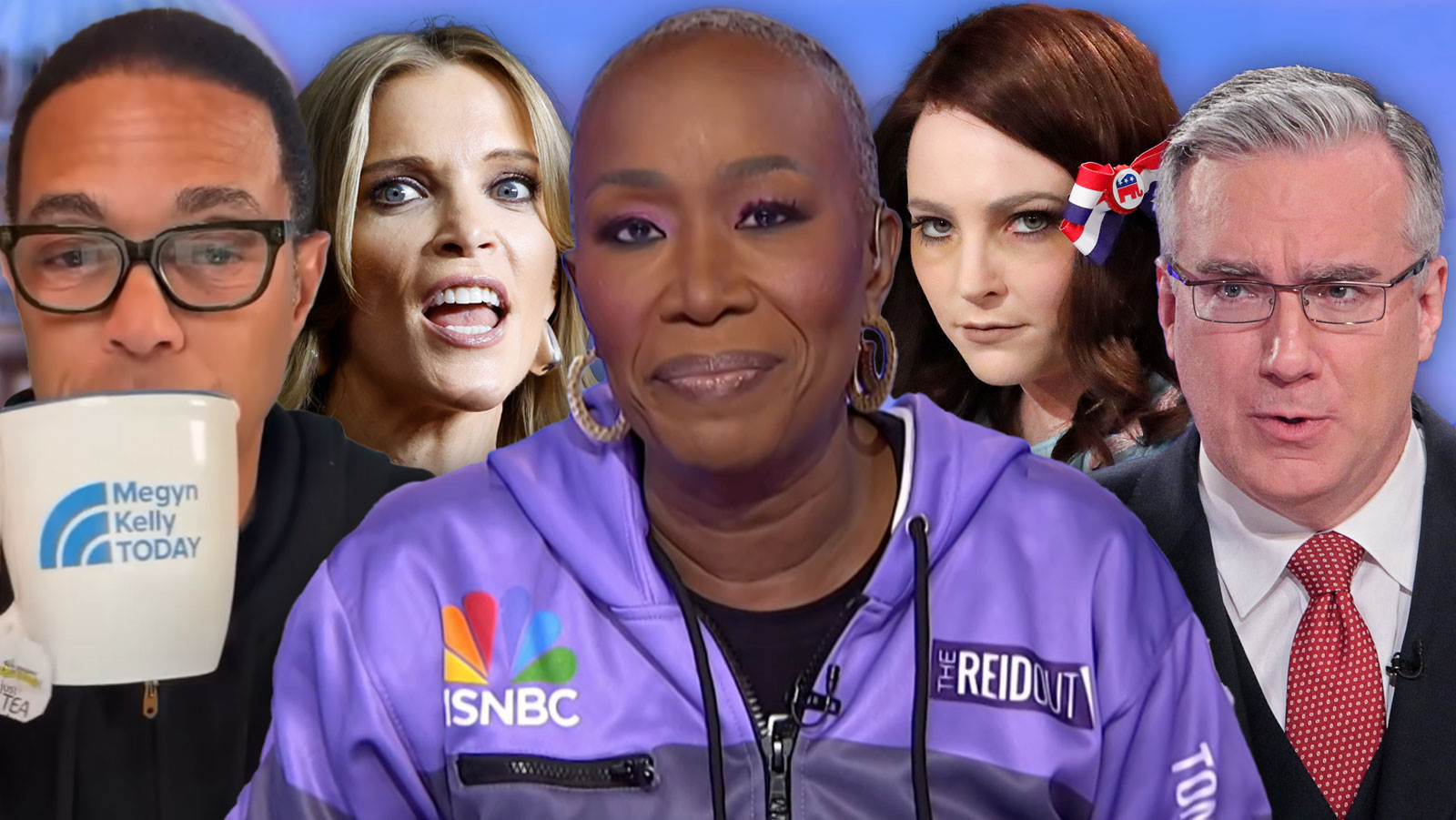
The feud between Don Lemon and Megyn Kelly is not new. Over the years, the two have exchanged barbs both on social media and through various media appearances. Their ideological differences—Lemon’s progressive views versus Kelly’s conservative stance—have fueled ongoing tensions.
One notable clash occurred earlier in the year when Kelly celebrated MSNBC’s decision to drop controversial host Joy Reid. She criticized Reid for mocking white people who had been “canceled” and expressed no sympathy for her. Lemon responded with a harsh rebuke, telling Kelly to “go f— yourself” and labeling her a “troll.” He also insinuated that Kelly’s career had declined, referencing her departure from major networks.
These exchanges highlight the deep polarization within media circles and the personal animosity that can accompany ideological disputes. Lemon’s recent comments about Kelly’s appearance add a new, more personal dimension to their rivalry, moving beyond political disagreements to attacks on physical looks and identity.
Understanding the Impact of Don Lemon’s Remarks
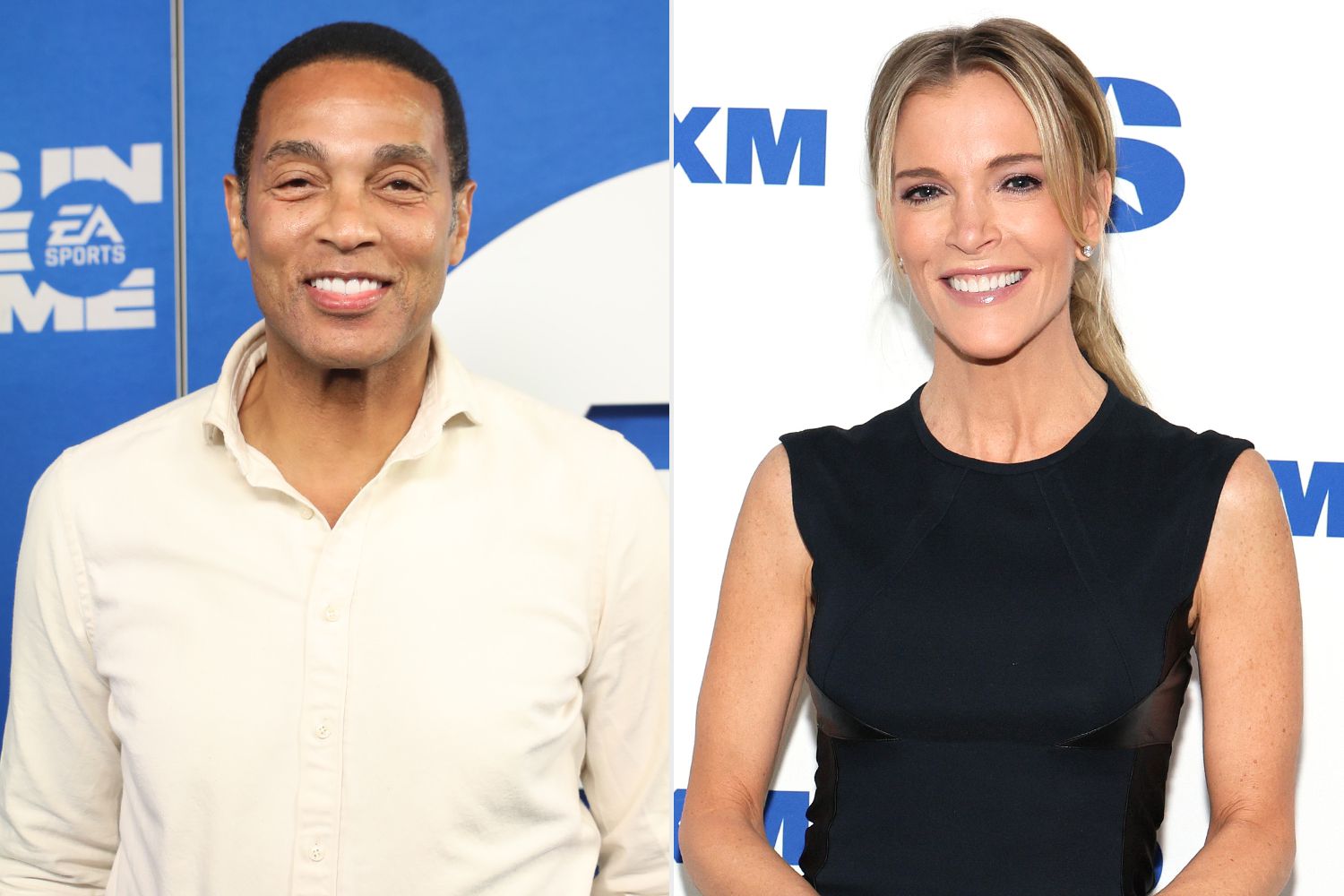
Don Lemon’s blistering rant against Megyn Kelly has broader implications beyond their personal feud. His use of transgender-related language as an insult has sparked a debate about the normalization of such terms in derogatory contexts. This trend is concerning to many advocates who fear it perpetuates stigma and misunderstanding about transgender individuals.
Moreover, Lemon’s remarks reflect the increasingly hostile environment in political commentary, where personal attacks often overshadow substantive discussion. The focus on Kelly’s appearance rather than her viewpoints exemplifies how media personalities sometimes resort to ad hominem tactics to discredit opponents.
This incident also serves as a reminder of the importance of mindful language use, especially for public figures with large platforms. Words carry weight, and careless or provocative statements can contribute to division and hurt within communities.
What This Means for Media and Public Discourse
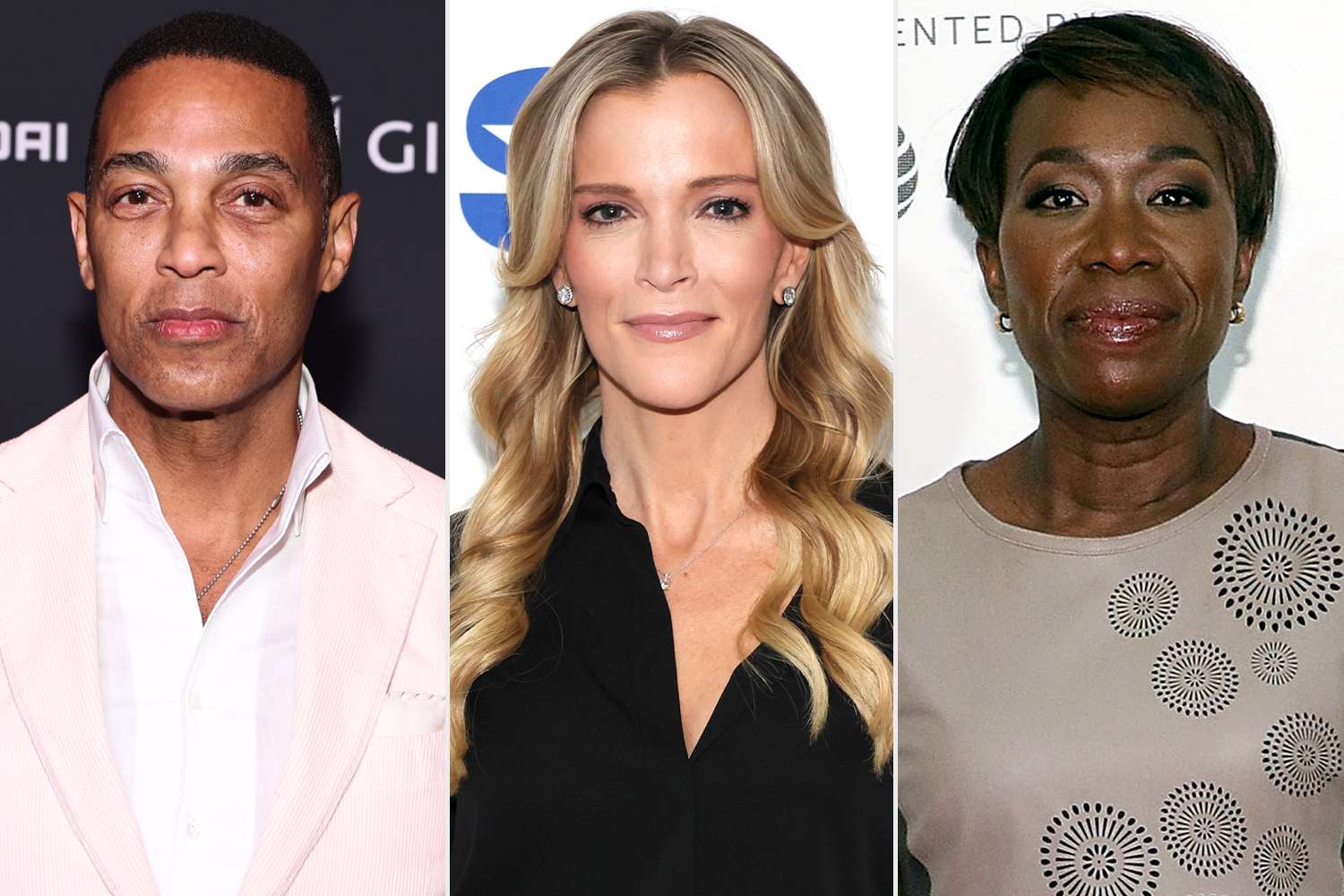
The controversy surrounding Don Lemon’s comments on Megyn Kelly underscores the challenges facing media professionals today. In an era of heightened sensitivity and awareness about identity issues, commentators must navigate complex social dynamics carefully.
For audiences, this episode highlights the need to critically evaluate media content and recognize when discourse crosses into disrespect or bigotry. It also encourages reflection on how language shapes perceptions and the responsibility of public figures to foster respectful dialogue.
As the media landscape continues to evolve, incidents like this may prompt calls for clearer guidelines on conduct and language use among journalists and commentators. Ultimately, promoting civility and understanding should be a priority to bridge divides rather than deepen them.
Conclusion
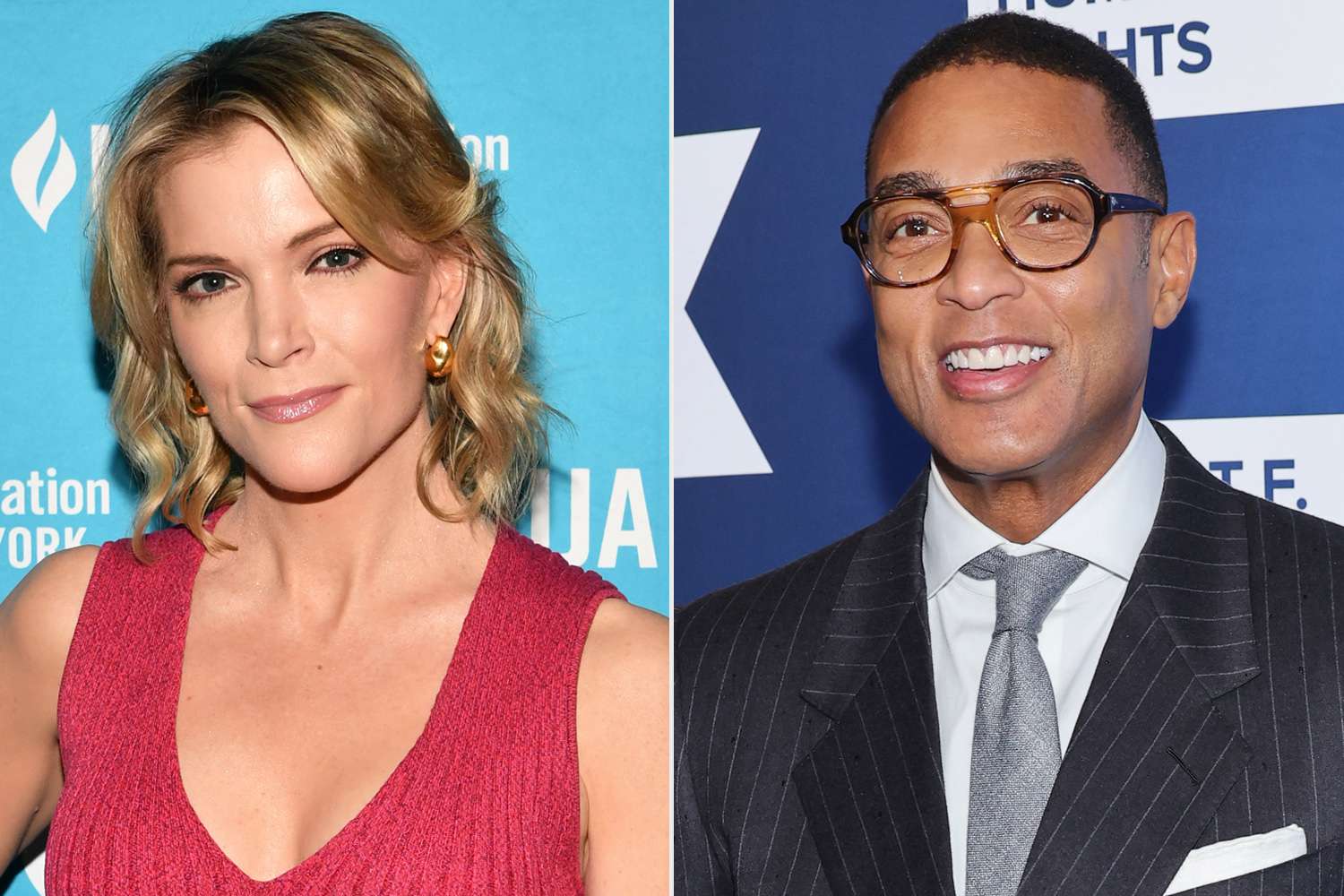
Don Lemon’s harsh critique of Megyn Kelly’s appearance, including his claim that she “looks trans” and is “not hot,” has ignited significant controversy and debate. The incident reveals the pitfalls of using identity-based language as an insult and highlights ongoing tensions between prominent media personalities. As discussions about respect and sensitivity in public discourse continue, it is crucial for commentators to choose their words carefully and for audiences to demand accountability.
If you found this analysis insightful, be sure to share it with others and stay informed about the latest developments in media and culture. Your voice matters in promoting respectful and thoughtful conversations.