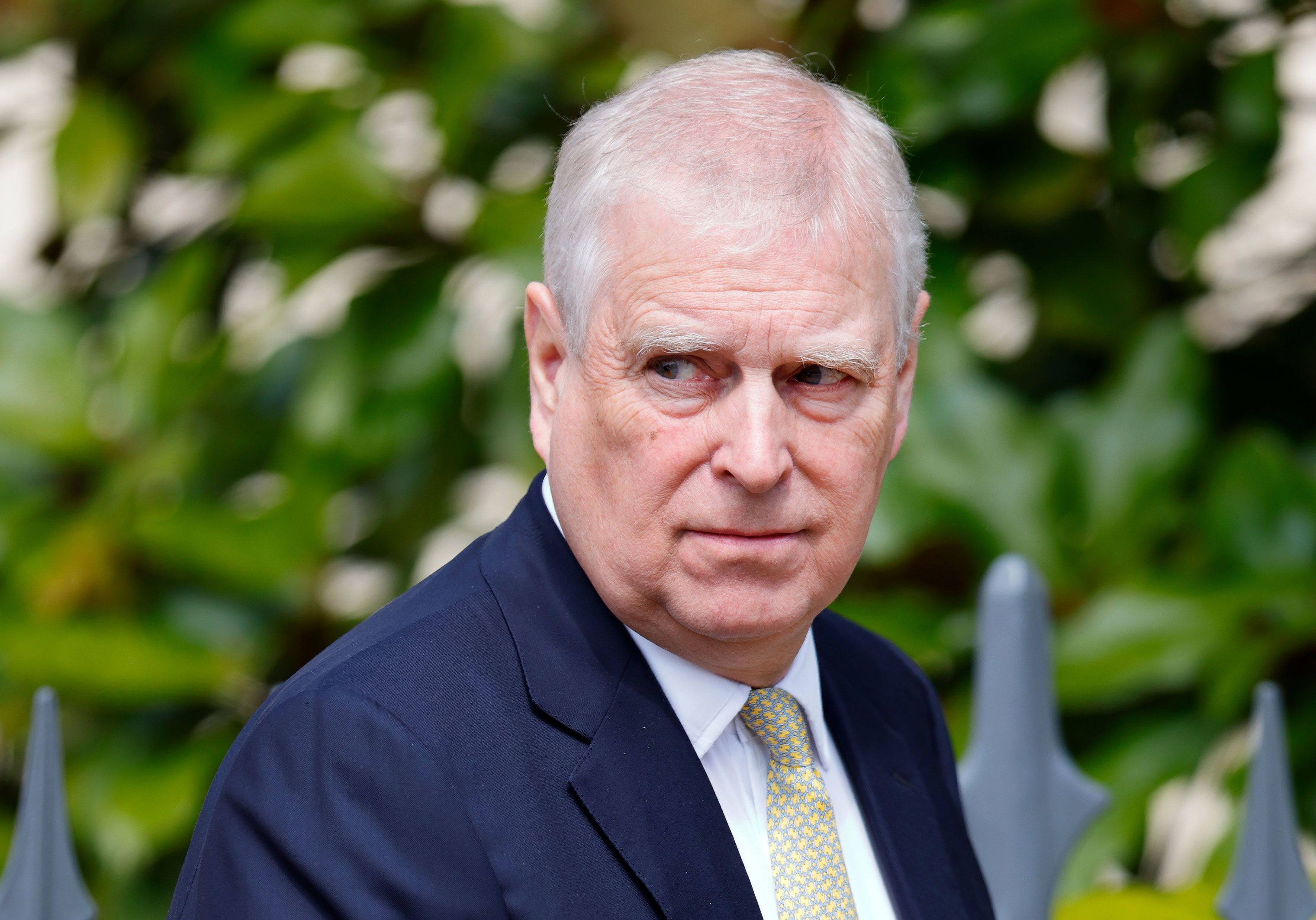
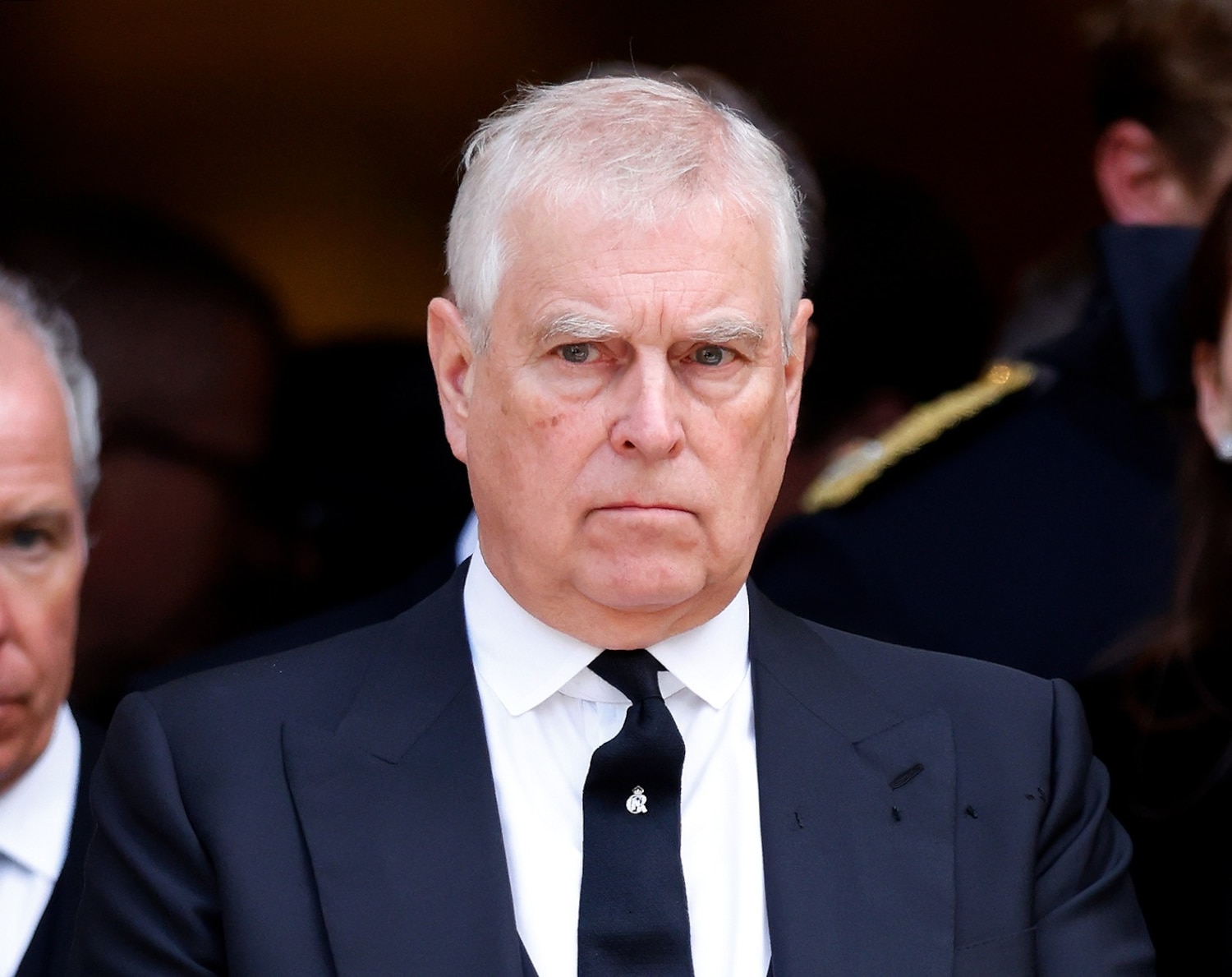
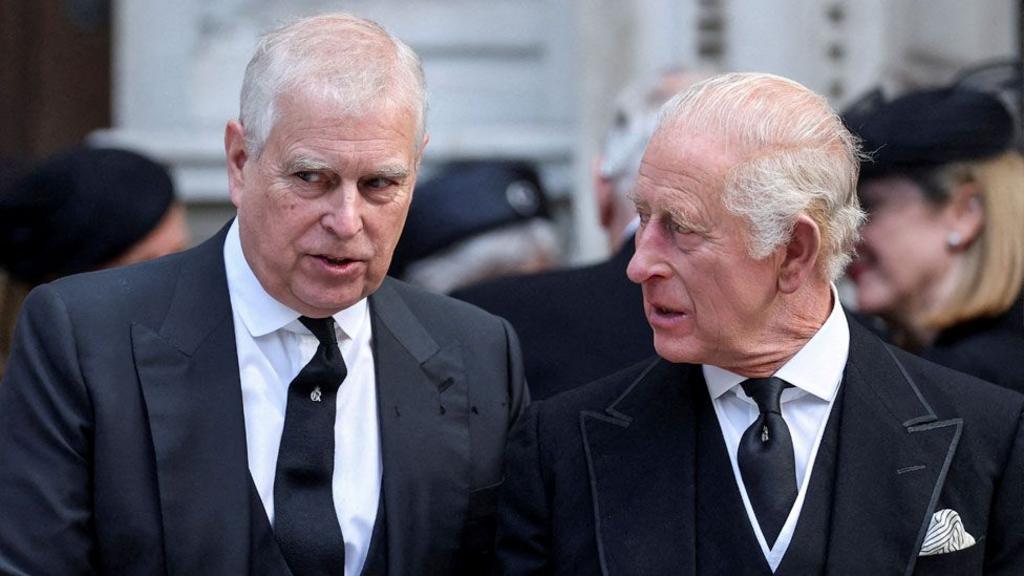
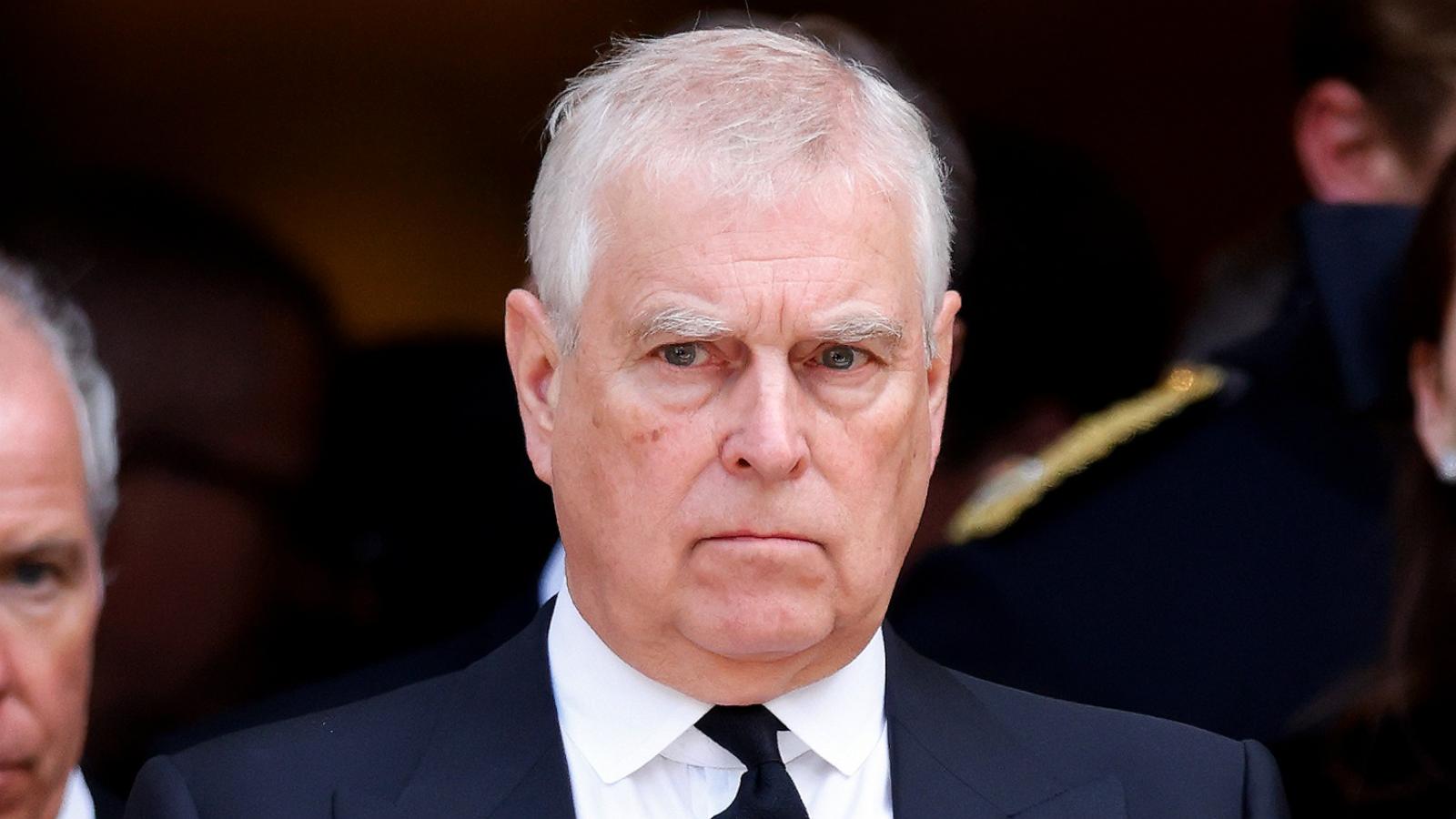
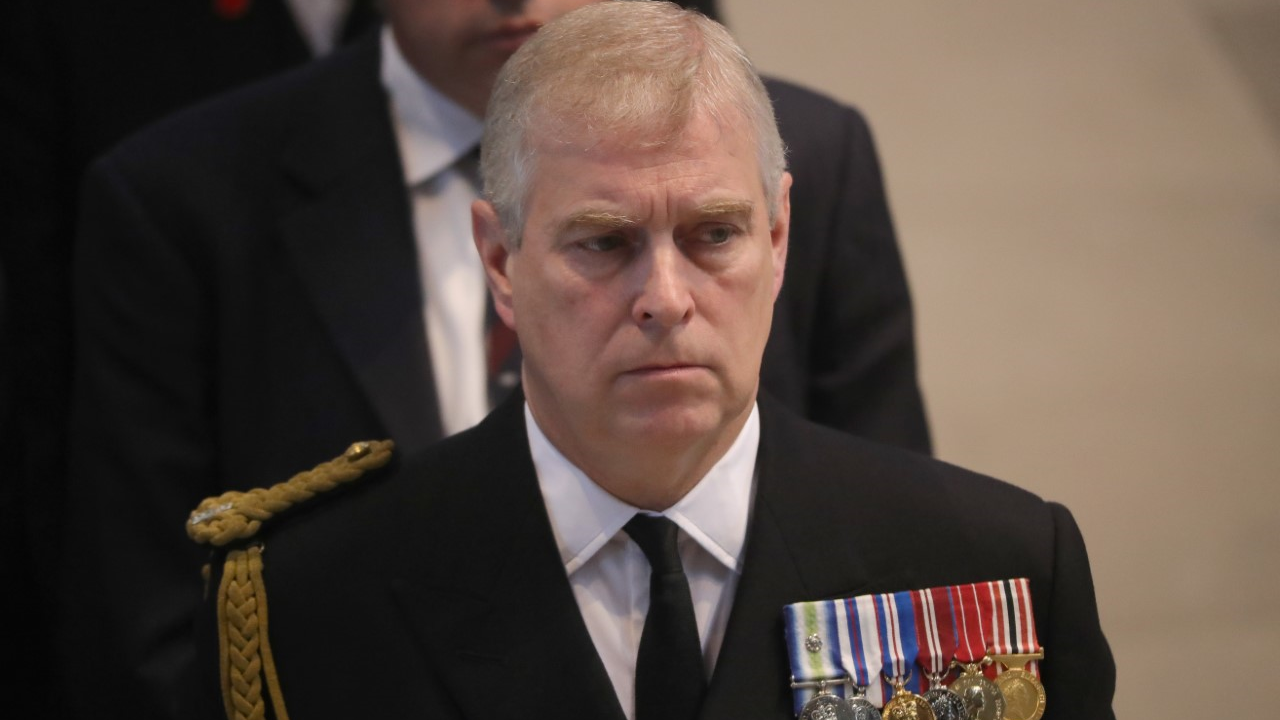
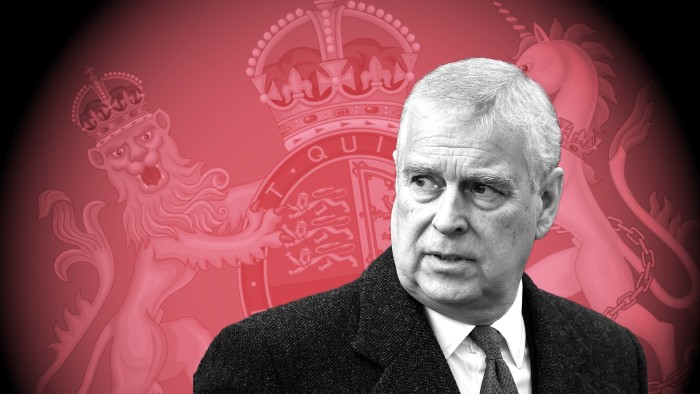
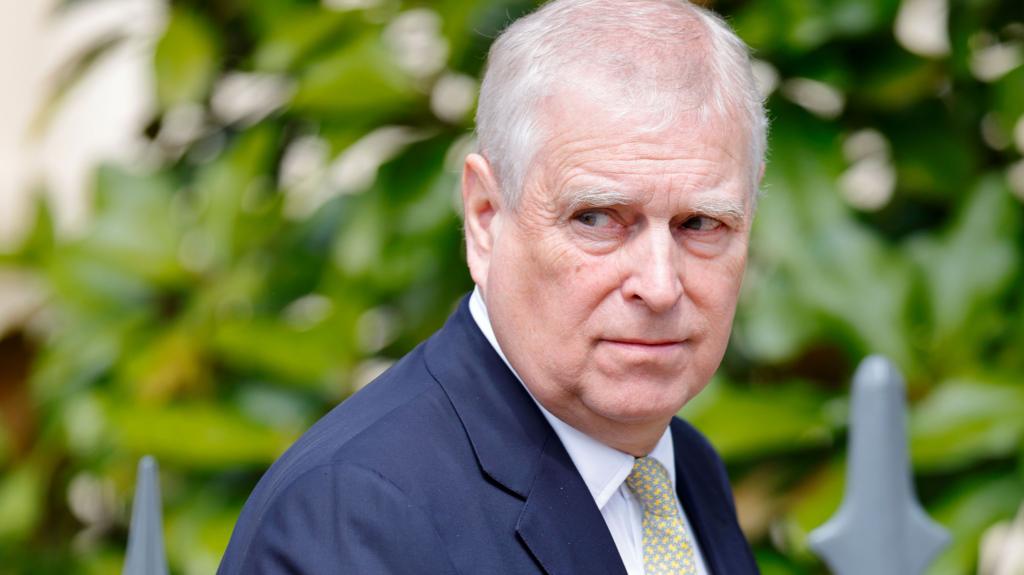
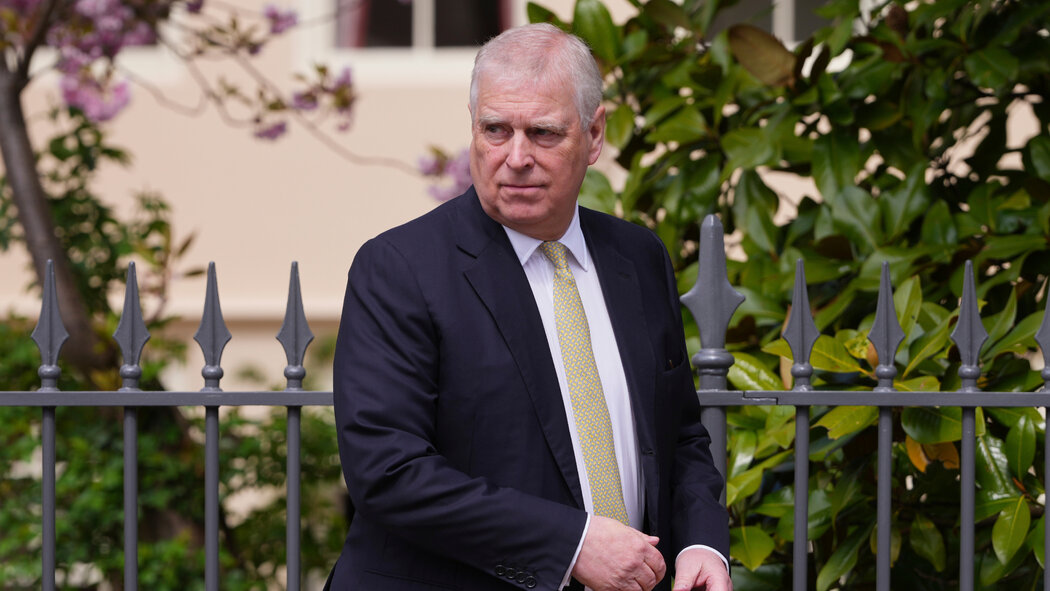
Revealed: The Surprising Reason Queen Elizabeth Wouldn’t Have Stripped Disgraced Andrew of His Royal Title Despite Disturbing Epstein Scandal
The Unwavering Loyalty of Queen Elizabeth II to Prince Andrew Amid Scandal
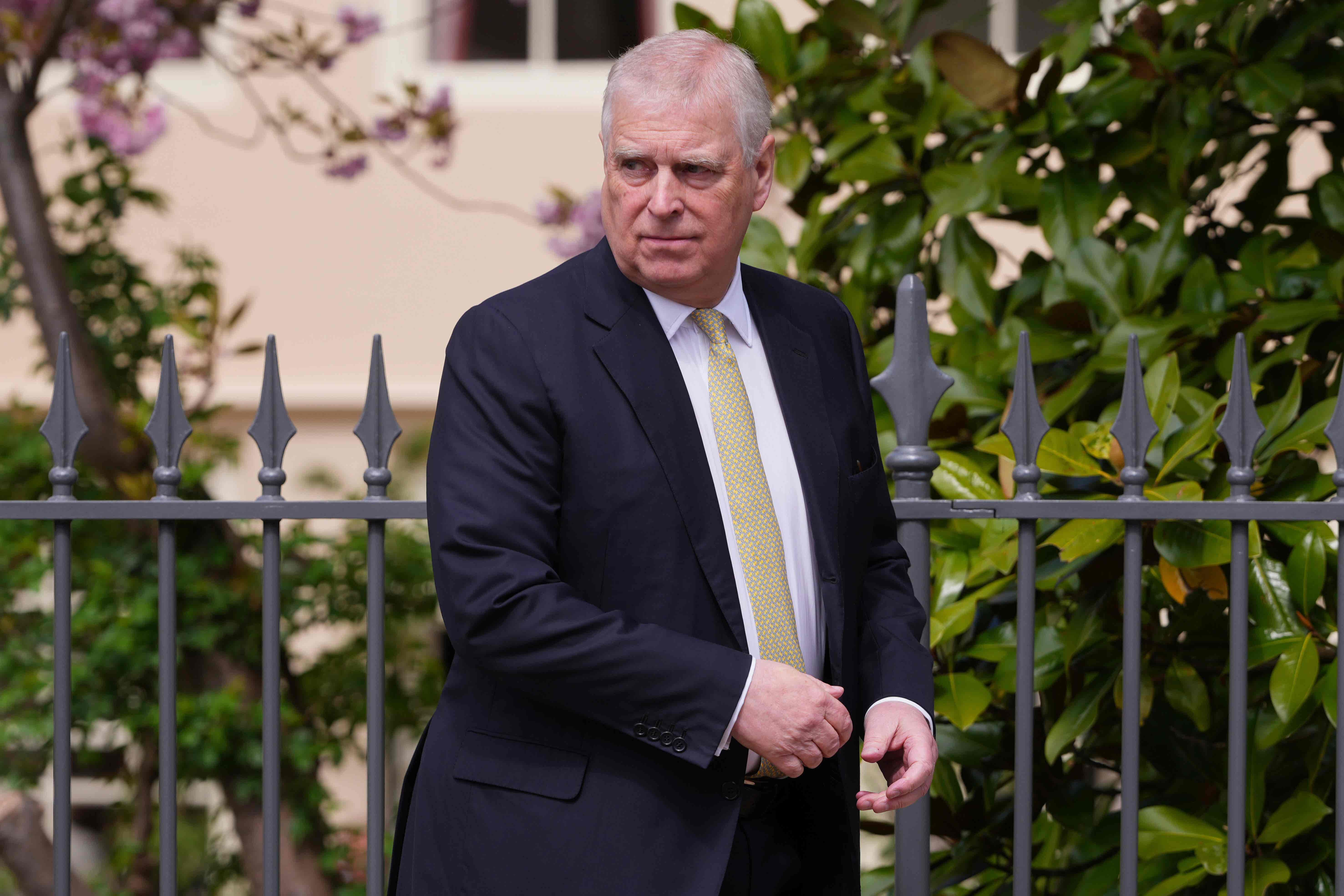
Queen Elizabeth II’s reign was marked by steadfast dedication to tradition and family loyalty, even in the face of controversy. One of the most striking examples of this was her unwavering support for her son, Prince Andrew, despite the serious allegations and public outrage stemming from his association with Jeffrey Epstein. While recent events have seen King Charles III take the unprecedented step of stripping Andrew of his royal titles, it is widely believed that Queen Elizabeth II would have never gone so far.
Prince Andrew, Duke of York, was often regarded as the Queen’s favorite child, a status that seemed to shield him from the full brunt of royal consequences during her lifetime. Royal experts and insiders have repeatedly emphasized that the Queen’s loyalty to Andrew was deeply personal and rooted in her desire to protect her family’s reputation and unity. This protective stance persisted even as the Epstein scandal intensified, bringing intense scrutiny and criticism to the royal family.
The Queen’s approach reflected her broader philosophy of maintaining stability and continuity within the monarchy. Removing a royal title, especially from a direct descendant, was a step she reportedly considered too damaging to the institution’s image and her family’s cohesion. Instead, she appeared to prefer managing the fallout quietly and privately, hoping to contain the scandal without public upheaval.
King Charles III’s Bold Move: Breaking with Tradition
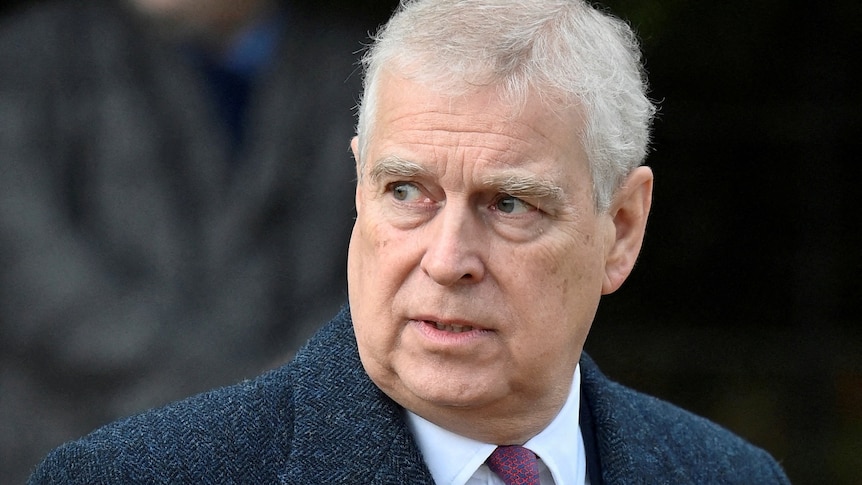
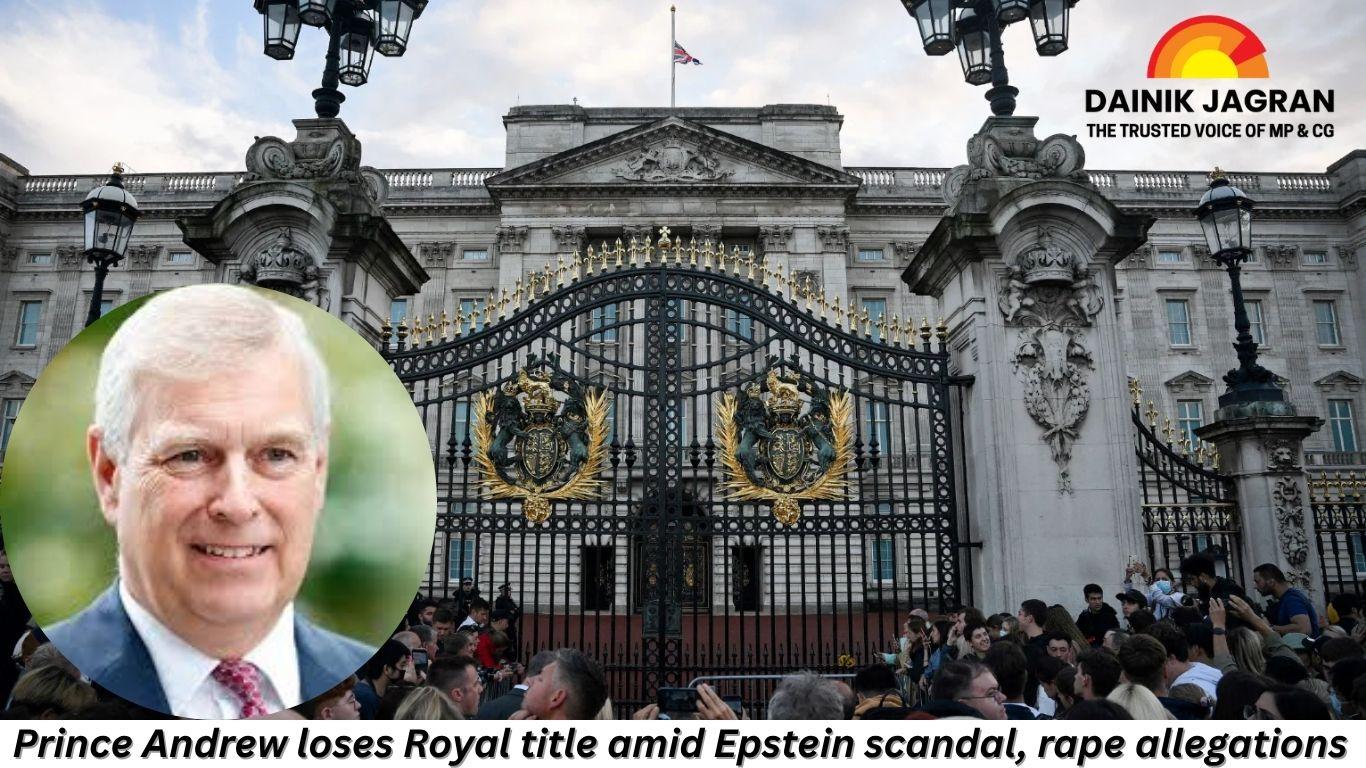
In a dramatic departure from his mother’s approach, King Charles III made headlines by formally initiating the process to strip Prince Andrew of his royal style, titles, and honors. This decision, announced in late 2025, marked a significant shift in how the royal family handles internal scandals, signaling a new era of accountability and public transparency.
The official statement from Buckingham Palace highlighted that Andrew’s removal was directly linked to the ongoing fallout from the sexual assault accusations tied to the Epstein scandal. It also revealed that Andrew’s lease on Royal Lodge, a residence he had occupied rent-free for years, was being revoked, forcing him to relocate to private accommodation. This move underscored the severity with which King Charles viewed the situation and his determination to distance the monarchy from the controversy.
Royal commentators suggest that Charles’s decision was not made lightly. It was reportedly a painful but necessary step to protect the monarchy’s integrity and public trust. Unlike Queen Elizabeth, who prioritized family loyalty, Charles appears to prioritize the institution’s reputation and the need to respond decisively to allegations of misconduct.
The Epstein Scandal’s Lingering Impact on the Royal Family
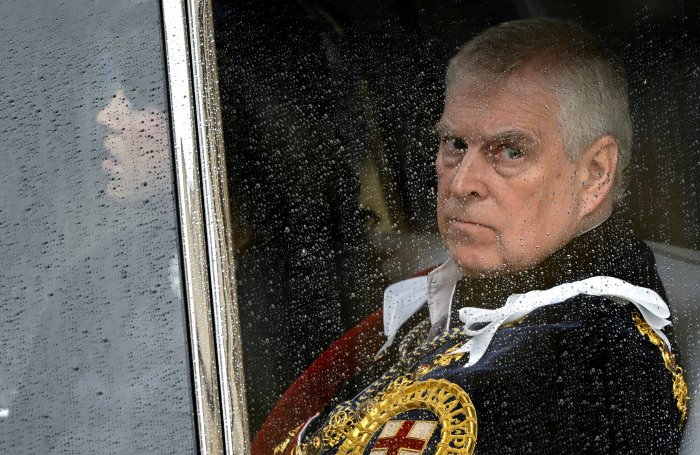
The Epstein scandal has cast a long shadow over Prince Andrew and the royal family. Central to the controversy are the accusations made by Virginia Giuffre, who alleged that Andrew sexually abused her when she was underage. Her posthumously published memoir, “Nobody’s Girl,” reignited public and media scrutiny by detailing her experiences and the alleged abuse.
Despite Andrew’s consistent denials, the scandal culminated in an out-of-court settlement in 2022, which many viewed as an implicit acknowledgment of the seriousness of the claims. This settlement, combined with mounting public pressure, made it increasingly difficult for the royal family to maintain the status quo.
The palace has expressed sympathy for victims and survivors of abuse, signaling a shift in tone from previous decades. This change reflects broader societal movements demanding justice and transparency, which the monarchy can no longer ignore without risking its relevance and respect.
Why Queen Elizabeth II Would Have Resisted Stripping Andrew’s Title
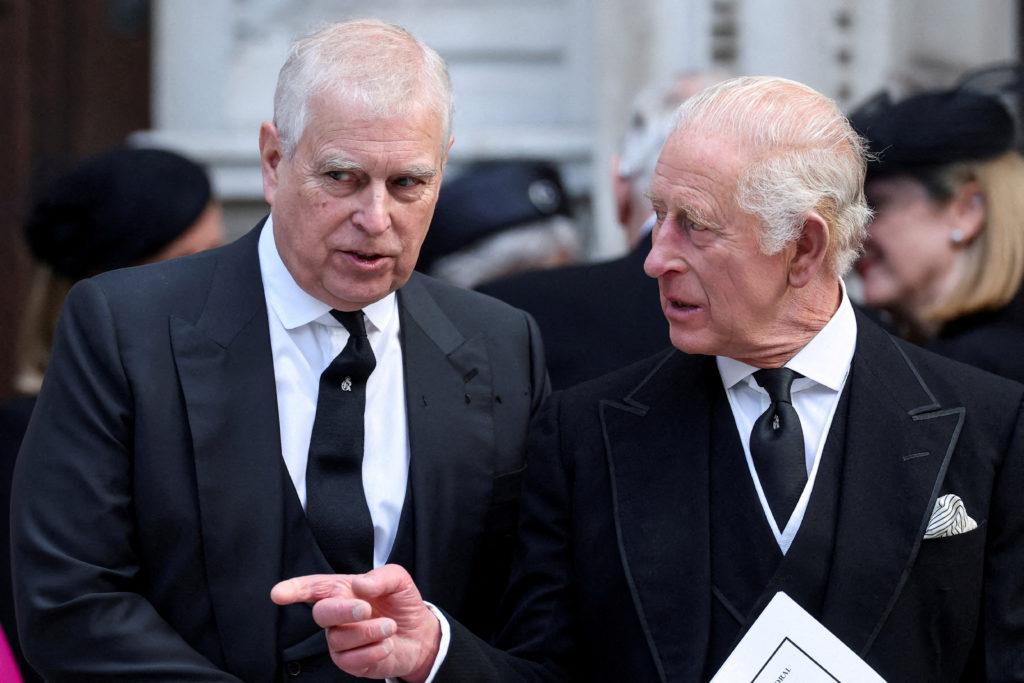
Understanding why Queen Elizabeth II would have resisted stripping Andrew of his royal title requires a look at her values and the historical context of her reign. The Queen’s leadership style was characterized by discretion, a deep sense of duty, and an emphasis on family unity. She often chose to handle sensitive matters privately rather than through public confrontation.
Andrew’s status as her “favorite” son added a personal dimension to her protective instincts. Many royal insiders believe that Elizabeth viewed Andrew’s royal title as a symbol of her family’s continuity and legacy, something she was reluctant to relinquish even amid scandal. Removing his title would have been a dramatic break from tradition and could have set a precedent she was unwilling to establish.
Moreover, the Queen’s reign spanned decades of evolving public attitudes toward the monarchy. While she adapted to many changes, she maintained a cautious approach to managing crises, preferring to shield her family from public fallout whenever possible. This approach contrasts sharply with King Charles’s more direct and transparent handling of Andrew’s situation.
The Future of the Monarchy in the Wake of the Andrew Scandal
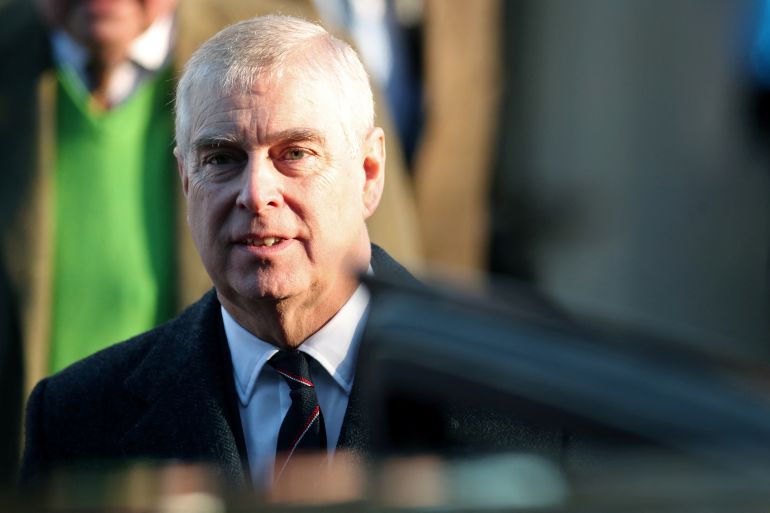
The decision by King Charles III to strip Prince Andrew of his royal titles signals a new chapter for the British monarchy. It reflects a willingness to confront uncomfortable truths and take decisive action to uphold the institution’s credibility. However, it also raises questions about how the royal family will navigate future scandals and maintain public trust.
For Prince Andrew, the loss of his titles and residence marks a significant fall from grace. While he retains his personal dignity, his role within the royal family has been fundamentally altered. The palace’s emphasis on supporting victims of abuse suggests a broader commitment to accountability that may influence royal protocols going forward.
As the monarchy continues to evolve under King Charles’s leadership, balancing tradition with modern expectations will be crucial. The handling of the Epstein scandal and its aftermath serves as a case study in this delicate balancing act.
Conclusion
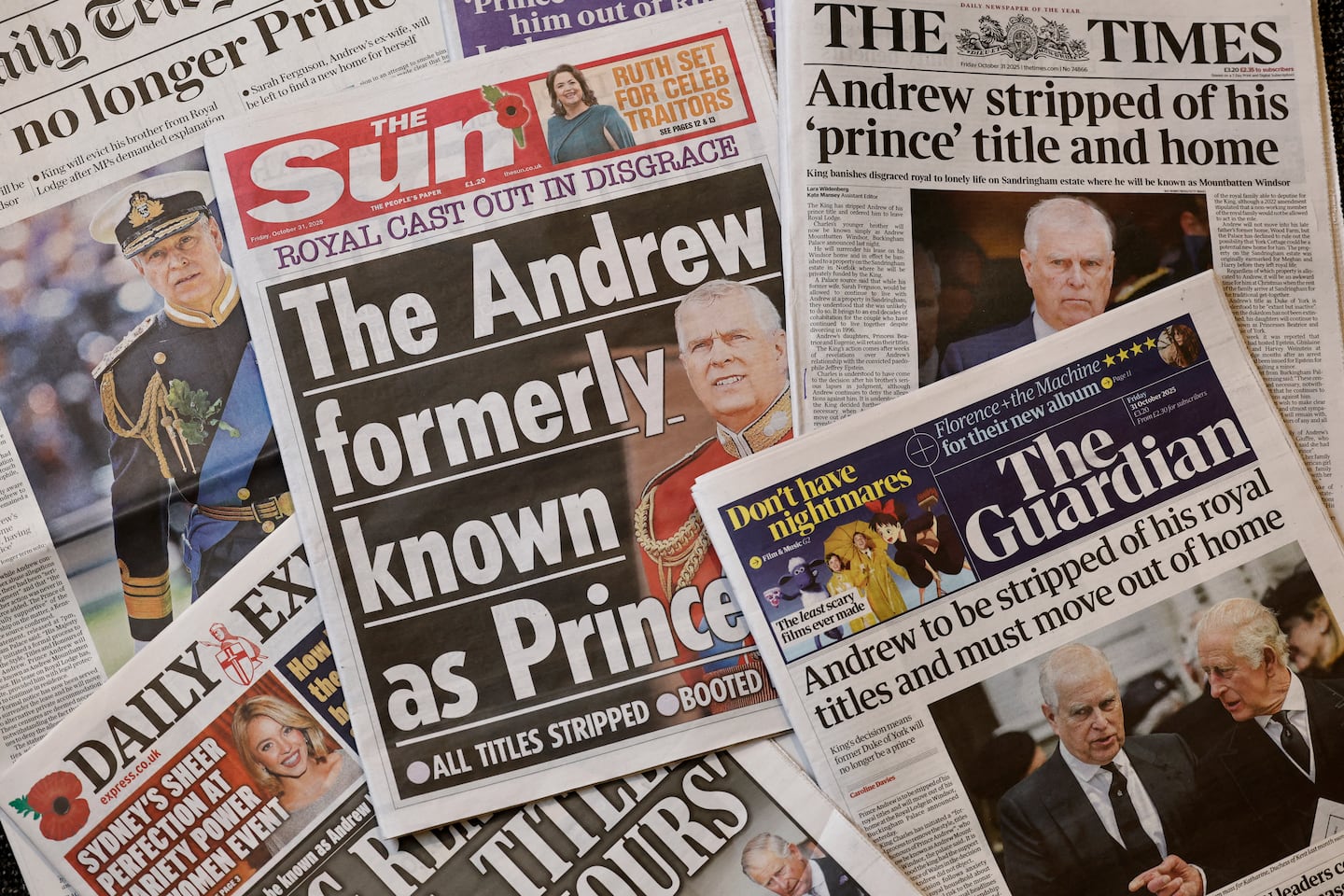
Queen Elizabeth II’s enduring loyalty to Prince Andrew explains why she would have never stripped him of his royal title despite the disturbing Epstein scandal. Her protective approach contrasted sharply with King Charles III’s bold decision to remove Andrew’s titles in an effort to safeguard the monarchy’s reputation. This unprecedented move highlights a shift toward greater accountability within the royal family, reflecting changing societal values.
If you want to stay updated on the latest royal news and insights into the British monarchy, be sure to subscribe to our newsletter and follow our expert coverage. Don’t miss out on how these historic decisions continue to shape the future of the crown.