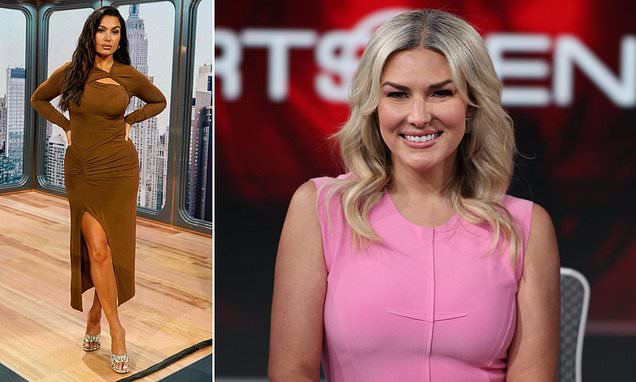
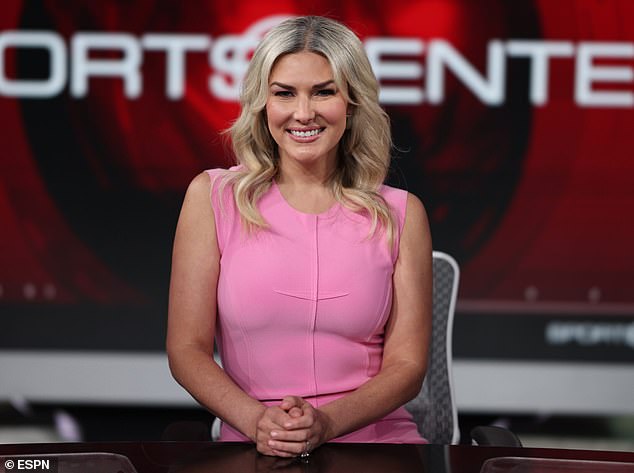
Shae Cornette Has Broken Her Silence About Why ESPN Chose Her to Replace Molly Qerim: “Now I Realize They Only Saw Me as a Disposable Pawn”
Shae Cornette, a rising star in sports broadcasting, recently opened up about her unexpected appointment as the replacement for Molly Qerim on ESPN’s flagship show. What initially seemed like a career-defining opportunity has now revealed a more complicated and disheartening reality. Cornette’s candid remarks shed light on the inner workings of ESPN’s decision-making process and the challenges faced by women in the sports media industry.
Why ESPN Chose Shae Cornette to Replace Molly Qerim
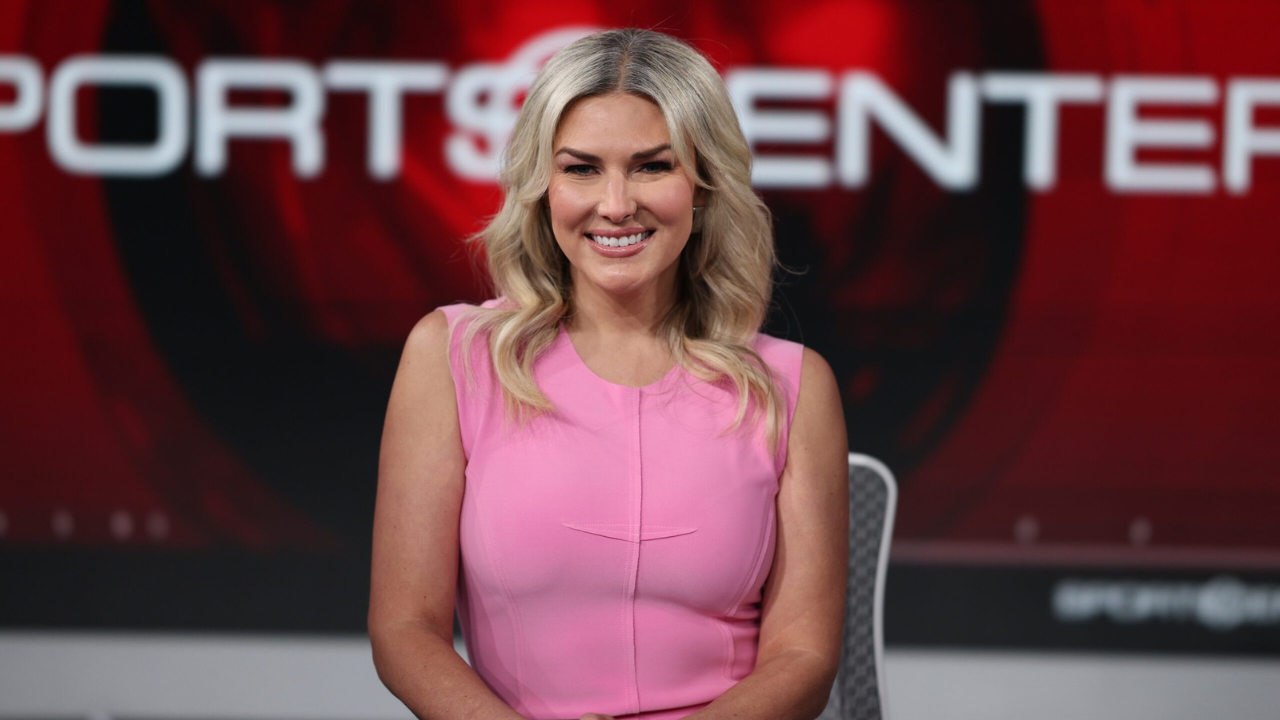
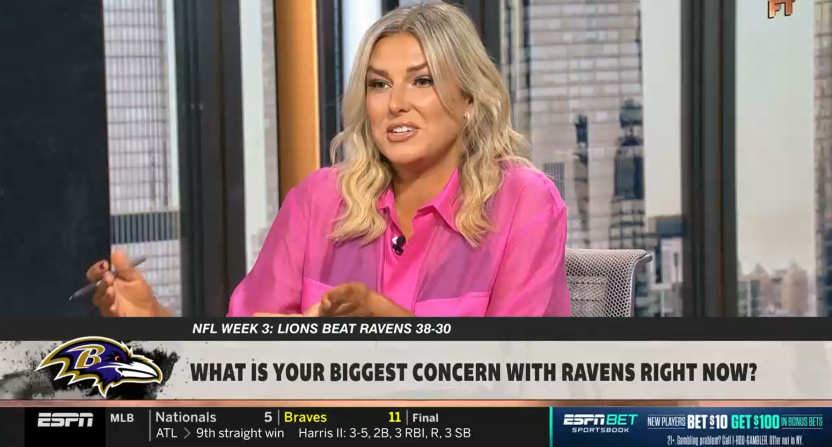
When ESPN announced that Shae Cornette would be stepping in for Molly Qerim, many fans and industry insiders were curious about the rationale behind the move. Molly Qerim had been a beloved host, known for her engaging presence and deep knowledge of sports. Cornette, while talented and charismatic, was relatively new to the national spotlight.
In her recent statements, Cornette revealed that ESPN’s choice was less about her skills and more about convenience. “Now I realize they only saw me as a disposable pawn,” she said, expressing disappointment over how the network treated her role. According to Cornette, ESPN’s management viewed her as a temporary solution rather than a long-term investment, which affected how she was supported and promoted during her tenure.
This revelation highlights a broader issue within sports media, where emerging talents are sometimes used to fill gaps without receiving the necessary backing to thrive. Cornette’s experience underscores the challenges faced by women trying to establish themselves in a competitive and often male-dominated industry.
The Impact of ESPN’s Decision on Shae Cornette’s Career

Being thrust into the spotlight as a replacement for a well-known host like Molly Qerim came with immense pressure for Shae Cornette. While the opportunity allowed her to showcase her abilities on a prominent platform, the lack of genuine support from ESPN’s leadership made it difficult for her to fully capitalize on the moment.
Cornette’s feelings of being a “disposable pawn” reflect the emotional toll such experiences can take. She described moments of isolation and uncertainty, which are common among professionals who feel undervalued despite their contributions. This situation has prompted Cornette to advocate for better treatment and recognition of women in sports broadcasting.
Despite the setbacks, Cornette remains optimistic about her future. She continues to build her brand and connect with audiences who appreciate her authenticity and passion for sports. Her story serves as both a cautionary tale and an inspiration for others navigating the complexities of the media landscape.
What This Means for Women in Sports Broadcasting
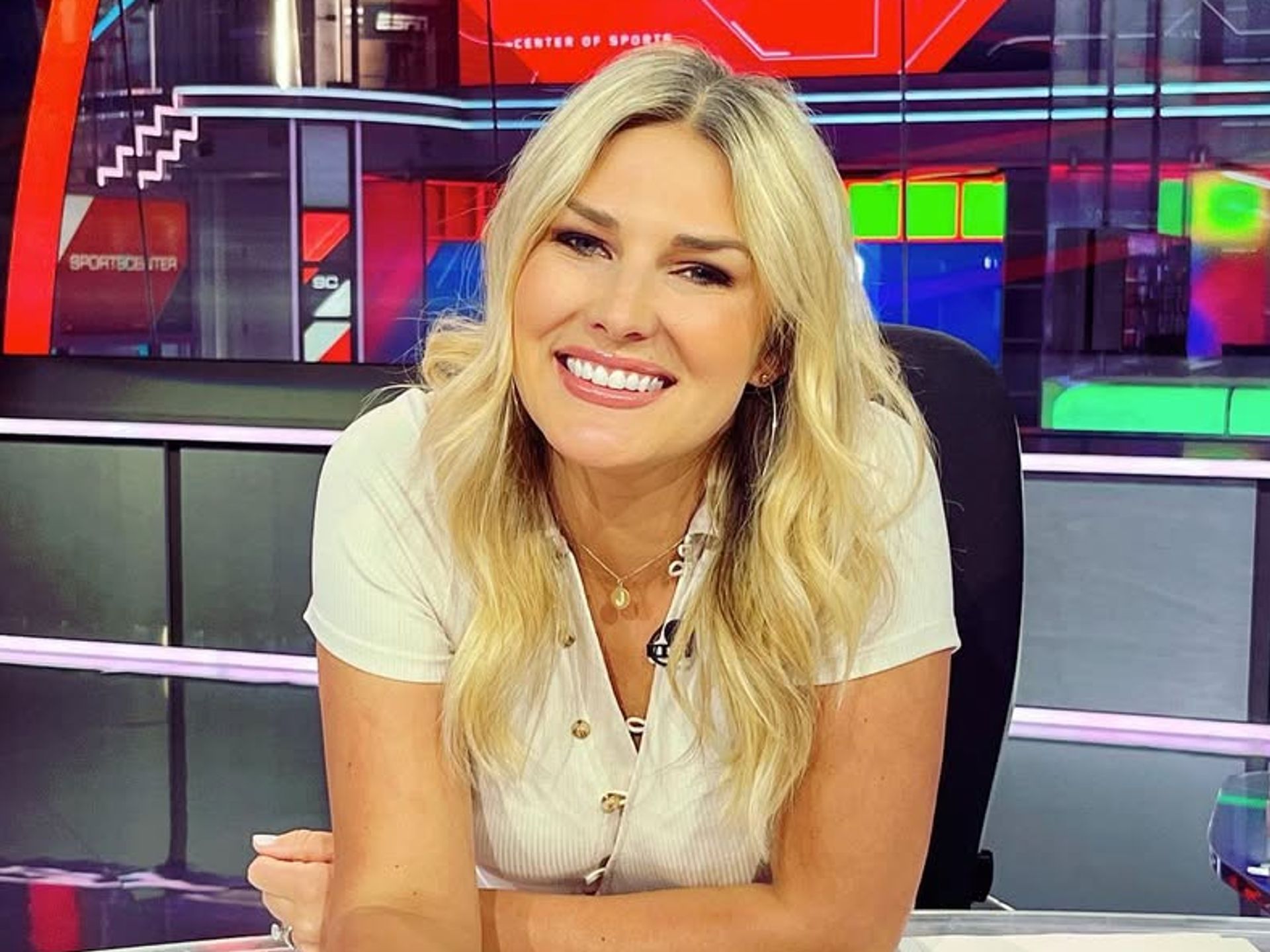
Shae Cornette’s candid remarks about ESPN’s decision-making process resonate beyond her personal experience. They highlight systemic issues within sports media, including the tendency to undervalue female talent and prioritize short-term fixes over sustainable career development.
Women in sports broadcasting often face a double bind: they must prove their expertise while contending with limited opportunities and inconsistent support. Cornette’s story brings attention to the need for networks to foster inclusive environments where female hosts can thrive without being treated as temporary placeholders.
Industry leaders and audiences alike are encouraged to reflect on how talent is nurtured and promoted. Supporting women in sports media not only enriches the viewing experience but also drives progress toward greater equality and representation.
Conclusion

Shae Cornette’s revelation about being seen as a “disposable pawn” by ESPN offers a revealing glimpse into the challenges faced by women in sports broadcasting. Her experience underscores the importance of genuine support and recognition for emerging talent. As Cornette continues to rise in her career, her story serves as a powerful reminder that true success comes from valuing individuals beyond their immediate utility.
If you found Shae Cornette’s story insightful, stay tuned for more updates on women making waves in sports media. Don’t forget to share this article and join the conversation about creating a more inclusive and supportive industry for all broadcasters.