Civil War at the BBC as ‘Woke Pro-Trans Staff’ Rebel Against Board, While Chairman Apologises for Doctored Trump Video and Axed Exec Hits Back at US President’s Claims of ‘Corruption’
BBC Faces Internal Turmoil Over Controversial Editing and Staff Rebellion

The British Broadcasting Corporation (BBC) is currently embroiled in a fierce internal conflict that has been described by insiders as a civil war. This turmoil stems from a combination of editorial controversies and ideological clashes within the organization. At the heart of the controversy is the recent revelation that a video of former US President Donald Trump was doctored, leading to widespread criticism and a formal apology from the BBC chairman. Meanwhile, a faction of ‘woke pro-trans staff’ has reportedly rebelled against the BBC board, further deepening the crisis.
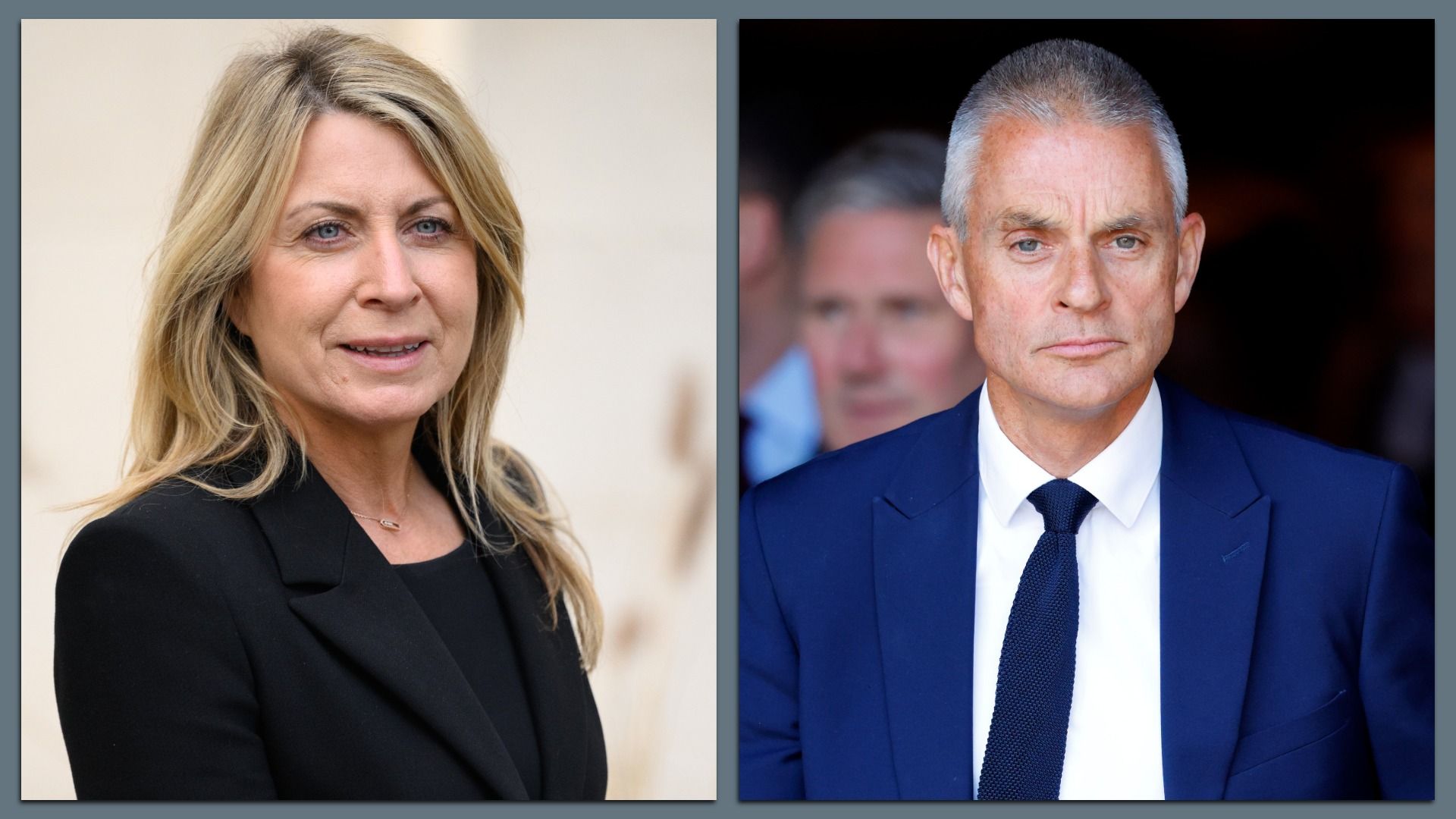
The situation escalated when Deborah Turness, the former CEO of BBC News who was recently dismissed amid the controversy, publicly defended the corporation. She emphasized that despite the allegations, the BBC remains “the world’s most trusted news provider” and rejected claims of institutional corruption made by President Trump. Turness’s stance highlights the deep divisions within the BBC, as she continues to support the organization’s integrity even after her departure.
The Chairman’s Apology and Legal Threats from Donald Trump

Samir Shah, the chairman of the BBC board, took the unusual step of issuing a public apology for the “error of judgment” related to the editing of Donald Trump’s speech. This apology marks a significant moment, as it acknowledges the BBC’s mistake in handling the footage, which was criticized for misrepresenting the former president’s words. Shah has even indicated that he may personally apologize to Trump, signaling the seriousness with which the BBC is treating the fallout.
Adding to the tension, it has been revealed that Donald Trump has sent a legal letter threatening action against the BBC over a Panorama documentary aired ahead of the 2024 US election. Shah commented on Trump’s litigious nature, stating, “He’s a litigious fellow. So we should be prepared for all outcomes.” This legal threat underscores the high stakes involved and the potential for further reputational damage to the BBC.
Internal Divisions: ‘Woke Pro-Trans Staff’ vs. BBC Board

Reports from inside the BBC suggest that the conflict is not limited to the Trump video controversy. There is a growing rift between senior BBC News staff, described as ‘woke pro-trans’, and the BBC board. These staff members are reportedly pushing back against the board’s decisions and leadership style, leading to a state of paralysis at the top levels of the organization.
Nick Robinson, a prominent BBC presenter, used the Today Programme to voice concerns about the board’s effectiveness, describing it as being in a “state of paralysis.” This public airing of internal disputes is unusual for the BBC and signals deep-rooted issues within the corporation’s governance.
Political Reactions and Public Perception

The BBC’s internal crisis has attracted significant political attention. Sir Keir Starmer, leader of the Labour Party, has publicly supported the BBC, with his spokesman stating that the Prime Minister does not believe the corporation is “institutionally biased.” This endorsement aims to reinforce the BBC’s reputation as a neutral and trustworthy news source amid the controversy.
Conversely, Nigel Farage, leader of Reform UK, has criticized the BBC harshly. Farage claims to have spoken with Donald Trump, who is reportedly “absolutely enraged” by the BBC’s actions. Farage accuses the BBC of “election interference” and bias, echoing the sentiments of many critics who believe the broadcaster has overstepped its journalistic boundaries.
What This Means for the Future of the BBC

The ongoing civil war within the BBC highlights the challenges faced by traditional media organizations in a polarized political and social environment. The clash between ‘woke pro-trans staff’ and the board reflects broader cultural conflicts that are playing out across many institutions worldwide. For the BBC, navigating these internal divisions while maintaining editorial integrity and public trust is a delicate balancing act.
The chairman’s apology and the legal threats from Donald Trump add layers of complexity to the situation. The BBC must now manage the fallout from the doctored video scandal while addressing the demands and concerns of its diverse staff. Failure to do so could lead to further reputational damage and loss of public confidence.
Moreover, the political reactions underscore the importance of the BBC’s role as a public broadcaster. Support from figures like Sir Keir Starmer reinforces the need for impartiality and professionalism, while criticism from Nigel Farage and others highlights the ongoing scrutiny the BBC faces from various political factions.
Steps Toward Resolution and Rebuilding Trust

To move forward, the BBC will need to implement clear measures to restore trust both internally and externally. This includes transparent investigations into the editing controversy, open dialogue with staff to address ideological conflicts, and reaffirming its commitment to unbiased reporting.
Leadership changes, such as the departure of Deborah Turness, indicate a willingness to reset and recalibrate the organization’s direction. However, the BBC board must also demonstrate strong governance to prevent further paralysis and ensure that the corporation can effectively fulfill its public service mandate.
Conclusion
The BBC is at a critical crossroads as it grapples with internal rebellion from ‘woke pro-trans staff’, a public apology from its chairman over a doctored Trump video, and mounting political pressure. This civil war within the corporation not only threatens its internal cohesion but also its standing as a trusted news provider. As the BBC navigates these turbulent waters, it must prioritize transparency, accountability, and unity to safeguard its future.
If you want to stay informed about the latest developments in media controversies and institutional challenges, subscribe to our newsletter for expert analysis and updates.