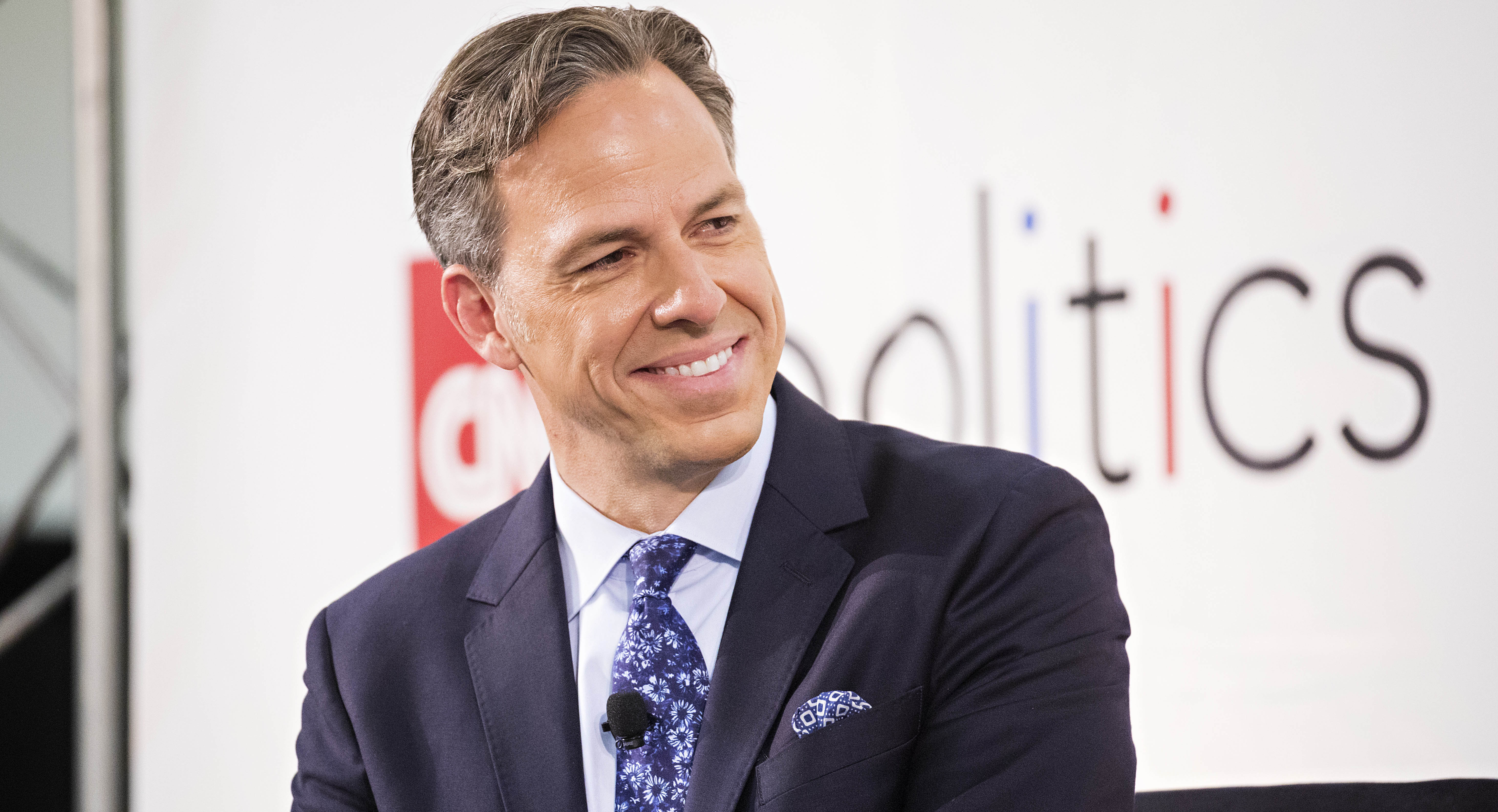
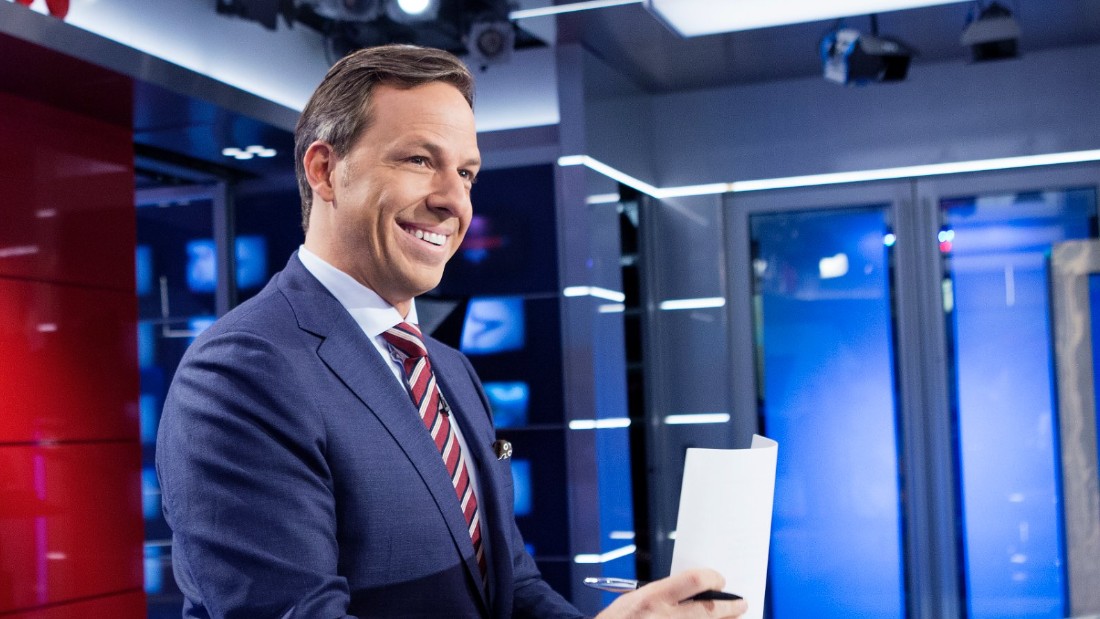
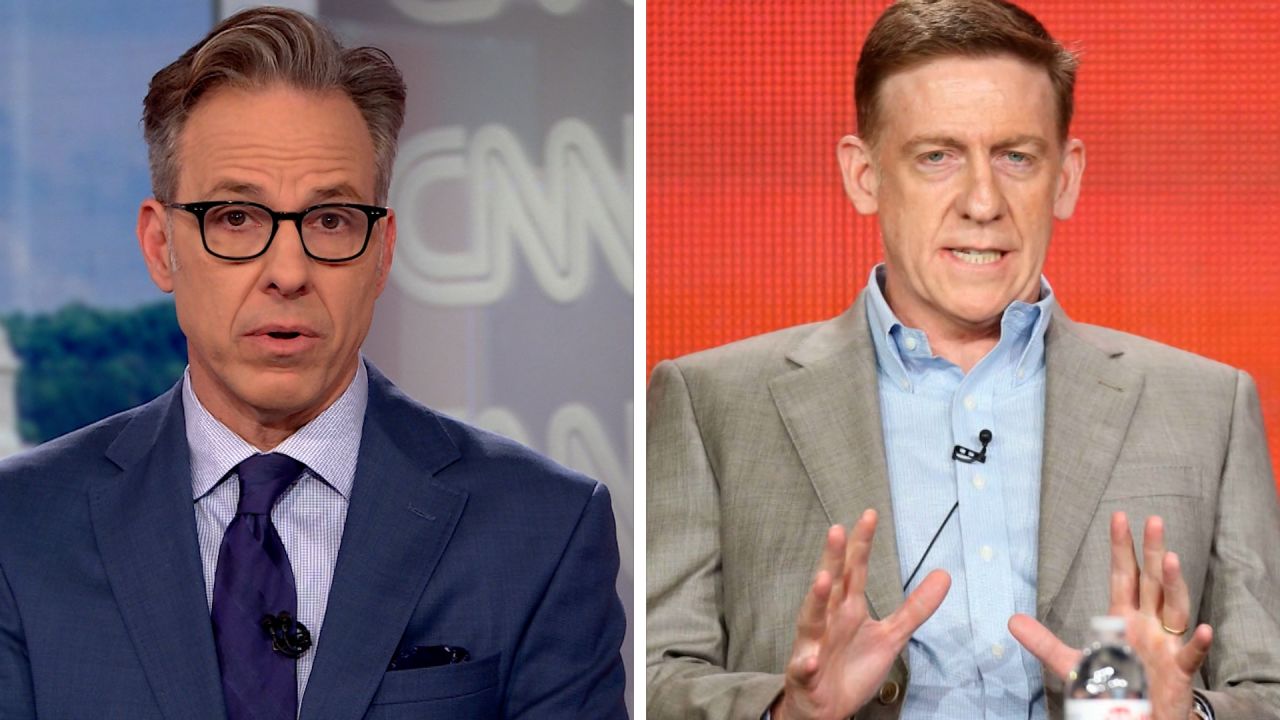
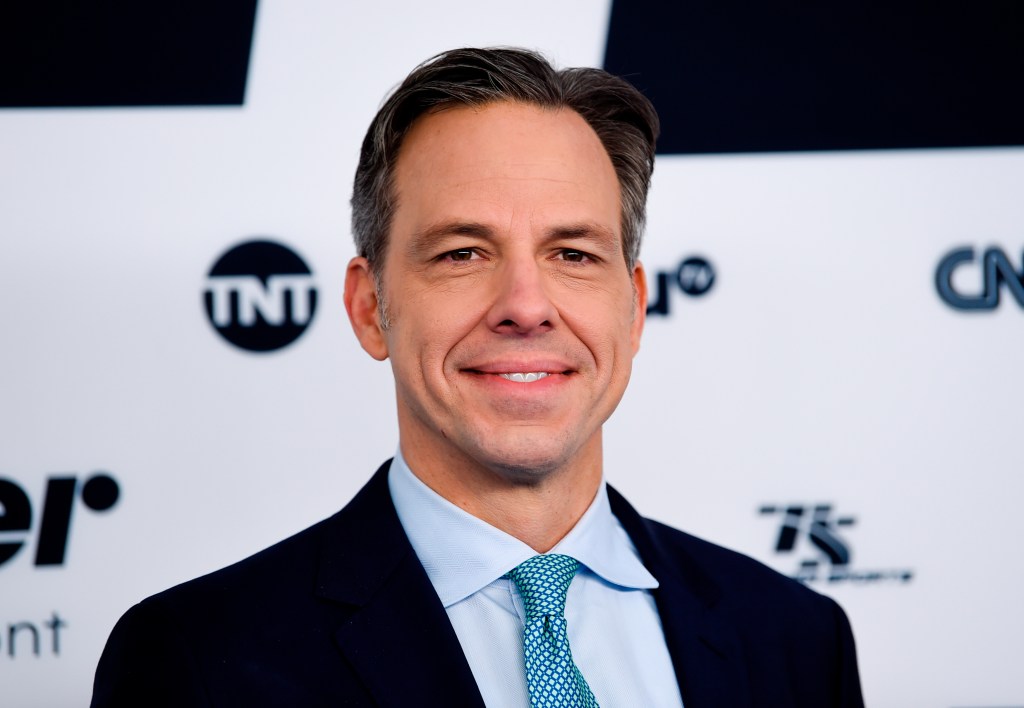
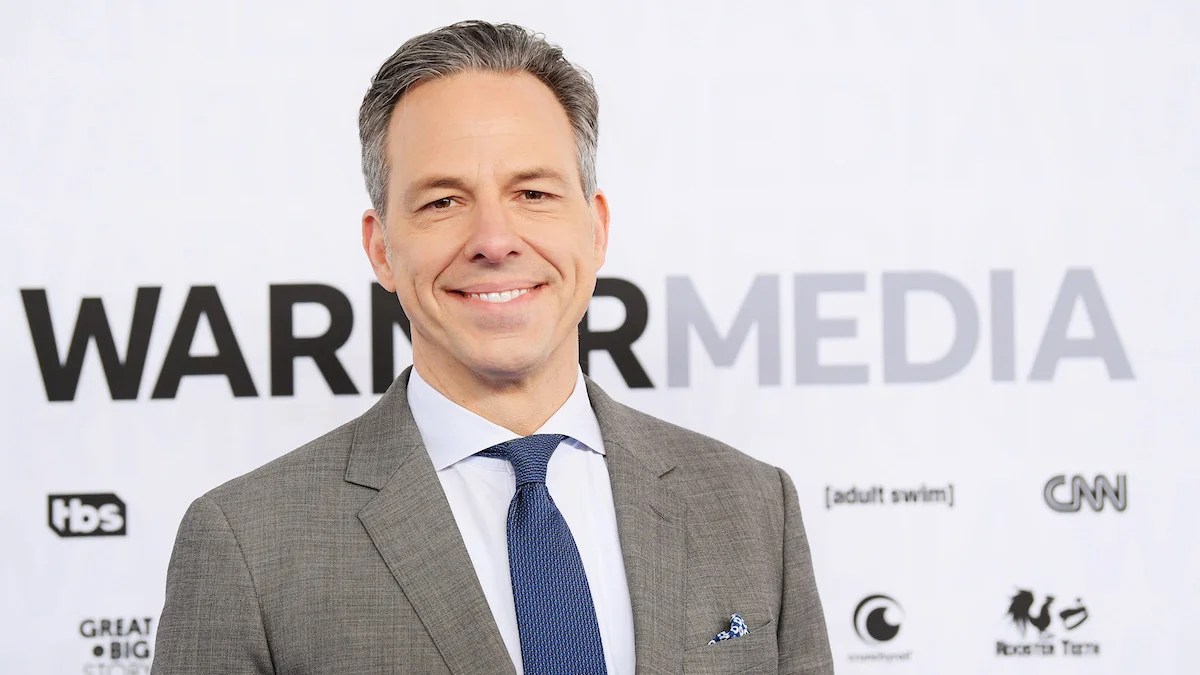
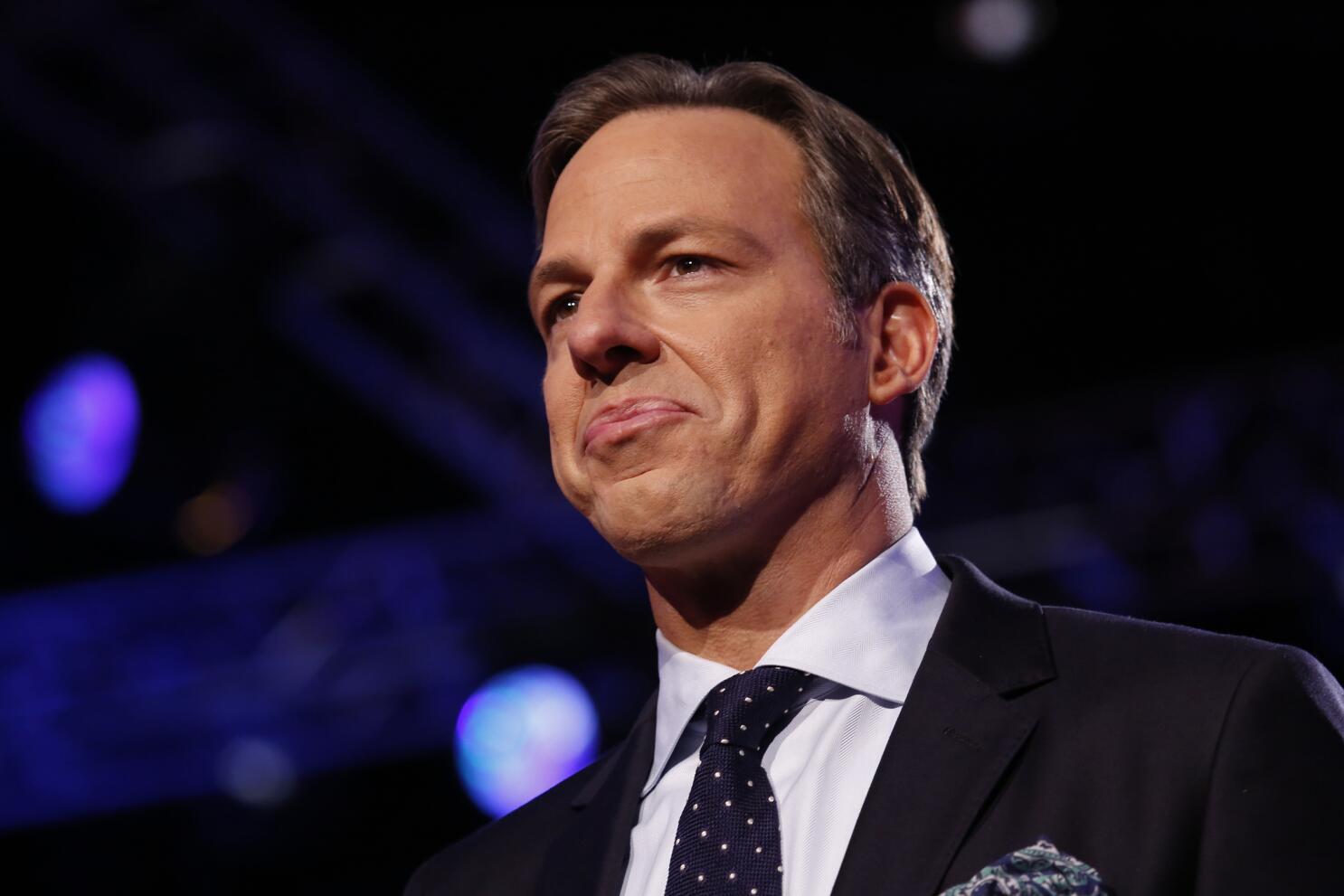
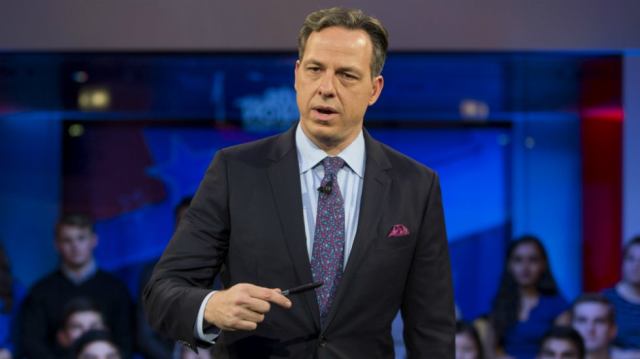
Jake Tapper Slams CNN Executives and Steps Down as Anchor: What Happened?
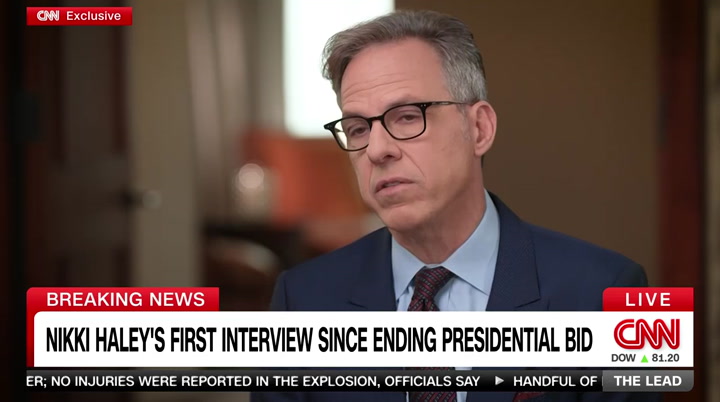
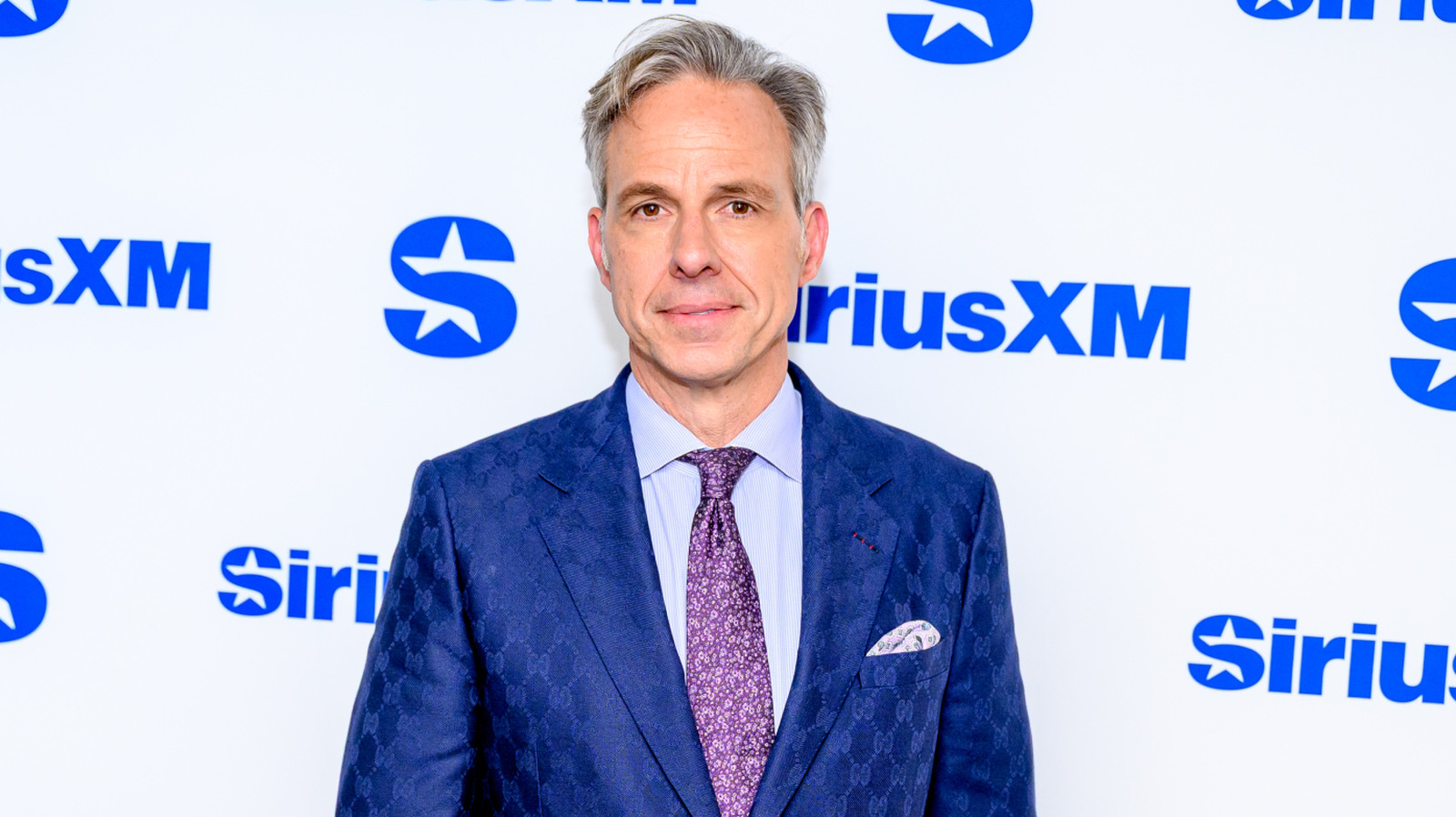
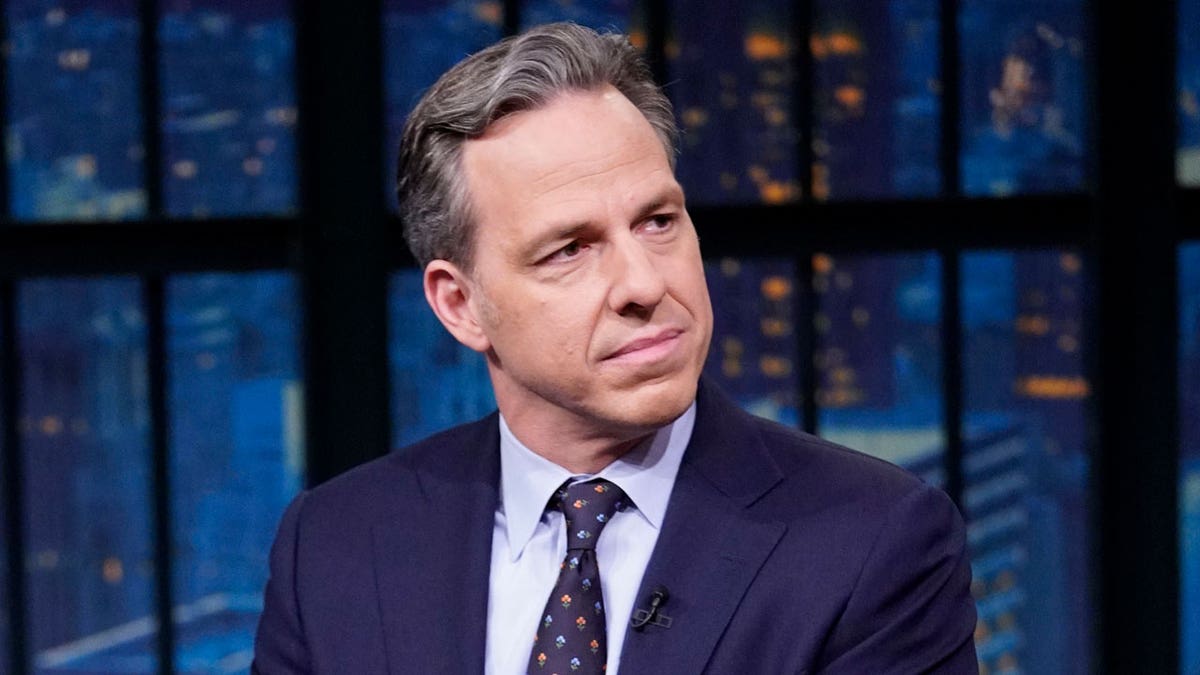
In a surprising turn of events, Jake Tapper, one of CNN’s most recognizable anchors, has openly criticized the network’s executives, labeling them as “idiots.” Following this public rebuke, Tapper announced his decision to voluntarily step down from his role as an anchor. This development has sent shockwaves through the media industry and raised questions about the internal dynamics at CNN. But what exactly led to this dramatic fallout? In this article, we delve into the details behind Jake Tapper’s bold statements and his subsequent departure from the anchor desk.
Jake Tapper’s Criticism of CNN Executives
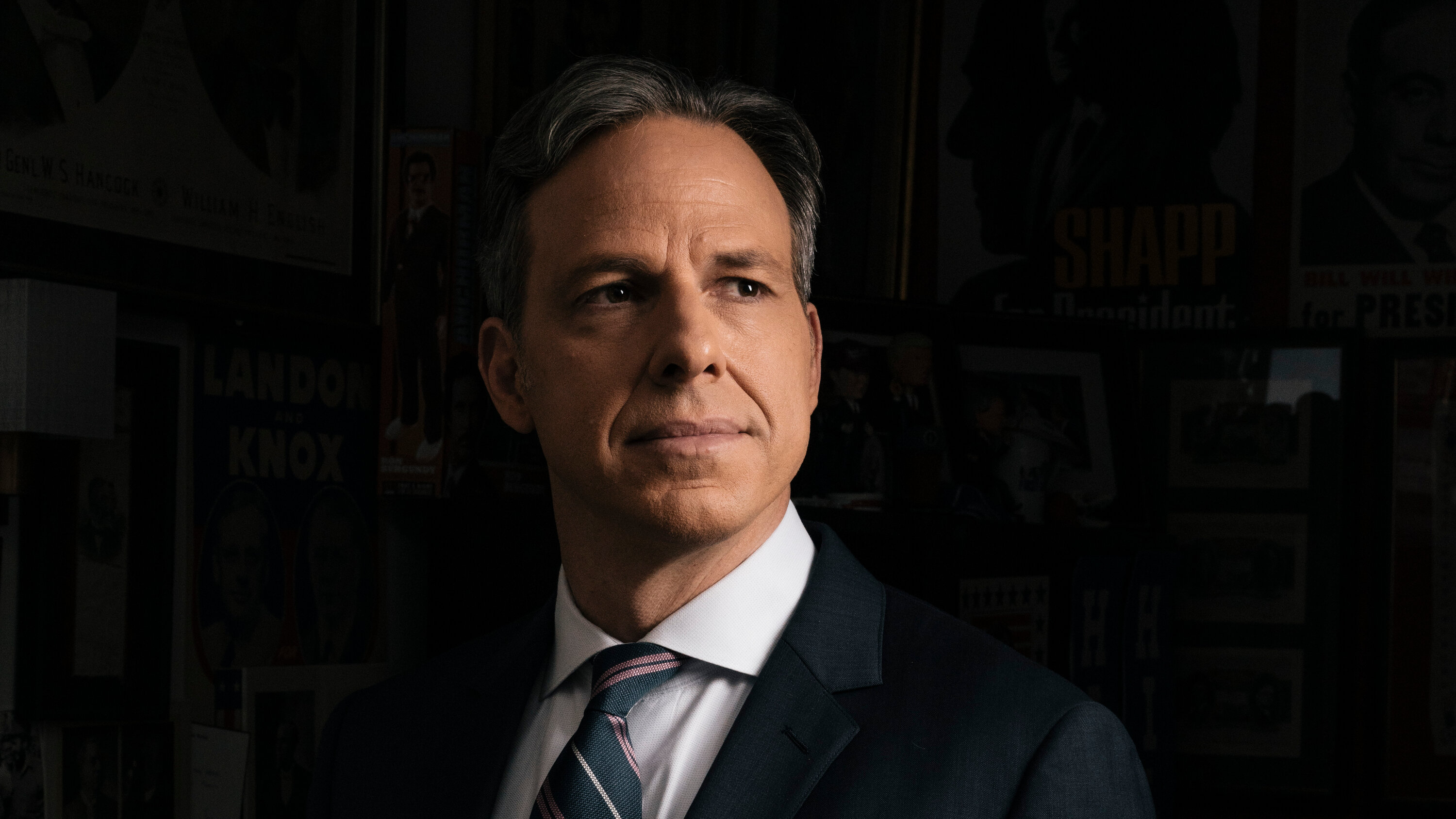
Jake Tapper’s outspoken criticism of CNN’s leadership has caught many by surprise. Known for his professionalism and measured approach, Tapper’s decision to call the executives “idiots” marks a significant departure from his usual demeanor. Sources close to the situation suggest that Tapper’s frustration stems from ongoing disagreements over editorial direction and management decisions at the network.
According to insiders, Tapper felt increasingly sidelined in key programming decisions, which affected the quality and integrity of the news coverage. His public condemnation reflects deeper tensions within CNN’s leadership, where conflicts over content strategy and corporate priorities have been simmering for months.
This rare public outburst highlights the challenges faced by news organizations in balancing journalistic integrity with commercial pressures. Tapper’s blunt assessment of CNN’s executives underscores a growing dissatisfaction among some of the network’s top talent regarding its strategic direction.
The Impact of Tapper’s Departure on CNN

Jake Tapper stepping down as anchor is more than just a personnel change; it signals potential upheaval within CNN. Tapper has been a key figure at the network, known for his incisive interviews and trusted reporting. His departure raises concerns about CNN’s ability to retain top-tier talent amid internal conflicts.
For viewers, Tapper’s exit may affect the network’s credibility and viewership. As a respected journalist, his presence lent authority to CNN’s programming. Losing such a prominent anchor could lead to a decline in audience trust and engagement.
From a corporate perspective, CNN now faces the challenge of managing the fallout and addressing the issues that led to Tapper’s discontent. The network must find ways to rebuild morale among its staff and reassure its audience that it remains committed to high-quality journalism.
What This Means for the Future of CNN
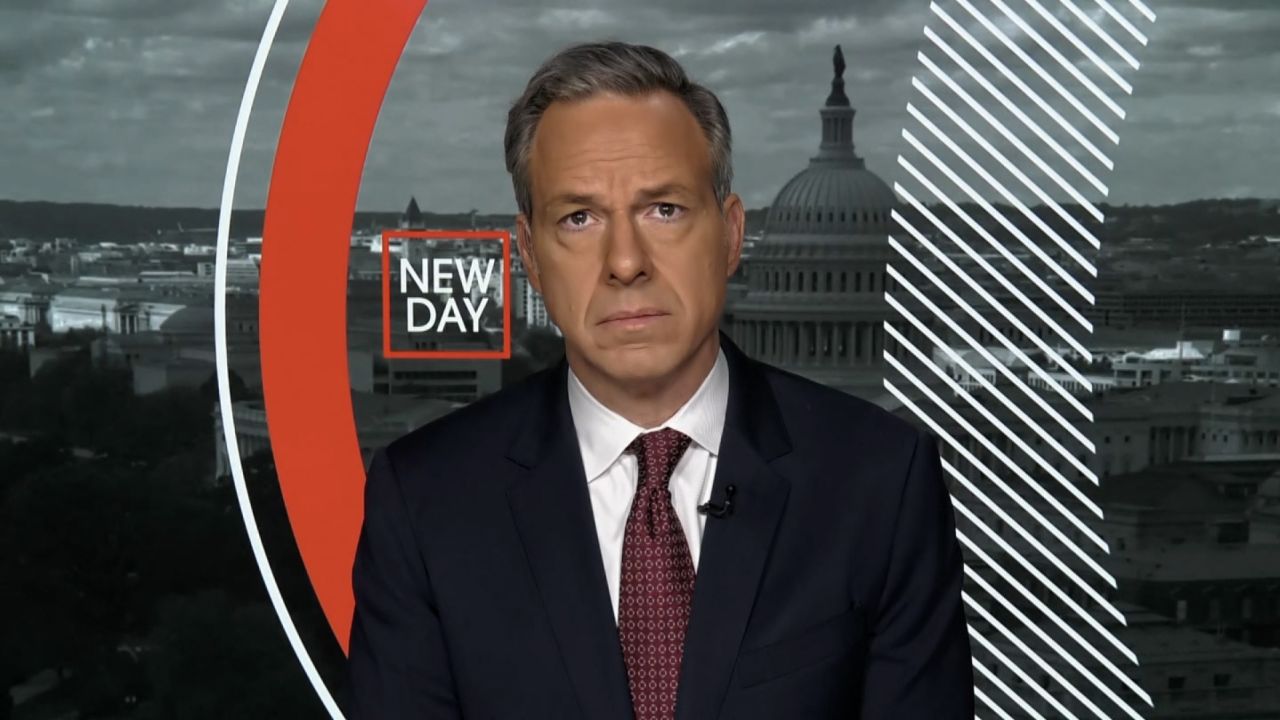
The controversy surrounding Jake Tapper’s criticism and resignation could be a turning point for CNN. It exposes underlying problems in leadership and editorial control that may require significant changes. How CNN responds to this crisis will shape its future trajectory.
If the network takes steps to address the concerns raised by Tapper and other employees, it could emerge stronger and more unified. Transparent communication, renewed focus on journalistic standards, and better collaboration between executives and talent are essential for restoring confidence.
Conversely, failure to resolve these issues might lead to further departures and damage CNN’s reputation. In an increasingly competitive media landscape, maintaining a cohesive and motivated team is vital for success.
Conclusion
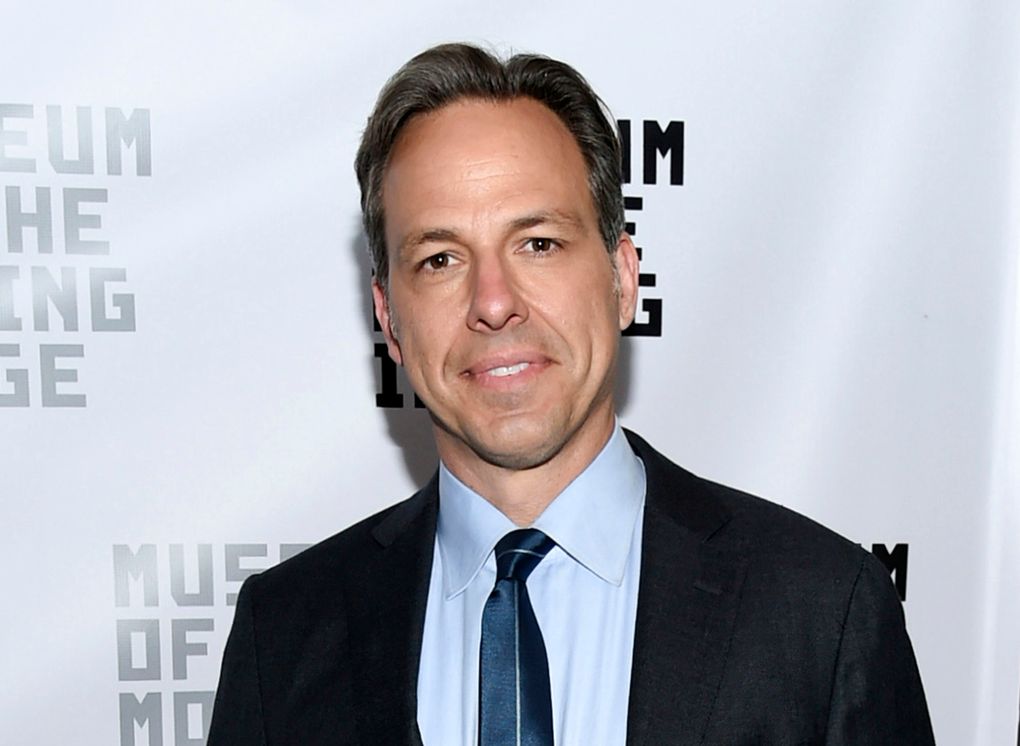
Jake Tapper’s decision to call CNN’s executives “idiots” and step down as anchor is a dramatic moment that reveals significant internal challenges within the network. His departure not only impacts CNN’s on-air lineup but also highlights the need for leadership to address editorial and management conflicts. As viewers and industry watchers await CNN’s next moves, it is clear that the network must prioritize transparency and collaboration to regain trust and stability. Stay tuned for updates on this developing story and what it means for the future of news broadcasting. If you found this article insightful, share it with others and subscribe for more in-depth media industry analysis.