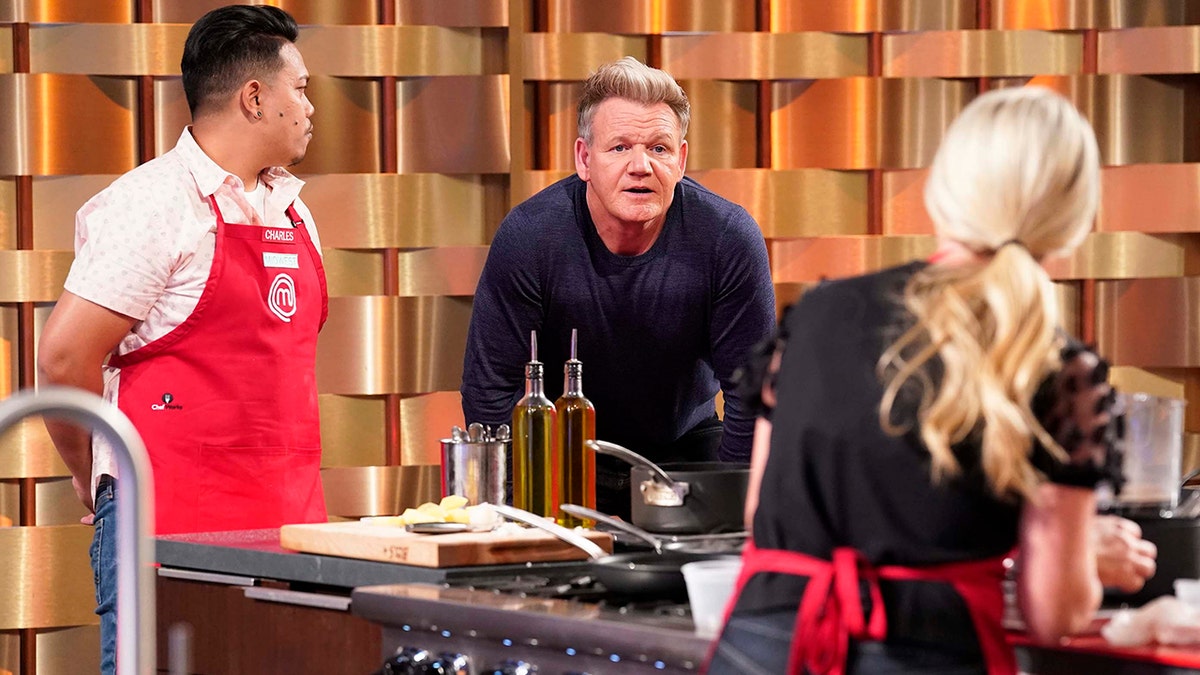
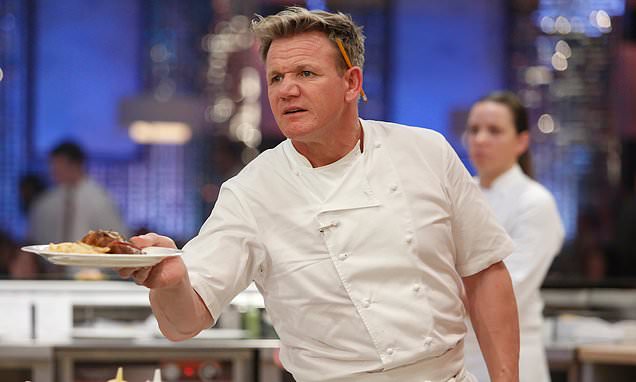
Gordon Ramsay Calls Ozempic Restaurant Menus ‘Absolute Bulls—‘ in Profanity-Filled Rant
Gordon Ramsay Slams Ozempic Restaurant Menus: A Bold Stand Against Appetite-Suppressing Trends
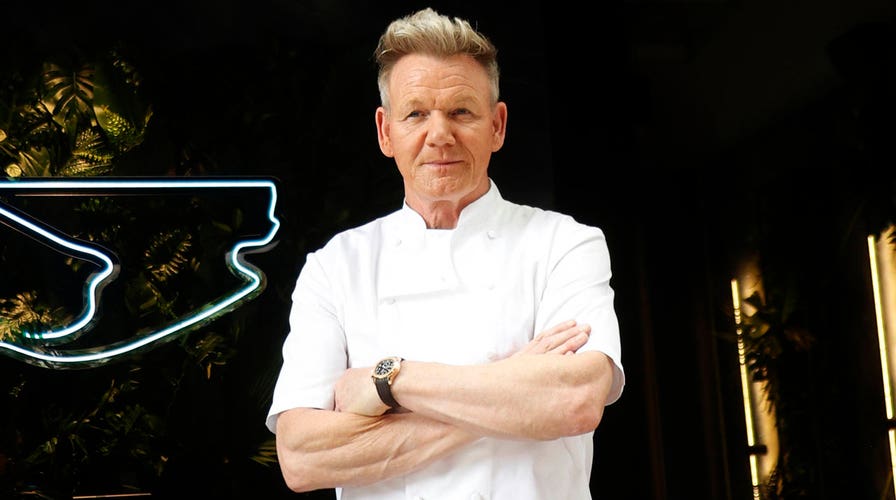
In a recent candid interview, world-renowned chef Gordon Ramsay did not mince words when addressing the growing trend of restaurants adapting their menus for patrons using weight loss drugs like Ozempic and Mounjaro. These medications, originally designed for managing Type 2 diabetes, have gained popularity for their appetite-suppressing effects, leading some eateries to offer reduced portion or specialized menus to accommodate these customers.
However, Ramsay, known for his fiery personality and unfiltered opinions, dismissed the idea of creating Ozempic restaurant menus as “absolute bulls—.” The 59-year-old culinary icon expressed his frustration with the notion that restaurants should alter their offerings to suit those relying on GLP-1 receptor agonists to curb hunger.
During the interview, Ramsay stated, “There’s no f—ing way we’re giving in to the Mounjaro jab … The problem is with them [the diners] for eating too much in the first f—ing place!” His blunt remarks highlight his belief that personal responsibility should take precedence over modifying dining experiences to accommodate pharmaceutical appetite suppression.
The Rise of Ozempic and Mounjaro: How Weight Loss Drugs Are Influencing Dining Culture
Ozempic and Mounjaro belong to a class of drugs known as GLP-1 receptor agonists. These medications mimic hormones that regulate appetite and blood sugar levels, effectively reducing hunger, slowing digestion, and promoting a feeling of fullness. While their primary use is to treat Type 2 diabetes, their significant weight loss side effects have made them popular among individuals seeking to shed pounds.
This surge in usage has prompted some innovative chefs and restaurants to rethink their menus. For example, Heston Blumenthal’s acclaimed U.K. restaurant, The Fat Duck, introduced “The Mindful Experience,” a tasting menu with smaller portions designed specifically for diners on these medications.
Despite such adaptations, Ramsay’s reaction underscores a divide within the culinary world. He firmly rejects the idea of offering Ozempic restaurant menus, emphasizing that dining should not be compromised to cater to the effects of weight loss drugs.
Ramsay’s Broader Critique: Influencer Culture and Dining Etiquette

Beyond his stance on Ozempic menus, Ramsay also voiced concerns about how modern social media culture is affecting the restaurant experience. He criticized the prevalence of diners using their phones excessively during meals, often to capture photos or videos for social media platforms.
“F—ing ring lights and posting about how good the food is,” Ramsay lamented, highlighting how influencer behavior can disrupt the ambiance and enjoyment of other guests. He singled out American diners as particularly guilty of poor phone etiquette, noting, “They’re constantly taking f—ing pictures with their flashlights on.”
While acknowledging that social media can help restaurants gain exposure, Ramsay insists that it should not come at the cost of the overall dining atmosphere. His latest restaurant venture, Bonheur in London’s Mayfair district, is reportedly designed to be mostly influencer-free, aiming to preserve the integrity of the culinary experience.
Conclusion: Gordon Ramsay’s Unapologetic Stand on Ozempic Restaurant Menus

Gordon Ramsay’s outspoken rejection of Ozempic restaurant menus shines a light on the ongoing debate about how the food industry should respond to evolving dietary trends influenced by weight loss medications. His blunt dismissal of these specialized menus as “absolute bulls—” reflects a broader philosophy that dining should remain an authentic experience, not tailored to pharmaceutical appetite suppression.
As the popularity of drugs like Ozempic and Mounjaro continues to rise, restaurants face the challenge of balancing innovation with tradition. Ramsay’s perspective urges both diners and chefs to focus on personal responsibility and the genuine enjoyment of food.
If you’re passionate about culinary culture and want to stay updated on the latest trends and chef insights, be sure to subscribe to our newsletter for more exclusive content and expert opinions.