SNL is slammed for allowing cold opening act to joke about rape, incest and pedophilia: ‘This is offensive’
Saturday Night Live (SNL), the iconic late-night sketch comedy show, has once again found itself at the center of controversy. This time, the uproar stems from a cold opening act that made jokes about extremely sensitive topics such as rape, incest, and pedophilia. The segment, featuring comedian Nikki Glaser, sparked widespread outrage among viewers and critics alike, who condemned the content as offensive and inappropriate for mainstream television.
The backlash highlights ongoing debates about the limits of comedy, especially when it touches on subjects that many consider taboo or deeply traumatic. This article explores the details of the incident, the public’s reaction, and the broader implications for comedy and entertainment.
Public Outcry Over SNL’s Cold Opening Jokes on Rape, Incest, and Pedophilia
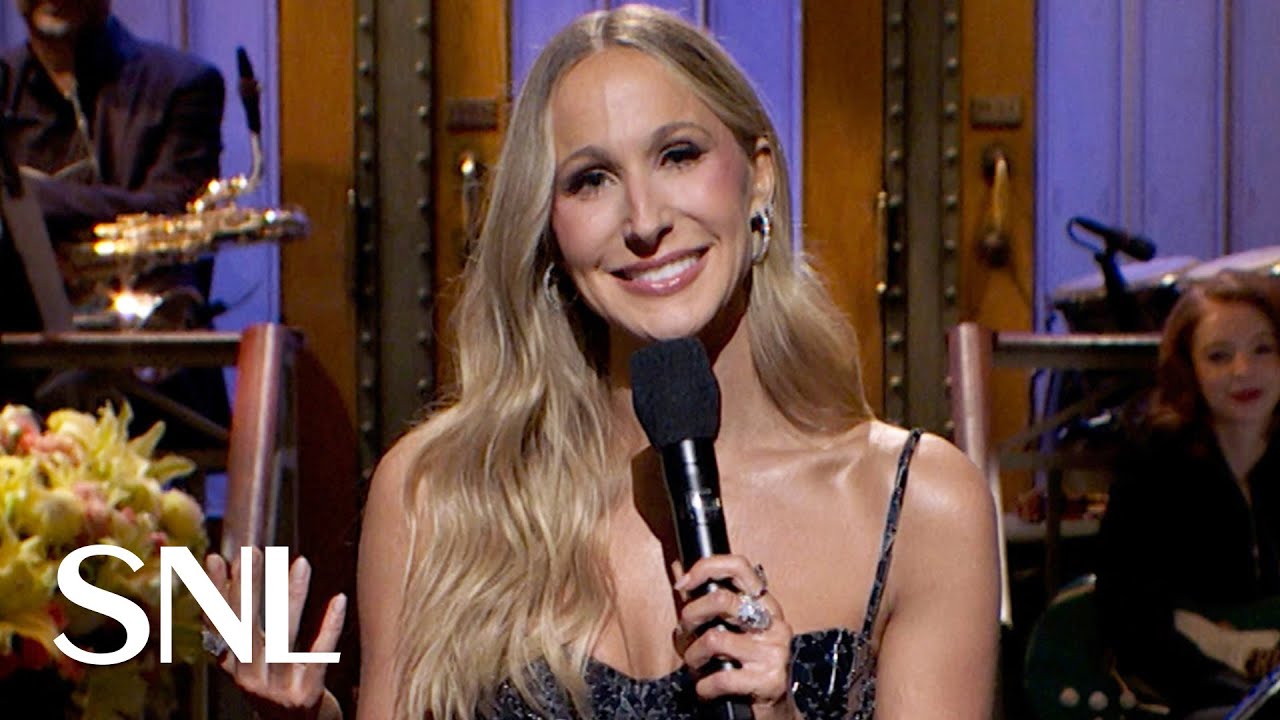
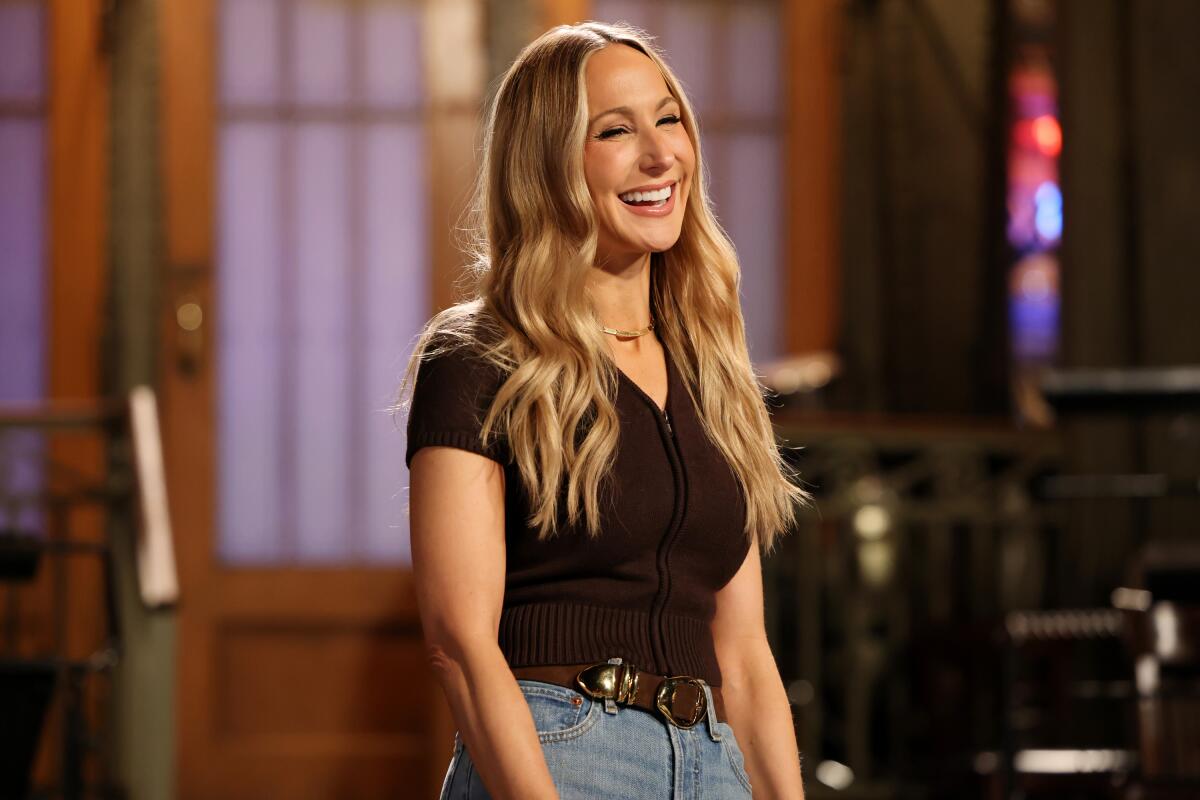
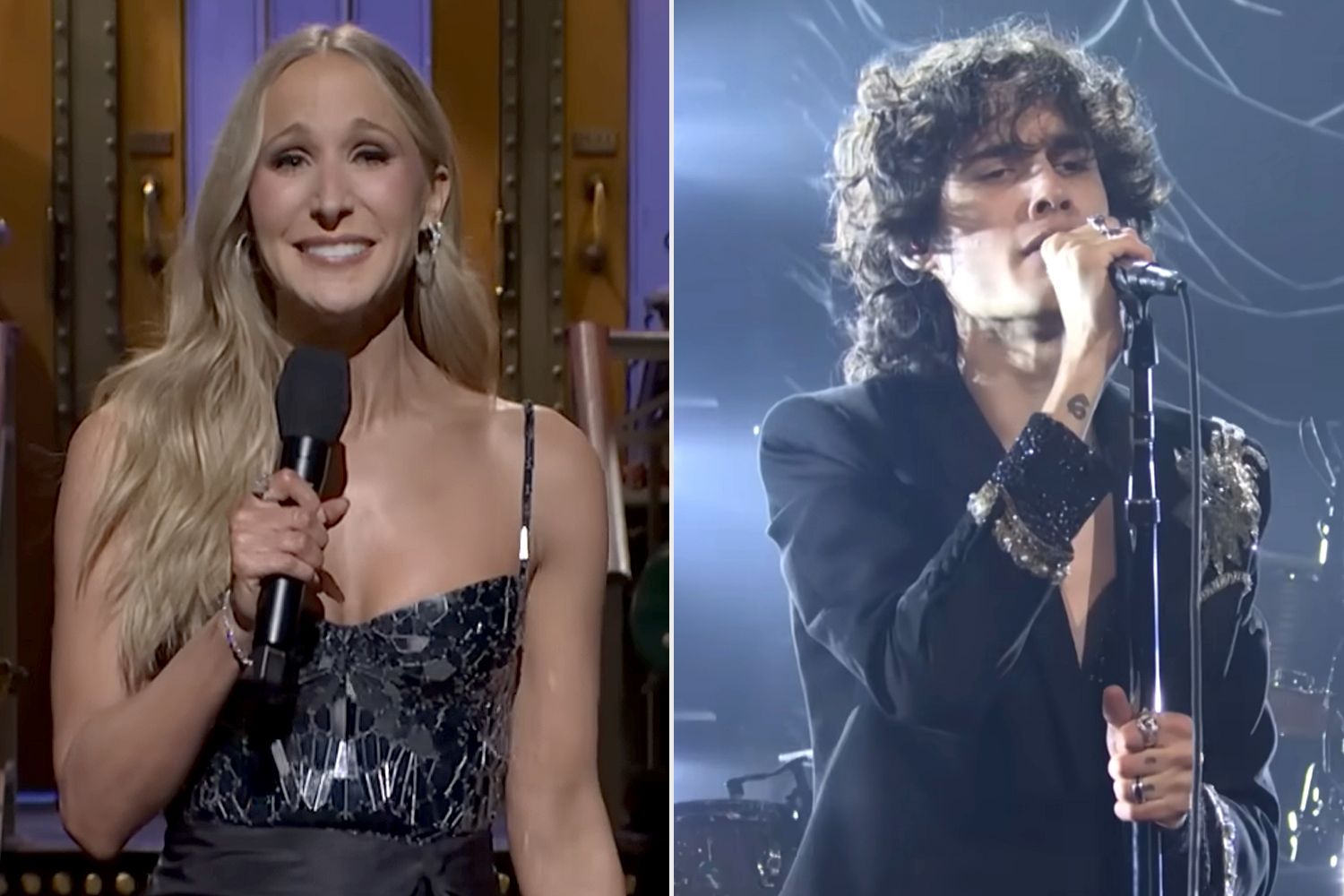
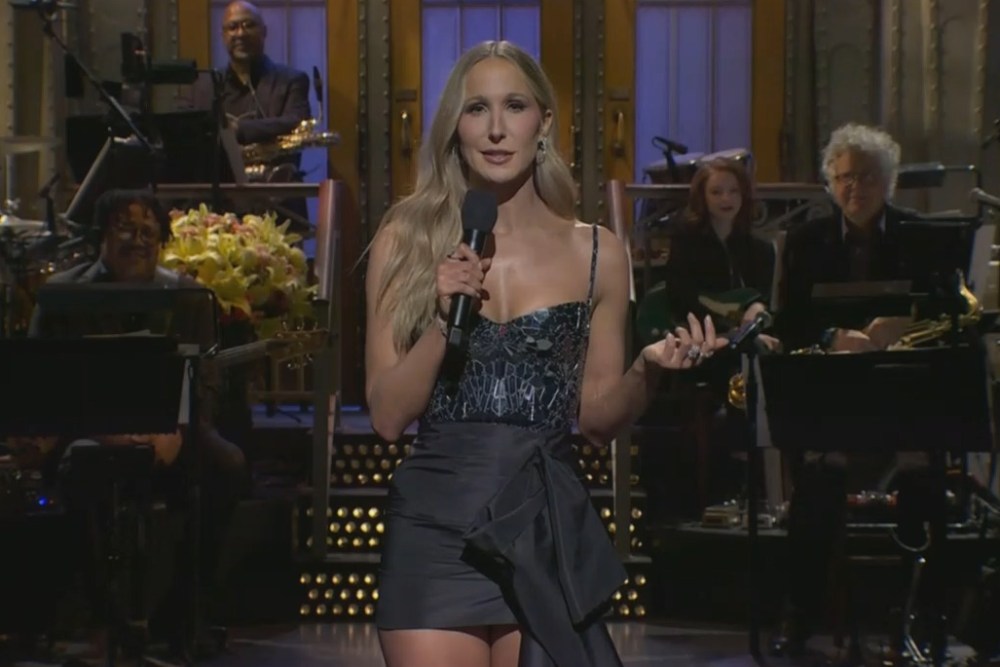
The cold opening of the recent SNL episode featured Nikki Glaser delivering a monologue filled with dark humor that referenced rape, incest, pedophilia, and sex trafficking. Known for her edgy and raunchy comedic style, Glaser’s jokes quickly drew criticism for crossing a line that many viewers felt should not be crossed, especially on a widely viewed network show.
One of the most controversial moments was Glaser’s comparison of New York City to “Jeffrey Epstein’s original island,” a reference to the convicted sex offender’s notorious private island linked to sex trafficking allegations. While some viewers found this comment distasteful but somewhat understandable within the context of satire, the subsequent jokes intensified the backlash.
Glaser went on to joke about the signs in women’s restrooms warning about human trafficking, contrasting them with men’s restrooms, where she joked there were no such warnings. She quipped, “Maybe like: ‘Want a slave? Text TRAFFIC to 6969,’” a line that many found not only offensive but trivializing the severity of human trafficking and sexual abuse.
The comedian also remarked that while her younger friends feared being trafficked, she herself only feared “good old-fashioned rape” in her 20s. This statement, delivered with a smirk, was met with uncomfortable silence and some hesitant laughter from the live audience, but it ignited a firestorm on social media.
Why Viewers Found the Jokes Offensive and Problematic
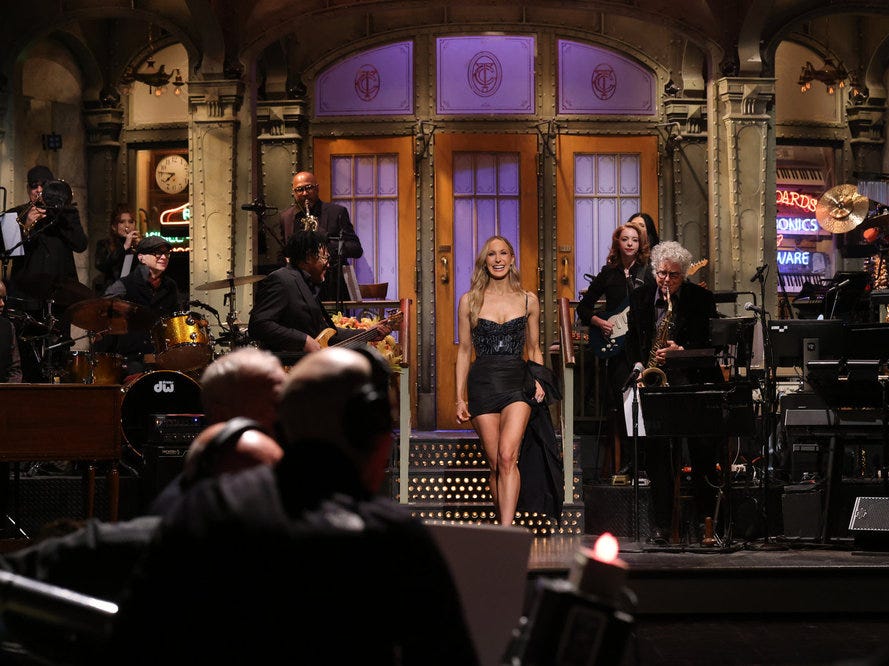
The reaction to the cold opening was swift and overwhelmingly negative. Many viewers took to social media platforms to express their disgust, calling the jokes “insensitive,” “tone-deaf,” and “harmful.” Critics argued that making light of rape, incest, and pedophilia perpetuates a culture that minimizes the trauma experienced by survivors of these crimes.
Several advocacy groups and survivors of sexual violence also voiced their disappointment, emphasizing that comedy should not come at the expense of marginalized or vulnerable individuals. They stressed the importance of responsible humor that raises awareness without normalizing or trivializing serious issues.
Moreover, some viewers questioned SNL’s editorial judgment in allowing such material to air, especially during a time when conversations about sexual violence and consent are more prominent than ever. The controversy has reignited discussions about the responsibility of comedians and producers to balance edgy humor with social sensitivity.
The Role of Comedy in Addressing Difficult Topics
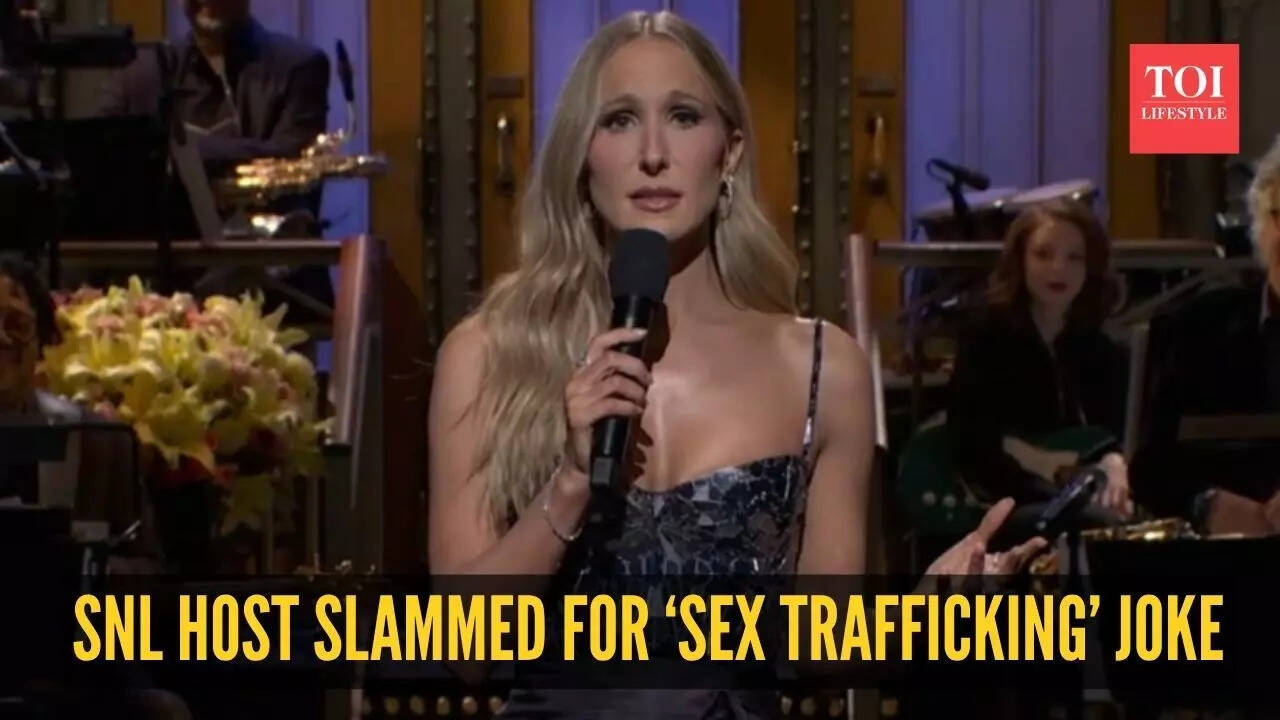
Comedy has long been a tool for addressing uncomfortable or taboo subjects, often pushing boundaries to provoke thought and challenge societal norms. However, the line between edgy humor and offensive content is subjective and constantly evolving.
Some defenders of the cold opening argue that comedians like Nikki Glaser use shock value to highlight uncomfortable truths and that censorship could stifle important conversations. They claim that humor can be a coping mechanism and a way to bring attention to issues that are otherwise ignored.
On the other hand, critics maintain that certain topics, especially those involving trauma and abuse, require a more nuanced approach. They argue that jokes about rape, incest, and pedophilia risk normalizing these acts or alienating survivors, which can cause real harm.
The SNL controversy underscores the ongoing tension between freedom of expression and social responsibility in comedy. It raises important questions about how entertainment platforms should navigate sensitive content while respecting diverse audience perspectives.
Conclusion
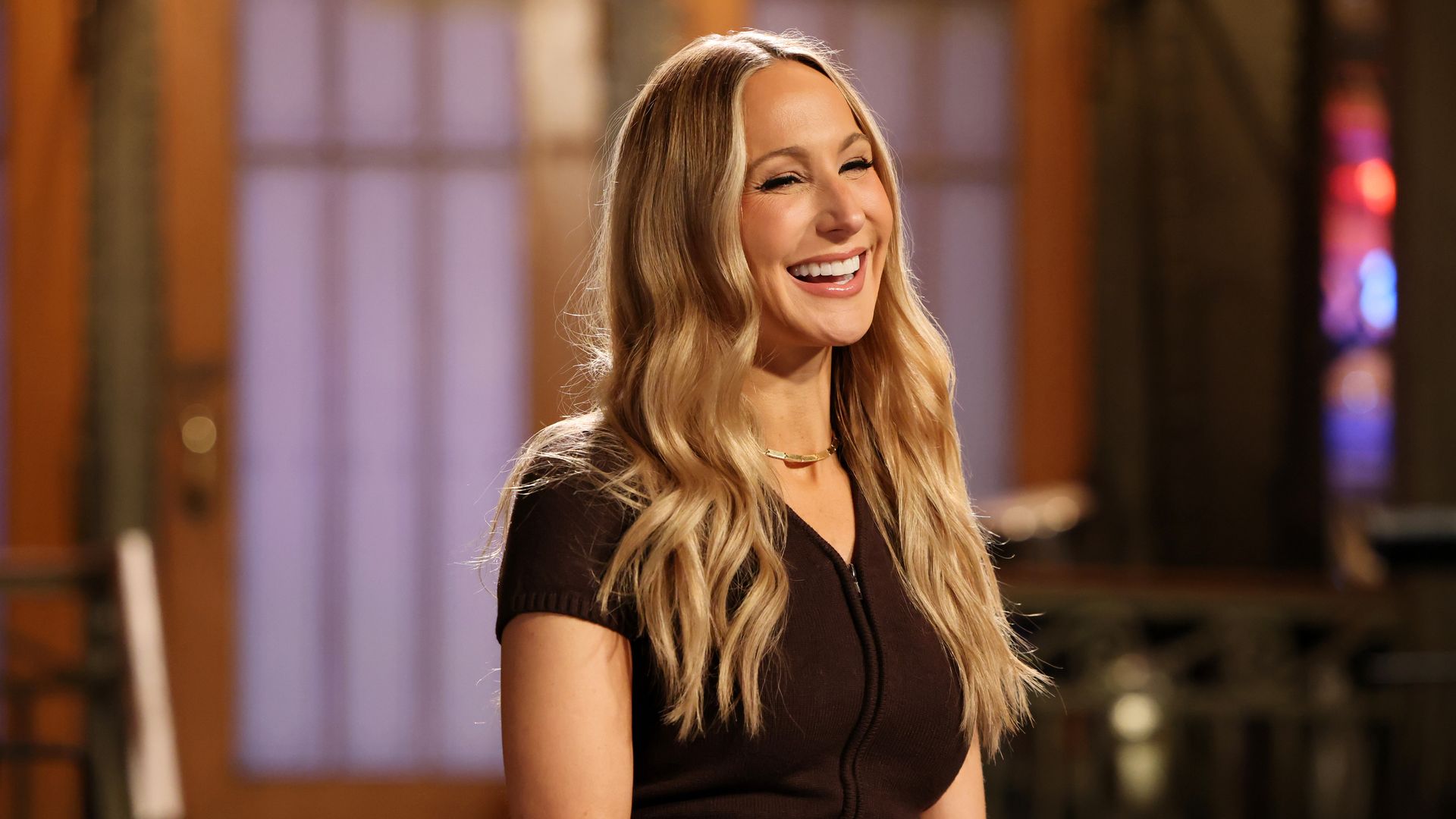
Saturday Night Live’s decision to include jokes about rape, incest, and pedophilia in its cold opening has sparked significant backlash, highlighting the challenges comedians face when tackling sensitive subjects. While comedy can be a powerful tool for social commentary, it also carries the responsibility to avoid causing harm or offense to vulnerable groups.
As viewers and creators continue to debate the boundaries of humor, it is crucial to foster conversations that promote empathy and understanding. If you have strong opinions about this controversy or want to share your thoughts on comedy and social responsibility, join the discussion in the comments below or on social media. Your voice matters in shaping the future of entertainment.