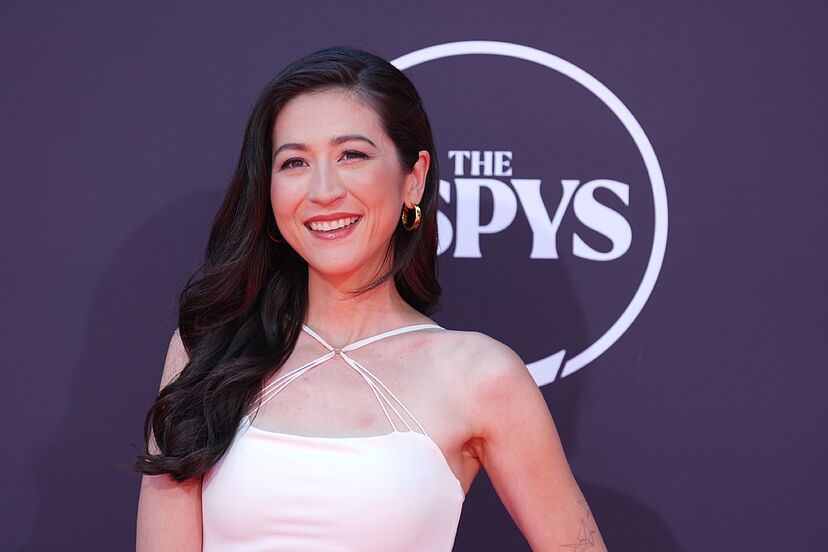
ESPN’s Mina Kimes is Embarrassed by Her Latest Move and Apologizes: “A Colossal F-k-up on My Part”
Mina Kimes Issues a Public Apology Over Papaya Gaming Promotion
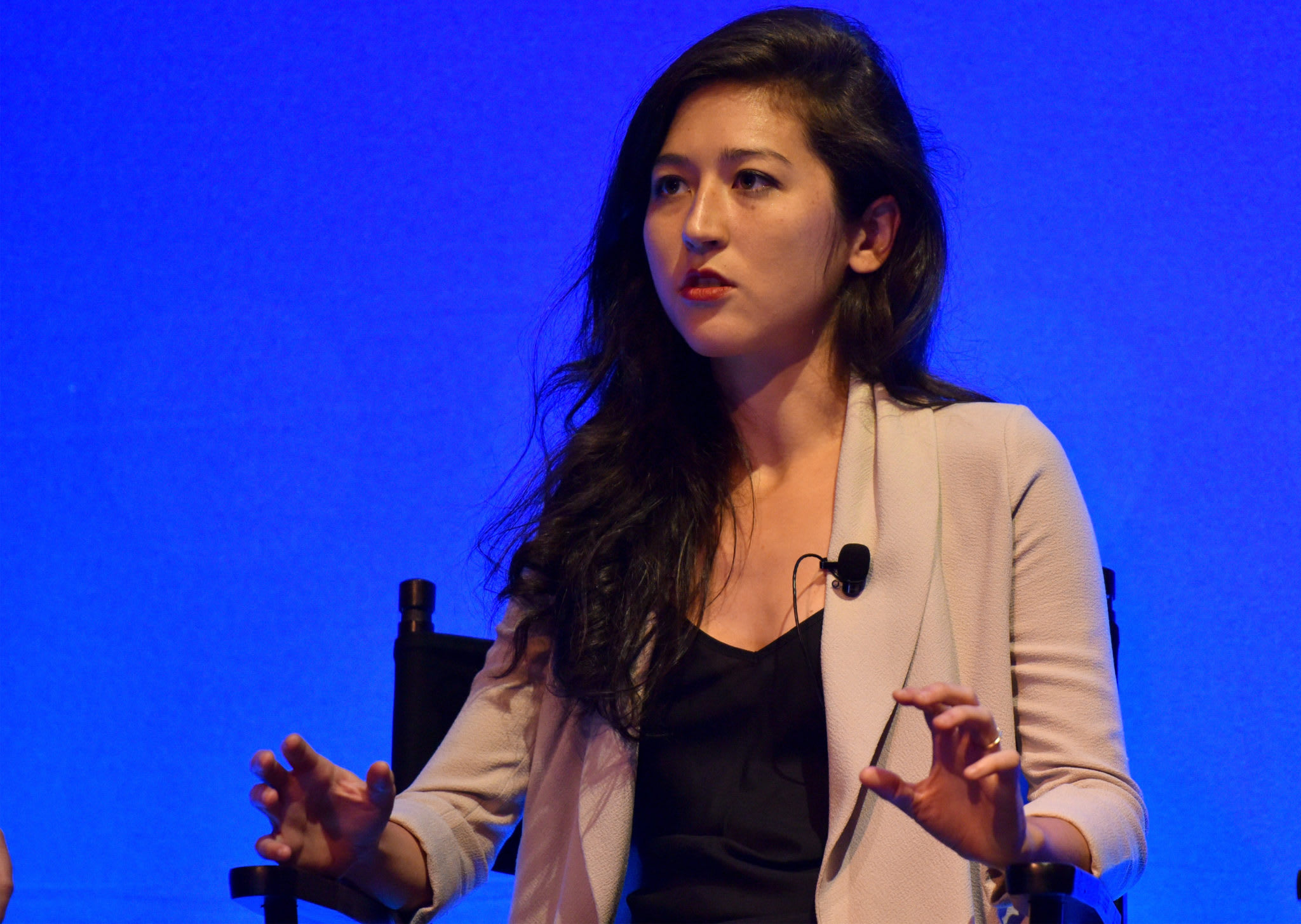
In a surprising turn of events, ESPN analyst Mina Kimes has openly expressed regret after endorsing Papaya Gaming’s controversial card game, Solitaire Cash. The game, promoted as a “game of skill,” recently became the center of a lawsuit alleging fraudulent practices, including the use of unbeatable bots designed to cheat players out of real money. Kimes admitted she failed to thoroughly investigate the sponsorship deal and described her involvement as a “colossal f-k-up.”
This admission came amidst growing backlash against Papaya Gaming, a company that has been under scrutiny for deceptive marketing tactics. Kimes’s apology highlights the importance of due diligence when sports personalities engage in promotional activities, especially those involving financial transactions or gambling-related products.
The Background: Papaya Gaming and the Solitaire Cash Controversy
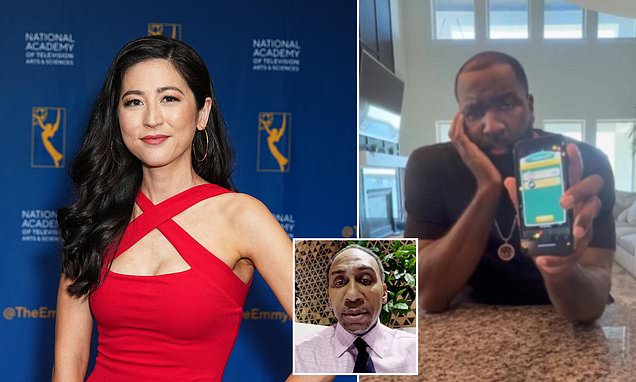
Papaya Gaming, the company behind Solitaire Cash, has faced serious allegations that have shaken the online gaming community and sports media alike. The lawsuit claims that the game was rigged with bots that made it impossible for real players to win, contradicting the company’s claims that the game was “totally fair and skill-based.” This revelation has sparked outrage not only among users but also among the sports personalities who endorsed the game.
Several ESPN figures, including Stephen A. Smith, Kendrick Perkins, and Dan Orlovsky, publicly promoted Solitaire Cash. However, unlike Smith, who continues to support the partnership, Mina Kimes has distanced herself from the controversy by admitting her mistake and expressing embarrassment over her lack of vetting.
Mina Kimes’s Response and Commitment to Accountability
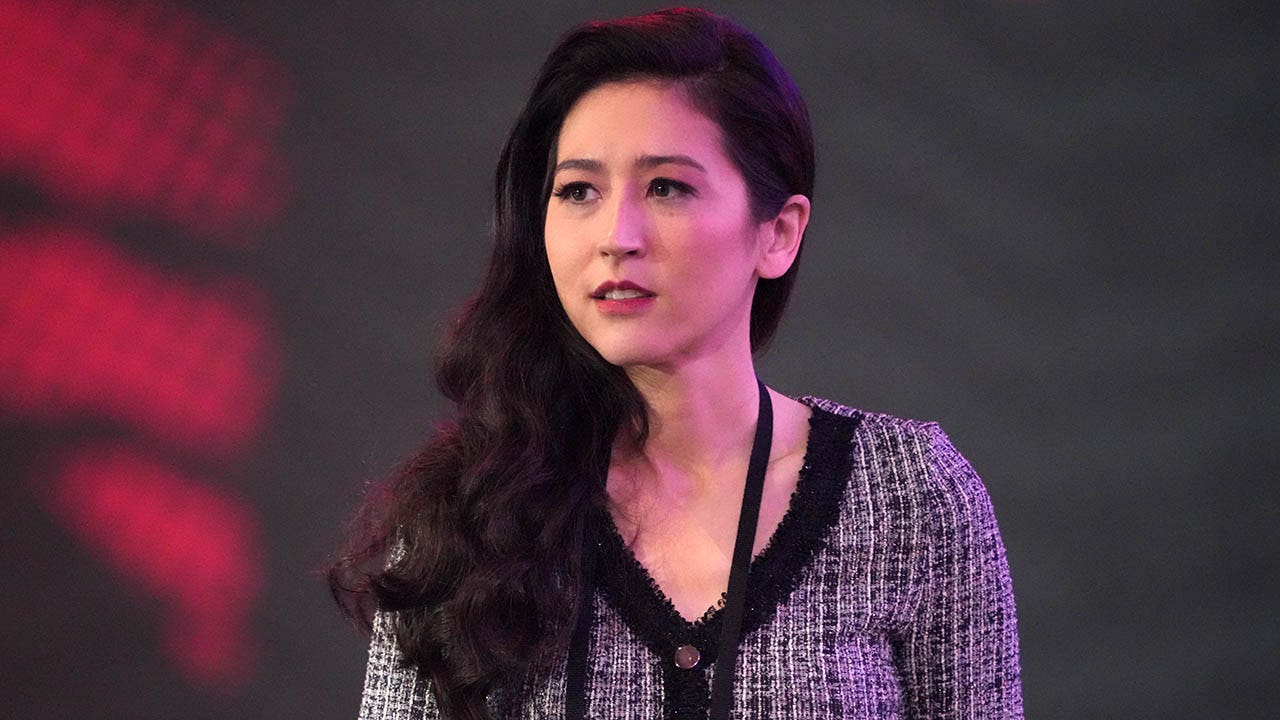
Mina Kimes took to social media platforms such as X (formerly Twitter) and Bluesky to address the situation candidly. She stated, “The truth is: I didn’t spend any time looking into the whole thing and that’s 100% on me.” She acknowledged that she assumed the promotion was a standard marketing campaign and expressed deep embarrassment for not doing her due diligence.
Moreover, Kimes revealed that she has not yet received any payment for the sponsorship and indicated her willingness to forgo any earnings from the deal. “If I do get paid, I’m certainly giving it away,” she said, demonstrating a commitment to ethical responsibility.
This level of transparency and accountability is rare in the world of sports endorsements, where many personalities often avoid public acknowledgment of mistakes. Kimes’s apology serves as a cautionary tale for other influencers and analysts who might be tempted to promote products without fully understanding their legitimacy.
Stephen A. Smith’s Contrasting Stance on the Papaya Gaming Partnership
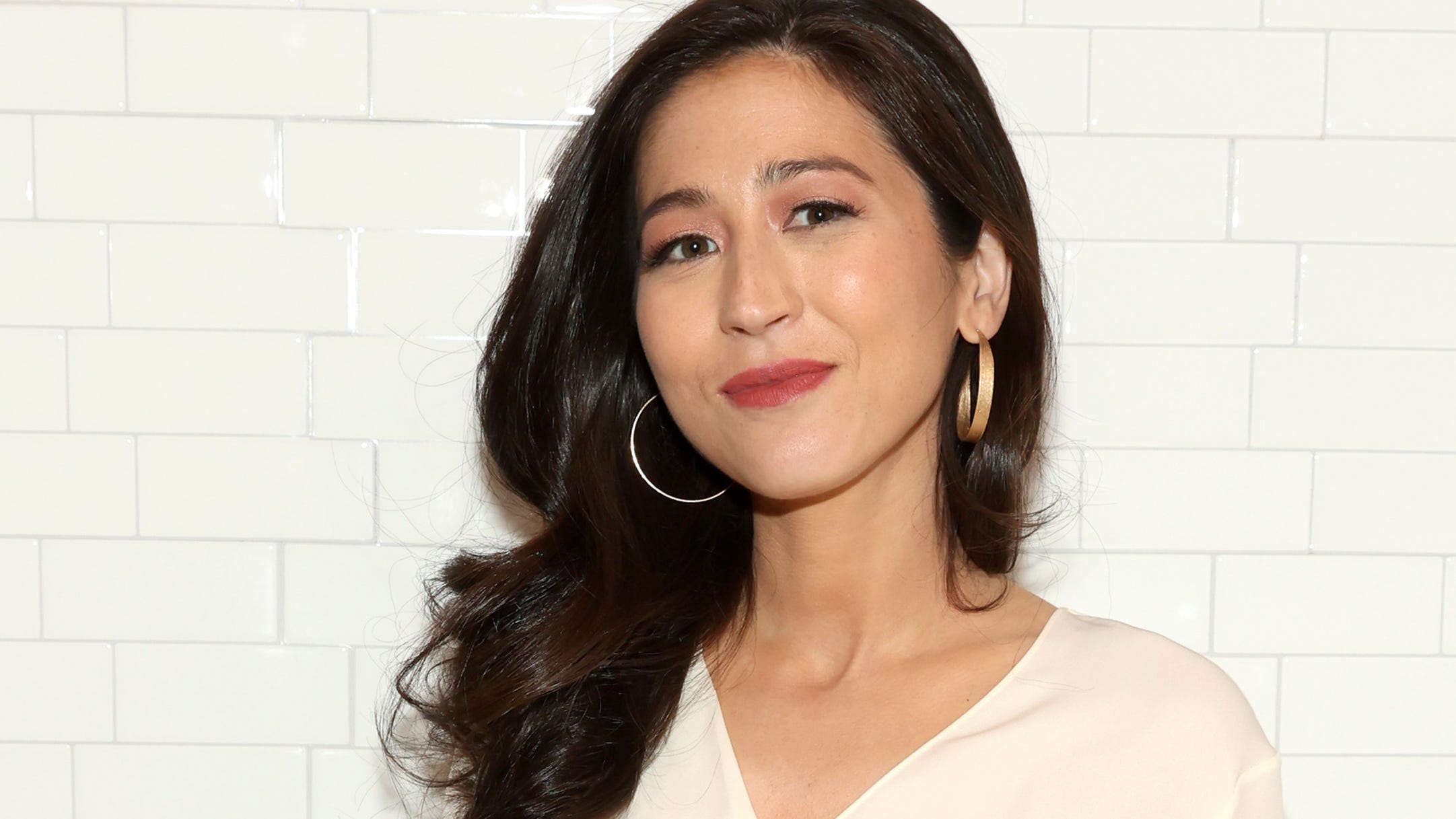
While Mina Kimes has taken a step back, Stephen A. Smith remains steadfast in his association with Papaya Gaming. Despite the lawsuit and public outcry, Smith has not only refused to distance himself but has also embraced the controversy. Shortly after the partnership announcement, he posted an AI-generated video on social media that humorously referenced his own past NBA Finals solitaire incident, seemingly using the scandal to fuel his personal brand.
This contrasting approach between Smith and Kimes highlights differing strategies among sports media personalities when faced with reputational risks linked to sponsorships. Smith’s decision to double down on the partnership may appeal to some fans who appreciate his boldness, but it also raises questions about the ethical considerations of endorsing potentially fraudulent products.
The Broader Implications for Sports Media Sponsorships
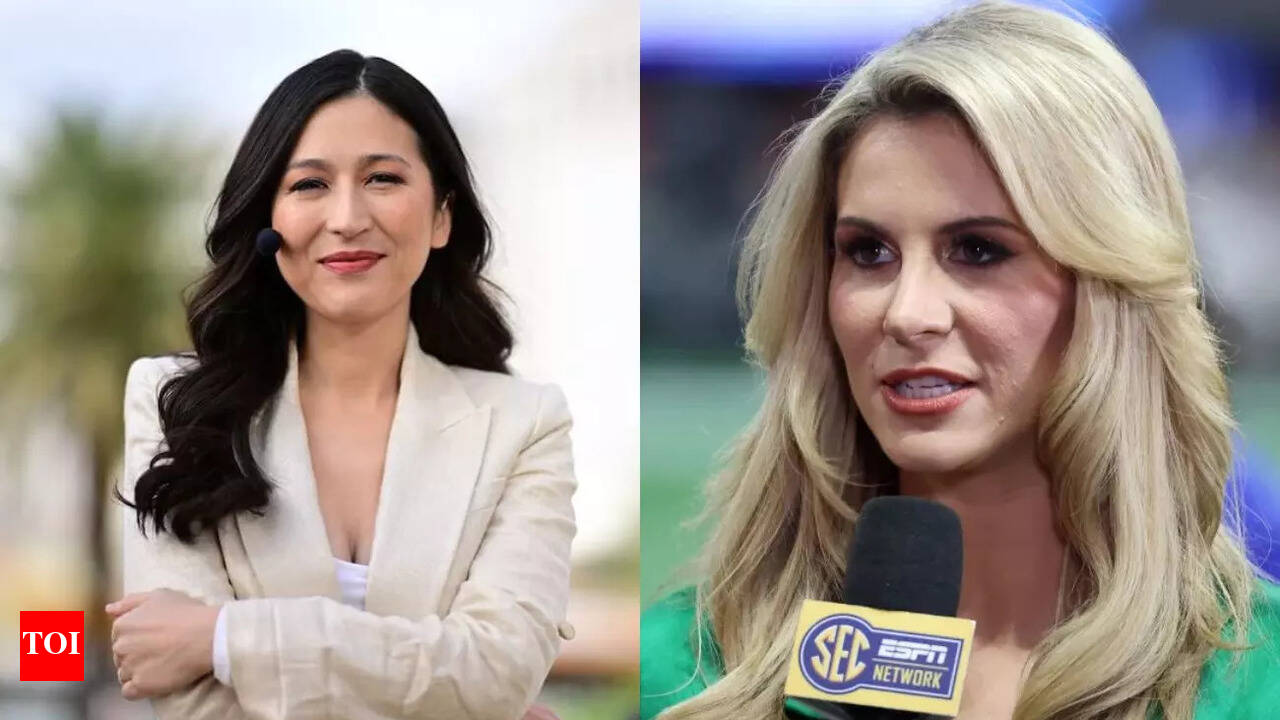
The Papaya Gaming controversy underscores the risks involved when sports analysts and commentators engage in sponsorships, especially with companies operating in the online gaming and gambling sectors. The fallout from this incident may prompt networks like ESPN to implement stricter vetting processes to protect their talent and maintain credibility.
For sports personalities, the episode serves as a reminder that their endorsements carry significant weight and can impact their reputation. Thorough research and transparency are essential to avoid becoming entangled in scandals that can damage public trust.
Conclusion
Mina Kimes’s public apology over her promotion of Papaya Gaming’s Solitaire Cash is a powerful example of accountability in sports media. By admitting her mistake and committing to ethical responsibility, Kimes sets a standard for how influencers should handle sponsorship controversies. Meanwhile, the ongoing debate around Papaya Gaming’s legitimacy continues to affect ESPN’s on-air talent and their partnerships.
If you want to stay updated on the latest developments in sports media controversies and sponsorship ethics, be sure to follow our blog for in-depth analysis and expert insights. Don’t miss out—subscribe today!