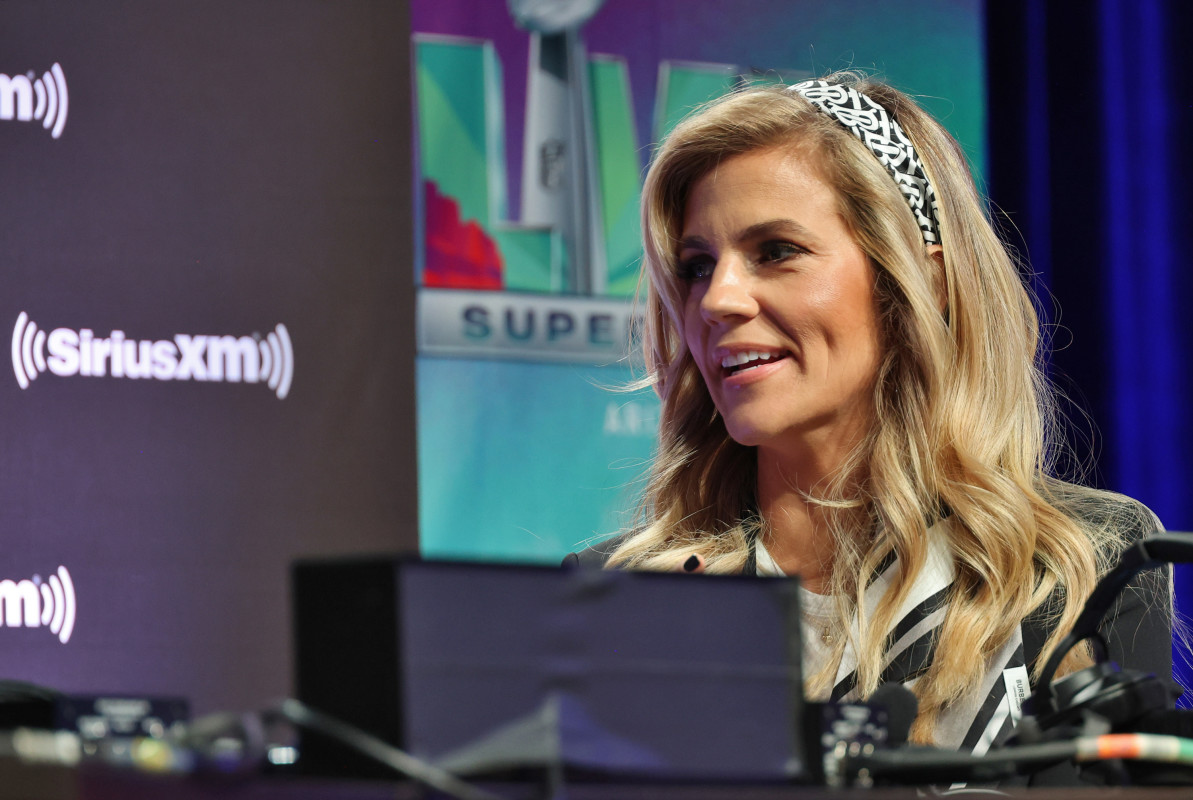
Sam Ponder Has Finally Spoken Out About the Real Reason She Was Forced to Leave ESPN: “The Damage I Caused Was Orchestrated by Them.”
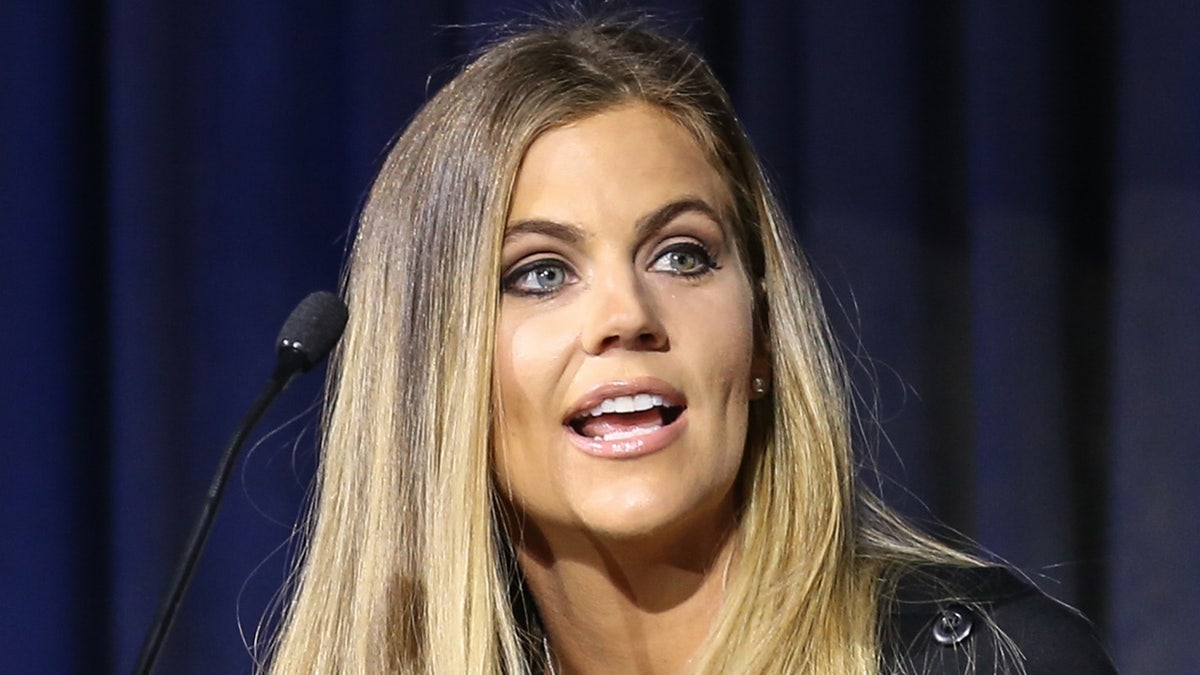
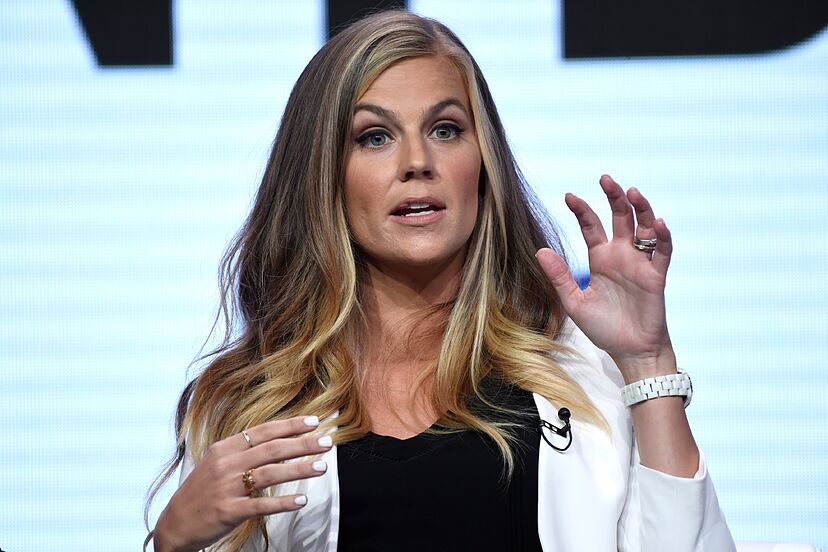
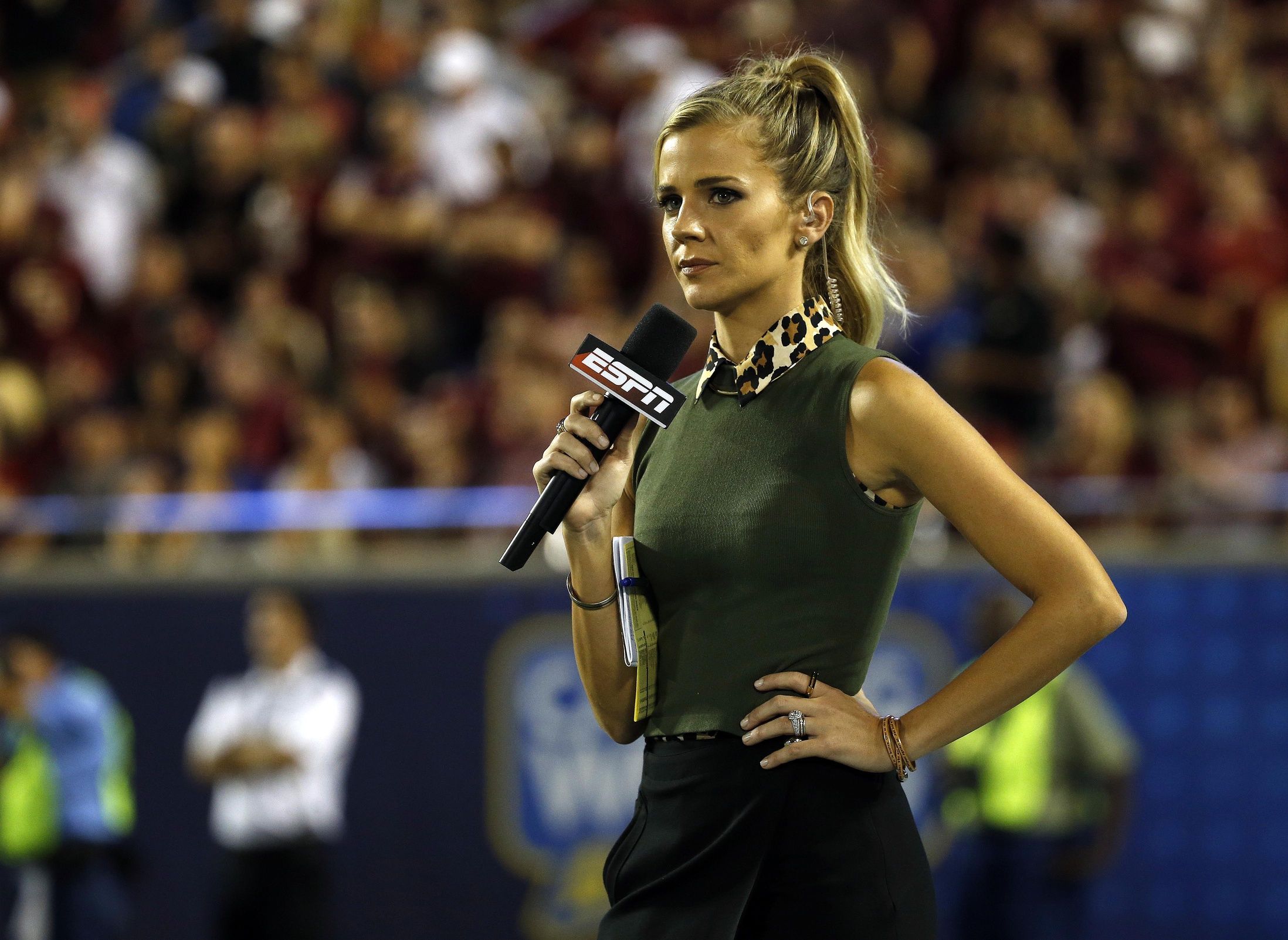
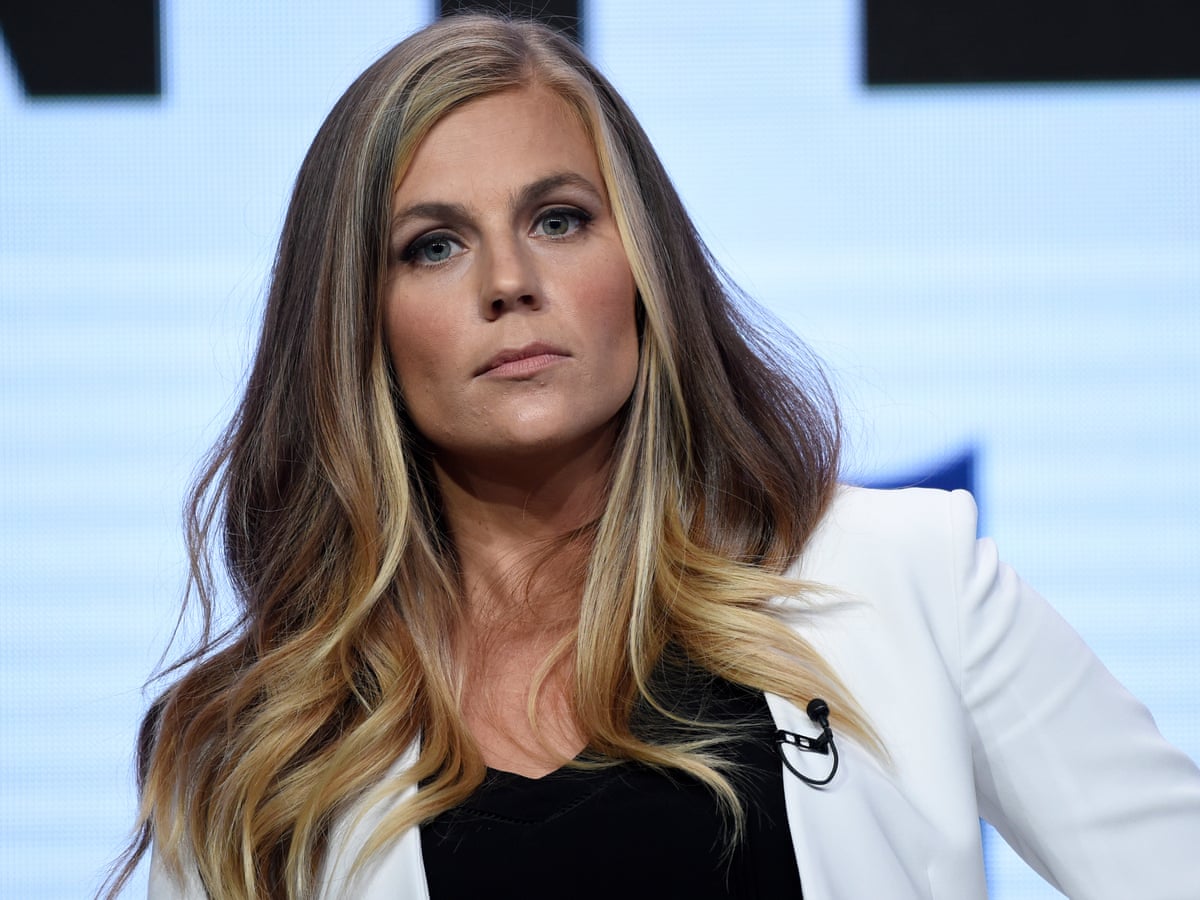
Sam Ponder, a well-known sports broadcaster, has recently broken her silence regarding her unexpected departure from ESPN. For months, fans and industry insiders speculated about the reasons behind her exit, but Ponder has now shared her side of the story. According to her, the damage that led to her leaving the network was not self-inflicted but was instead orchestrated by ESPN itself. This revelation sheds new light on the challenges she faced during her tenure and the dynamics within the sports media giant.
The Real Reason Behind Sam Ponder’s Departure from ESPN
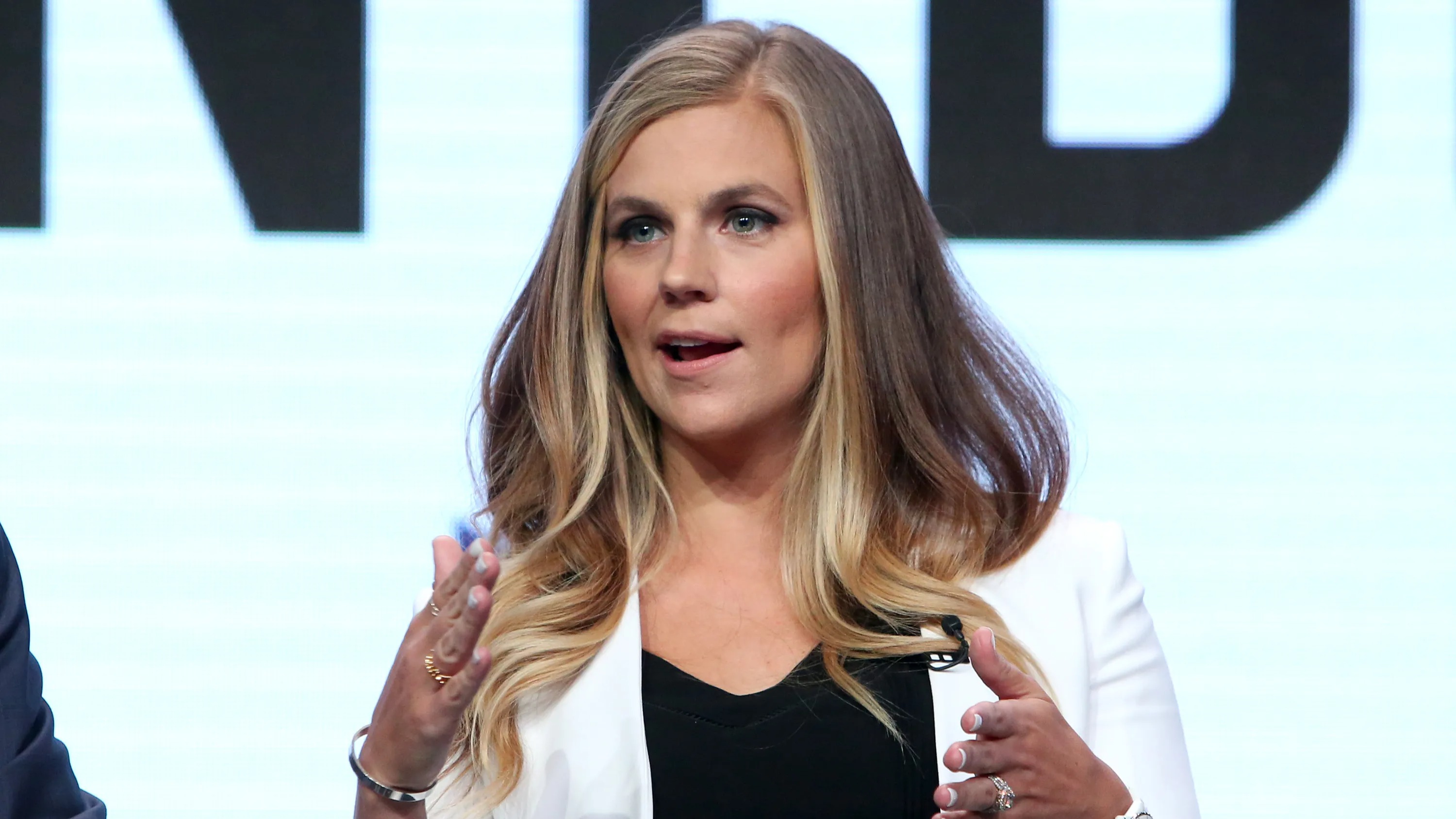
Sam Ponder’s exit from ESPN surprised many, especially given her long-standing career and popularity among viewers. While initial reports suggested that her departure was due to performance issues or contract disagreements, Ponder’s recent statements suggest a more complicated scenario. She claims that the network deliberately created circumstances that undermined her position, leading to what she calls “orchestrated damage.”
In interviews and social media posts, Ponder expressed frustration over how ESPN handled her situation. She indicated that internal politics and decisions made by the network’s management played a significant role in her forced exit. According to her, the narrative that she caused damage was a constructed story used to justify her removal from the on-air lineup.
This perspective challenges the commonly held belief that broadcasters leave networks solely due to personal or professional shortcomings. Instead, it highlights the sometimes harsh realities of working in a competitive media environment where corporate strategies and power plays can impact careers.
What Sam Ponder’s Experience Tells Us About Sports Media Industry Dynamics
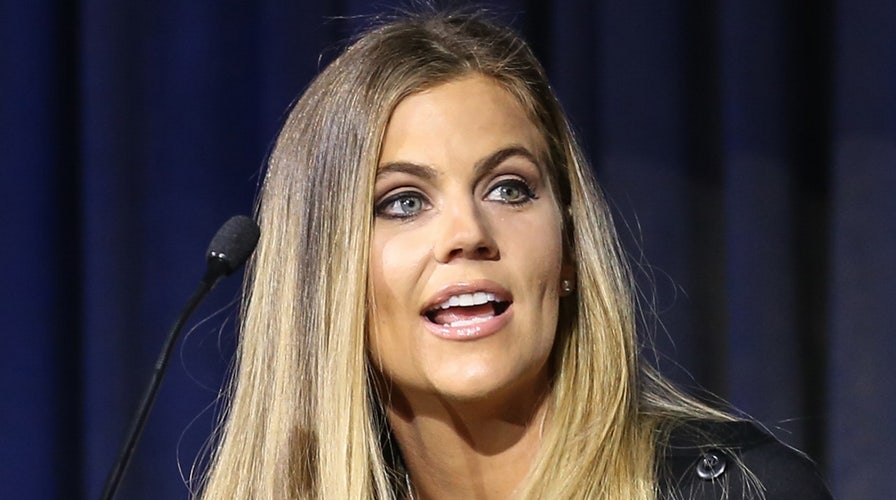
Sam Ponder’s candid remarks about her departure from ESPN offer valuable insight into the inner workings of the sports media industry. Broadcasters often face pressures beyond their control, including shifting network priorities, management decisions, and behind-the-scenes conflicts. Ponder’s case exemplifies how these factors can converge to affect even well-established personalities.
Her experience also raises questions about transparency and fairness in how networks handle talent management. When damage is “orchestrated” rather than accidental, it suggests a deliberate attempt to shape public perception and justify personnel changes. This can have lasting effects on a broadcaster’s reputation and career trajectory.
Moreover, Ponder’s story resonates with many professionals who have encountered similar challenges in various industries. It underscores the importance of resilience and speaking out to reveal the truth behind public narratives.
Sam Ponder’s Future After ESPN
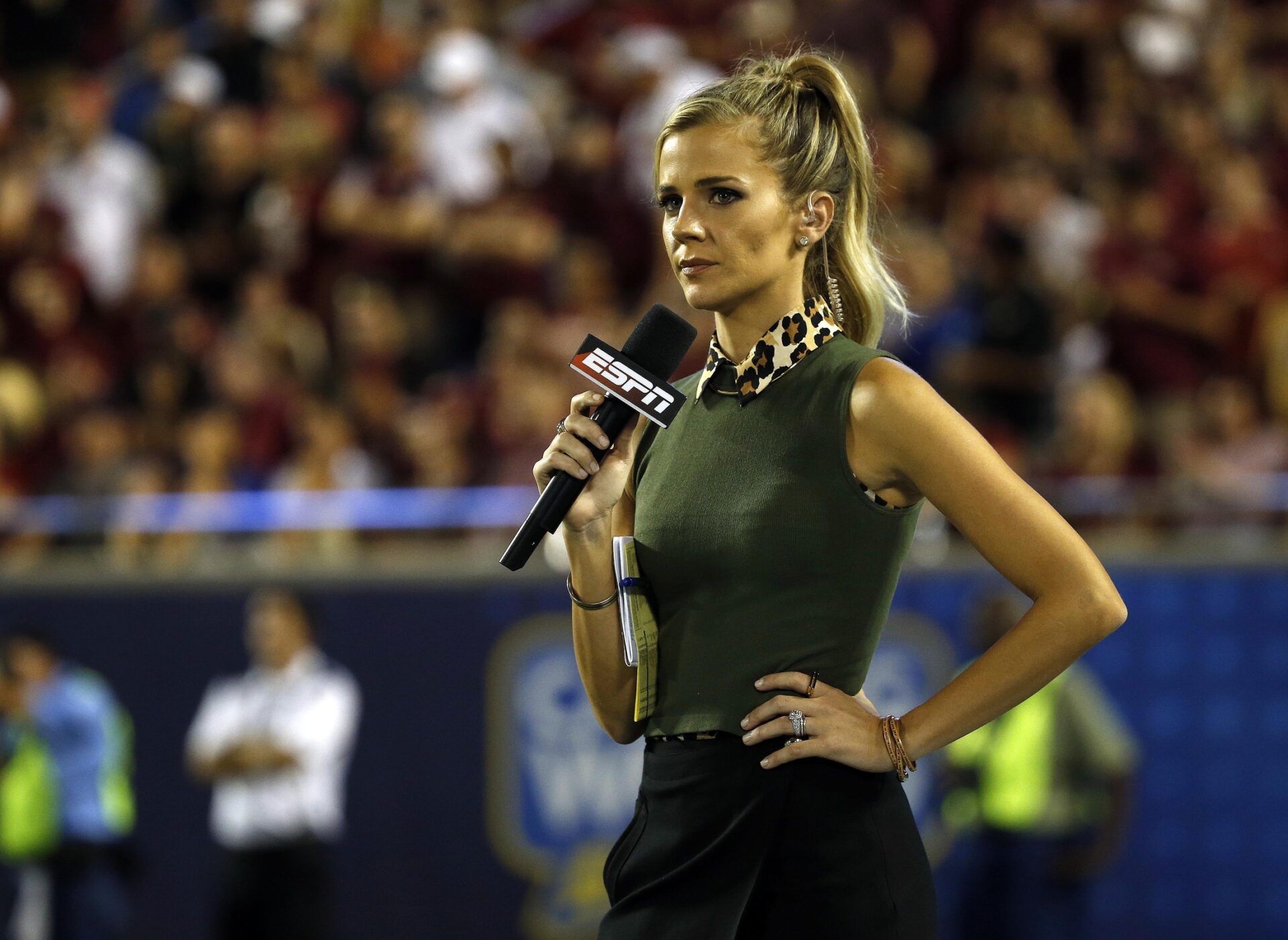
Despite the difficulties surrounding her departure, Sam Ponder remains optimistic about her future. She has expressed gratitude for the support from fans and colleagues and is exploring new opportunities within sports media and beyond. Her willingness to share her story publicly demonstrates courage and a commitment to authenticity.
As the sports broadcasting landscape continues to evolve, Ponder’s experience may serve as a catalyst for conversations about workplace culture, talent treatment, and the need for greater accountability in media organizations. Fans and industry watchers alike will be keen to see where her career heads next.
Conclusion
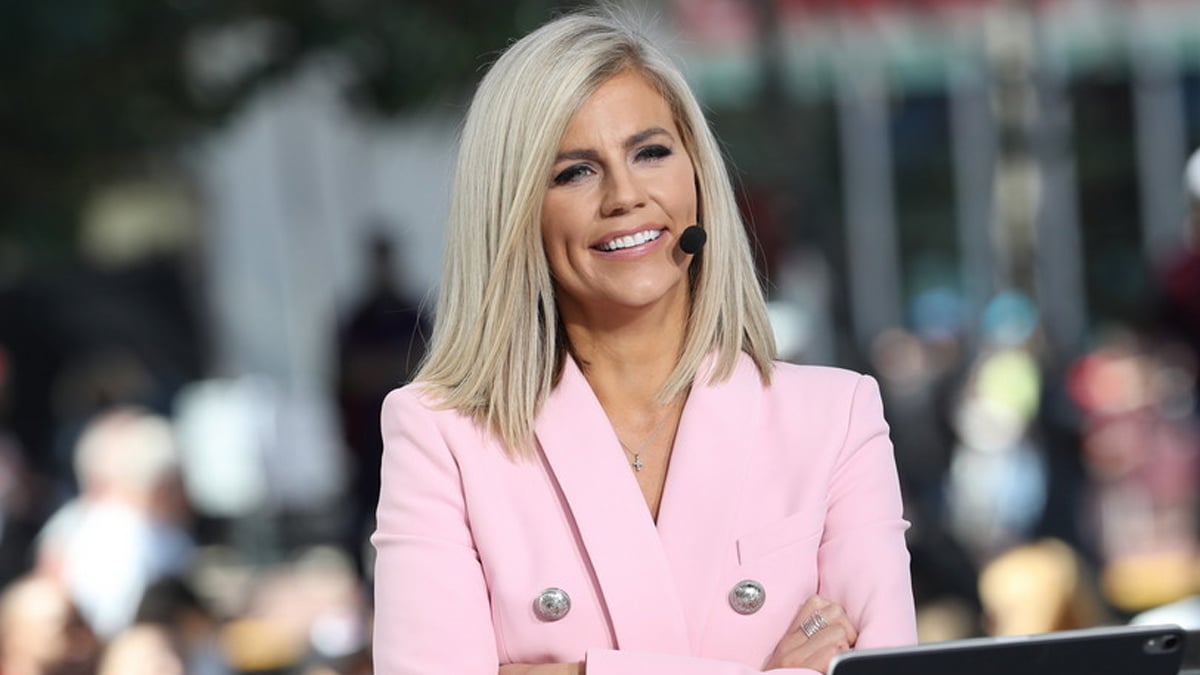
Sam Ponder’s revelation about the real reason she was forced to leave ESPN—claiming the damage was orchestrated by the network—offers a compelling look behind the scenes of sports media. Her story challenges assumptions and highlights the complex dynamics that can influence a broadcaster’s career. If you want to stay updated on Sam Ponder’s journey and other insider sports media news, be sure to follow our coverage and subscribe for the latest updates.