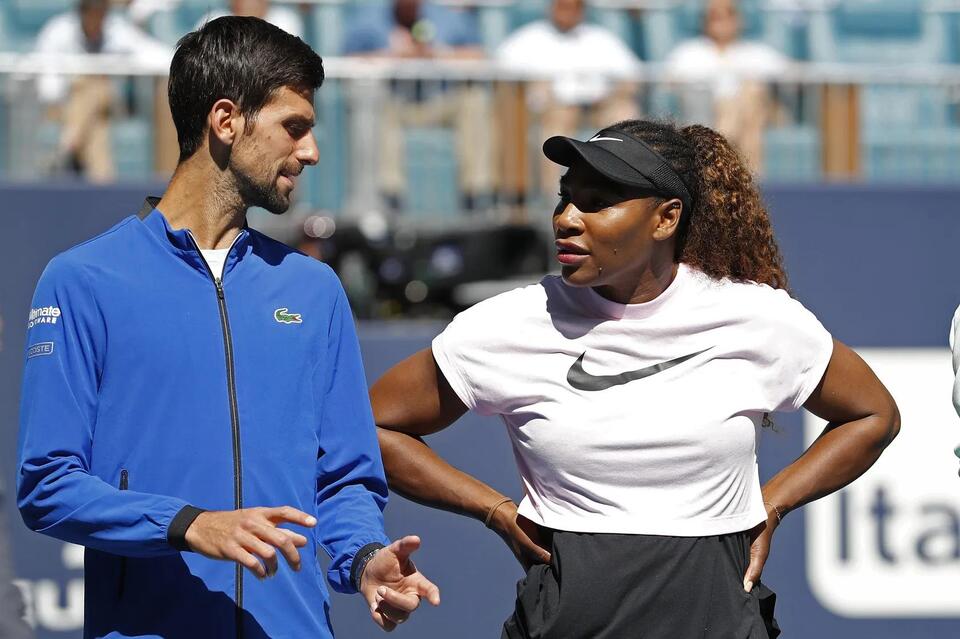
Serena Williams’ Ex-Coach Reacts to Novak Djokovic’s Parenting Decision
Patrick Mouratoglou Praises Novak Djokovic’s Parenting Choice
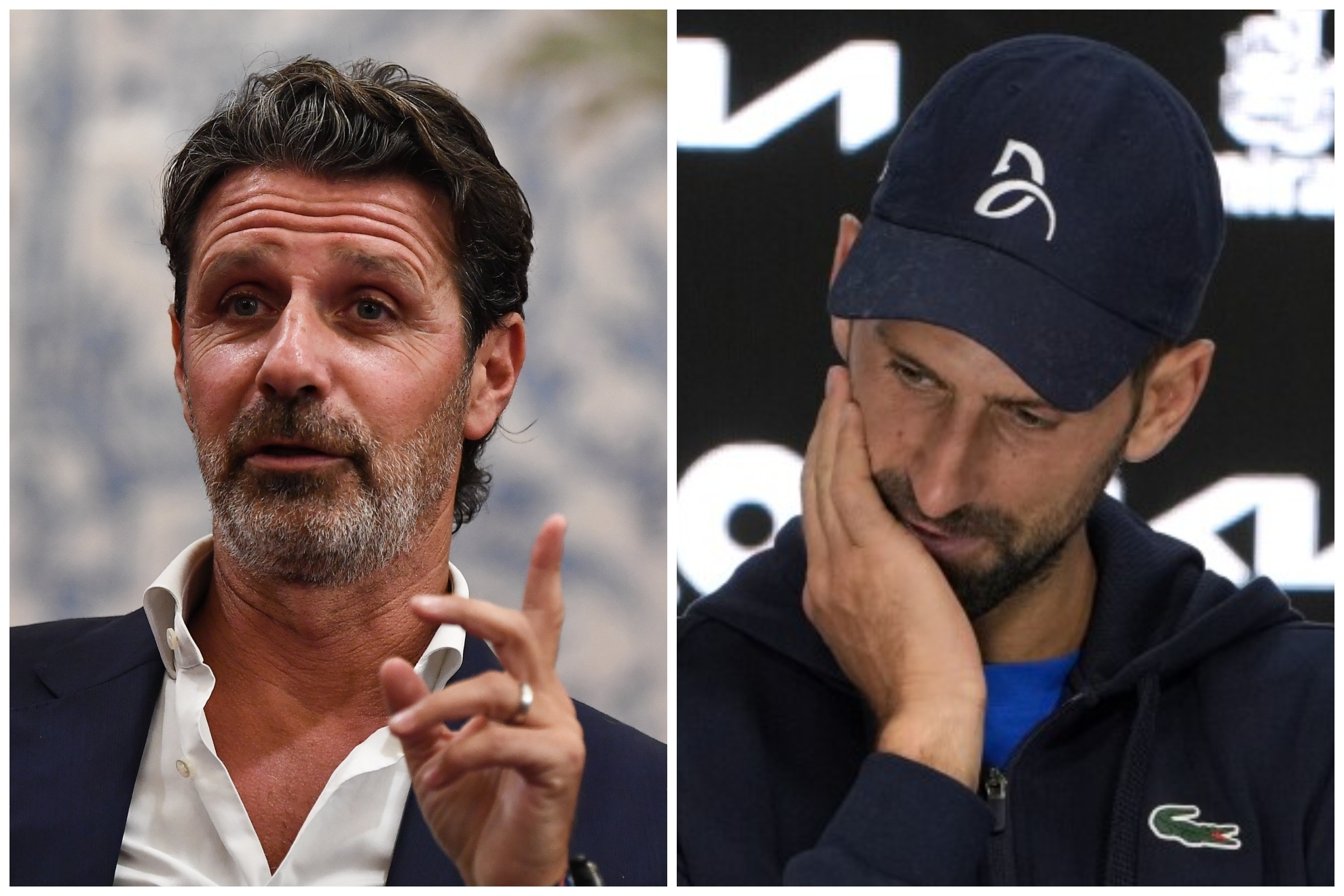
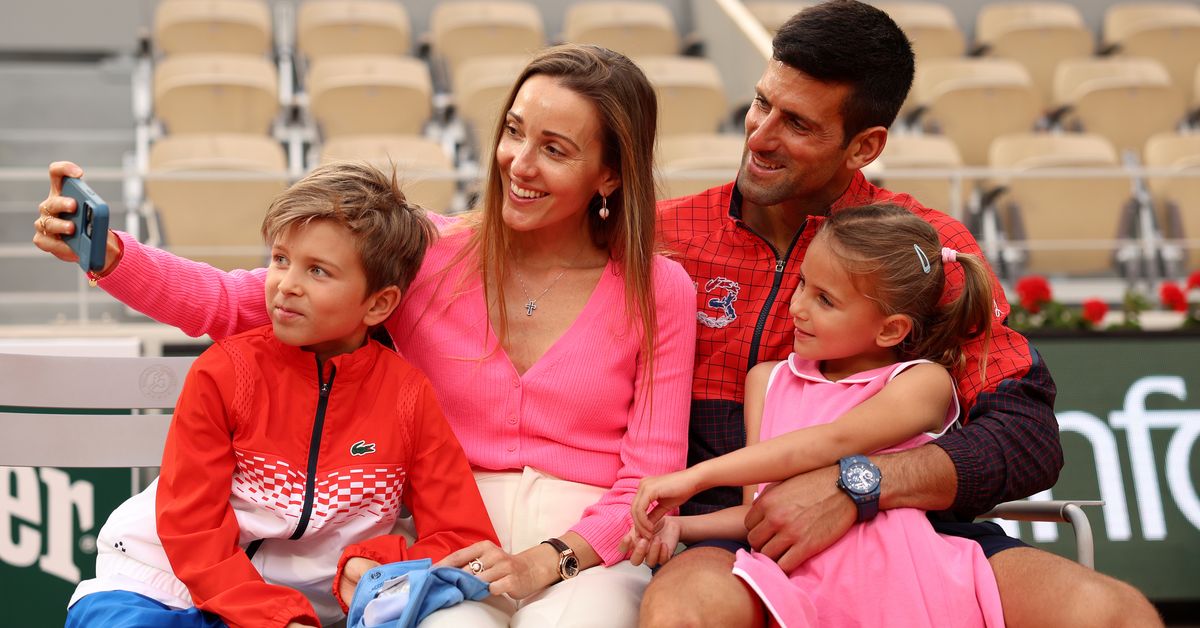
Novak Djokovic recently made headlines by revealing that he will not take on the role of coaching his son, Stefan, despite the young boy’s interest in tennis. In a candid interview with Piers Morgan on ‘Uncensored,’ the 24-time Grand Slam champion explained that he wants to focus solely on being a father rather than blending the roles of parent and coach. This decision has sparked widespread discussion, with many offering their perspectives on the potential benefits and pitfalls of such a choice.
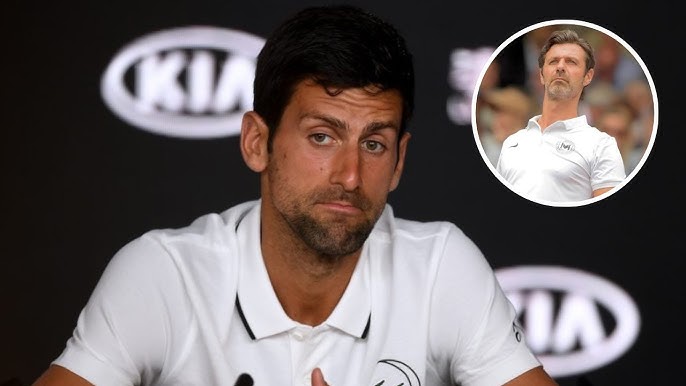
Among those who have publicly commented is Patrick Mouratoglou, the former longtime coach of Serena Williams. Mouratoglou described Djokovic’s decision as “courageous” and expressed strong support for the Serbian star’s approach. Speaking on his Instagram account, Mouratoglou emphasized the emotional complexities involved when parents attempt to coach their children in competitive sports. He warned that combining these roles can sometimes be “dangerous” and might even harm family relationships.
The Risks of Coaching One’s Own Child
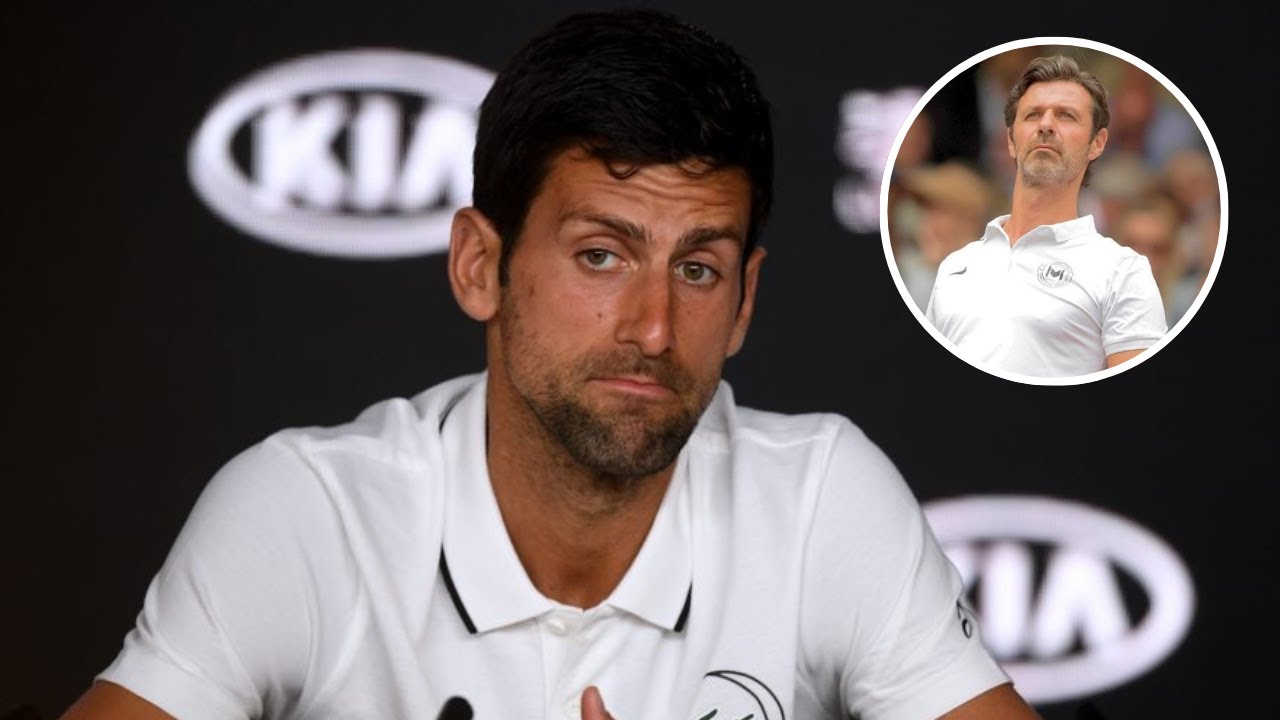
Patrick Mouratoglou’s insights shed light on a delicate balance that many tennis families face. While there are notable success stories of parents coaching their children to professional careers, Mouratoglou cautions that the emotional boundaries between parent and coach can easily blur. He explained that when a parent is also the coach, there is often no emotional distance, which means that negativity and pressure can be shared intensely on both sides. This dynamic, Mouratoglou warns, has the potential to “destroy the relationship.”
Mouratoglou also pointed out that the public often sees only the success stories of tennis prodigies coached by their parents, but the emotional toll behind the scenes is less visible. He believes that Djokovic’s refusal to coach Stefan reflects a deep understanding of these risks and a desire to protect the father-son bond from potential strain.
Prioritizing Parenthood Over Professional Ambitions
Djokovic’s decision to step back from coaching his son highlights a broader philosophy about parenting and sports. The tennis legend has made it clear that Stefan’s happiness and well-being are his top priorities, rather than pushing him toward a tennis career. This mindset has been widely applauded as a rare example of clarity and balance from an elite athlete who understands the pressures of professional sports.
Many commentators have praised Djokovic for not imposing his own ambitions on his son and for allowing Stefan to explore tennis on his own terms. This approach contrasts with the often intense expectations placed on young athletes by their families and coaches.
Patrick Mouratoglou agrees that tennis can be an excellent “school of life” for children, teaching discipline, resilience, and focus. However, he stresses that parents should adopt a supportive role rather than exert pressure. Mouratoglou said, “As a parent, you want your children to find their own path,” underscoring the importance of nurturing a child’s individual interests and happiness above competitive success.
Why Djokovic’s Parenting Decision Resonates in the Tennis World
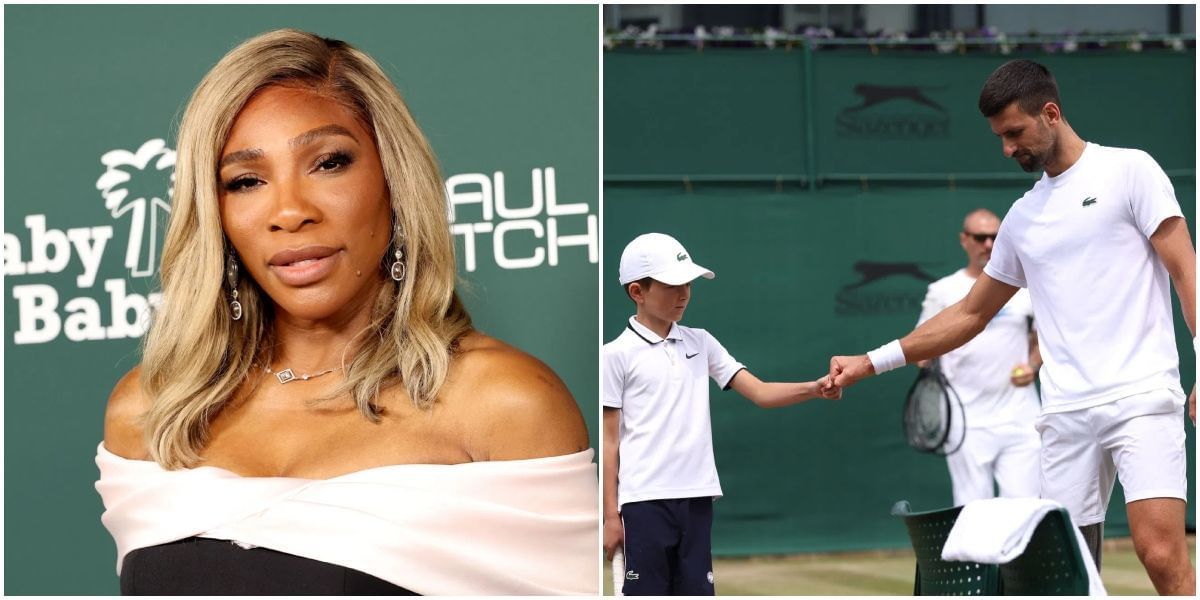
Novak Djokovic’s choice to separate his roles as father and coach is resonating with many in the tennis community and beyond. It challenges the traditional narrative where former champions often become their children’s primary coaches, sometimes at the cost of family harmony.
Patrick Mouratoglou’s endorsement of Djokovic’s approach highlights a growing awareness of the emotional complexities involved in parenting young athletes. By prioritizing the father-son relationship over competitive ambitions, Djokovic sets an example that balances love, support, and respect for a child’s autonomy.
This decision also sparks a broader conversation about the pressures placed on young athletes and the importance of mental health and emotional well-being in sports. Djokovic’s stance encourages parents and coaches to reflect on their roles and consider how best to support children in their athletic journeys without compromising family bonds.
Lessons for Parents and Coaches in Sports
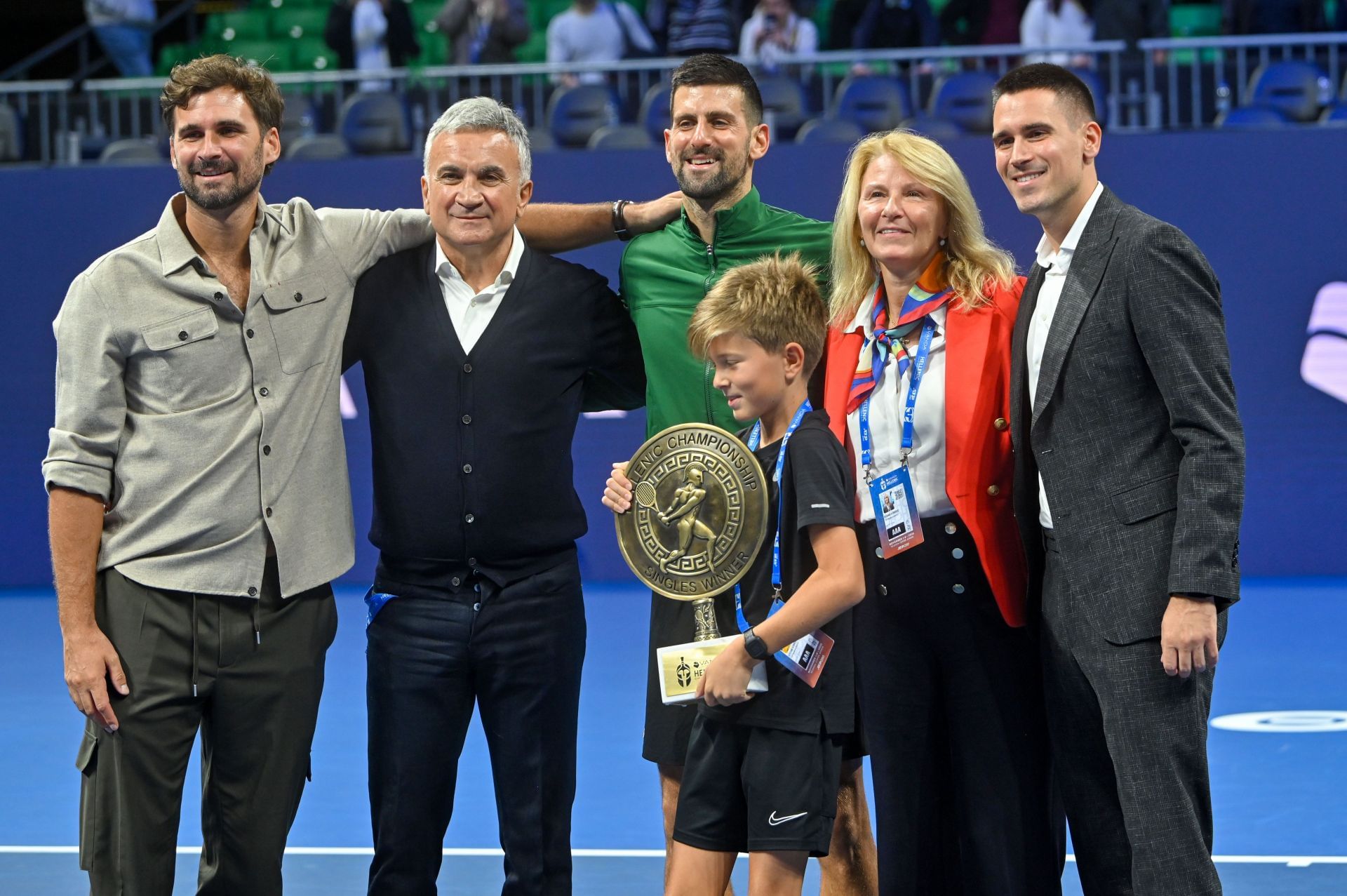
The dialogue sparked by Djokovic and Mouratoglou’s perspectives offers valuable lessons for parents and coaches alike. It emphasizes that:
– Emotional boundaries are crucial when coaching children to prevent conflicts and preserve relationships.
– Supporting a child’s interests without imposing undue pressure fosters a healthier environment for growth.
– Prioritizing happiness and well-being over competitive success can lead to more sustainable and fulfilling sports experiences.
– Recognizing the potential risks of combining parenting and coaching roles helps families make informed decisions.
These insights encourage a more compassionate and balanced approach to youth sports, where the child’s holistic development is at the forefront.
Conclusion
Novak Djokovic’s decision to focus on being a father rather than coaching his son has received strong support from Serena Williams’ ex-coach Patrick Mouratoglou, who calls it a “courageous” and wise choice. Mouratoglou’s reflections highlight the emotional challenges that come with blending parenting and coaching roles and underscore the importance of preserving family bonds. Djokovic’s approach serves as an inspiring example for parents and coaches in the sports world, reminding us that the well-being and happiness of young athletes should always come first. If you found this article insightful, be sure to share it with fellow tennis fans and parents navigating the delicate balance of sports and family life!