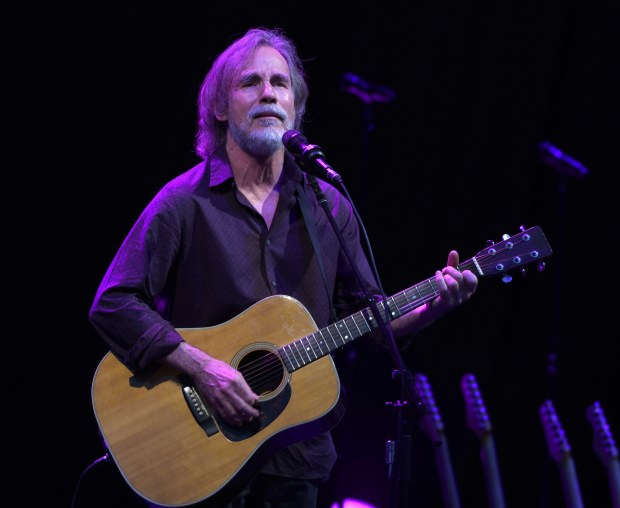
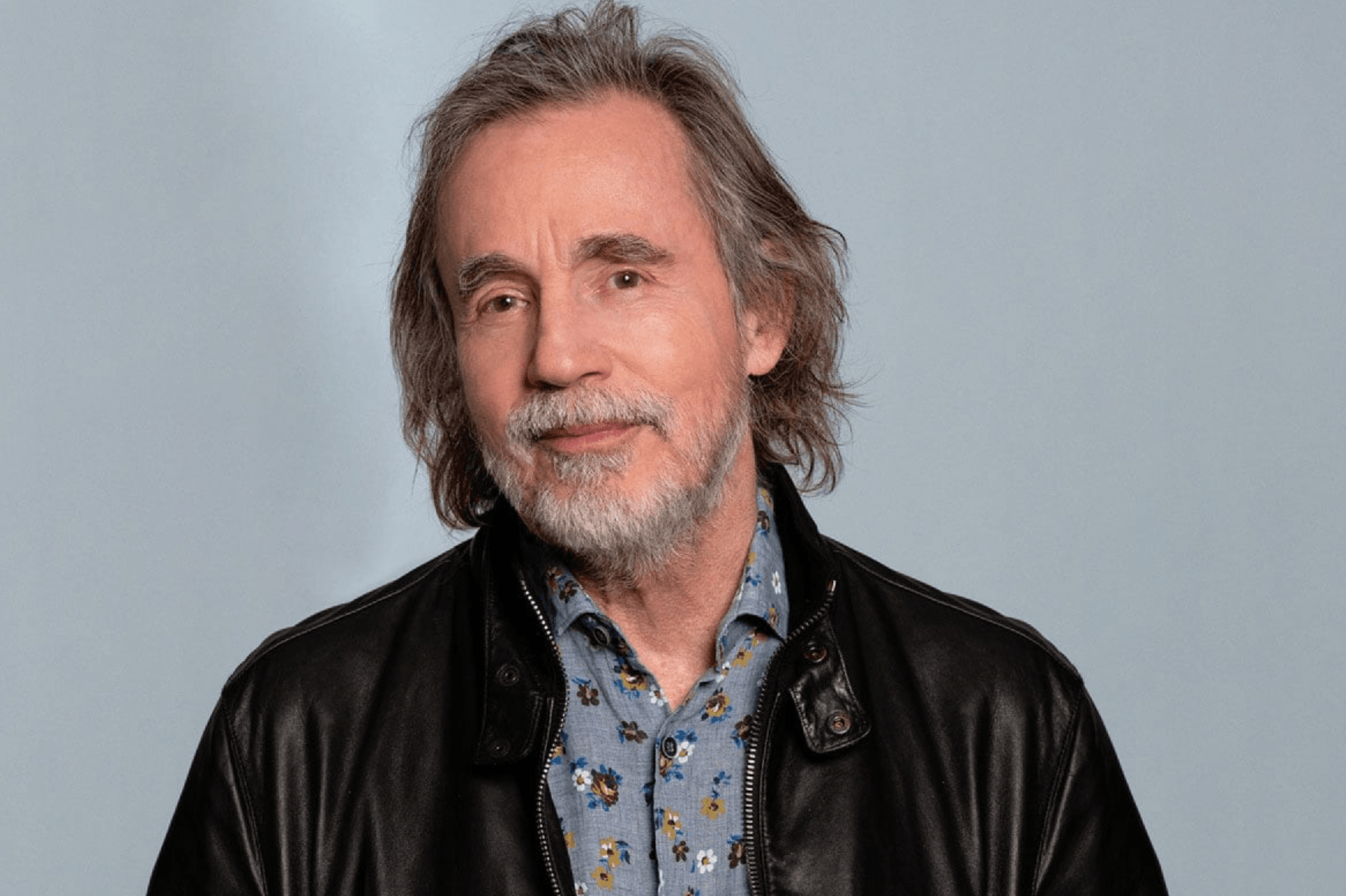
Why Did Jackson Browne Refuse to Hold a Funeral for Ethan, Sparking Widespread Controversy and Suspicion Throughout the Community?
The decision by Jackson Browne to forgo a funeral for Ethan has stirred significant debate and unease among community members. This unexpected choice has led to a wave of speculation, raising questions about Browne’s motivations and the circumstances surrounding Ethan’s passing. Understanding the reasons behind this refusal is essential to grasp the full scope of the controversy and its effects on the community’s trust and cohesion.
The Reasons Behind Jackson Browne’s Refusal to Hold a Funeral for Ethan
Jackson Browne’s decision not to hold a funeral for Ethan was met with shock and confusion. Traditionally, funerals serve as a vital ritual for closure, remembrance, and communal support. Browne’s refusal disrupted these expectations, prompting many to wonder why he chose this path.
One key factor was Browne’s personal beliefs and his perspective on mourning. Reports suggest that Browne viewed funerals as potentially distressing and preferred to honor Ethan’s memory in a more private, less formal manner. This approach, while understandable on a personal level, clashed with the community’s cultural norms that emphasize collective grieving.
Additionally, there were logistical and legal considerations. Some sources indicate that complications related to estate matters and family disagreements may have influenced Browne’s decision. Such complexities often add layers of difficulty to funeral arrangements, sometimes leading to unconventional choices.
The lack of clear communication from Browne further fueled suspicion. Without a transparent explanation, rumors began to circulate, ranging from allegations of neglect to more sinister theories. This absence of clarity deepened the community’s mistrust and amplified the controversy.
Impact on Community Sentiment and Social Dynamics

The refusal to hold a funeral had profound effects on the community’s emotional landscape. Many residents felt deprived of the opportunity to collectively mourn Ethan, which is a crucial aspect of healing after a loss. This void created feelings of alienation and resentment toward Browne.
Social gatherings and memorials that typically follow a funeral were notably absent, leaving a gap in communal support networks. The community’s sense of unity was challenged, as the event that usually brings people together was missing.
Moreover, the controversy sparked debates about cultural traditions, personal autonomy, and the responsibilities of public figures in times of tragedy. These discussions highlighted the tension between individual choices and societal expectations.
Despite the initial backlash, some community members empathized with Browne’s stance, recognizing the complexity of grief and the diversity of mourning practices. This division underscored the nuanced nature of the issue and the difficulty in reconciling differing viewpoints.
What This Means for Future Community Relations
The incident has set a precedent that may influence how similar situations are handled in the future. It has prompted local leaders and organizations to consider establishing clearer guidelines and support systems for end-of-life arrangements to prevent misunderstandings.
Efforts to foster open dialogue about grief and mourning customs are gaining momentum, aiming to bridge gaps between personal preferences and communal needs. These initiatives seek to create an environment where diverse expressions of loss are respected while maintaining social cohesion.
Jackson Browne’s case serves as a catalyst for broader conversations about empathy, communication, and cultural sensitivity. It highlights the importance of balancing individual rights with community values, especially in emotionally charged circumstances.
Conclusion
Jackson Browne’s refusal to hold a funeral for Ethan undeniably sparked widespread controversy and suspicion, deeply affecting the community’s emotional fabric. While his reasons may stem from personal beliefs and complex circumstances, the lack of transparent communication intensified public mistrust. This situation underscores the vital role that funerals and communal mourning play in fostering healing and unity. As the community moves forward, embracing open conversations about grief and respecting diverse mourning practices will be essential. If you found this exploration insightful, share it with others to promote understanding and empathy in times of loss.