Chappell Roan Deletes Post Mourning Brigitte Bardot & Expresses Regret After Learning Of French Actress’ Shocking Far-Right Views
Recently, singer Chappell Roan found herself in the midst of controversy after initially paying tribute to the late French actress Brigitte Bardot, only to retract her praise upon uncovering Bardot’s troubling political beliefs. This incident has sparked widespread discussion about the complexities of honoring public figures with controversial legacies. In this article, we delve into the details surrounding Chappell Roan’s deleted post, the background of Brigitte Bardot’s far-right views, and the broader implications of celebrity tributes in the digital age.
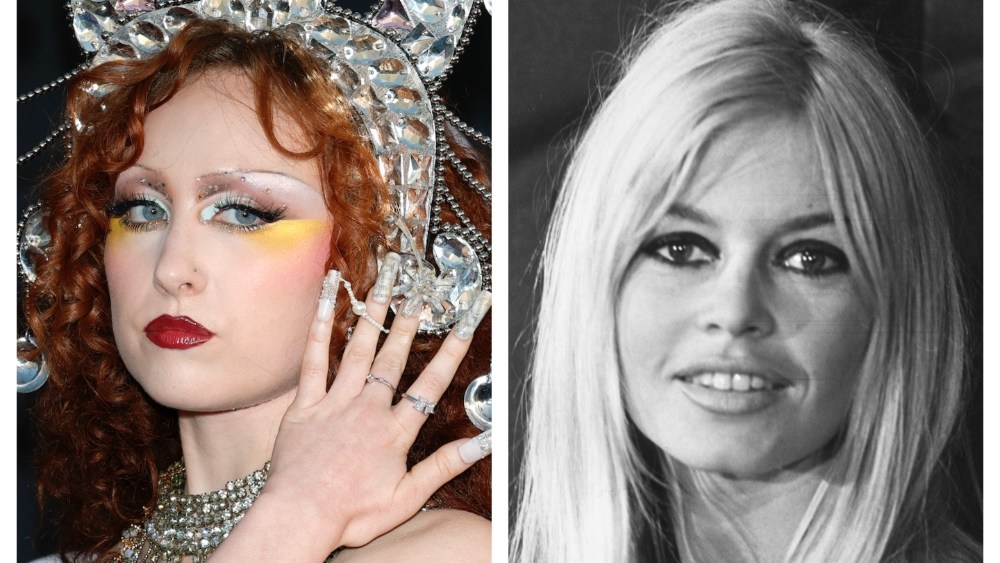
Chappell Roan Deletes Post Mourning Brigitte Bardot After Learning of Her Far-Right Views
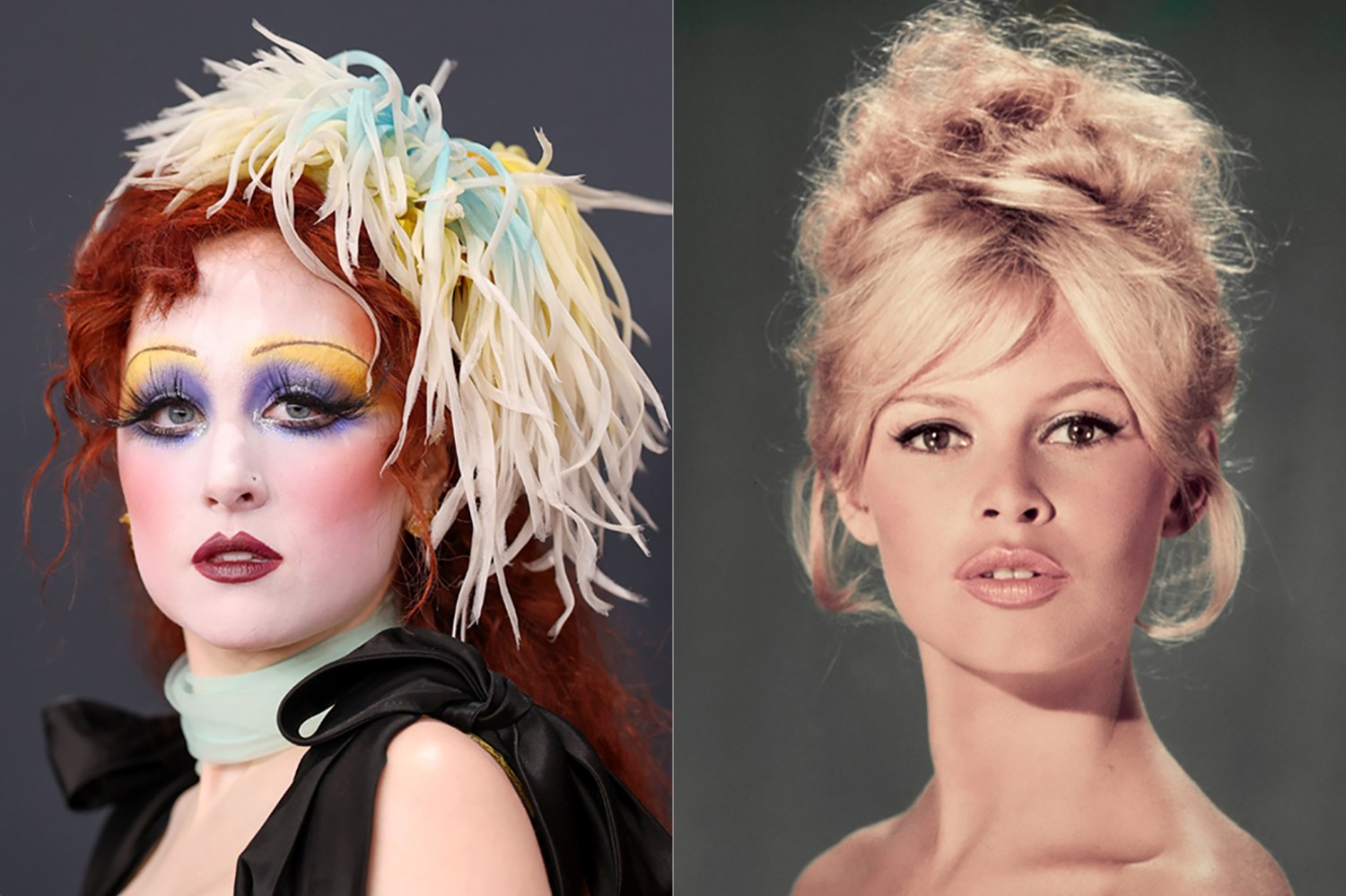
On a recent Sunday, news broke that Brigitte Bardot, the iconic French actress and animal rights activist, had passed away at the age of 91. The announcement came from the Fondation Brigitte Bardot, an animal rescue organization Bardot herself founded. The foundation’s statement praised Bardot as “an exceptional woman who gave everything and gave up everything for a world more respectful of animals,” highlighting her enduring legacy in animal welfare.
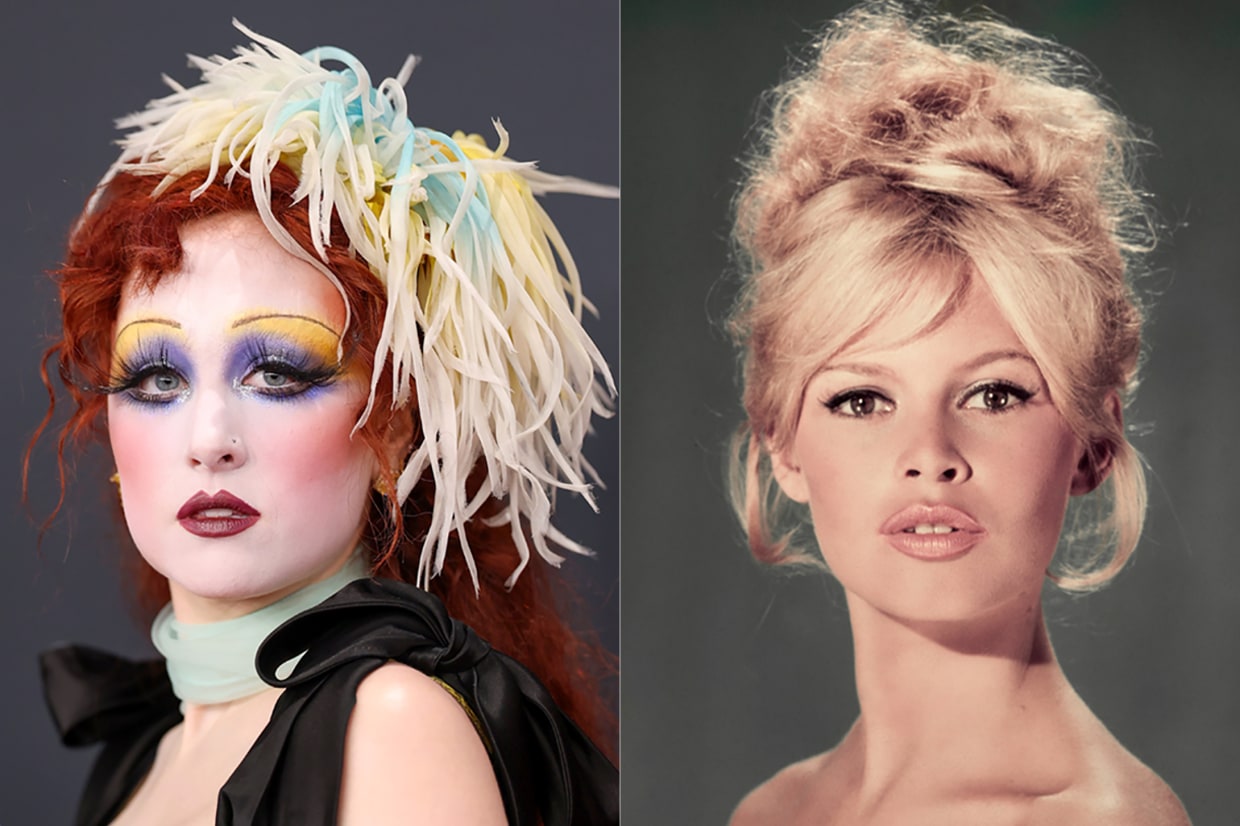
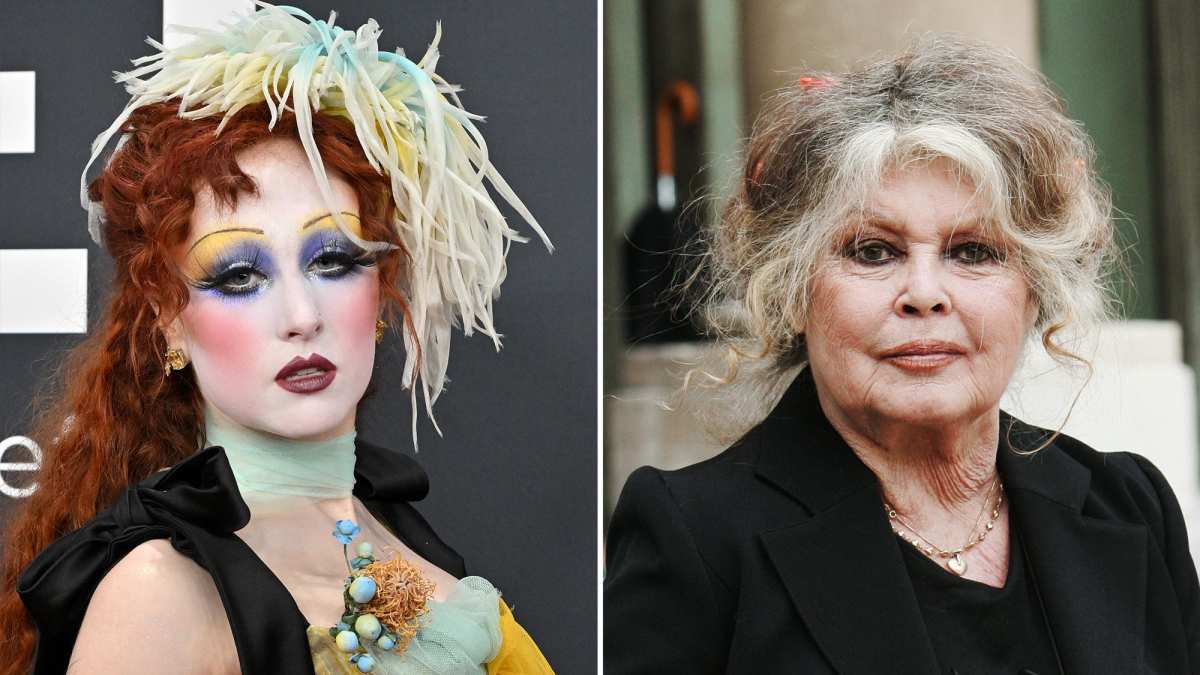
As tributes poured in from around the world, including a message from French President Emmanuel Macron, Chappell Roan, known for her hit song “Good Luck, Babe!,” posted a heartfelt tribute on her Instagram Story. She shared a vintage photograph of Bardot from Vogue France and wrote, “She was my inspiration for red wine supernova. Rest in peace Ms. Bardot.”
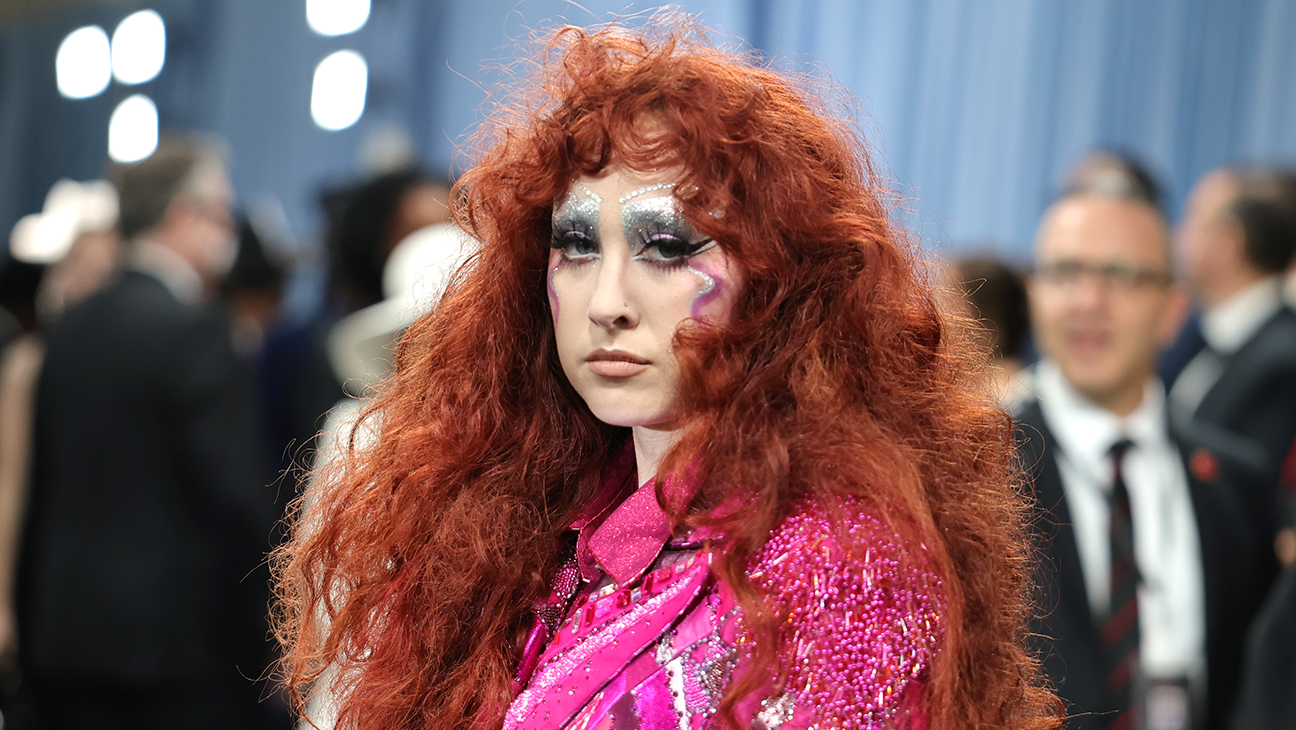
However, the mood quickly shifted when fans and followers began uncovering Bardot’s controversial history. While Bardot was celebrated as one of the first global sex symbols during her acting career, her later years were marked by multiple convictions for inciting racial hatred, particularly targeting Muslim communities in Europe. These revelations led to a backlash against those publicly mourning her death.
The Shocking Far-Right Views of Brigitte Bardot
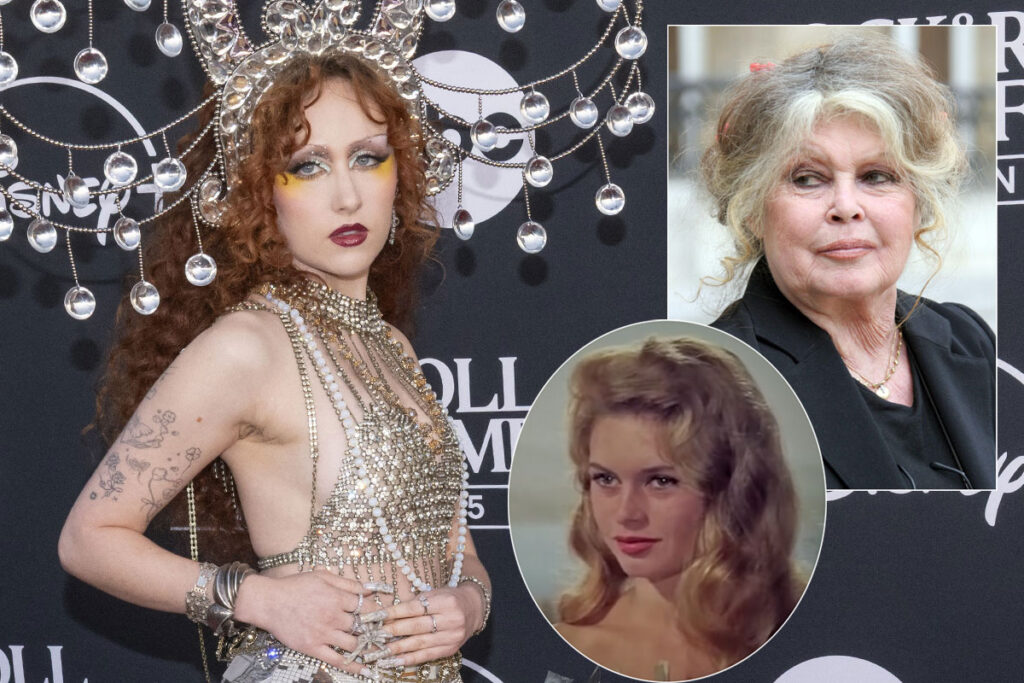
Brigitte Bardot’s political views have long been a subject of controversy. Throughout the 1990s and 2000s, she was convicted several times for inciting racial hatred, primarily due to statements that many considered Islamophobic. French newspaper Le Monde summarized Bardot’s dual legacy by stating, “Brigitte Bardot, the actress, was known for ‘Le Mépris (Contempt)’; Bardot, the political figure, embodied racial hatred.”
Her advocacy for animal rights was often intertwined with her far-right political stance. Bardot openly expressed disdain for the Muslim community in France, once writing an open letter condemning Muslim slaughter practices and warning of a “Muslim France.” In this letter, she stated, “They slaughter women and children, our monks, our civil servants, our tourists and our sheep, one day they’ll slaughter us, and we’ll have deserved it.” Such statements shocked many and fueled accusations of Islamophobia.
These revelations prompted Chappell Roan to reconsider her tribute. Upon learning about Bardot’s far-right views, she deleted her original Instagram post and issued a follow-up message expressing her regret and disappointment. In her Instagram Story, Roan wrote, “Holy s**t i did not know all that insane s**t Ms. Bardot stood for obvs I do not condone this. very disappointing to learn.”
Understanding the Impact of Celebrity Tributes in the Age of Social Media
The incident involving Chappell Roan and Brigitte Bardot highlights the challenges celebrities face when engaging with public figures’ legacies, especially on social media platforms. In today’s digital landscape, information spreads rapidly, and public figures are held accountable for the associations they make.
Tributes to deceased celebrities often come with the risk of unearthing uncomfortable truths about their pasts. This can lead to backlash not only against the deceased but also against those who publicly honor them. Chappell Roan’s experience serves as a cautionary tale about the importance of thorough research before making public statements, especially when those statements can be interpreted as endorsements.
Moreover, this situation underscores the broader societal conversation about separating an artist’s work from their personal beliefs. While Bardot’s contributions to cinema and animal rights are notable, her far-right views complicate her legacy. Fans and public figures alike must navigate these complexities when choosing how to remember such individuals.
Lessons from Chappell Roan’s Response
Chappell Roan’s swift reaction to delete her post and publicly express regret demonstrates accountability and transparency. By acknowledging her lack of awareness and disavowing Bardot’s controversial views, Roan maintained her integrity and respect among her followers.
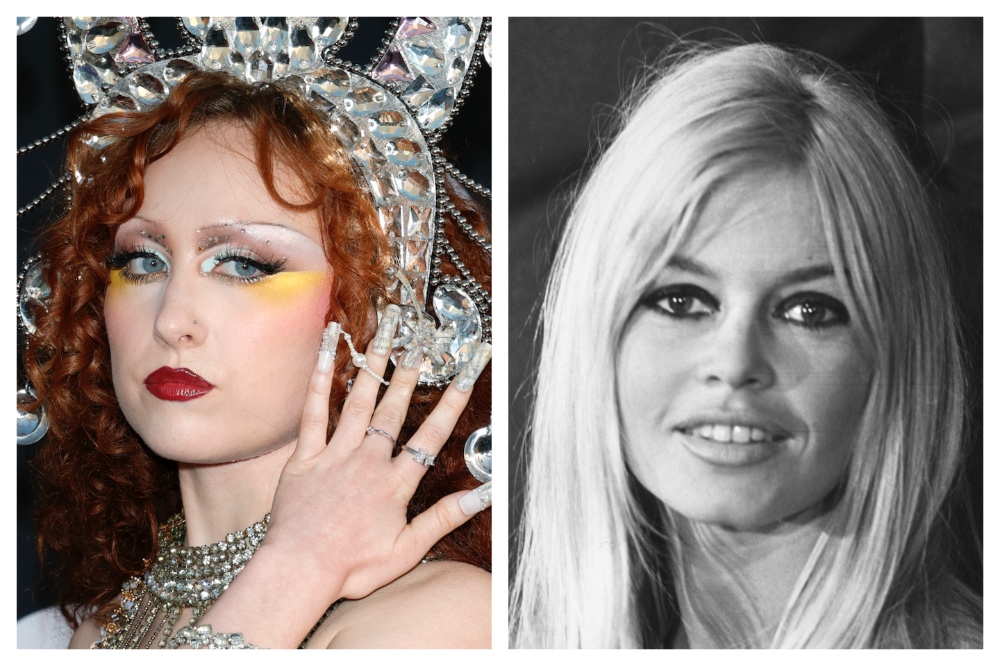
This response also reflects a growing trend among celebrities to engage openly with their audiences about mistakes or misjudgments. In an era where public opinion can shift quickly, such honesty can help preserve trust and foster meaningful dialogue.
Conclusion
The story of Chappell Roan deleting her post mourning Brigitte Bardot after learning about the French actress’s far-right views serves as a powerful reminder of the complexities involved in honoring public figures. It highlights the importance of understanding the full context of a person’s legacy before publicly expressing admiration. As social media continues to shape how we engage with celebrity culture, accountability and informed commentary become ever more crucial.
If you found this article insightful, don’t hesitate to share your thoughts or experiences with celebrity tributes in the comments below. Stay informed and thoughtful in your online engagements!


