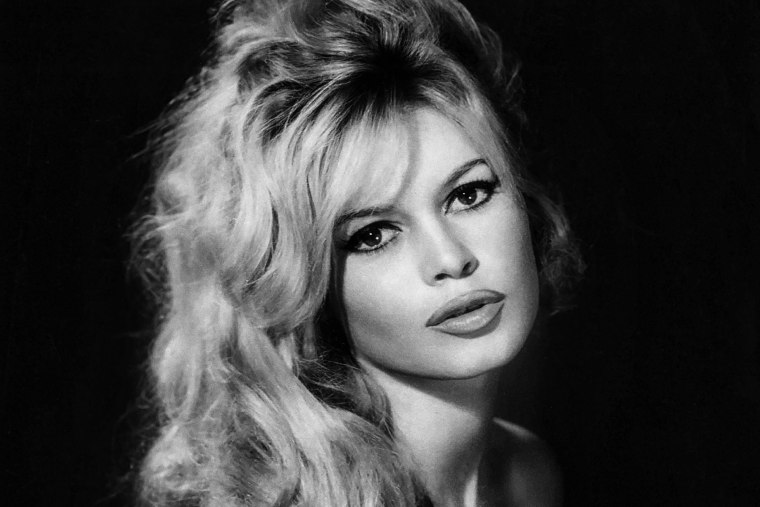
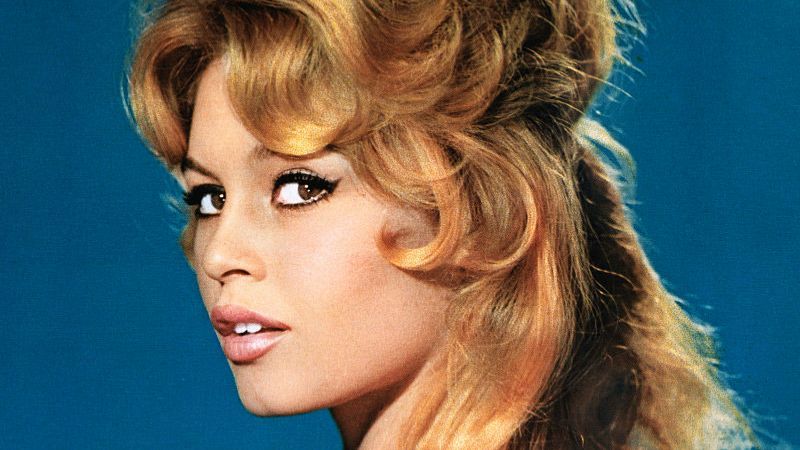
EXCLUSIVE: Brigitte Bardot’s Biggest Controversies Revealed — Including Homosexuality, Islam and #MeToo Scandals
Brigitte Bardot: A Life Marked by Controversy and Outspokenness
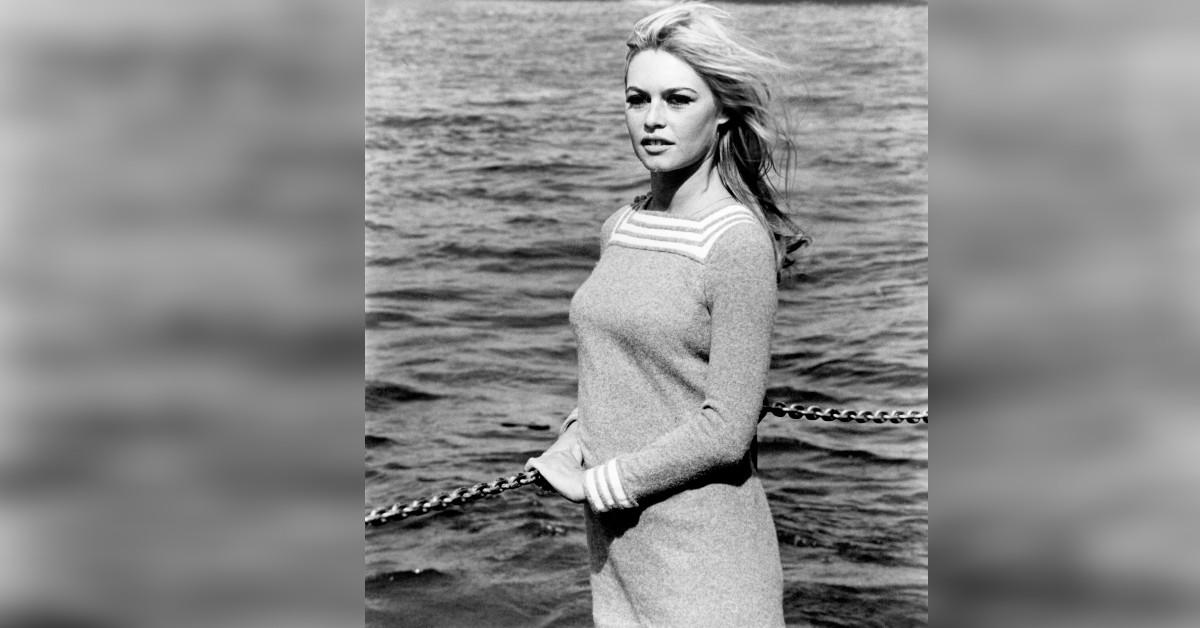
Brigitte Bardot remains one of the most enigmatic and polarizing figures in modern celebrity history. Rising to fame in the 1950s and 1960s as a symbol of sexual liberation and cinematic allure, Bardot’s career and personal life were punctuated by a series of controversies that extended far beyond her film roles. Her candid and often incendiary remarks on topics such as homosexuality, Islam, and the #MeToo movement have kept her in the public eye long after she left the silver screen. This article delves into the most significant controversies surrounding Bardot, revealing how her fearless expression of personal beliefs both captivated and outraged audiences worldwide.
The Rise of a Sexual Icon and Early Public Backlash
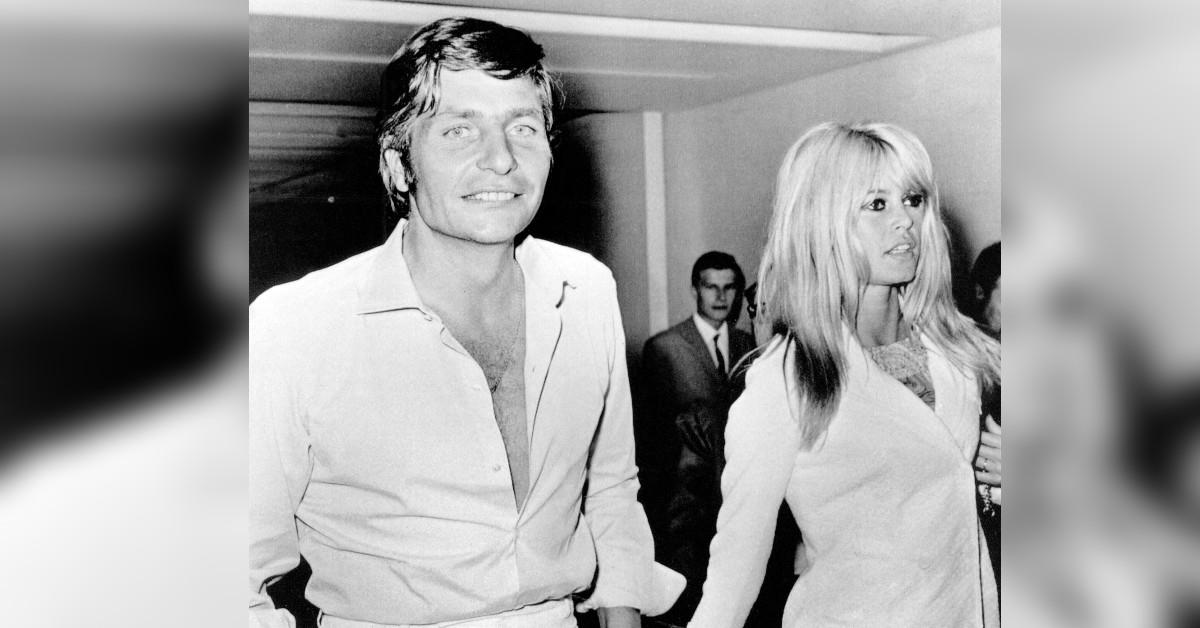
Born in Paris on September 28, 1934, Brigitte Bardot quickly became a global sensation with her breakout role in the 1956 film *And God Created Woman*. The movie’s frank portrayal of female sexuality was groundbreaking for its time, propelling Bardot into the spotlight as a symbol of erotic freedom. However, this fame came with its share of criticism. Early detractors condemned her for what they perceived as a reckless and immoral lifestyle, with some media outlets even calling for bans on her appearances. Despite—or perhaps because of—this backlash, Bardot’s popularity soared, and she became an emblem of the sexual revolution sweeping across Europe and America.
Controversial Views on Homosexuality
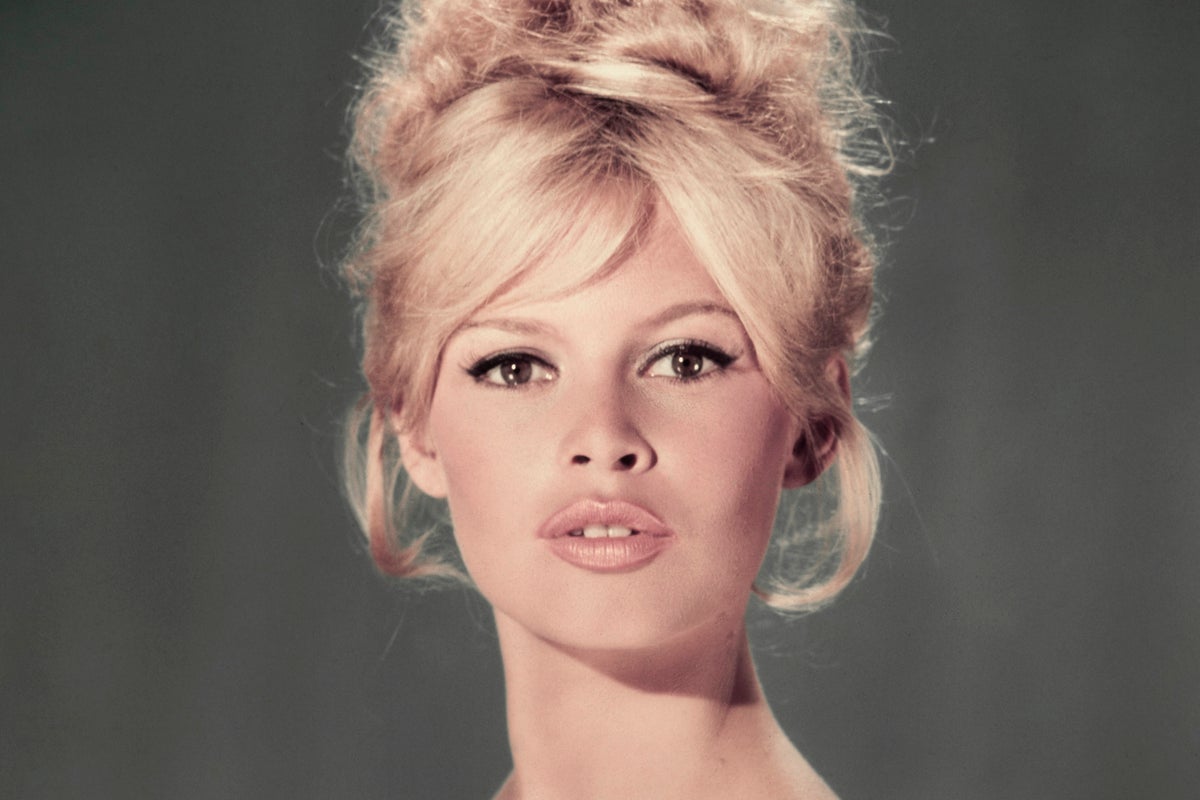
One of the most contentious aspects of Bardot’s public persona was her outspoken stance on homosexuality. In a 2004 publication, she referred to gay people in derogatory terms, describing them as “fairground freaks.” Such comments sparked outrage among LGBTQ+ communities and human rights advocates, who accused her of promoting intolerance. Bardot’s remarks were widely condemned and contributed to a broader debate about freedom of speech versus hate speech in France. Despite the backlash, Bardot never fully retracted her statements, maintaining a defiant attitude that further fueled controversy.
Islam and Racial Tensions: Legal Battles and Public Outcry
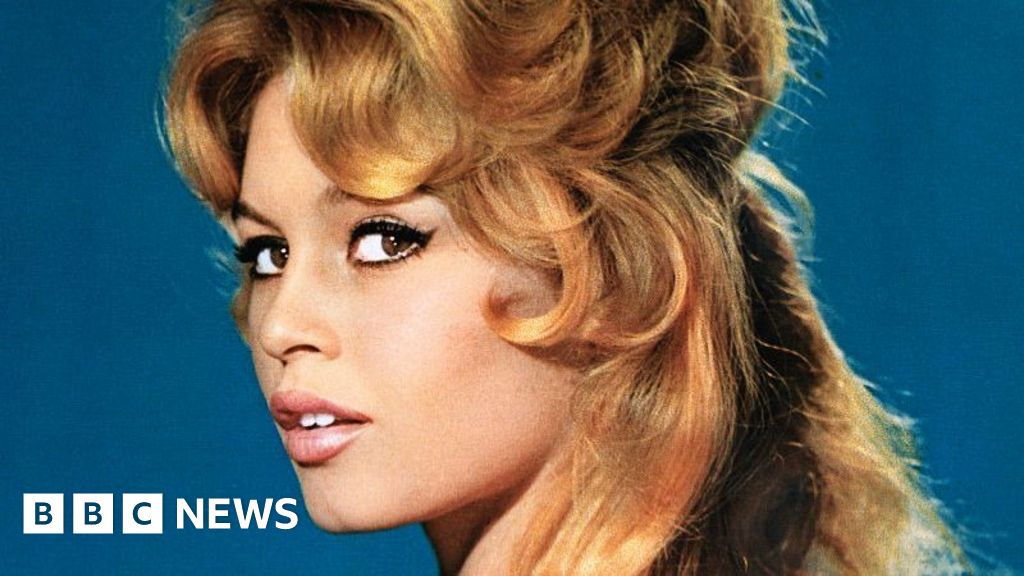
Bardot’s remarks about Islam and immigration have been among the most legally and socially consequential of her career. She openly criticized what she described as the “infiltration” of France by Muslim communities, attributing social and cultural problems to this demographic shift. These statements led to multiple convictions for inciting racial hatred, resulting in fines and court-ordered penalties. Her comments ignited fierce debates about nationalism, immigration, and freedom of expression in France, with Bardot becoming a lightning rod for both supporters of stricter immigration policies and defenders of multiculturalism.
#MeToo Movement and Bardot’s Defiant Stance
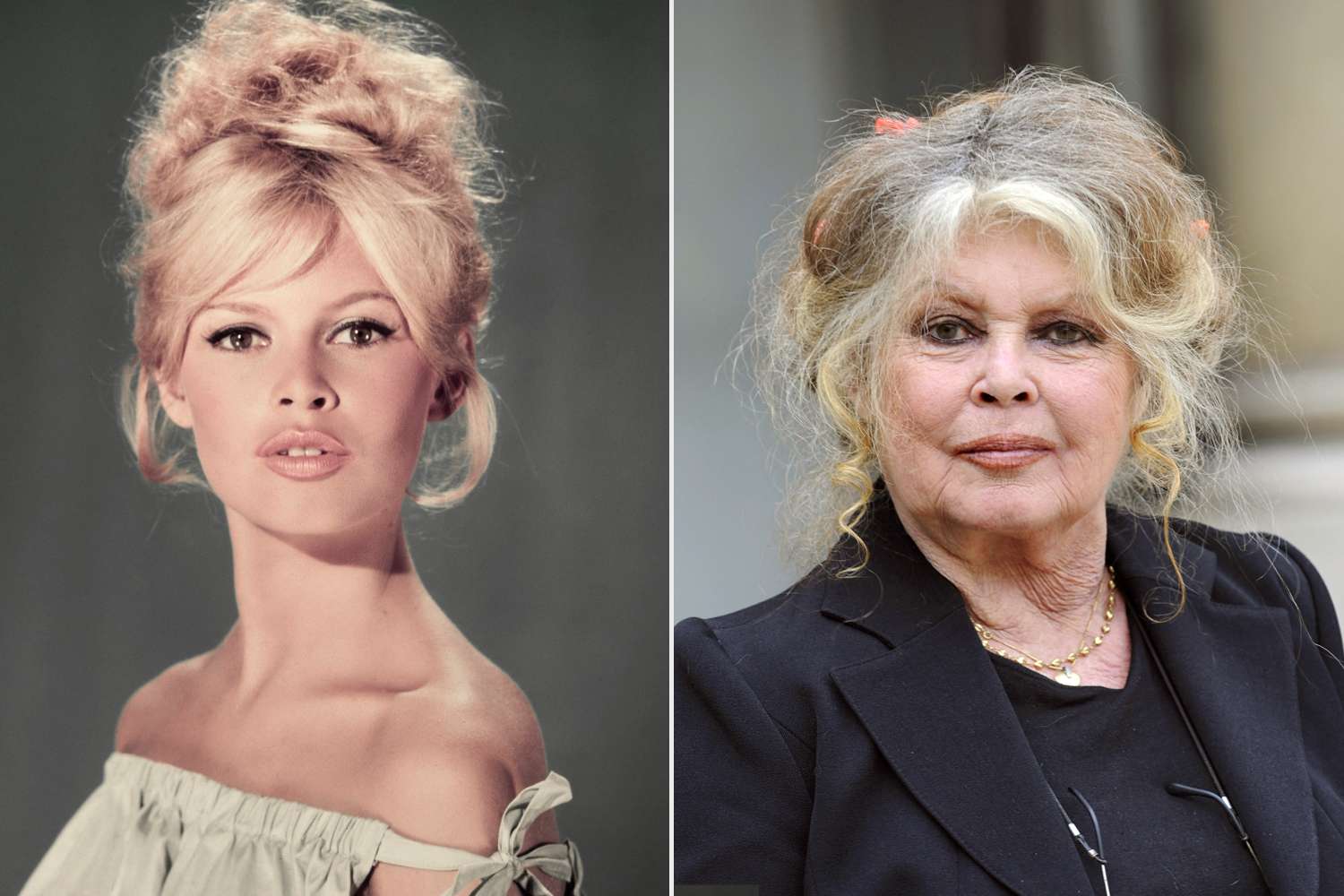
In recent years, the global #MeToo movement has reshaped conversations about gender, power, and sexual misconduct. Bardot, however, took a notably contrarian position. In a 2025 television interview, she dismissed the movement, defending figures like Gérard Depardieu and stating, “Feminism isn’t my thing. I like guys.” This stance surprised many, given Bardot’s earlier image as a feminist icon of sexual liberation. Her comments sparked renewed debate about generational divides within feminism and the complexities of Bardot’s legacy as both a trailblazer and a provocateur.
From Stardom to Animal Activism: A Complex Legacy
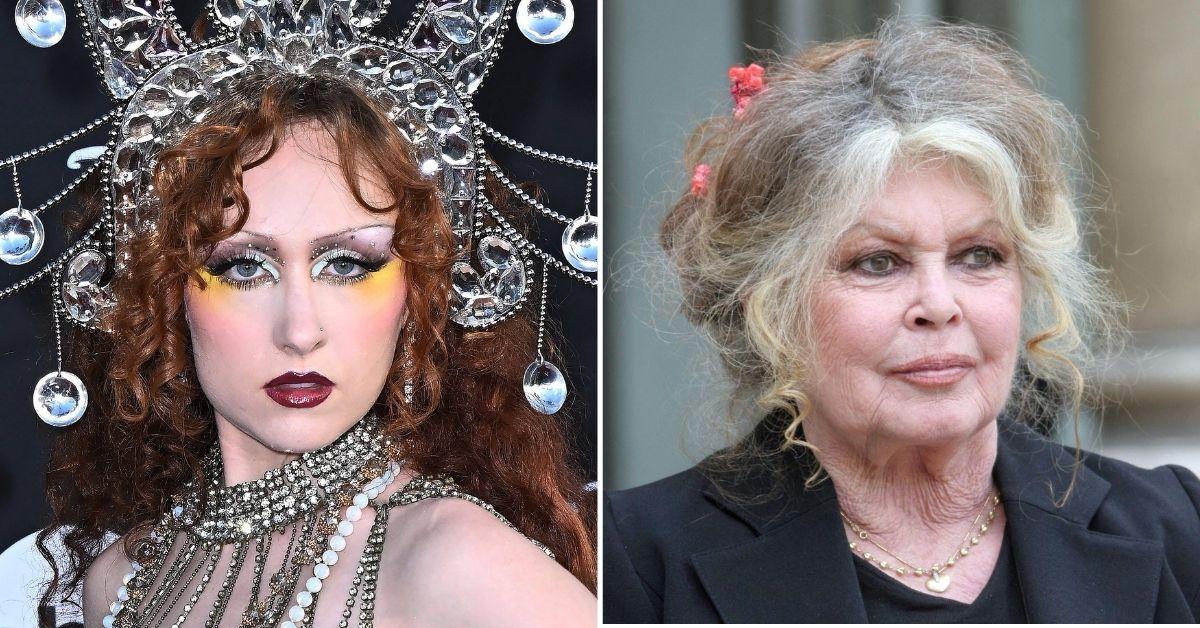
After retiring from acting in the early 1970s, Bardot shifted her focus toward animal rights, founding the Brigitte Bardot Foundation. She famously said, “I gave my youth and beauty to men; now I am going to give my wisdom and experience to animals.” This transition marked a significant turn in her public life, yet it did not shield her from controversy. Bardot continued to make headlines with provocative statements and legal troubles, but her dedication to animal welfare earned her respect in new circles.
Personal Life and Memoir Revelations
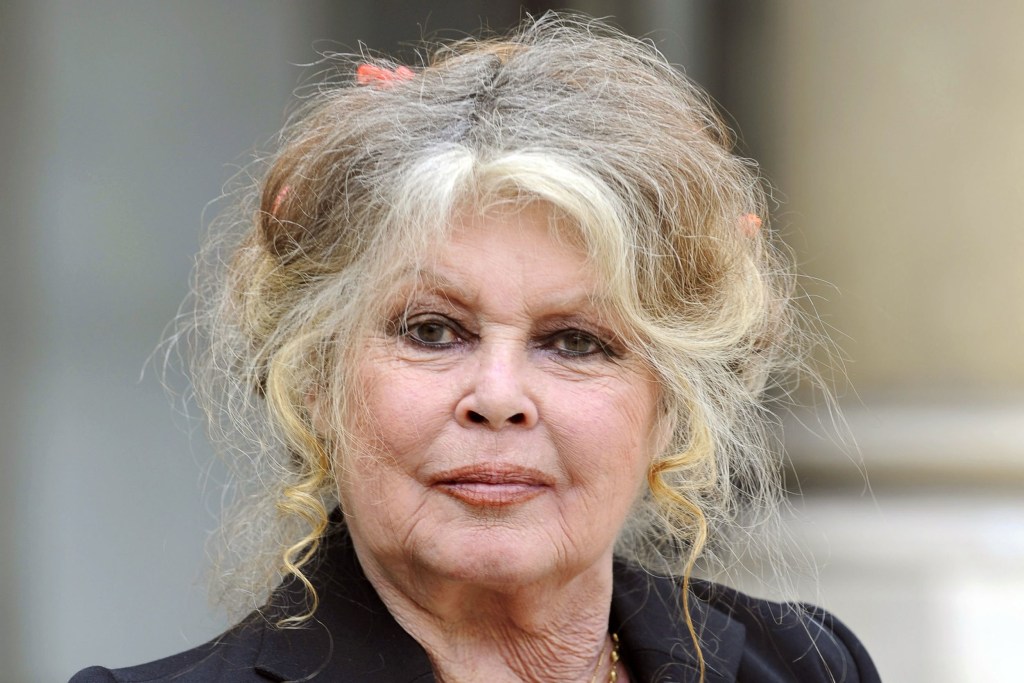
Bardot’s personal life was as tumultuous as her public one. Her marriage to actor Jacques Charrier and the birth of their son Nicolas-Jacques were subjects of intense media scrutiny. In her 1996 memoir, Bardot shocked readers with candid descriptions of her pregnancy, referring to her unborn child in harsh terms and admitting to self-harm. These revelations led to legal challenges and public condemnation but also underscored Bardot’s willingness to confront taboo subjects head-on.
Artistic Achievements Amidst Controversy
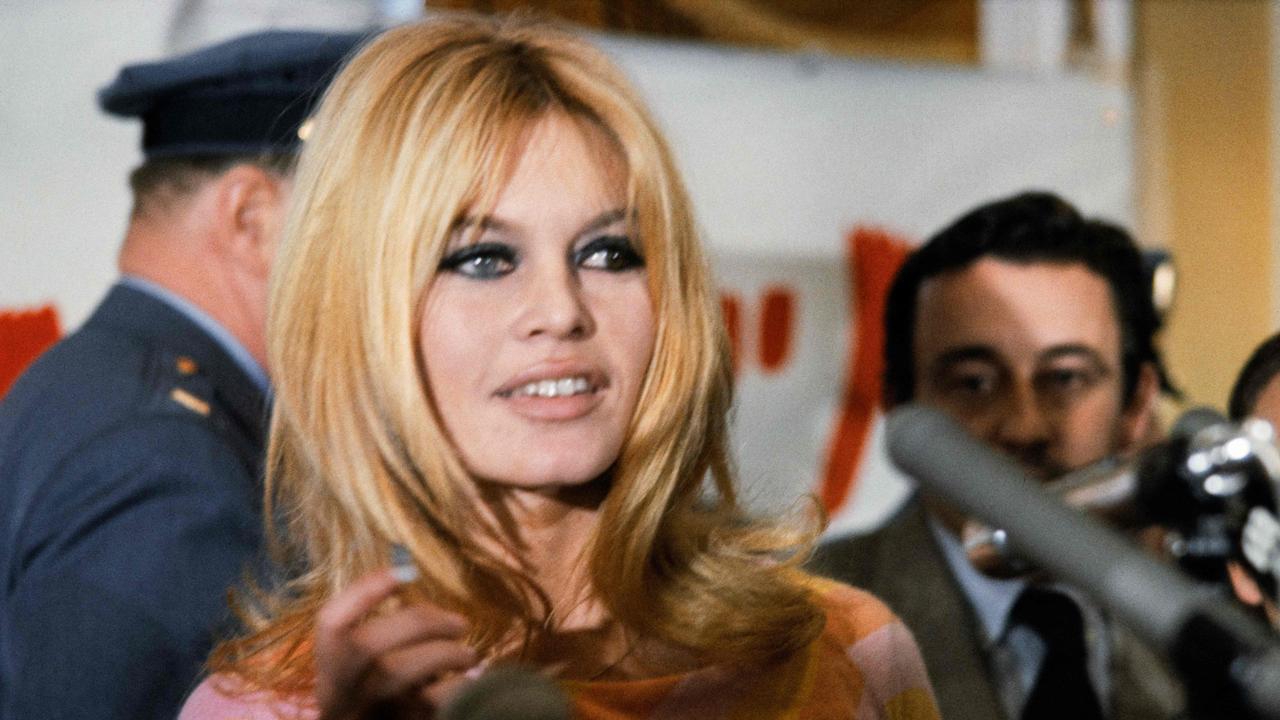
Despite the controversies, Bardot’s artistic contributions remain significant. She delivered critically acclaimed performances in films like *La Vérité* (1960) and Jean-Luc Godard’s *Le Mépris* (1963). Additionally, her collaborations with Serge Gainsbourg on provocative songs such as “Bonnie and Clyde” and “Je t’aime… Moi Non Plus” further cemented her status as a cultural icon unafraid to push boundaries.
Conclusion
Brigitte Bardot’s life and career are a testament to the power of boldness and the complexities of public perception. From her groundbreaking roles that challenged societal norms to her incendiary remarks on homosexuality, Islam, and the #MeToo movement, Bardot has never shied away from controversy. Her legacy is a blend of artistic brilliance, personal defiance, and passionate activism. Whether admired or criticized, Bardot’s impact on culture and society remains undeniable. To stay updated on more exclusive insights into iconic figures like Brigitte Bardot, subscribe to our newsletter and join the conversation today!