‘We’ll Sue Your A– Off’: White House Threatens Lawsuit as Donald Trump Spars With CBS Evening News Anchor on Camera
White House Threatens Lawsuit Over Trump’s CBS Evening News Interview
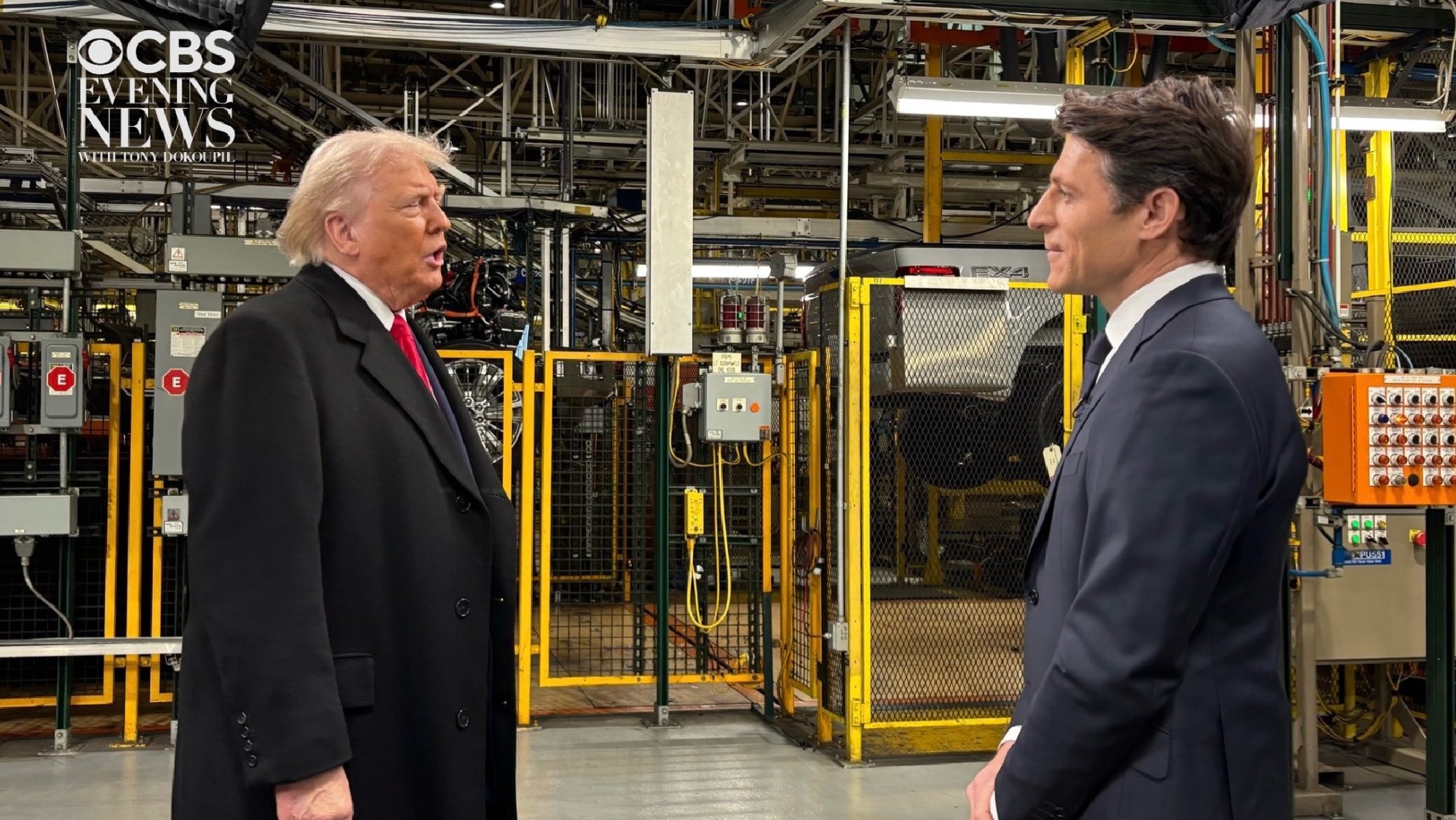
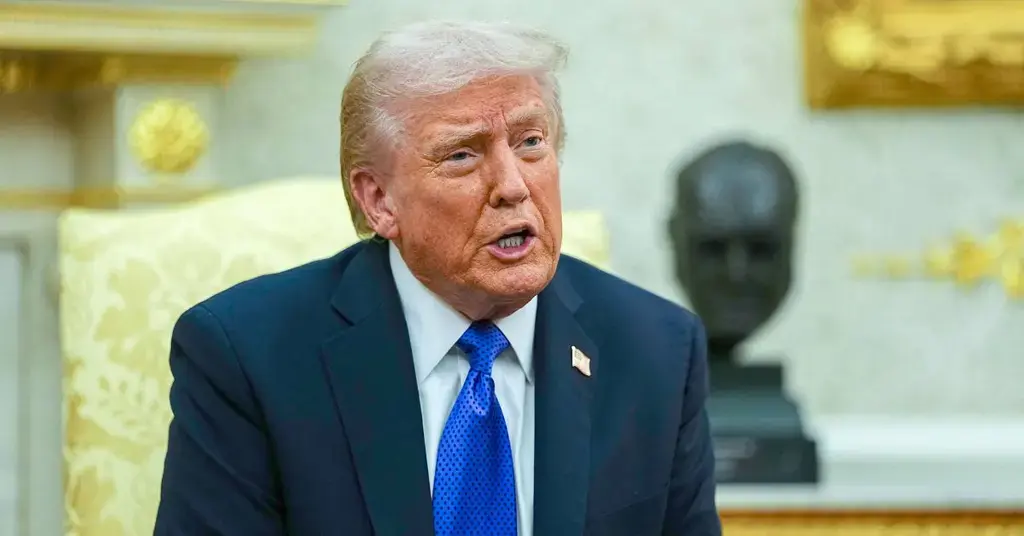
In a dramatic turn of events, the White House issued a stern warning to CBS News, threatening to sue the network if it failed to broadcast President Donald Trump’s interview with CBS Evening News anchor Tony Dokoupil in its entirety. This threat came shortly after the interview was conducted in Michigan on January 13, 2024, and was revealed through audio obtained by The New York Times.
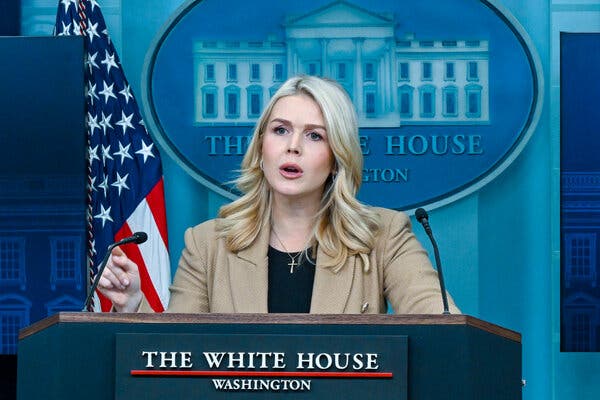
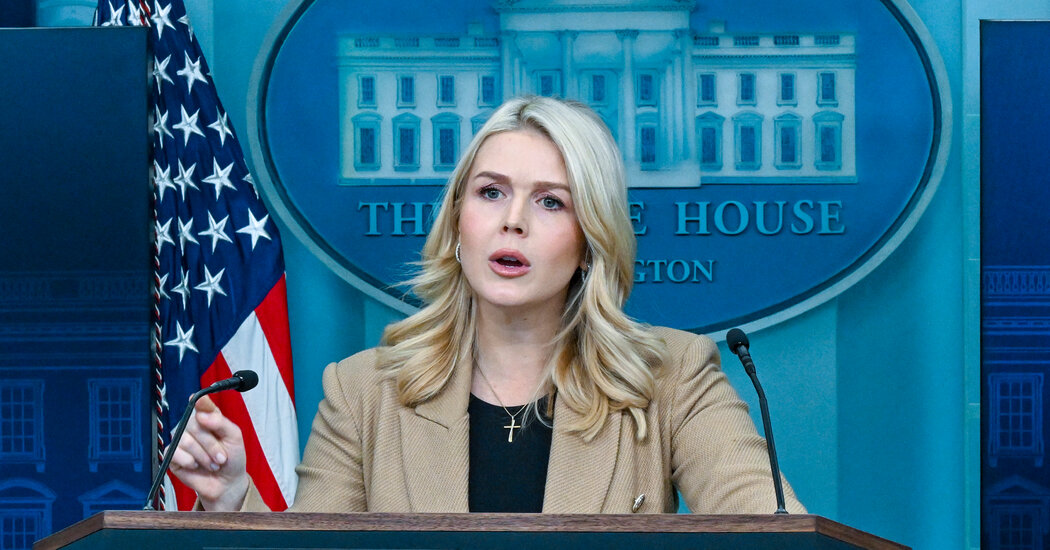
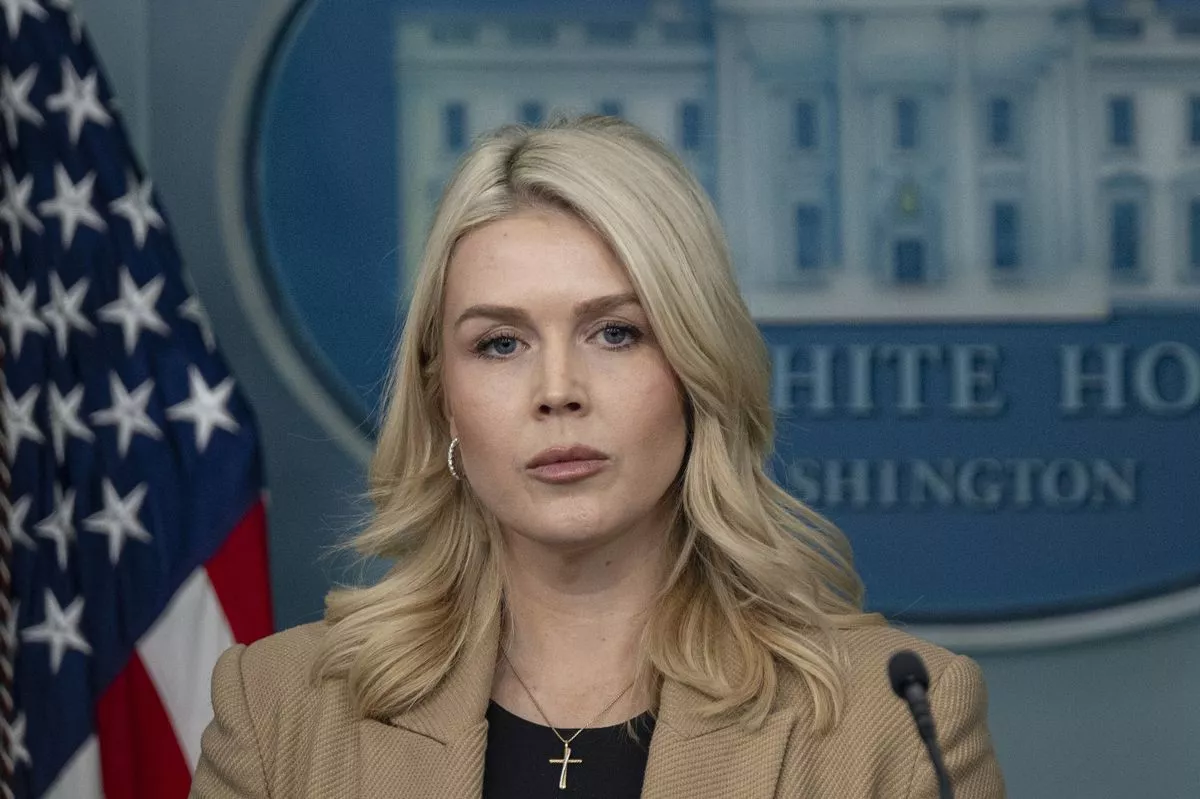
Karoline Leavitt, the White House press secretary, conveyed the administration’s demand to CBS, emphasizing that the interview must be aired without any edits or cuts. According to the recording, Leavitt relayed Trump’s explicit instructions: “Make sure you guys don’t cut the tape, make sure the interview is out in full.” When Dokoupil assured her that the network intended to air the full interview, Leavitt reportedly added, “If it’s not out in full, we’ll sue your a– off.”
While some CBS staffers present at the time believed the threat was made in a lighthearted manner, the seriousness of the warning was unmistakable. Dokoupil responded with a chuckle, noting, “He always says that!” Meanwhile, Kim Harvey, the executive producer of CBS Evening News, reacted with a mix of surprise and resignation, saying, “Oh, great, OK!”
The Context Behind the Legal Threats
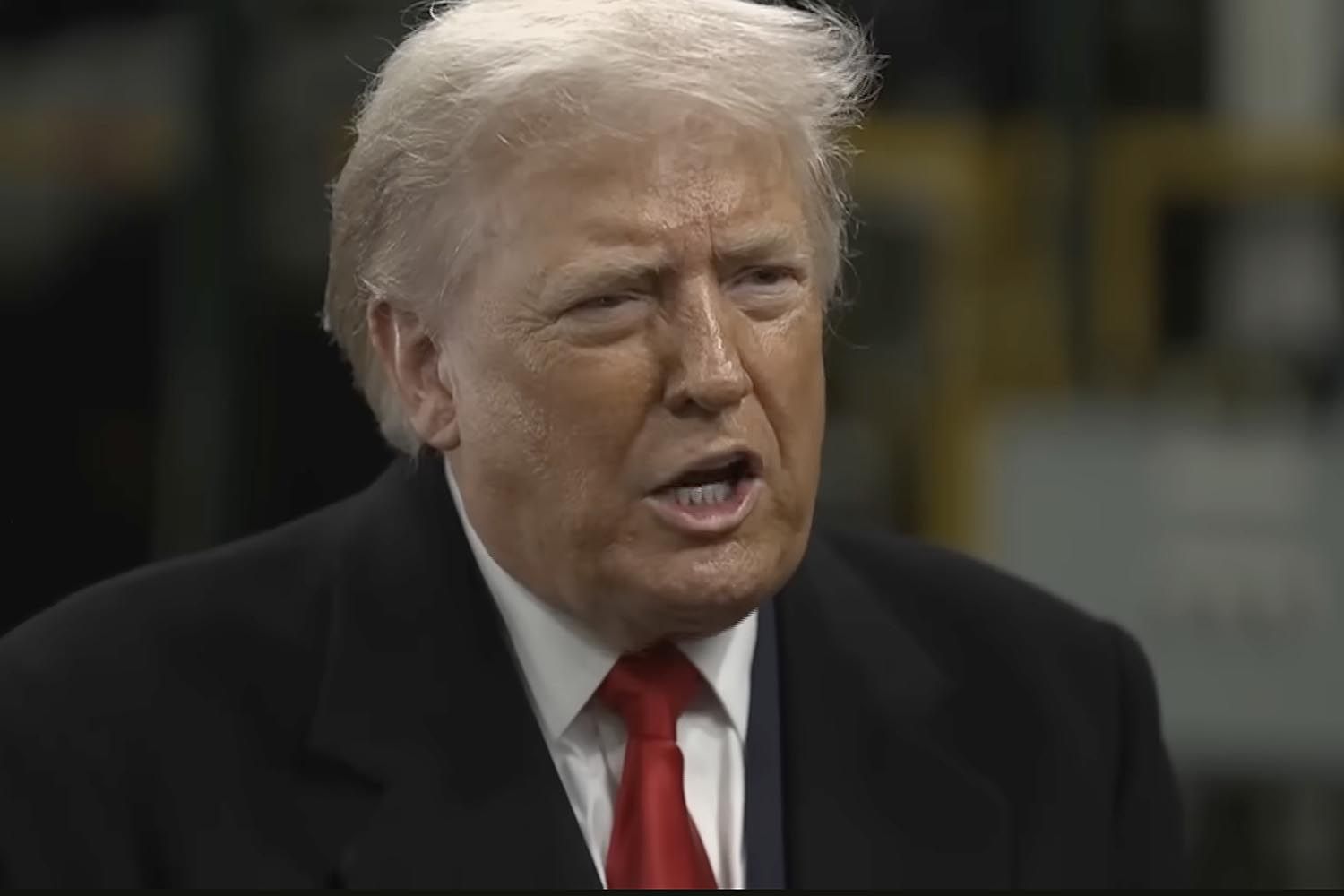
This recent incident is not the first time Donald Trump has clashed with CBS News over interview coverage. Previously, Trump filed a lawsuit against CBS regarding a 60 Minutes interview with former Vice President Kamala Harris ahead of the 2024 presidential election. The lawsuit centered on allegations that CBS edited the interview unfairly and aired it in segments across two nights, which Trump claimed amounted to election interference. The matter was eventually settled before CBS’s parent company, Paramount, completed its merger with Skydance Media.
The White House’s insistence on airing Trump’s interview in full reflects a broader strategy to control the narrative and ensure that the president’s message reaches the public without editorial interference. Leavitt told The New York Times, “The American people deserve to watch President Trump’s full interviews, unedited, no cuts. And guess what? The interview ran in full.”
Highlights From the Heated Interview
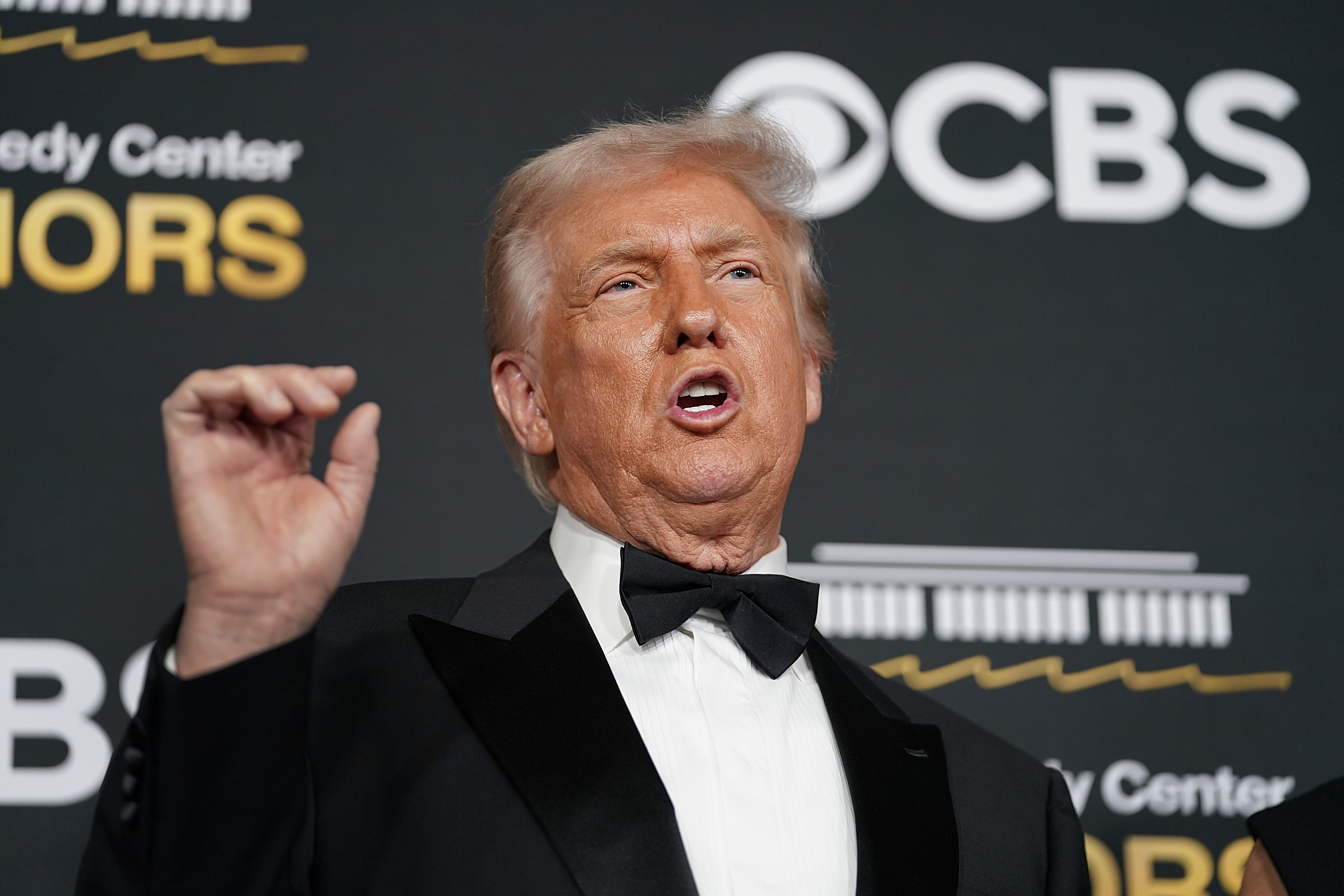
During the interview, Trump engaged in a pointed exchange with Dokoupil, particularly on economic issues. Trump boasted about the current state of the U.S. economy, declaring, “Tony, we now have the hottest country in the world. And a year-and-a-half ago, our country was dead. We had a dead country.”
He further suggested that if Kamala Harris had won the 2024 election, Dokoupil would likely be out of a job. “You wouldn’t have a job right now,” Trump said. “Your boss, who’s an amazing guy, might be bust, OK? Let me just tell you — you wouldn’t have this job. You wouldn’t have this job — certainly whatever the hell they’re paying you.”
Trump’s reference to Dokoupil’s “boss” was a nod to David Ellison, the new owner of Paramount and the son of billionaire Larry Ellison, a known Trump ally. Trump warned that under a Harris administration, the U.S. would resemble “Venezuela on steroids,” implying economic collapse and turmoil.
Dokoupil, however, pushed back at the end of the interview, asserting, “For the record, I do think I’d have this job even if the other guys won.” Trump’s retort was quick and dismissive: “Yeah — but at a lesser salary.”
What This Means for Media and Politics
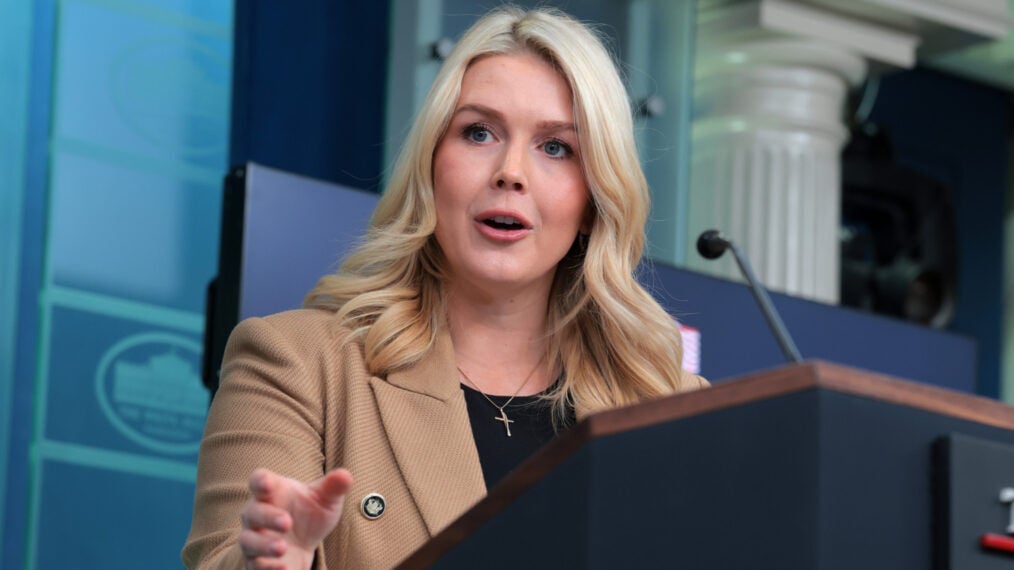
The White House’s threat to sue CBS News over the airing of Trump’s interview underscores the increasingly adversarial relationship between the Trump administration and mainstream media outlets. It also highlights the challenges journalists face when covering a president who is highly sensitive to how his image and statements are portrayed.
For CBS News, the decision to air the interview unedited was both a journalistic commitment and a strategic move to avoid potential legal battles. The network’s spokesperson confirmed that the interview was broadcast in full, adhering to their independent editorial judgment.
This incident raises important questions about media freedom, editorial independence, and the legal boundaries of news coverage in politically charged environments. It also reflects the broader trend of political figures using legal threats as a tool to influence media narratives.
The Role of Legal Threats in Political Communication
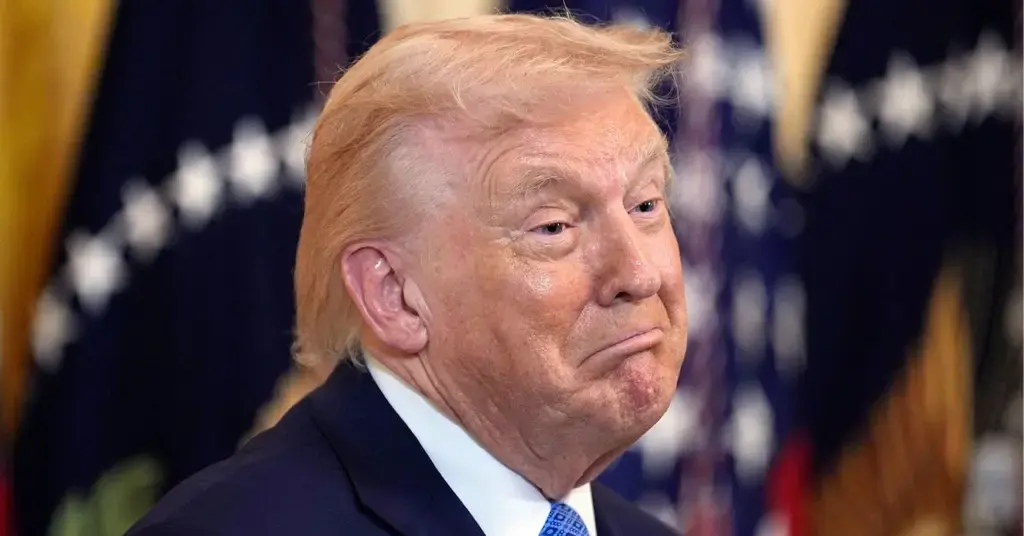
Legal threats, such as the one issued by the White House to CBS, serve multiple purposes in political communication. They can act as a deterrent against unfavorable coverage, a means to rally supporters by portraying the media as adversaries, and a way to assert control over public discourse.
However, such tactics can backfire by drawing more attention to the issue and raising concerns about censorship and press freedom. Media organizations must balance the risks of legal confrontation with their responsibility to provide accurate and comprehensive reporting.
Conclusion
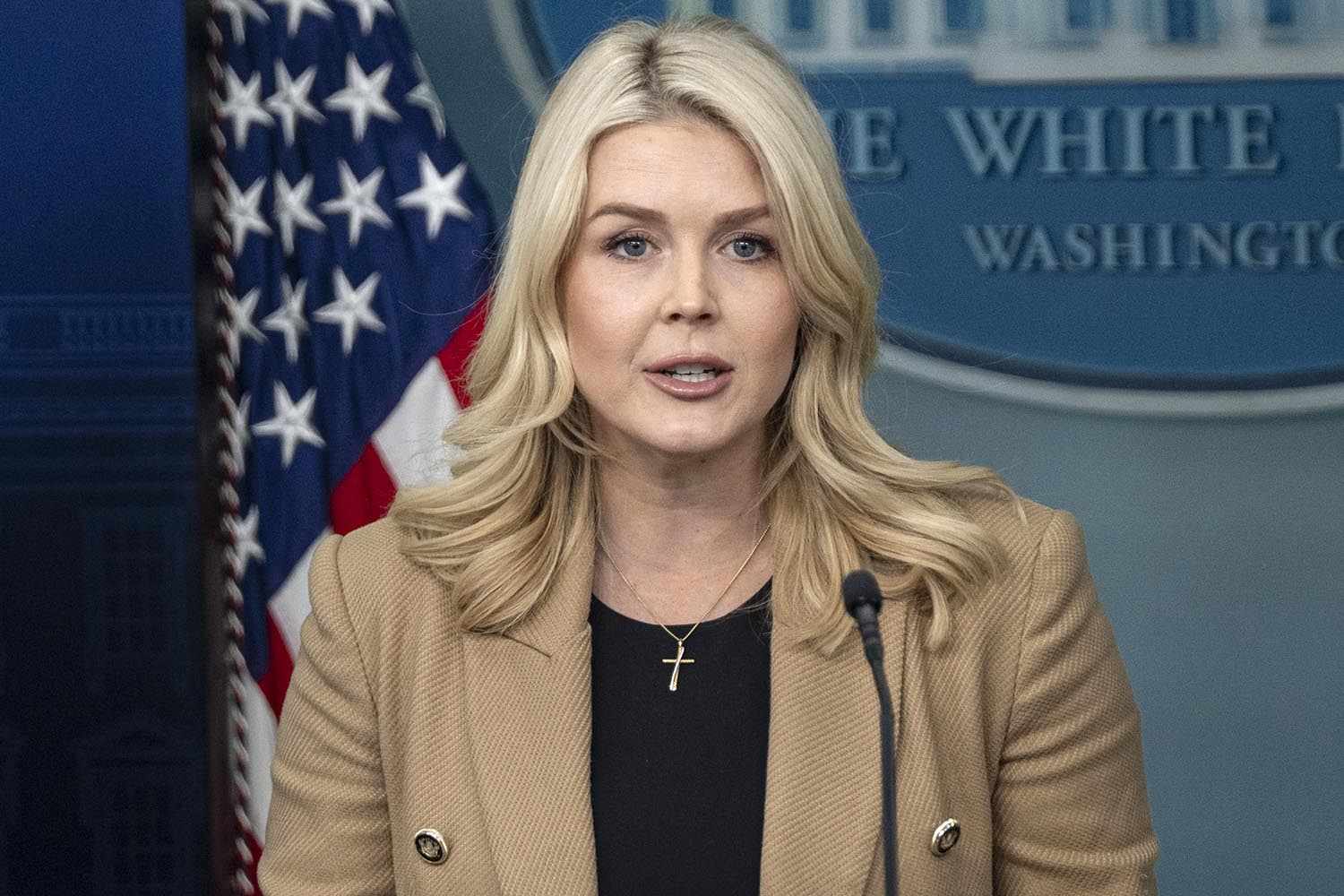
The White House’s threat to sue CBS News over the airing of President Donald Trump’s interview with Tony Dokoupil exemplifies the ongoing tension between the Trump administration and the media. While CBS ultimately aired the interview in full, the incident highlights the complex interplay of politics, media, and legal maneuvering in today’s news landscape.
If you want to stay informed about the latest developments in political media relations and understand how legal actions impact news coverage, be sure to follow our updates. Don’t miss out on critical insights—subscribe to our newsletter today!