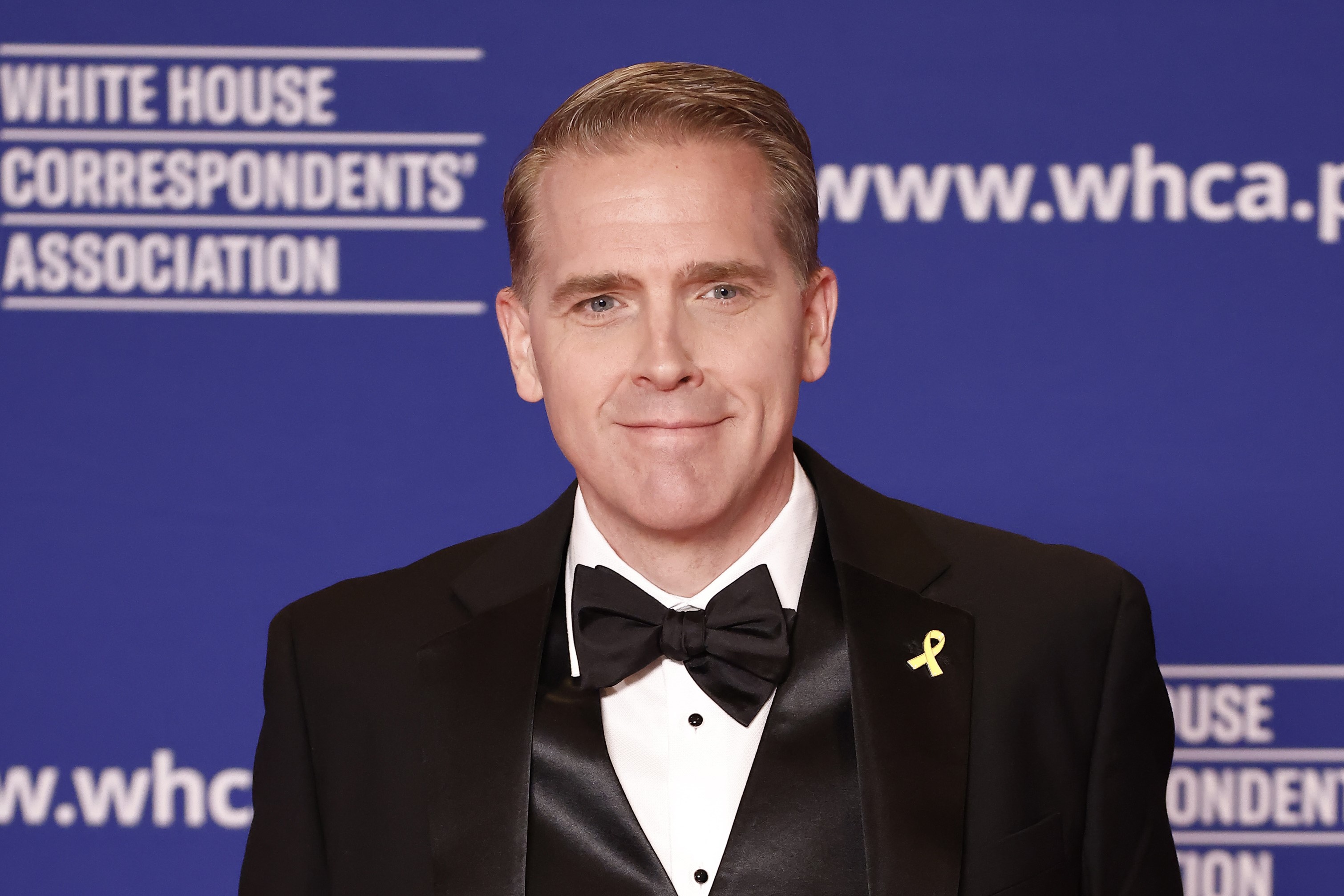
Scott Jennings Furiously Claims CNN Reported Falsely About His Firing
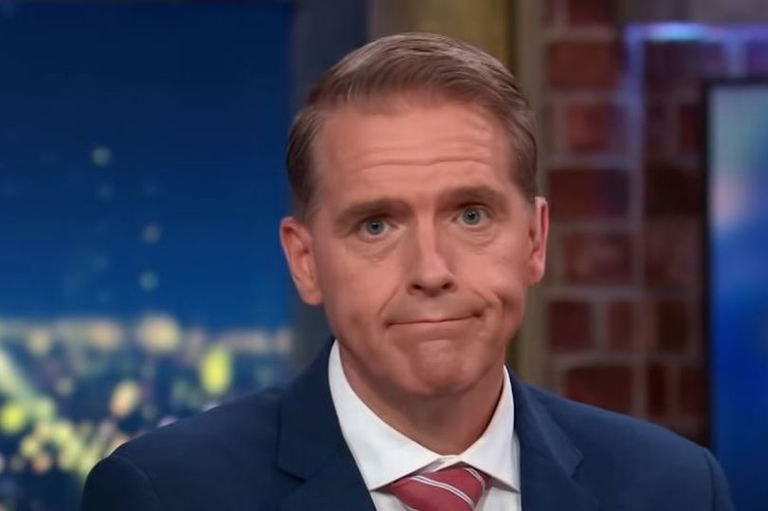
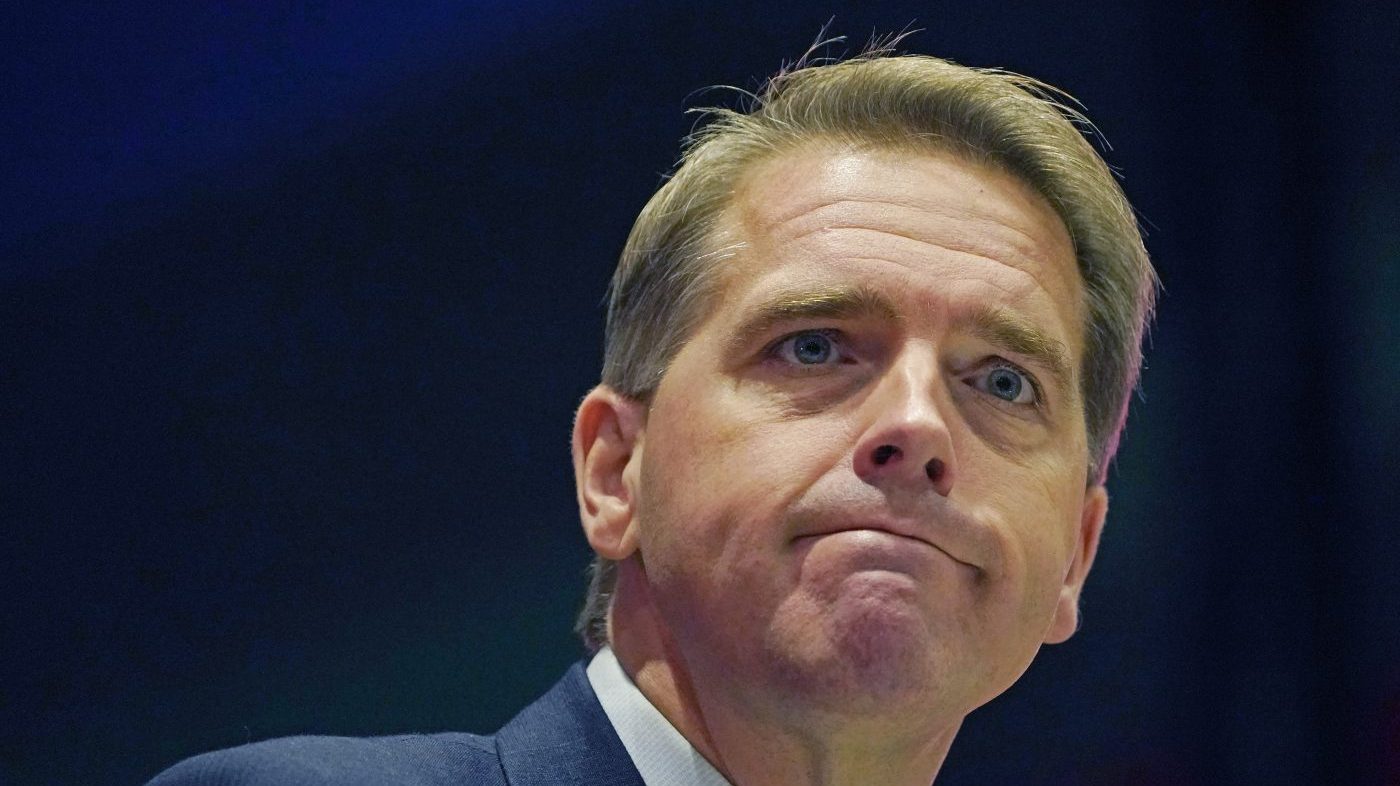
Scott Jennings, a well-known political commentator, has recently come forward with strong accusations against CNN, alleging that the network deliberately misreported the reasons behind his termination. In a public statement, Jennings declared, “Those statements weren’t even made by me,” highlighting his frustration with what he describes as false reporting. This controversy has sparked widespread discussion about media accuracy and the responsibilities of news organizations in presenting truthful information.
The Truth Behind Scott Jennings’ Firing: CNN’s Alleged False Reporting
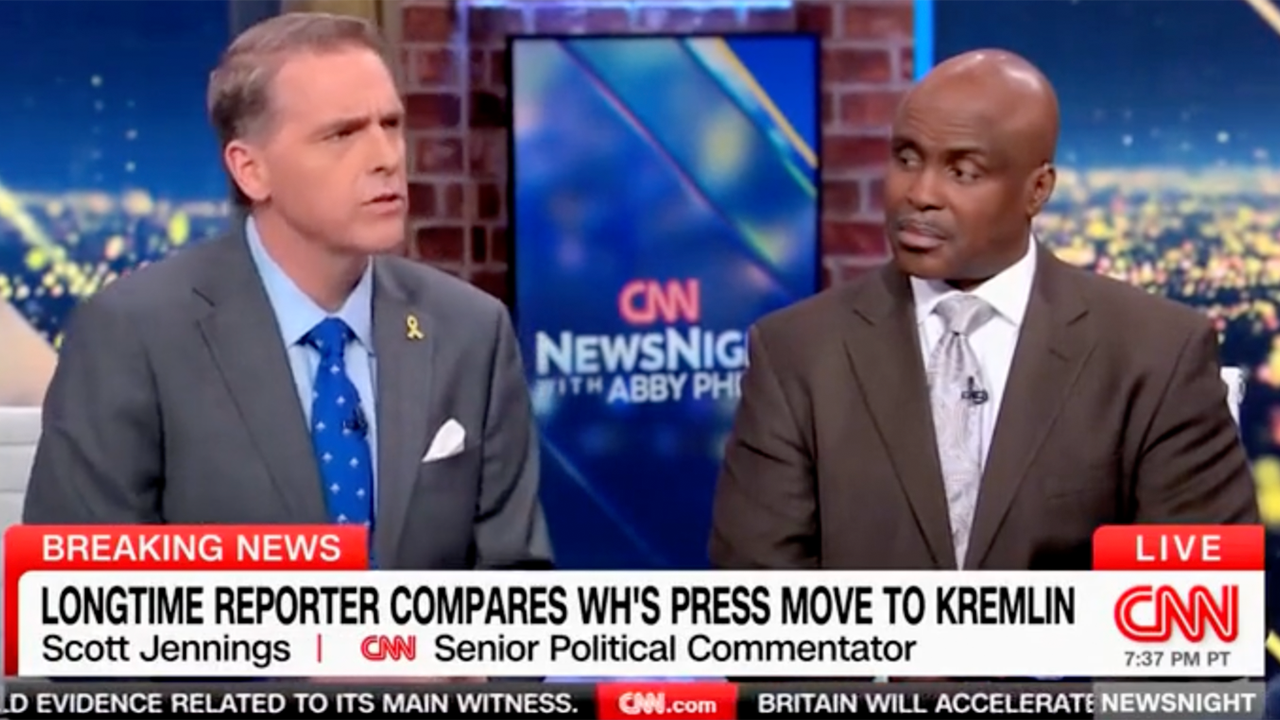
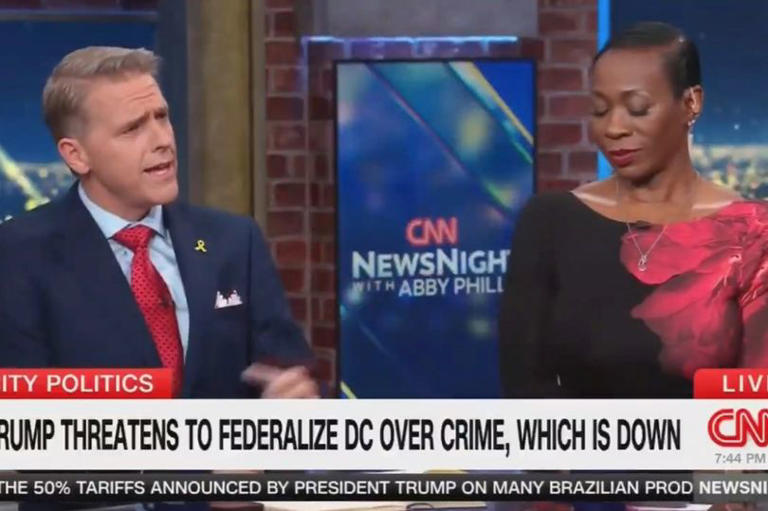
The core of the dispute lies in CNN’s coverage of Scott Jennings’ departure from their platform. According to Jennings, the network attributed statements to him that he never made, which were used as justification for his firing. This misrepresentation, he argues, not only tarnishes his professional reputation but also misleads the public regarding the actual circumstances of his exit.
Jennings’ claim that CNN “deliberately reported falsely” suggests a serious breach of journalistic ethics. Media outlets have a duty to verify facts and ensure that any statements attributed to individuals are accurate and contextualized. When this standard is not met, it can lead to misinformation and damage the credibility of both the subject and the news organization.
The controversy also raises questions about the editorial processes at CNN. How did such inaccurate information make it to air? Was there a failure in fact-checking, or was this a calculated move to shape public perception? While CNN has yet to respond in detail to Jennings’ accusations, the incident serves as a reminder of the importance of transparency and accountability in news reporting.
Implications of Media Misreporting on Public Trust and Personal Reputation
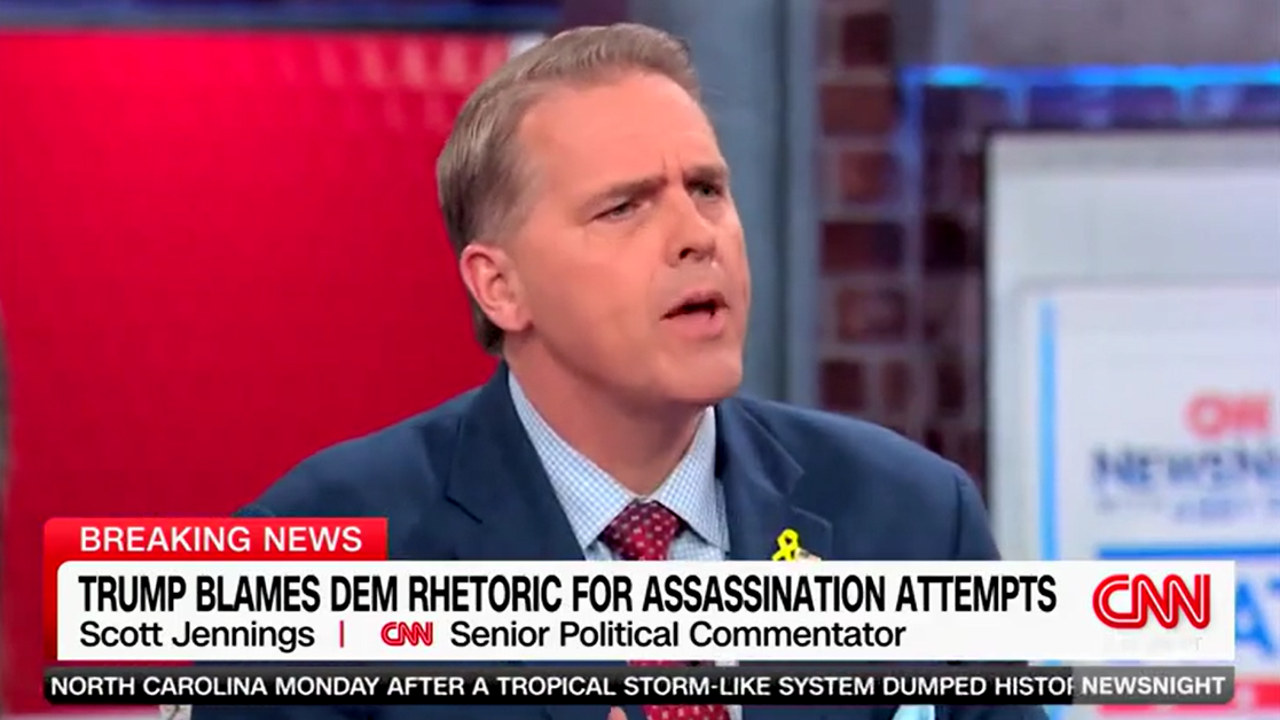
The fallout from this incident extends beyond Scott Jennings and CNN. Media misreporting can have far-reaching consequences, affecting public trust in news sources and the individuals involved. When audiences encounter conflicting narratives, it becomes challenging to discern the truth, leading to skepticism and cynicism toward journalism as a whole.
For Jennings, the false attribution of statements has personal and professional ramifications. Misleading reports can damage his credibility as a commentator and hinder future career opportunities. Moreover, the emotional toll of being publicly misrepresented cannot be underestimated.
This situation underscores the critical need for media literacy among consumers. Readers and viewers should approach news with a discerning eye, seeking multiple sources and verifying information before accepting it as fact. At the same time, news organizations must uphold rigorous standards to prevent such incidents from occurring.
Conclusion
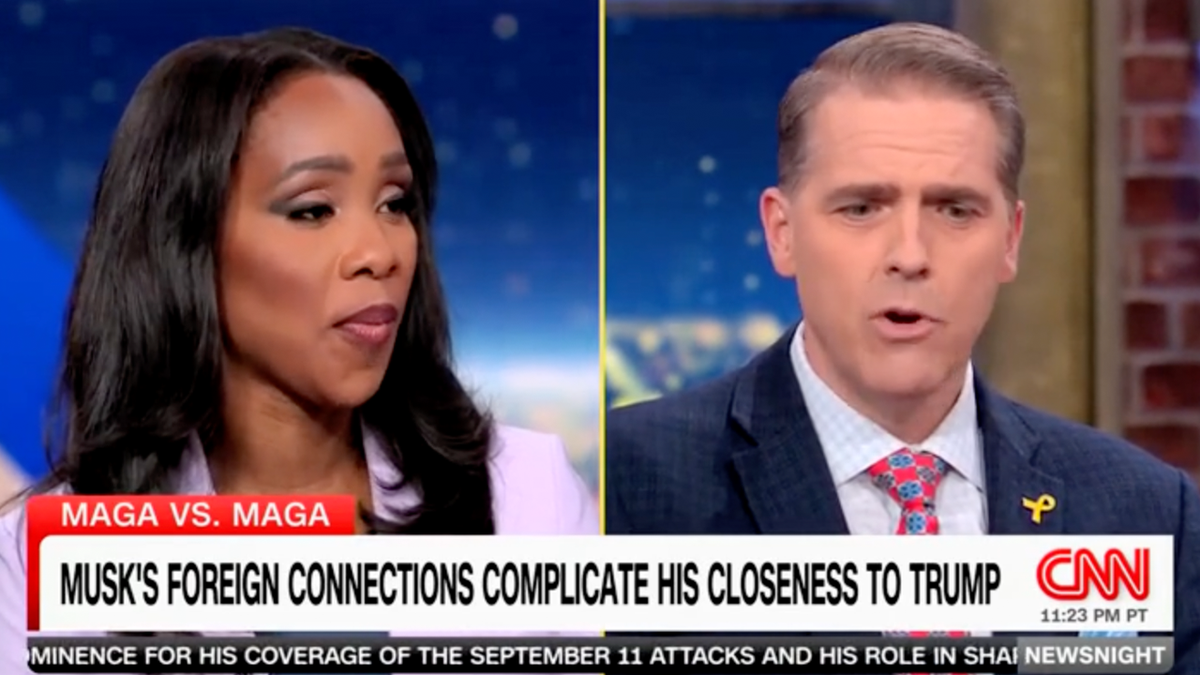
Scott Jennings’ vehement claim that CNN deliberately reported falsely about the reason for his firing highlights a significant issue in today’s media landscape: the importance of accurate and ethical journalism. As consumers of news, it is essential to demand transparency and hold media outlets accountable for their reporting. If you want to stay informed with reliable and truthful news, make sure to verify sources and support responsible journalism. Stay tuned for updates on this developing story and join the conversation about media integrity.