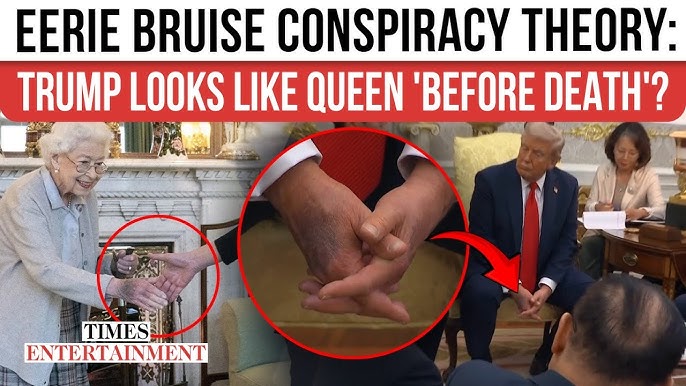
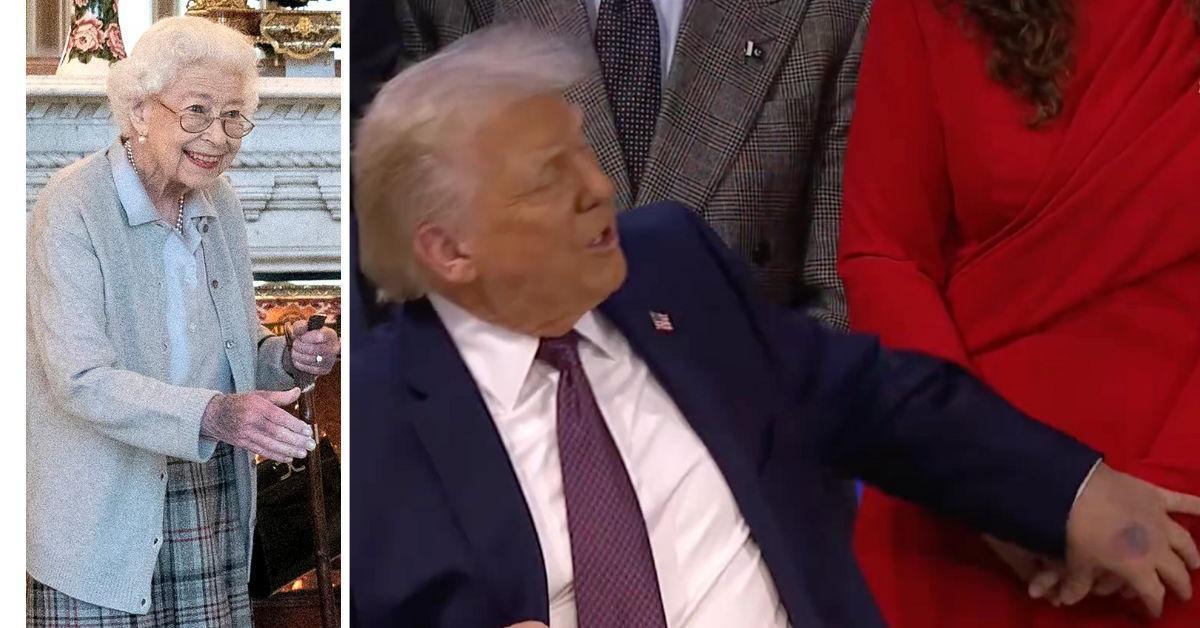
Trump’s Mysterious Hand Bruises Spark Eerie Comparisons to Queen Elizabeth Just Days Before Monarch’s Death
Unexplained Hand Bruises on Trump Stir Concern and Comparisons to Queen Elizabeth
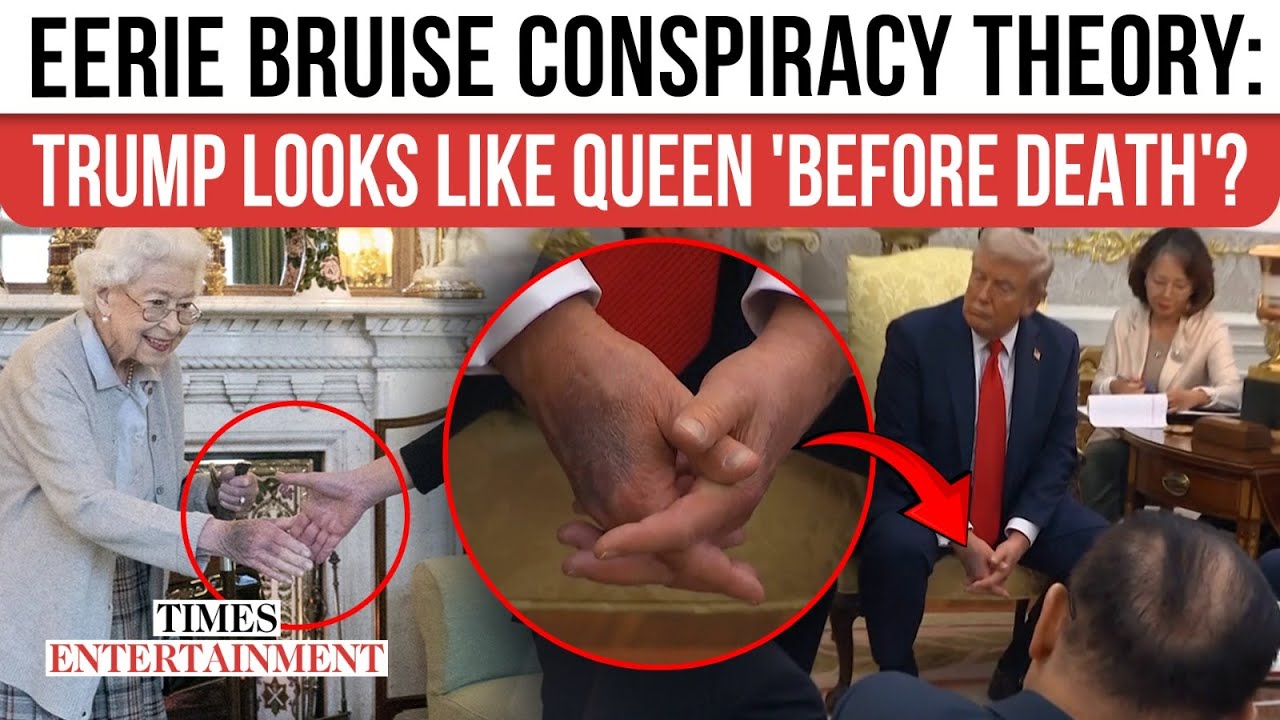
In recent weeks, former President Donald Trump has been seen with noticeable bruises on his hands, prompting widespread speculation and concern about his health. These mysterious hand bruises have not only caught the public’s attention but have also sparked eerie comparisons to the late Queen Elizabeth II, who exhibited similar bruising just days before her death at age 96. The resemblance between the two cases has led to intense discussions about the causes and implications of such bruising, especially in elderly individuals.
The White House has attributed Trump’s bruises to a combination of aspirin use for cardiovascular health and frequent vigorous handshaking. Despite these explanations, the sudden appearance of a large, dark bruise on Trump’s left hand during the World Economic Forum in Davos, Switzerland, raised eyebrows and fueled rumors about his overall wellbeing.
The Incident at Davos: A Clumsy Accident or Something More?
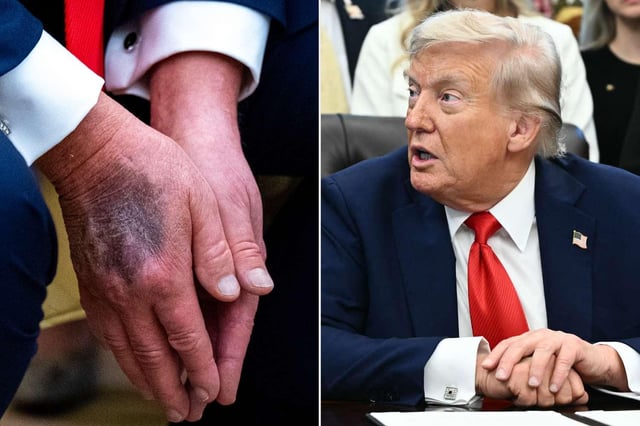
During the World Economic Forum, Trump was photographed delivering a speech without any visible bruising on his hands. However, by the next day, a significant bruise had appeared on his left hand during the Board of Peace document signing ceremony. The discoloration was not present at the beginning of the event but became evident by its conclusion.
When questioned about the bruise, Trump attributed it to a minor accident, explaining, “I clipped it on the table.” He also mentioned applying a cream to the affected area, downplaying the severity of the injury. This explanation was supported by White House Press Secretary Karoline Leavitt, who confirmed that the bruise resulted from Trump hitting his hand on the corner of the signing table.
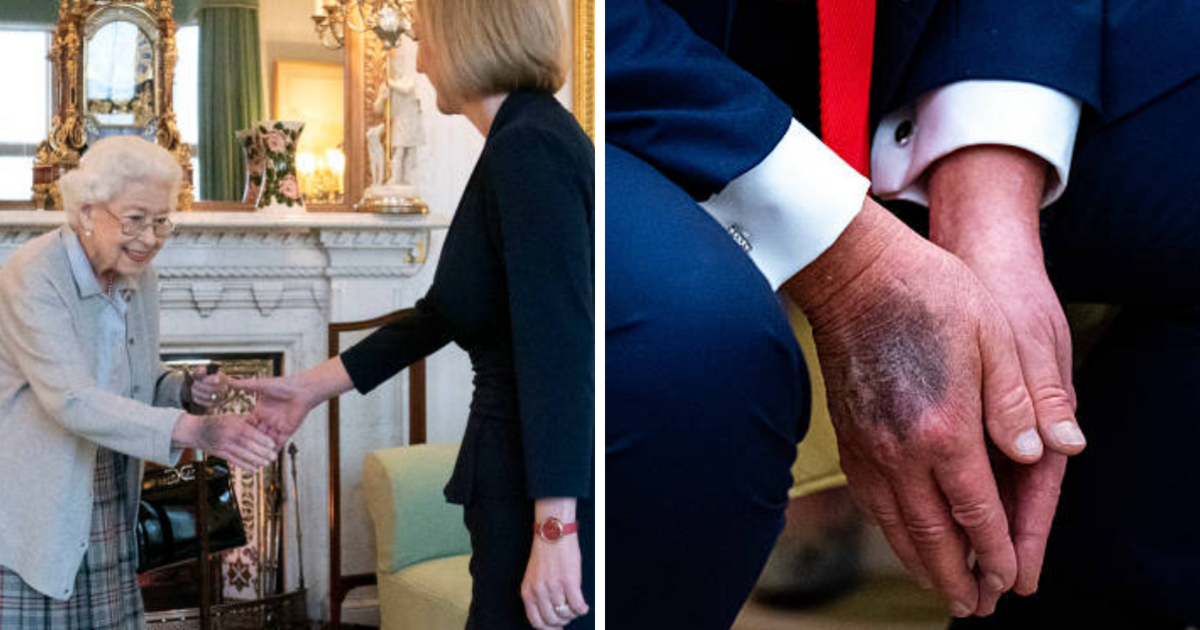
Despite these reassurances, the timing and prominence of the bruise have led many to draw parallels with Queen Elizabeth II’s own hand bruising, which appeared shortly before her death. The queen’s bruises were widely believed to be linked to her advanced age and the use of anticoagulant medications, which can cause fragile blood vessels and increased bruising.
Medical Insights: Aspirin, Aging, and Fragile Skin
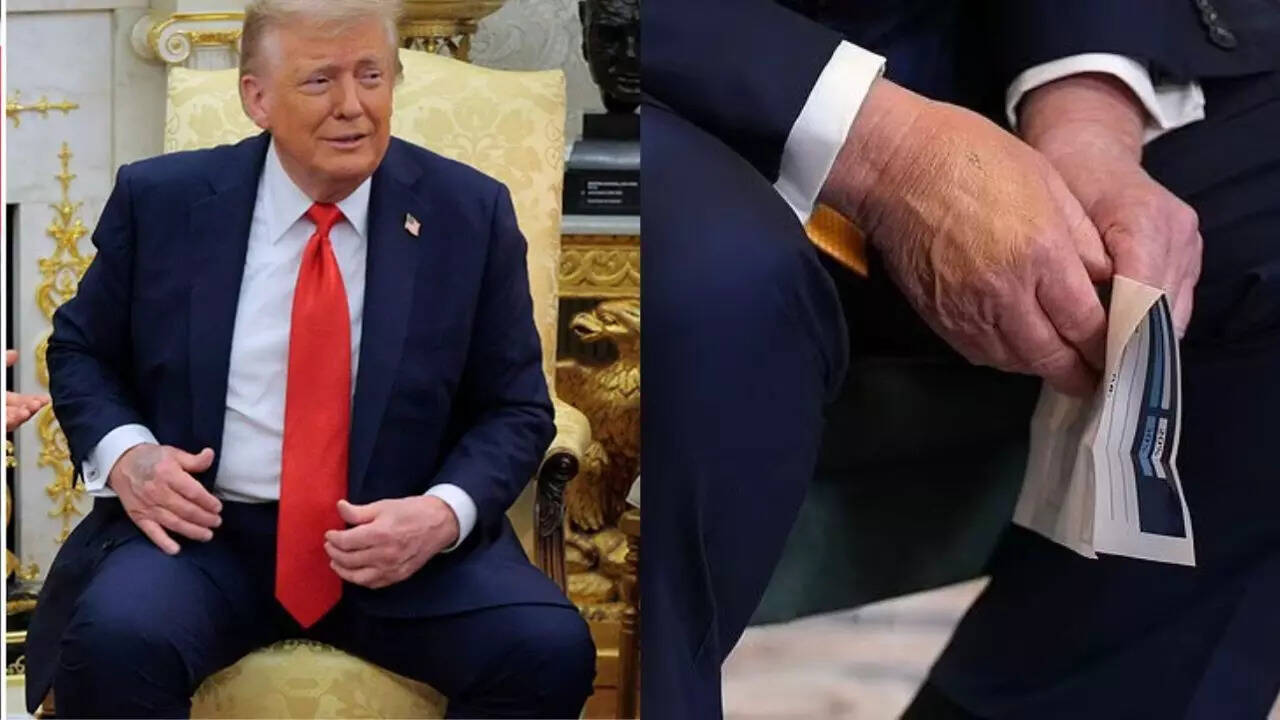
Medical experts have weighed in on the phenomenon of bruising in older adults, emphasizing that such marks are often a result of fragile capillaries and the use of blood-thinning medications. Aspirin, commonly prescribed to reduce the risk of heart attacks and strokes, is known to increase the likelihood of bruising by preventing blood clotting.
Trump himself has acknowledged this side effect, stating that he takes a “big aspirin” daily as a precautionary measure for his heart health. He remarked, “When you take the big aspirin, they tell you, you bruise.” His physician, Dr. Sean Barbabella, has also addressed the issue, explaining that the bruises are consistent with minor soft-tissue irritation caused by frequent handshaking combined with aspirin therapy.
A physician commenting on social media noted, “Older people have a certain degree of capillary fragility, and even the slightest trauma can cause these bruises.” This fragility increases with age, making elderly individuals more susceptible to visible bruising from minor bumps or pressure.
Public Reaction and Social Media Buzz
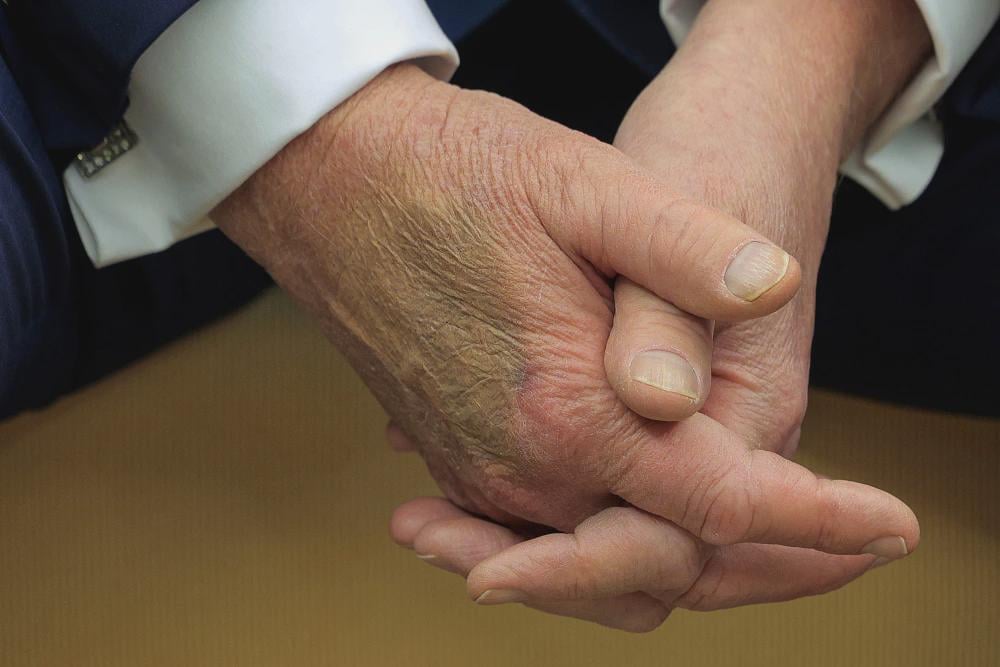
The striking similarity between Trump’s hand bruises and those of Queen Elizabeth II did not go unnoticed on social media platforms. A post on X (formerly Twitter) highlighted the resemblance, showing side-by-side photos of Trump’s bruised hand and the queen’s hand from September 2022, just days before her passing.
Comments ranged from medical explanations to humorous takes on the situation. One user joked, “The hand bruised from taming so many progressives,” while others expressed concern about the implications of such bruising in elderly public figures.
The discussion also touched on the natural aging process, with many reminding others that fragile skin and blood vessels are common in older adults, often leading to bruising even from minor injuries.
What Do These Bruises Mean for Trump’s Health?
While the bruises themselves are not necessarily indicative of serious health problems, they have nonetheless raised questions about Trump’s physical condition, especially given the public nature of his appearances. The comparison to Queen Elizabeth II’s bruising has amplified these concerns, as her bruises were seen as a subtle sign of declining health.
Dr. Barbabella’s comprehensive examination of Trump, including diagnostic vascular studies, concluded that the bruising is a benign side effect of aspirin use and frequent handshaking. He affirmed that the former president “remains in excellent health,” aiming to quell rumors and speculation.
Nevertheless, the visibility of these bruises serves as a reminder of the challenges associated with aging, particularly for public figures under constant scrutiny. It also highlights the importance of monitoring cardiovascular health and the side effects of medications like aspirin.
Understanding Bruising in the Elderly
Bruising in older adults is a common occurrence due to several physiological changes that happen with age. The skin becomes thinner, and blood vessels become more fragile, making it easier for bruises to form from minor bumps or pressure.
Medications such as anticoagulants and antiplatelet drugs, including aspirin, further increase the risk by reducing the blood’s ability to clot. While these medications are crucial for preventing serious cardiovascular events, they can lead to more frequent and pronounced bruising.
Healthcare providers often advise patients to be mindful of these side effects and to report any unusual or persistent bruising to their doctors. In most cases, bruises heal on their own without complications, but they can sometimes indicate underlying health issues that require attention.
Conclusion
Donald Trump’s mysterious hand bruises have sparked a wave of speculation and concern, especially due to their uncanny resemblance to the bruising seen on Queen Elizabeth II shortly before her death. While medical experts attribute these marks to aspirin use and age-related skin fragility, the public remains intrigued by the implications for the former president’s health.
Understanding the causes and significance of such bruising is essential, not only for public figures but for anyone managing cardiovascular health with medications like aspirin. If you or a loved one notice unexplained bruising, it’s important to consult a healthcare professional to rule out any serious conditions.
Stay informed about health updates and medical insights by subscribing to our newsletter today!