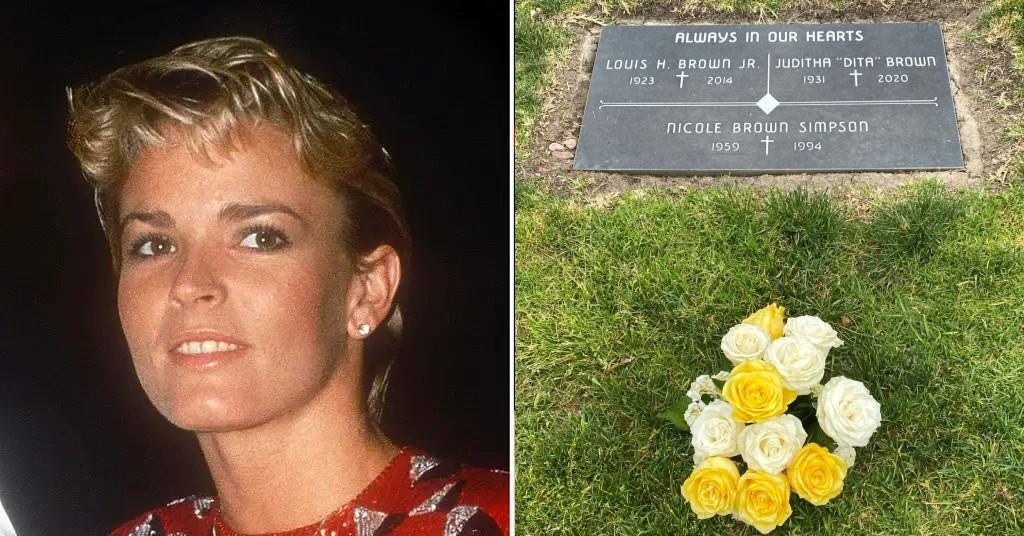
EXCLUSIVE: OJ Simpson’s Deathbed Nicole Brown Murder Confession Revealed on 32nd Anniversary of Her Slaying — ‘I Did It, So What?!’
The world was rocked by the brutal murder of Nicole Brown Simpson on June 12, 1994, a crime that would forever change the landscape of American media and justice. As we mark the 32nd anniversary of this tragic event, new revelations have surfaced that could alter the narrative surrounding one of the most infamous cases in history. In an exclusive report, it has come to light that OJ Simpson, the former football star and actor, made a shocking confession on his deathbed, stating, “I did it, so what?!”
The Context of the Confession

The confession comes at a time when the public’s interest in the case has been reignited, largely due to the recent resurgence of true crime documentaries and podcasts. Nicole Brown Simpson, who was just 35 years old at the time of her death, was found brutally murdered outside her home in Brentwood, California. The ensuing trial captivated the nation, with Simpson being acquitted of the charges in a verdict that still sparks debate today.
In the years following the trial, Simpson has maintained his innocence, often expressing his grief over the loss of Nicole and the impact of the case on his life. However, this new confession adds a chilling twist to the narrative, raising questions about the truth behind the infamous trial and the events leading up to that fateful night.
The Implications of the Confession

The implications of OJ Simpson’s deathbed confession are profound. For many, this admission could serve as a form of closure for Nicole’s family and friends, who have long sought justice for her untimely death. It also reignites discussions about the legal system, celebrity influence, and the media’s role in shaping public perception.
Moreover, this confession could lead to renewed interest from law enforcement and legal experts who may wish to revisit the case. While Simpson’s admission may not lead to legal repercussions due to his passing, it certainly opens the door for a deeper investigation into the events surrounding Nicole’s murder.
The confession also raises ethical questions about the nature of truth and accountability. Why did Simpson choose to reveal this information now, and what does it say about the complexities of guilt and remorse? As the public grapples with these questions, the legacy of the case continues to evolve.
Public Reaction and Media Coverage

The public reaction to Simpson’s confession has been mixed, with some expressing shock and others feeling a sense of vindication. Social media platforms have exploded with discussions, memes, and debates about the confession, reflecting the ongoing fascination with the case. Many are revisiting the trial’s key moments, analyzing evidence, and sharing personal opinions on the matter.
Media outlets are also responding to this revelation with renewed vigor. News programs, talk shows, and online platforms are dedicating segments to dissecting the confession, featuring experts in criminal psychology, law, and media studies. The case has once again become a focal point in American culture, demonstrating the enduring impact of Nicole Brown Simpson’s story.
As the anniversary of her death approaches, it is essential to remember Nicole not just as a victim but as a person who had dreams, aspirations, and a life ahead of her. The renewed interest in her story serves as a reminder of the importance of justice and the need for society to confront issues surrounding domestic violence and abuse.
Looking Ahead: The Legacy of Nicole Brown Simpson

As we reflect on the 32nd anniversary of Nicole Brown Simpson’s murder, it is crucial to consider the legacy she leaves behind. Her story has become a catalyst for discussions about domestic violence, women’s rights, and the complexities of the legal system. Organizations dedicated to supporting victims of domestic abuse have gained momentum, fueled by the awareness raised through high-profile cases like hers.
In light of OJ Simpson’s confession, it is vital to continue advocating for justice and support for victims. The conversation surrounding domestic violence must remain at the forefront, ensuring that future generations learn from the past and work towards a society where such tragedies are less likely to occur.
Conclusion
The shocking confession from OJ Simpson on his deathbed has reopened old wounds and reignited discussions about the infamous murder of Nicole Brown Simpson. As we remember her life and legacy, it is essential to continue advocating for justice and raising awareness about domestic violence. Let us honor Nicole by ensuring her story is not forgotten and by supporting those who are still fighting for their voices to be heard. Join the conversation and help make a difference today.