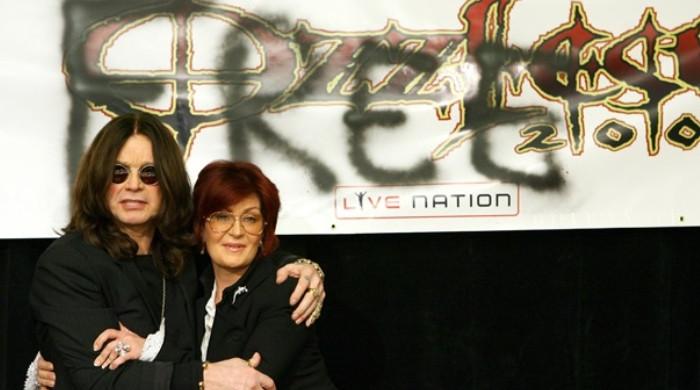
EXCLUSIVE: Why Sharon Osbourne is Fuming Over Rage-Filled Fan Reaction to Ozzy Osbourne Hologram ‘Cash Grab’
In the world of music and entertainment, few names resonate as strongly as Ozzy Osbourne. The Prince of Darkness has captivated audiences for decades, but recent developments surrounding a hologram of the iconic rocker have sparked outrage among fans. Sharon Osbourne, Ozzy’s wife and manager, has found herself at the center of this controversy, expressing her frustration over the negative reactions from fans. This article delves into the reasons behind the backlash and why Sharon is particularly upset about the situation.
The Rise of Hologram Technology in Entertainment
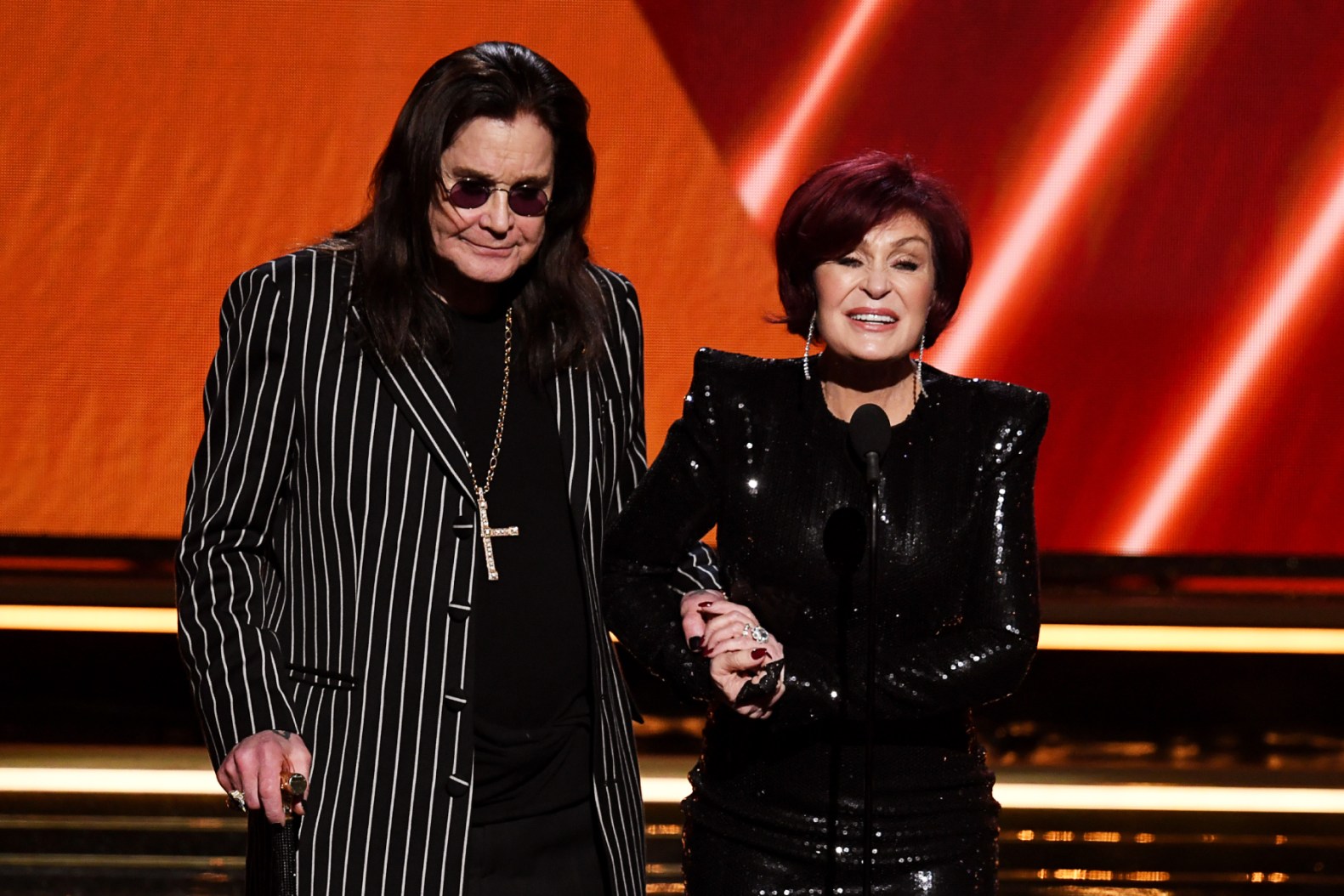
Hologram technology has made significant strides in recent years, allowing for the creation of lifelike representations of deceased or retired performers. From Tupac Shakur’s unforgettable Coachella performance to the virtual concerts featuring Michael Jackson, holograms have become a popular way to honor musical legends. However, the introduction of an Ozzy Osbourne hologram has stirred a different kind of conversation.
Fans have taken to social media to voice their opinions, with many labeling the hologram as a “cash grab.” This term refers to the perception that the hologram is merely a way for the Osbourne family to profit from Ozzy’s legacy rather than a genuine tribute to his artistry. The backlash has been intense, with fans expressing their disappointment and anger over what they see as a commodification of Ozzy’s image.
Sharon Osbourne’s Response to the Backlash
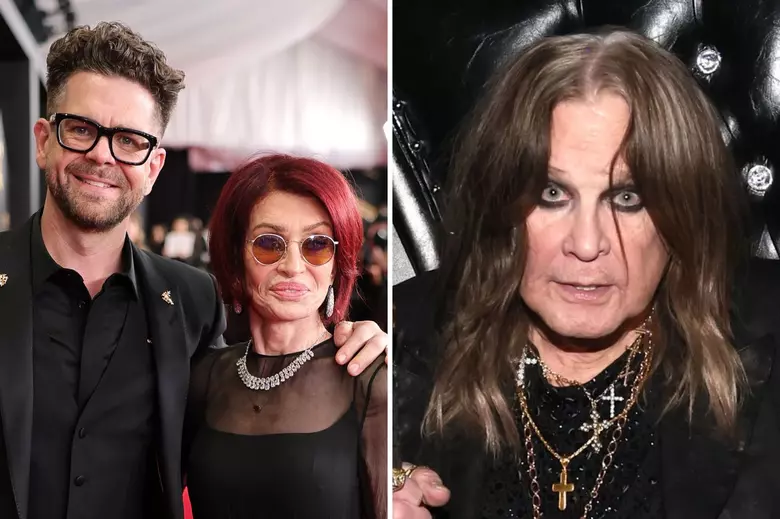
Sharon Osbourne has always been a fierce protector of her husband’s legacy. In response to the fan outrage, she has publicly defended the hologram project, emphasizing that it was created with the utmost respect for Ozzy’s artistry and his fans. Sharon argues that the hologram is not just a way to make money; it is an innovative way to celebrate Ozzy’s contributions to music and to bring his performances to a new generation of fans.
In her statements, Sharon has highlighted the technological advancements that make the hologram experience unique. She believes that it offers fans a chance to experience Ozzy’s music in a way that is both nostalgic and forward-thinking. However, despite her efforts to clarify the intentions behind the hologram, many fans remain unconvinced.
The emotional connection that fans have with Ozzy Osbourne is profound, and any perceived exploitation of that connection can lead to significant backlash. Sharon’s frustration stems from the fact that she feels the hologram is being misunderstood and unfairly criticized. She has expressed her desire for fans to approach the project with an open mind and to appreciate the innovative nature of the hologram.
The Future of Holograms in the Music Industry
As technology continues to evolve, the use of holograms in live performances and tributes is likely to become more prevalent. While the Ozzy Osbourne hologram has faced criticism, it also opens up a broader discussion about the ethics of using holograms in the music industry. Are these digital representations a fitting tribute to artists, or do they risk diluting the authenticity of live performances?
The future of holograms in music will depend largely on how artists, their families, and fans navigate this new terrain. For some, holograms may serve as a way to keep the spirit of beloved musicians alive, while for others, they may feel like a hollow imitation. The key will be finding a balance that honors the artist’s legacy while respecting the emotional connection fans have with their music.
As the debate continues, it is essential for artists and their teams to engage with fans and listen to their concerns. Transparency about the intentions behind hologram projects can help mitigate backlash and foster a sense of community among fans. Ultimately, the success of holograms in the music industry will depend on their ability to resonate with audiences on a personal level.
Conclusion
The controversy surrounding the Ozzy Osbourne hologram highlights the complexities of modern entertainment and the emotional ties fans have to their favorite artists. Sharon Osbourne’s frustration over the backlash reflects a deep commitment to preserving her husband’s legacy while navigating the challenges of new technology. As the music industry continues to evolve, it is crucial for artists and their families to engage with fans and foster open dialogue about the future of holograms in music.
Are you a fan of Ozzy Osbourne? What are your thoughts on the use of holograms in the music industry? Share your opinions in the comments below!