Chris Hayes on the Battle for Our Attention
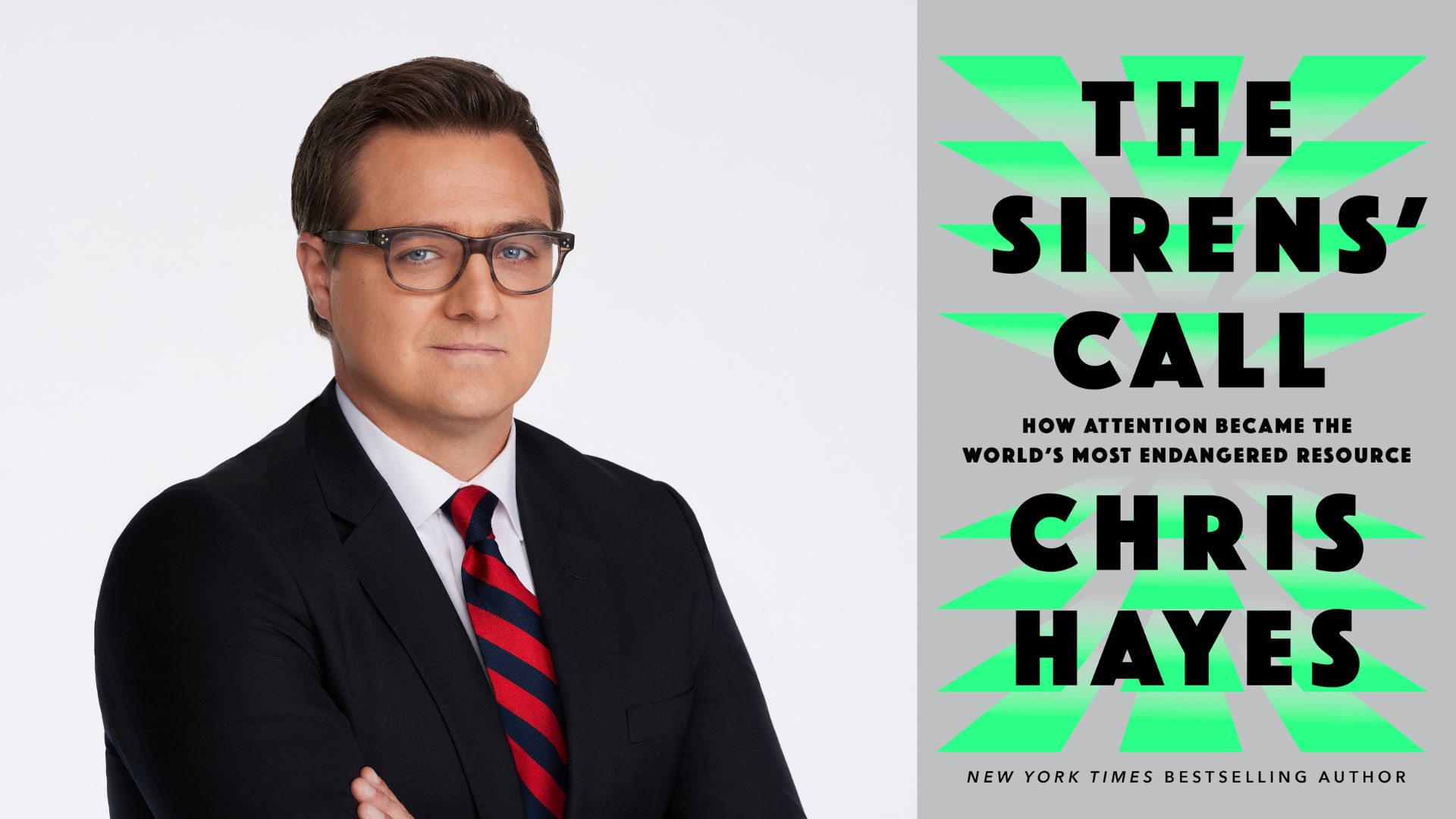
In an era where digital distractions abound, Chris Hayes sheds light on the escalating competition for our attention in his compelling new book, “The Sirens’ Call: How Attention Became the World’s Most Endangered Resource.” Hayes compellingly articulates the profound implications of this struggle, particularly in relation to how our smartphones have transformed our engagement with both information and each other. This article explores his insights regarding attention as a limited resource, the politicization of attention, and the paths we might take towards reclaiming it.
The Value of Attention in a Digital Landscape

In the digital age, information is everywhere. It is abundant, endlessly replicable, and increasingly cheap to produce. Yet, fundamentally, human attention remains a scarce commodity. Chris Hayes argues that in this new economy of attention, the challenge is not merely to attract viewers, readers, or listeners, but to foster genuine engagement. As we navigate through an ocean of content vying for our focus, it becomes crucial to recognize that while our screens can carry vast amounts of information, our ability to process, absorb, and reflect on that information is limited.
Hayes points out that this commodification of attention has serious implications for our social fabric. The constant bombardment of notifications and enticing content fragments our concentration, making it difficult to forge deep connections with others or to fully engage with our surroundings. This environment can lead to feelings of isolation and dissatisfaction, where, despite being flooded with news and social updates, we may ultimately feel disconnected and anxious.
The Political Exploitation of Attention

Hayes highlights the ways attention has been weaponized in politics, with figures like Donald Trump exemplifying the power of sensationalism and controversy to capture the public’s focus. He notes that Trump’s approach utilized an understanding of attention dynamics, leveraging outrage and spectacle to dominate media narratives. This strategic manipulation of attention can prevent constructive discourse, often leading voters to prioritize sensational headlines over nuanced discussions of policy and governance.
As political campaigns increasingly rely on attention-grabbing tactics, Hayes suggests that a wholesale reevaluation of how we engage with information is necessary. We must be vigilant consumers of content, discerning what warrants our attention and what distracts us from meaningful dialogue. This scrutiny can foster a more informed electorate, demanding accountability and depth from leaders rather than ceding our focus to headlines designed solely to provoke outrage.
Paths Towards Meaningful Attention

In a bid to reclaim our attention, Hayes outlines several potential pathways for restoring meaningful engagement. He advocates for a conscious approach to self-regulation where individuals actively prioritize relationships and personal interests over the shallow consumption of digital content. Much like the organic food movement that promotes healthier eating habits, there is potential for society to pursue alternative attention products and noncommercial spaces that encourage healthier interactions with technology.
For instance, Hayes envisions a digital environment prioritizing creators and platforms that foster authentic engagement rather than mere clickbait. This shift could resonate with a broader societal push for well-being, focusing on nurturing meaningful connections instead of maximizing screen time. Just as nutritional choices impact our health, our attention practices can shape our mental and emotional resilience.
Moreover, Hayes calls on society to rediscover the value of time dedicated to pursuits beyond labor and rest, paralleling historical movements like the eight-hour workday. He challenges individuals to reflect on what they truly value and how they allocate their attention, urging a reexamination of priorities in a world that often demands immediate responses.
Conclusion

Chris Hayes’ exploration of the battle for our attention invites us to reconsider our relationship with information in the digital age. By fostering a deeper understanding of how attention can be both a valuable resource and a weapon, we can begin to forge a path toward healthier engagement with the world around us. If you’re inspired to take control of your attention and delve deeper into these insights, consider reading Hayes’ book for a comprehensive guide on navigating our attention economy. Start prioritizing what truly matters to you and reclaim your focus.