MSNBC’s Jonathan Capehart claims ‘Obama people’ are crowding out ‘next generation’ of Dem leaders: ‘Think they know everything’

In a recent discussion on MSNBC, anchor Jonathan Capehart raised significant concerns about the prevailing influence of former President Barack Obama and his circle of advisors within the Democratic Party. Capehart pointed out that this longstanding dominance is obstructing the rise of new Democratic leaders, particularly the younger generation eager to equip the party for future challenges and opportunities.
Despite Barack Obama having stepped back from direct political involvement, his former staff members continue to hold pivotal roles within the party, actively engaging in the campaigns of figures like President Joe Biden and Vice President Kamala Harris. Capehart stressed that reliance on these Obama-era operatives can often lead to a sense of frustration among emerging leaders, who feel overshadowed and constrained by the lingering influence of past successes.
Perceptions of Arrogance Among Obama Advisors

Capehart articulated that many younger Democrats perceive those affiliated with Obama as exuding an air of arrogance, believing they have all the answers to contemporary political issues simply because of their past successes in orchestrating two victorious presidential campaigns. This sense of superiority, Capehart argues, can stifle innovative ideas and alternative strategies that younger leaders wish to introduce.
He emphasized the importance of fostering an environment where the voices of up-and-coming leaders are not only heard but actively sought out and embraced. Young Democrats are more attuned to the sentiments and needs of a diversifying voter base, something that Capehart believes the older political class often dismisses or overlooks. Ignoring these perspectives can lead to a disconnect between party leadership and the constituents they aim to serve.
Encouraging a Dialogue Between Generations
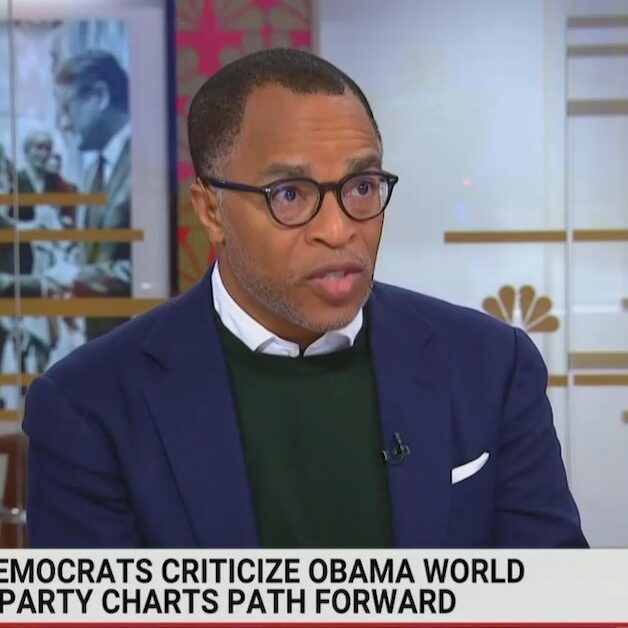
Throughout his commentary, Capehart urged the established figures from the Obama era to engage more deeply with the next generation. He posited that this dialogue is essential for the Democratic Party to remain relevant in a rapidly changing political landscape. By blending the experienced insights of past leaders with the fresh perspectives brought by younger Democrats, Capehart suggested, the party could cultivate a more robust and adaptable leadership framework.
Moreover, Capehart pointed out that President Obama has intentionally distanced himself from frontline politics, a strategy that seems aimed at empowering younger leaders. This approach reflects an understanding that while experience is invaluable, it must be complemented with the energetic optimism and innovative thinking of those who will ultimately inherit the mantle of leadership.
The Need for Balance in Democratic Leadership

The discourse championed by Capehart highlights a vital conversation within the Democratic Party regarding generational shifts in leadership. He argues that finding equilibrium between leveraging the insights from seasoned operatives and incorporating the groundbreaking initiatives proposed by new leaders is crucial for the party’s sustained relevance and success.
As the Democratic Party navigates an increasingly complex political environment, embracing this balance presents an opportunity not just for survival, but for transformative growth. It requires an acknowledgment that dependence on past triumphs can sometimes obscure fresh strategies that resonate with the ever-evolving electorate.
In light of these discussions, it is clear that fostering a collaborative relationship between generations within the Democratic Party is not just important—it’s imperative. By inviting the next generation to the table and genuinely considering their proposals and perspectives, the party can pave the way for a brighter, more inclusive future.
For those passionate about the future of the Democratic Party and keen on bridging the gap between experienced leaders and new voices, joining conversations that prioritize inclusivity and innovation in political dialogue is essential. Now is the time to advocate for these changes and to ensure that our political landscape reflects the diverse needs and aspirations of all constituents.


