Fox News Host Criticizes ‘Whiny Liberal’ Scott Pelley Over His ‘Bitter’ Anti-Trump Speech

In a recent commencement address at Wake Forest University, Scott Pelley, the notable CBS News anchor, made waves with his remarks concerning freedom of speech and the health of journalism in America. Pelley’s speech addressed a looming “insidious fear” that he believes is threatening the integrity of various sectors, particularly under the influence of the Trump administration. He raised alarms about the ongoing attacks on the rule of law and the essential need for free speech, emphasizing that voicing dissent should not be met with intimidation or repercussions.

Pelley’s comments did not go unnoticed, especially by Laura Ingraham, a prominent Fox News host. Ingraham took to her platform to heavily criticize Pelley’s speech, dubbing him a “whiny liberal” and pointing out the bitterness she perceives in his rhetoric. She recounted their past experiences at CBS, suggesting that Pelley’s relevance has waned over time. Ingraham accused Pelley, as well as traditional media outlets like CBS, of contributing to a decline in journalistic standards, alleging a persistent bias against Trump and similar figures.
Media Bias and Its Impact on Journalism

While Pelley’s comments were framed around broader challenges confronting free speech, they notably echoed criticisms of the Trump administration’s approach to media. Although he refrained from directly naming Trump, his references suggested an underlying frustration with policies that he believes stifle open dialogue in educational settings and beyond. Ingraham contended that Pelley’s position could be interpreted as a call to maintain the status quo of left-leaning narratives in journalism, reiterating that legacy media has often driven biased agendas that adversely affect public discourse.

Ingraham further elaborated that Pelley’s speech reflected a kind of self-serving victimhood, one that neglects the complexities surrounding media bias and the consequences it has had on how news is consumed by the public. She argued that this oversight feeds into larger societal divides, suggesting that journalists can no longer afford to ignore their role in shaping the public’s perception of political narratives and conflicts.
The Rising Tensions Between Trump and Media Outlets

Adding fuel to the already fiery exchange, the ongoing legal battles that Trump has engaged in with CBS further complicate the landscape between media and political figures. Trump has criticized CBS for what he considers misleading reporting, which has only intensified the friction between him and the media. Ingraham leaned into this dynamic during her critique of Pelley, asserting that the mainstream media’s past coverage contributes to the hostility that now defines the relationship between Trump and major news outlets.
Throughout her commentary, Ingraham pushed back against Pelley’s narrative that characterized him as a defender of truth in journalism. She suggested that rather than being a bastion of integrity, the media has fostered an environment where dissenting voices are often stifled, and stories are shaped to fit particular agendas. According to Ingraham, this reality makes Pelley’s call for open dialogue feel disingenuous and hypocritical.
The Broader Implications for Freedom of Speech in America
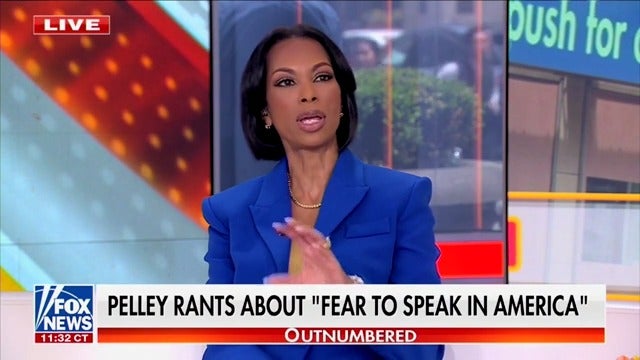
Pelley’s assertions during his commencement address resonate with many who share concerns about the chilling effect on free speech in America. Yet, Ingraham’s rebuttal frames this discussion in a context where accountability and representation in media are just as critical. By questioning the integrity and motivations behind media figures like Pelley, she raises essential discussions about who gets to speak in the public arena and how those narratives are constructed.
In conclusion, the back-and-forth between Pelley and Ingraham serves as a reflection of the ongoing battle over journalistic integrity, media bias, and the complexities of free speech in contemporary America. As the discourse evolves, it remains crucial for audiences to critically engage with news narratives and hold journalists accountable for their reporting practices. To fully understand the intricacies of these debates, people must continue to educate themselves about the roles that both media and political figures play in shaping public discourse.


