Blair Underwood Turned Down Original ‘Sex and the City’ Role Over Racial Fetishism Storyline
Blair Underwood’s Decision to Reject the Initial ‘Sex and the City’ Role

Blair Underwood, the acclaimed actor known for his versatile roles, recently opened up about a significant decision he made early in his career regarding the hit HBO series, *Sex and the City*. Before he became widely recognized for playing Dr. Robert Leeds, Miranda Hobbes’ love interest, Underwood was initially offered a different role — one that he ultimately turned down due to concerns over its problematic racial undertones.
The original character was intended to be Samantha Jones’ Black boyfriend, a role that came with a storyline centered around racial fetishism. Specifically, Samantha’s character was portrayed as having a curiosity about Black men’s anatomy, a narrative that made Underwood uncomfortable. He felt that this portrayal reduced his character to a mere curiosity rather than a fully developed human being.
Underwood explained on the show *Q with Tom Power* that while he appreciated the opportunity, he chose to decline the role because he did not want to be typecast or objectified in such a manner. “Kim Cattrall’s character, Samantha, had a storyline where she had a curiosity about Black men and Black men’s anatomy, and she wanted to know if it was true,” Underwood said. “I’m always grateful when anyone thinks of me. I don’t take that lightly or for granted. I said, ‘Thank you very much, but I’m gonna pass.’”
This decision highlights Underwood’s commitment to dignity and respect in the roles he chooses, especially when it comes to sensitive issues like race and representation.
How Underwood Later Joined ‘Sex and the City’ as a Different Character

Two years after turning down the initial role, producers approached Blair Underwood again with a new offer. This time, the role was to play Dr. Robert Leeds, a sports medicine physician and the love interest of Miranda Hobbes, portrayed by Cynthia Nixon. Before accepting, Underwood sought clarity on how his character would be portrayed, particularly regarding race.
He asked the producers, “Is he the Black guy, is he the curiosity of these characters, or can he just be a human being that falls in love?” The producers assured him that the storyline would not focus on racial stereotypes or fetishism. Instead, his character would be treated as a well-rounded individual, with no emphasis on race as a defining trait.
Underwood accepted the role, and it turned out to be a memorable part of the show’s sixth season. He expressed gratitude for the opportunity and reflected on how glad he was that he did not reject the role this time. “It’s amazing. People remember it to this day. It was remarkable,” he said.
His portrayal of Dr. Leeds was well-received, and his on-screen chemistry with Cynthia Nixon added depth to Miranda’s storyline. Underwood also praised Nixon’s kindness and professionalism during filming, noting how welcoming she was when he joined the cast.
The Importance of Respectful Representation in Television

Blair Underwood’s experience with *Sex and the City* underscores a broader conversation about representation and racial sensitivity in the entertainment industry. His initial rejection of a role rooted in racial fetishism reflects a growing awareness among actors and audiences about the impact of stereotypical portrayals.
Racial fetishism in media often reduces characters to exotic or sexual objects based on their race, stripping away their humanity and complexity. This kind of portrayal can perpetuate harmful stereotypes and alienate viewers who seek authentic and respectful representation.
Underwood’s insistence on playing a character who is “just a human being” rather than a racial curiosity aligns with a shift in Hollywood toward more nuanced and diverse storytelling. Actors today are increasingly vocal about the roles they accept, advocating for characters that reflect the full spectrum of human experience without resorting to clichés or offensive tropes.
Moreover, Underwood’s story serves as a reminder to producers and writers about the importance of thoughtful character development. When creators prioritize respect and authenticity, they not only empower actors but also enrich the narratives that resonate with audiences worldwide.
Blair Underwood’s Legacy and Continued Advocacy
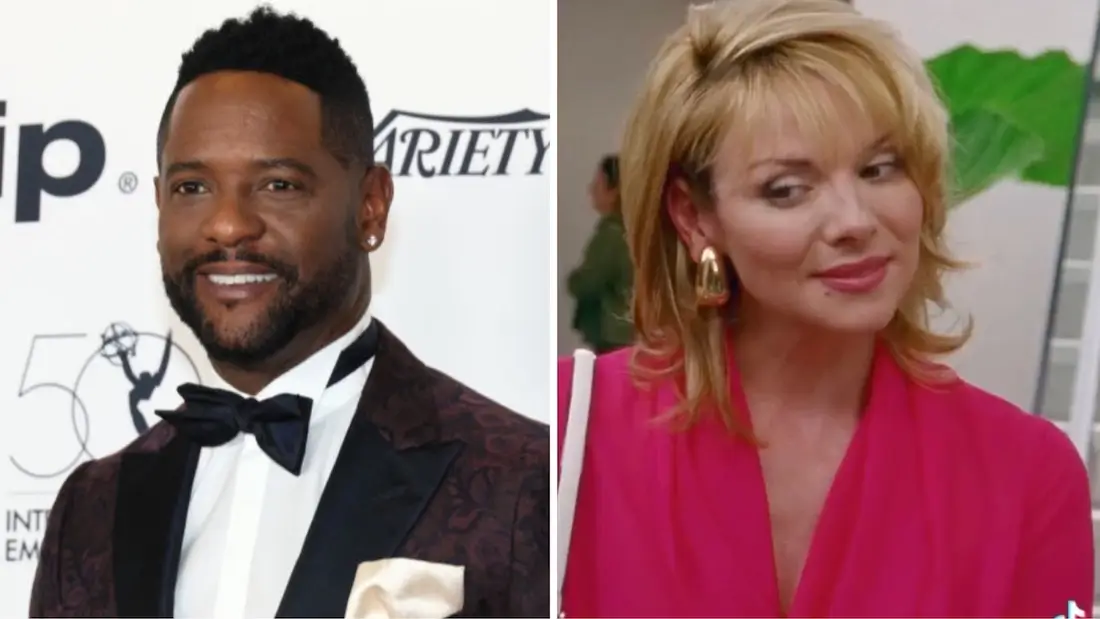
Throughout his career, Blair Underwood has been known for choosing roles that challenge stereotypes and promote positive representation. His decision to turn down the original *Sex and the City* role is just one example of his commitment to this principle.
Beyond his acting work, Underwood has spoken out about diversity and inclusion in Hollywood, encouraging the industry to move beyond tokenism and embrace stories that celebrate the complexity of all individuals. His advocacy contributes to ongoing efforts to create a more equitable and respectful entertainment landscape.
Underwood’s journey also highlights the importance of dialogue between actors and producers. By asking critical questions about character portrayal, actors can influence how stories are told and ensure that their roles contribute meaningfully to cultural conversations.
Conclusion

Blair Underwood’s choice to decline the original *Sex and the City* role due to its racial fetishism storyline is a powerful example of standing up for respectful representation in media. His later acceptance of a more thoughtfully written character allowed him to showcase his talent while maintaining his integrity. This story not only sheds light on the challenges Black actors face in Hollywood but also inspires ongoing discussions about diversity, respect, and authenticity in storytelling.
If you want to stay updated on more insightful stories about your favorite actors and television shows, be sure to subscribe to our newsletter and follow us for the latest entertainment news and exclusive interviews.


