Tommy Lee Jones’ Daughter Victoria Was Offered Plea Deal Before Death
Victoria Jones’ Plea Deal and Legal Troubles

Victoria Jones, daughter of renowned actor Tommy Lee Jones, was reportedly offered a plea deal prior to her sudden and tragic death. According to court documents and reports, the plea agreement was extended following her April arrest related to drug possession and resisting arrest. The deal was contingent on her maintaining sobriety and complying with probation terms, highlighting the serious nature of her legal challenges.
The incident leading to the plea deal began when police conducted a welfare check after Victoria accidentally dialed emergency services in Napa County. Upon arrival, officers observed signs consistent with drug use, including a white residue on her tongue and erratic behavior. Victoria admitted to using cocaine that day, which led to her arrest. The plea deal offered by Napa County prosecutors required her to plead guilty to resisting arrest and possession of a controlled substance, while the charge of being under the influence was dropped.
In exchange, Victoria would have been placed on probation for one year, mandated to attend an alternative program such as counseling, and submit to random drug testing. She would also be responsible for the costs associated with the program and any fines resulting from her charges. Her next court date was scheduled for January 20, where she was expected to enter a plea, but tragically, she passed away before this could take place.
The Circumstances Surrounding Victoria’s Death

Victoria was found deceased at the Fairmont Hotel in San Francisco early one Thursday morning, with initial reports suggesting the cause may have been related to an overdose. Emergency dispatch audio indicated the possibility of drug involvement, which aligns with her recent struggles with substance abuse and legal issues.
Her family released a brief statement expressing gratitude for the support they received and requested privacy during this difficult time. Victoria was only 34 years old, and her untimely death has brought attention to the challenges faced by individuals battling addiction and the complexities of the legal system in addressing these issues.
Despite the plea deal offering a path toward rehabilitation and sobriety, Victoria’s passing underscores the urgency of comprehensive support for those struggling with substance abuse. The plea agreement was designed to provide her with an opportunity for recovery, but unfortunately, she was unable to benefit from it.
Understanding the Impact of Plea Deals in Drug-Related Cases

Plea deals like the one offered to Victoria Jones are common in drug-related offenses, especially when the defendant shows willingness to seek treatment and comply with court orders. These agreements often include conditions such as probation, mandatory counseling, and drug testing, aiming to reduce recidivism and promote rehabilitation.
In Victoria’s case, the plea deal was structured to hold her accountable while providing support to overcome addiction. However, the effectiveness of such agreements depends heavily on the individual’s circumstances and access to resources. The tragic outcome highlights the need for enhanced intervention strategies and mental health support alongside legal measures.
Moreover, plea deals can alleviate the burden on the court system by resolving cases without lengthy trials, but they must be carefully tailored to ensure defendants receive the help they need. Victoria’s story serves as a poignant reminder of the human element behind legal proceedings and the importance of compassionate approaches to substance abuse.
The Role of Family and Public Support
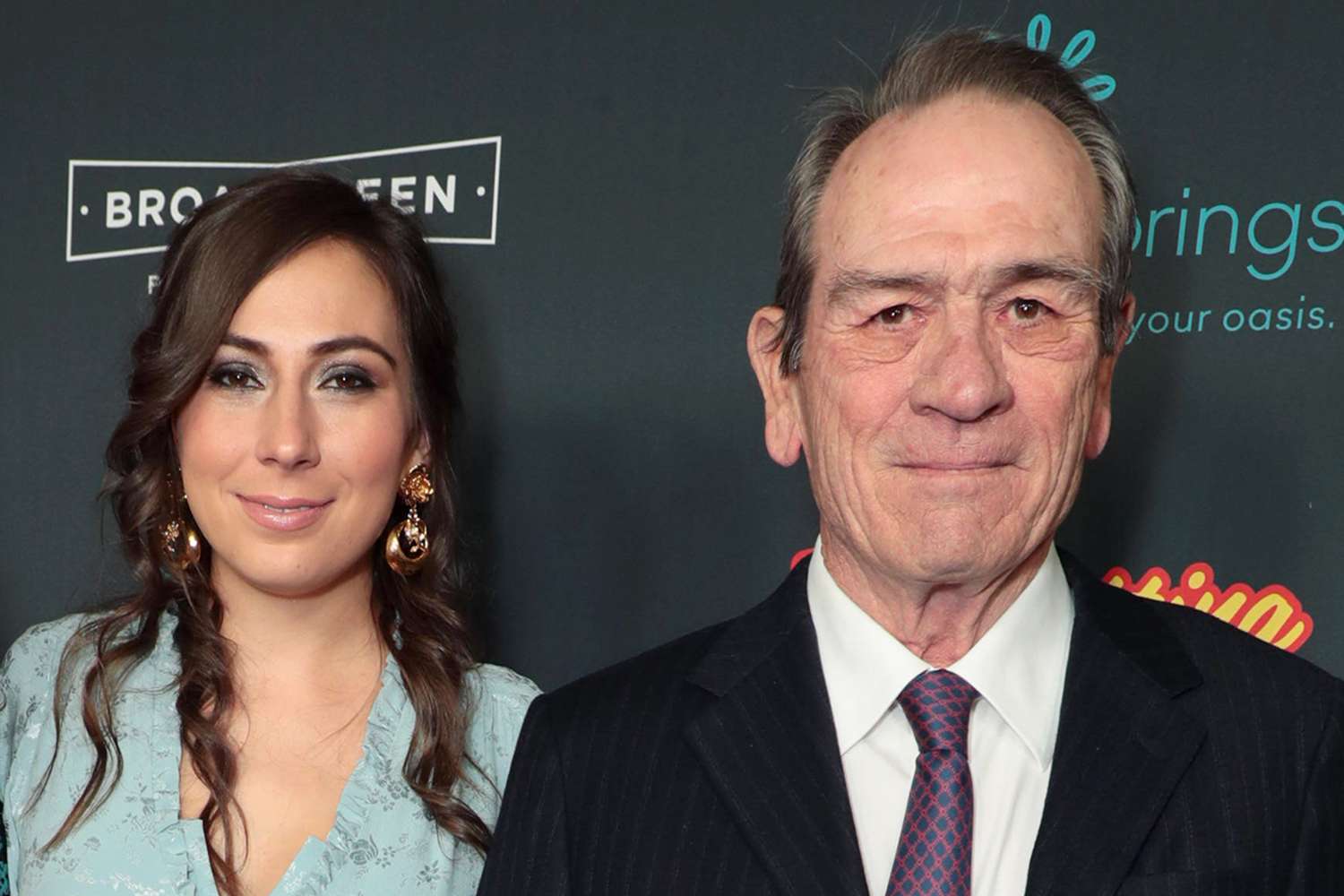
The response from Victoria’s family, though brief, reflects the profound impact her death has had on those close to her. Public figures like Tommy Lee Jones often face intense scrutiny when personal tragedies occur, making privacy and respect essential during such times.
Community and public support can play a crucial role in raising awareness about addiction and encouraging individuals to seek help. Victoria’s case has sparked conversations about the challenges of addiction, the criminal justice system’s role, and the importance of early intervention.
Families affected by similar struggles often benefit from outreach programs and support networks that provide guidance and resources. Increasing public understanding and reducing stigma around addiction are vital steps toward preventing future tragedies.
Conclusion
Victoria Jones’ plea deal requiring sobriety was a critical opportunity for her to address her legal and personal challenges, but her untimely death tragically cut short this chance for recovery. Her story sheds light on the complexities of addiction, the legal system’s efforts to balance accountability with rehabilitation, and the vital need for comprehensive support for those struggling with substance abuse.
If you or someone you know is facing similar challenges, don’t wait to seek help. Reach out to local support groups, counseling services, or legal aid to explore options that can lead to recovery and a brighter future. Remember, help is available, and taking the first step can make all the difference.