Why Was Prince Andrew Stripped of His Titles? What Led to the King’s Move
The Background: Why Prince Andrew Lost His Titles
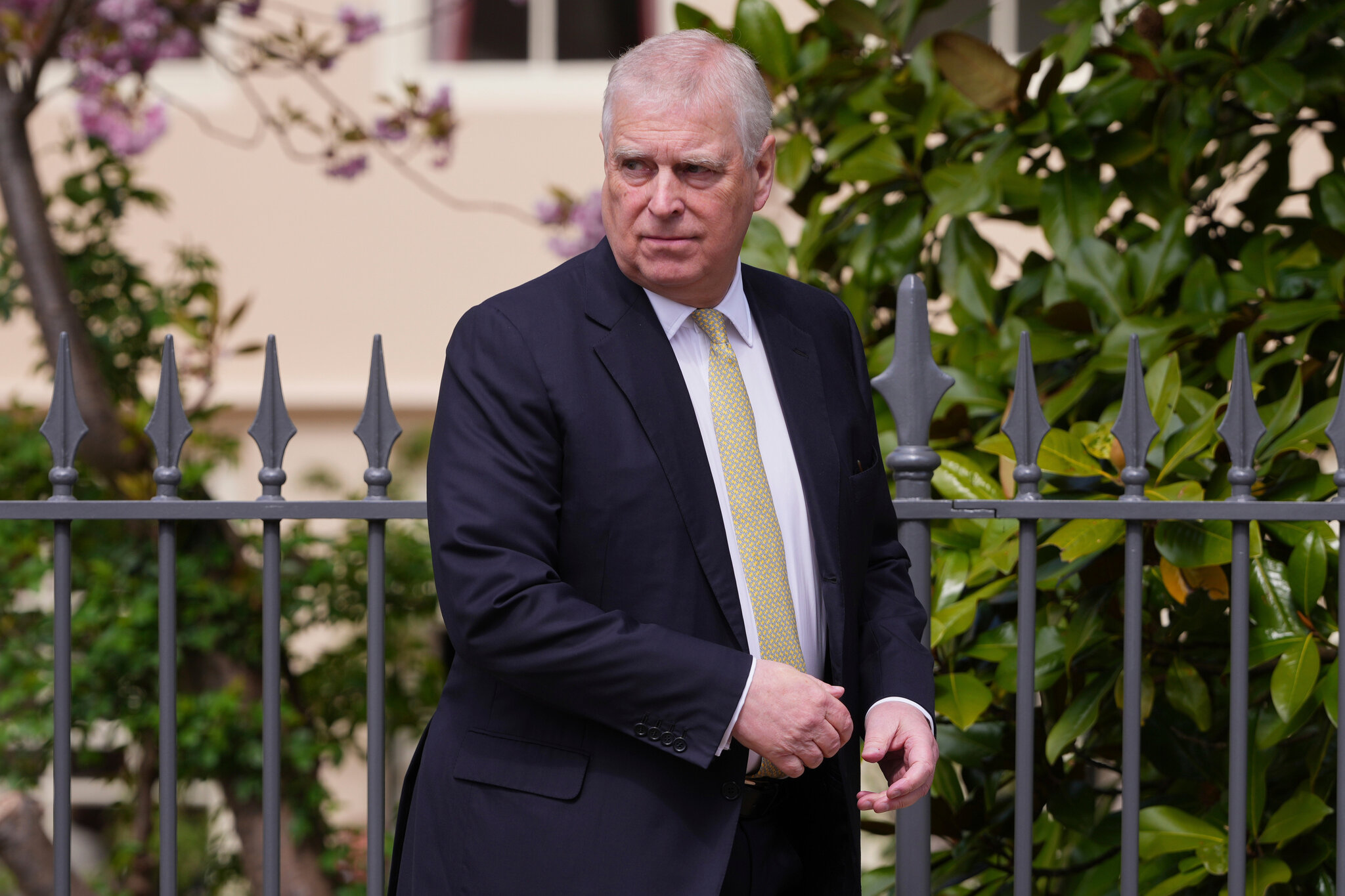
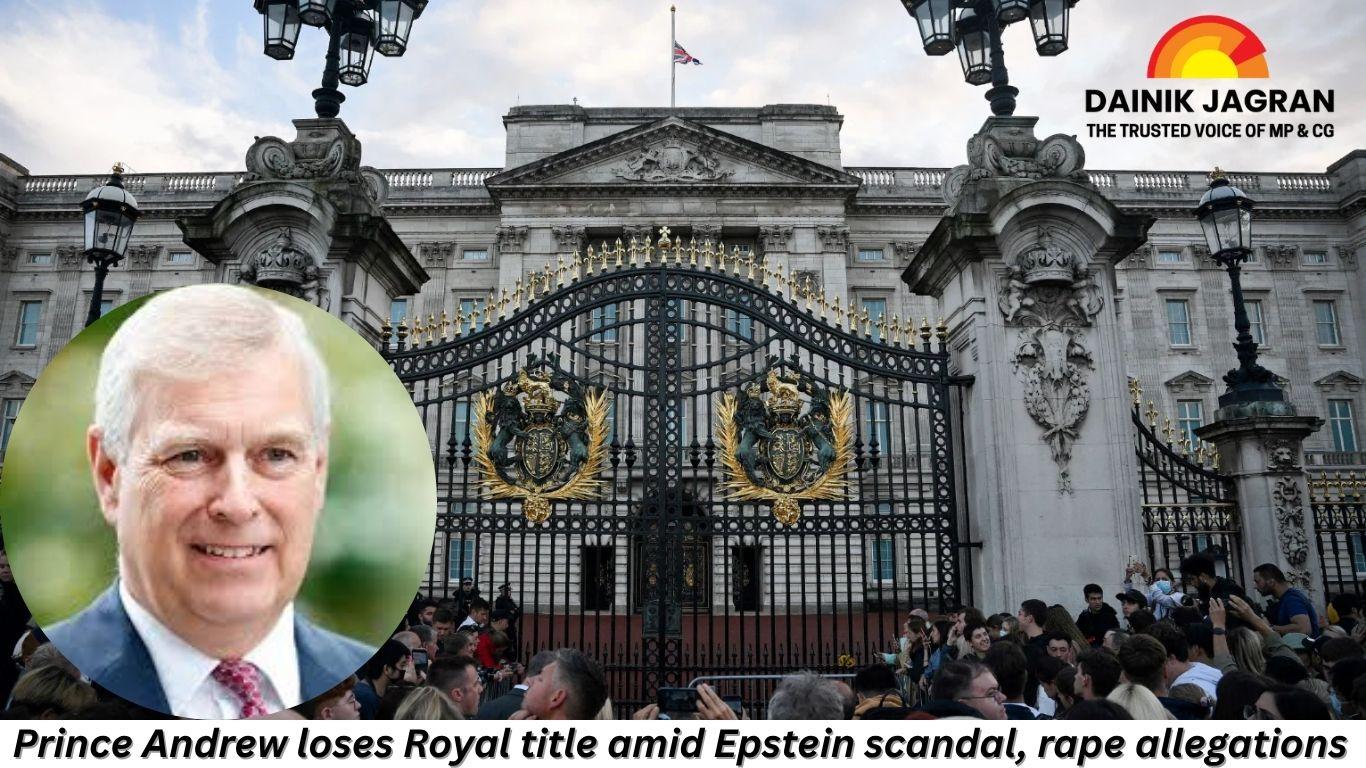
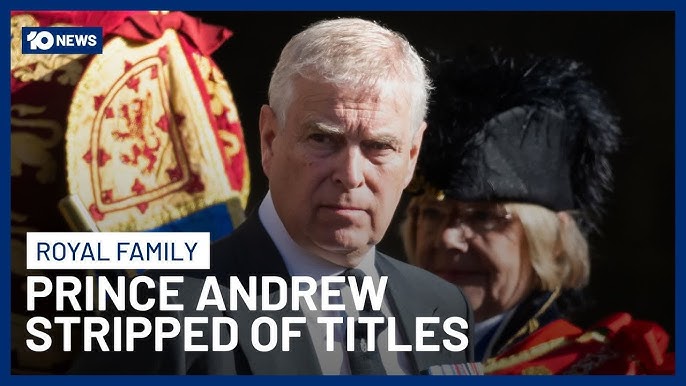
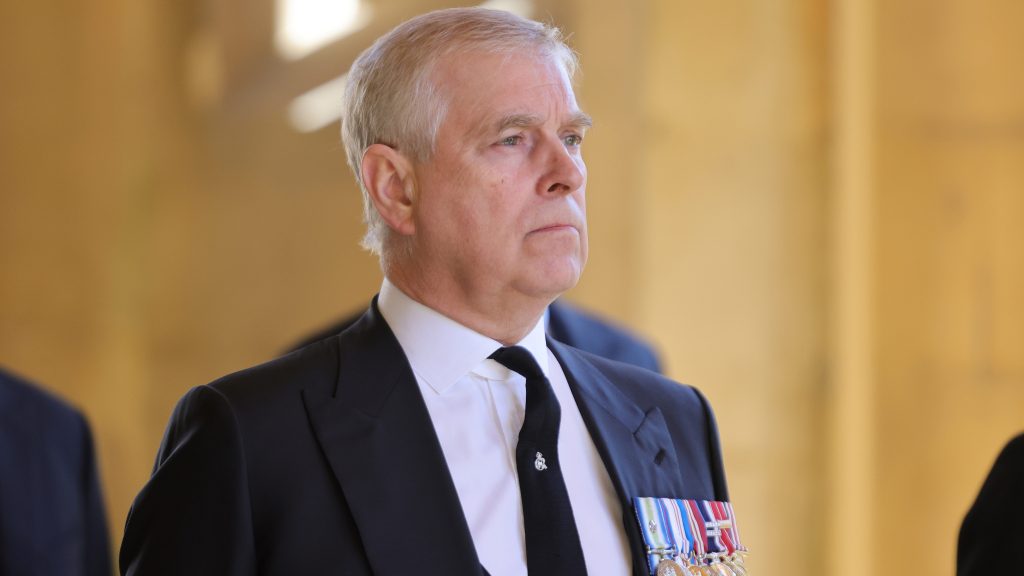
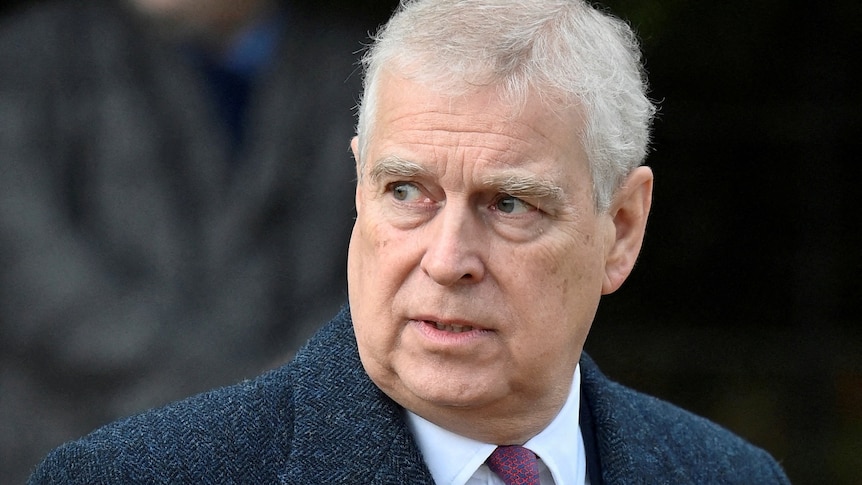
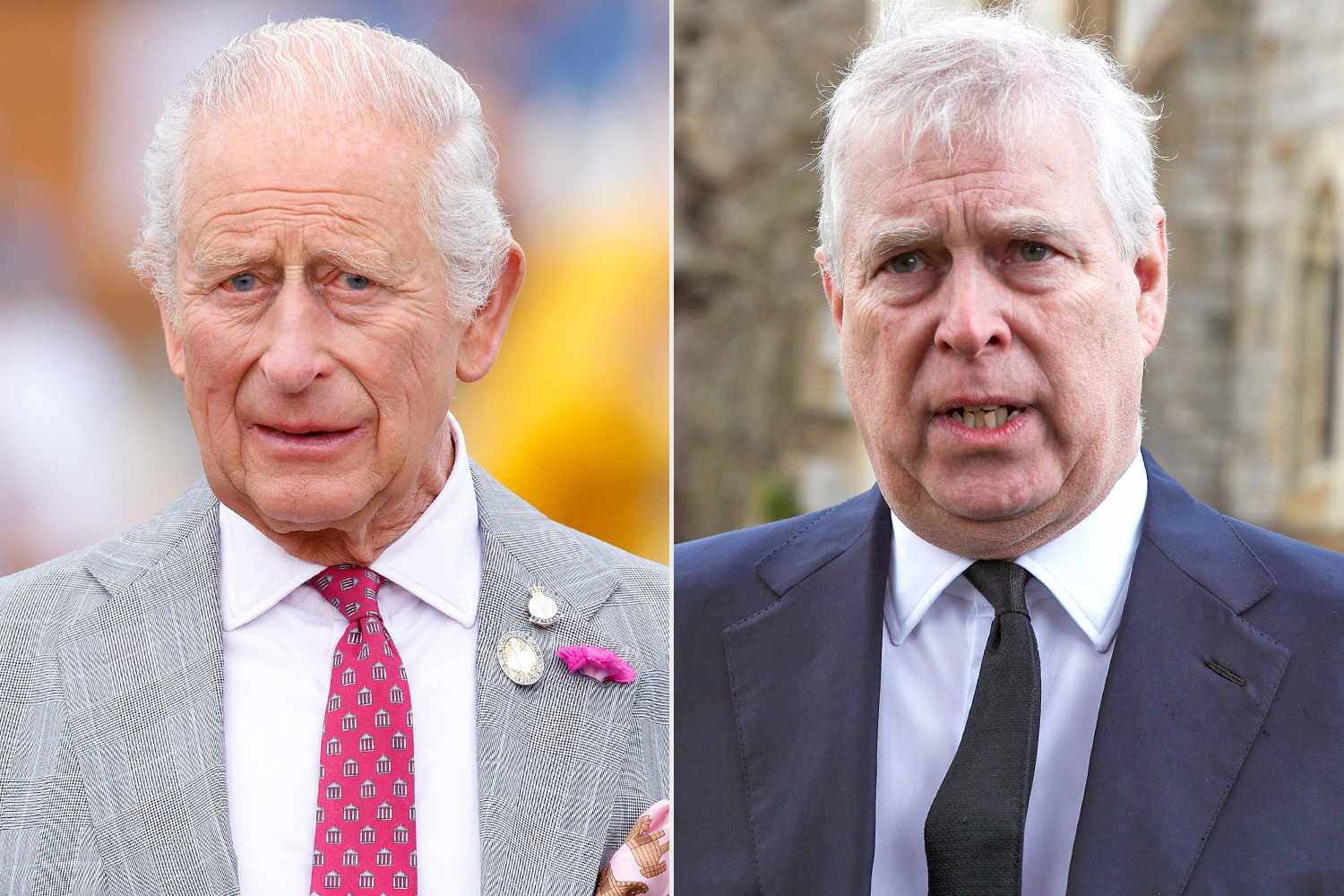
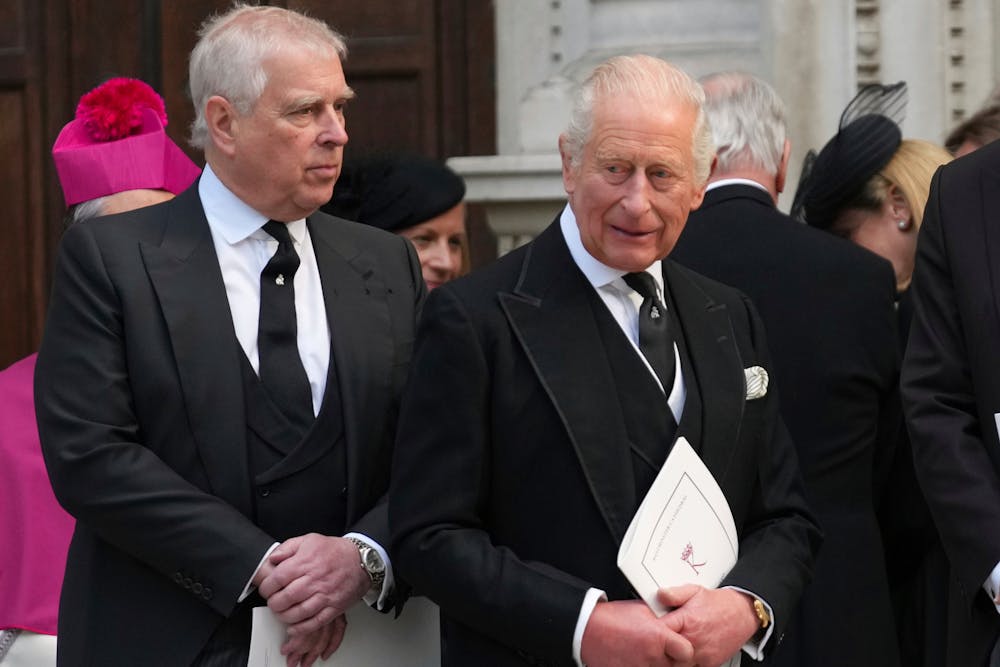
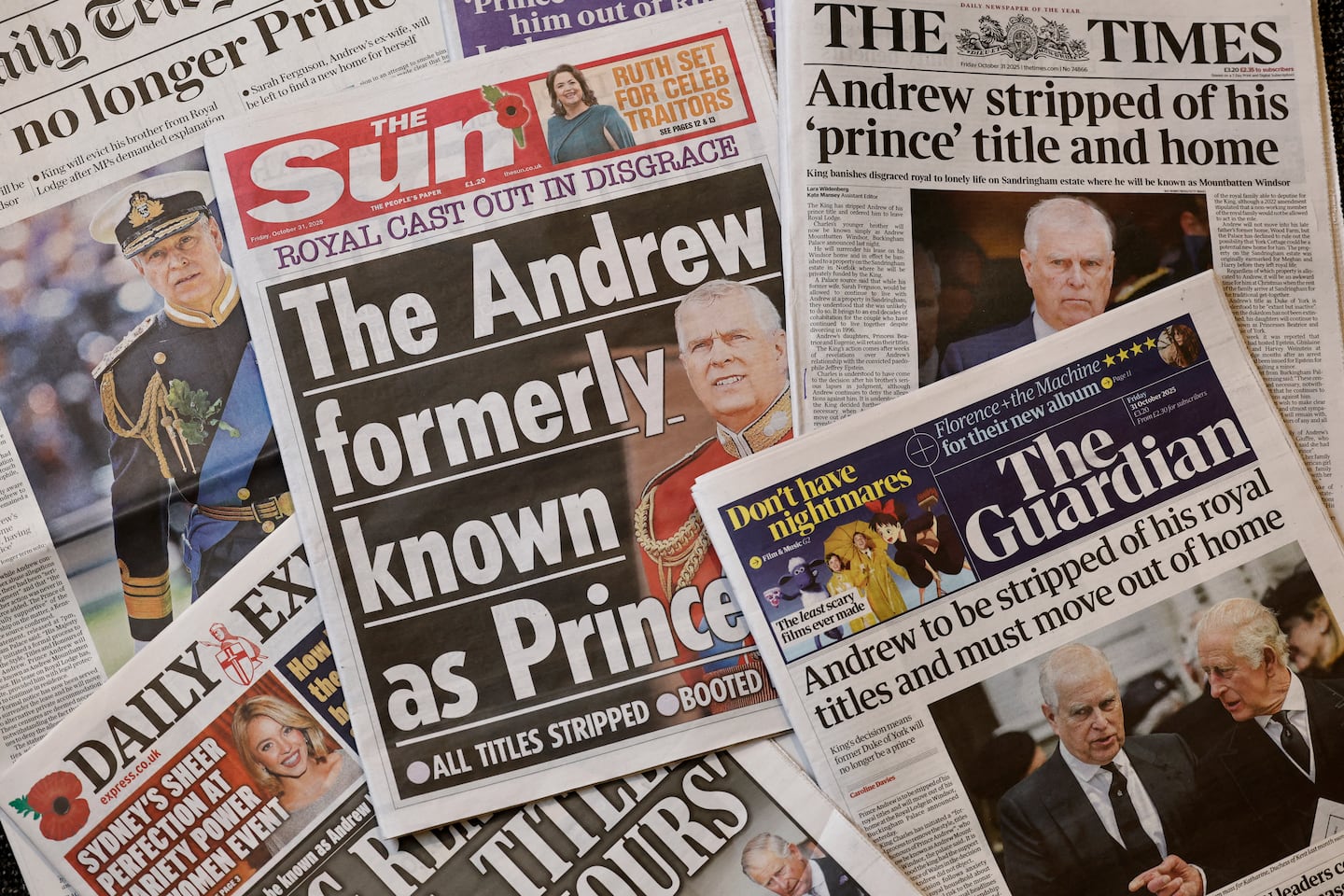
In a historic and highly publicized decision, King Charles III officially stripped his brother, Prince Andrew, of his royal titles and honors. This move, announced in October 2025, marked a significant moment in the British monarchy’s recent history. The decision was not made lightly but was the culmination of years of controversy surrounding Prince Andrew’s association with convicted sex offender Jeffrey Epstein and allegations of sexual misconduct.
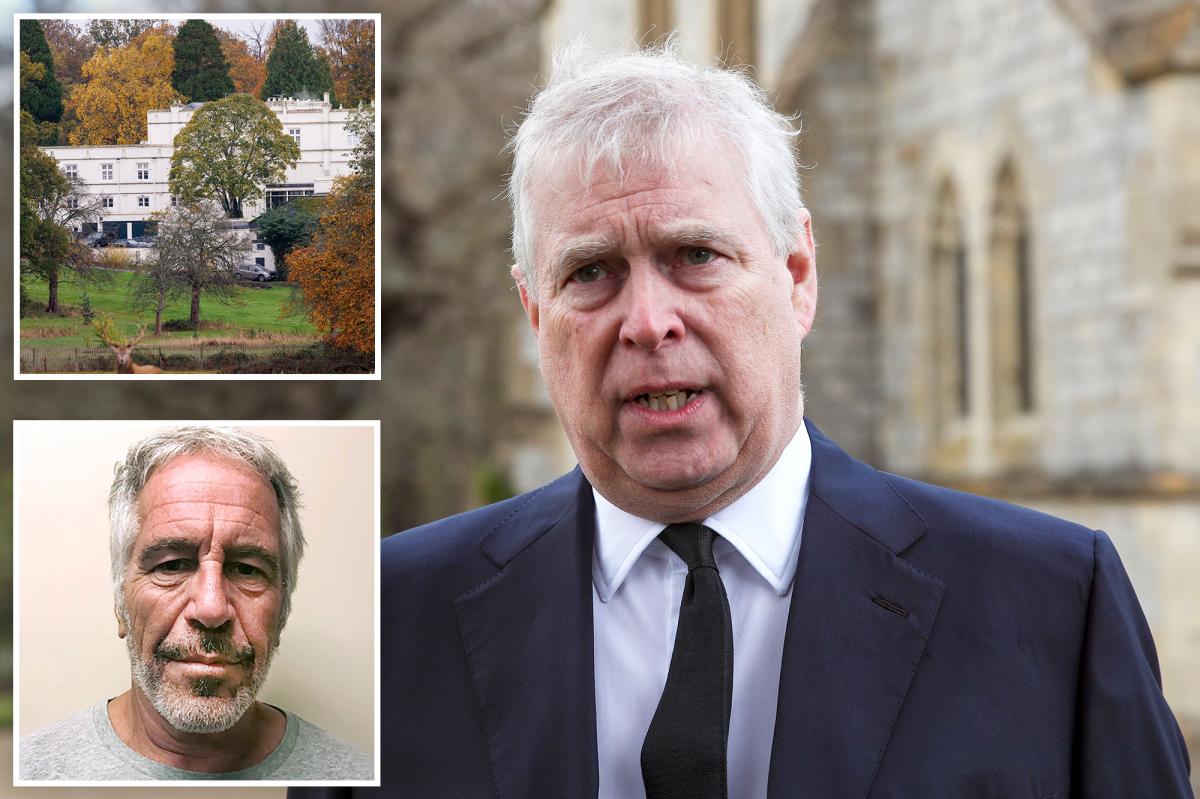
The official statement from Buckingham Palace made it clear that despite Prince Andrew’s continued denial of the allegations, the King and the royal family felt compelled to take action. This included removing Andrew’s “style, titles and honors” and requiring him to vacate the Royal Lodge, a residence he had occupied rent-free for over two decades. The palace emphasized their support and sympathy for victims and survivors of abuse, underscoring the gravity of the situation.
The Timeline Leading to the King’s Decision
Understanding why Prince Andrew was stripped of his titles requires a look back at the key events that unfolded over several years:
The Initial Allegations

The controversy began in 2019 when Virginia Giuffre, a woman who had been associated with Jeffrey Epstein, publicly accused Prince Andrew of having sexual relations with her in 2001 when she was underage. Andrew vehemently denied these allegations and participated in a widely criticized BBC Newsnight interview in which he sought to clear his name. However, the interview backfired and led to significant public backlash.
Following the negative response, Prince Andrew announced he would step back from his royal duties, signaling the beginning of his withdrawal from public life.
The Legal Battle

In 2021, Virginia Giuffre filed a lawsuit against Prince Andrew for sexual abuse. The case attracted intense media attention and further damaged Andrew’s reputation. In 2022, the lawsuit was settled out of court for an undisclosed sum, though the settlement did not imply an admission of guilt from Prince Andrew.
The Memoir and Renewed Allegations
In 2025, Virginia Giuffre’s posthumously published memoir, *Nobody’s Girl*, reignited public interest in the case. The book detailed her experiences with both Epstein and Prince Andrew, providing new allegations and insights. Tragically, Giuffre died by suicide earlier that year, adding a somber note to the ongoing saga.
Days before the memoir’s release, Prince Andrew announced he would relinquish his royal title entirely. In a public statement, he reaffirmed his denial of the accusations but expressed his intention to put his family and country first by stepping further away from public life.
The Aftermath and Royal Family’s Response

Following these developments, King Charles III consulted with senior members of the royal family before making his final decision. The King’s move to strip Prince Andrew of his titles was unprecedented but deemed necessary to protect the monarchy’s integrity.
Prince Andrew was also required to leave the Royal Lodge, his longtime residence, and relocate to Sandringham Estate in Norfolk. This relocation symbolizes his diminished status within the royal family and the consequences of the scandal.
What This Means for the British Monarchy
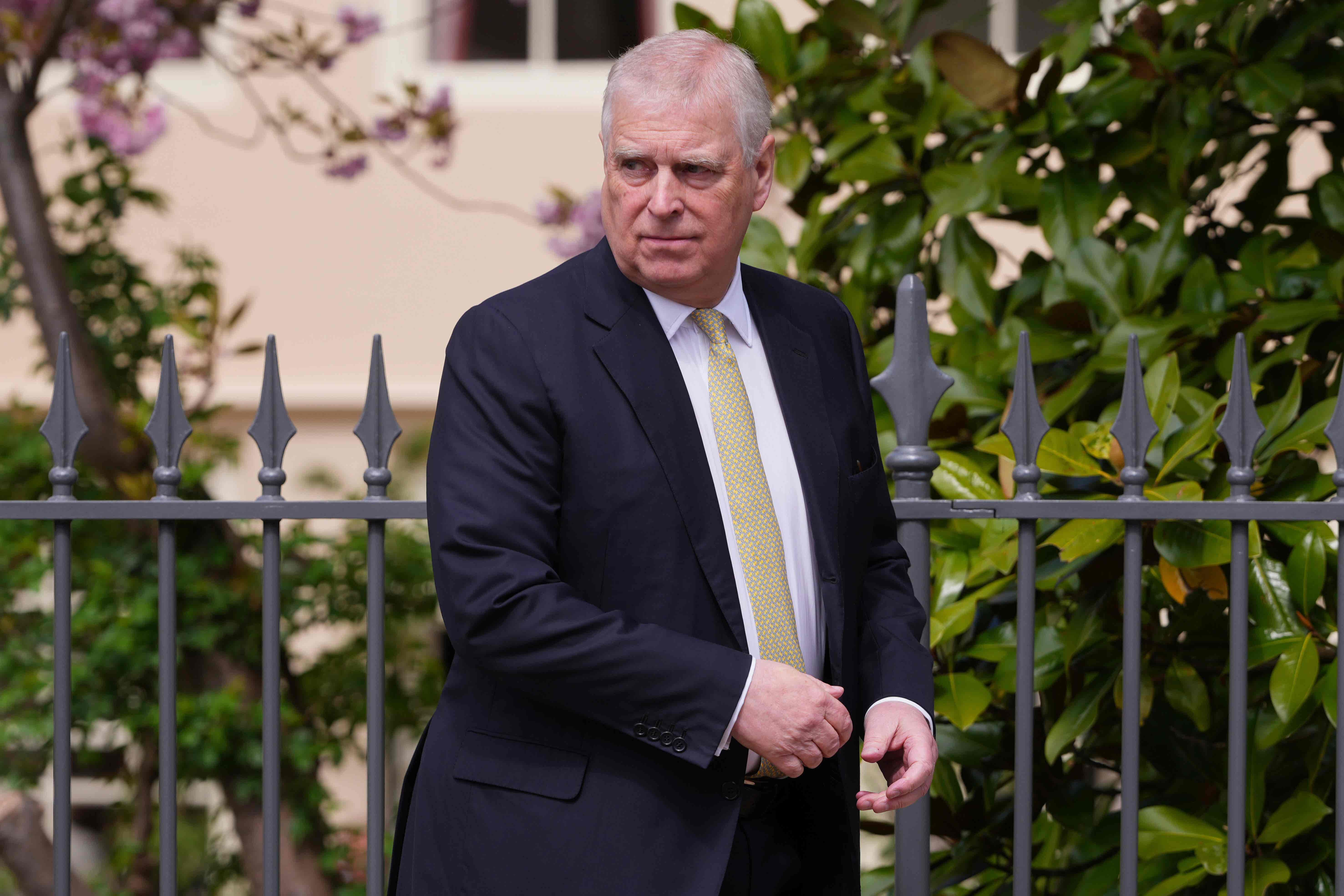
The removal of Prince Andrew’s titles reflects the monarchy’s evolving approach to accountability and public perception. King Charles III’s decisive action demonstrates a willingness to confront difficult issues head-on, even when they involve close family members.
This episode has sparked widespread debate about the role and responsibilities of the royal family in modern society. It also highlights the importance of supporting victims of abuse and maintaining transparency within institutions traditionally shrouded in secrecy.
Looking Forward
As Prince Andrew adjusts to life outside the public eye and without his royal titles, the monarchy continues to navigate the challenges of maintaining relevance and trust in the 21st century. The King’s firm stance may set a precedent for how similar situations are handled in the future, balancing tradition with accountability.
Conclusion

Prince Andrew’s stripping of his royal titles by King Charles III was the result of a complex and deeply troubling series of events involving serious allegations and legal actions. This unprecedented move underscores the royal family’s commitment to upholding its reputation and supporting survivors of abuse. For those interested in the ongoing developments within the British monarchy and the implications of this decision, staying informed is essential.
If you want to learn more about the British royal family and their evolving role in today’s world, be sure to follow our updates and in-depth analyses. Stay connected for the latest news and expert insights!