Eddie Murphy Reveals Why He Left the Oscars Early After His “Dreamgirls” Loss
Why Eddie Murphy Left the Oscars Early After His Dreamgirls Loss
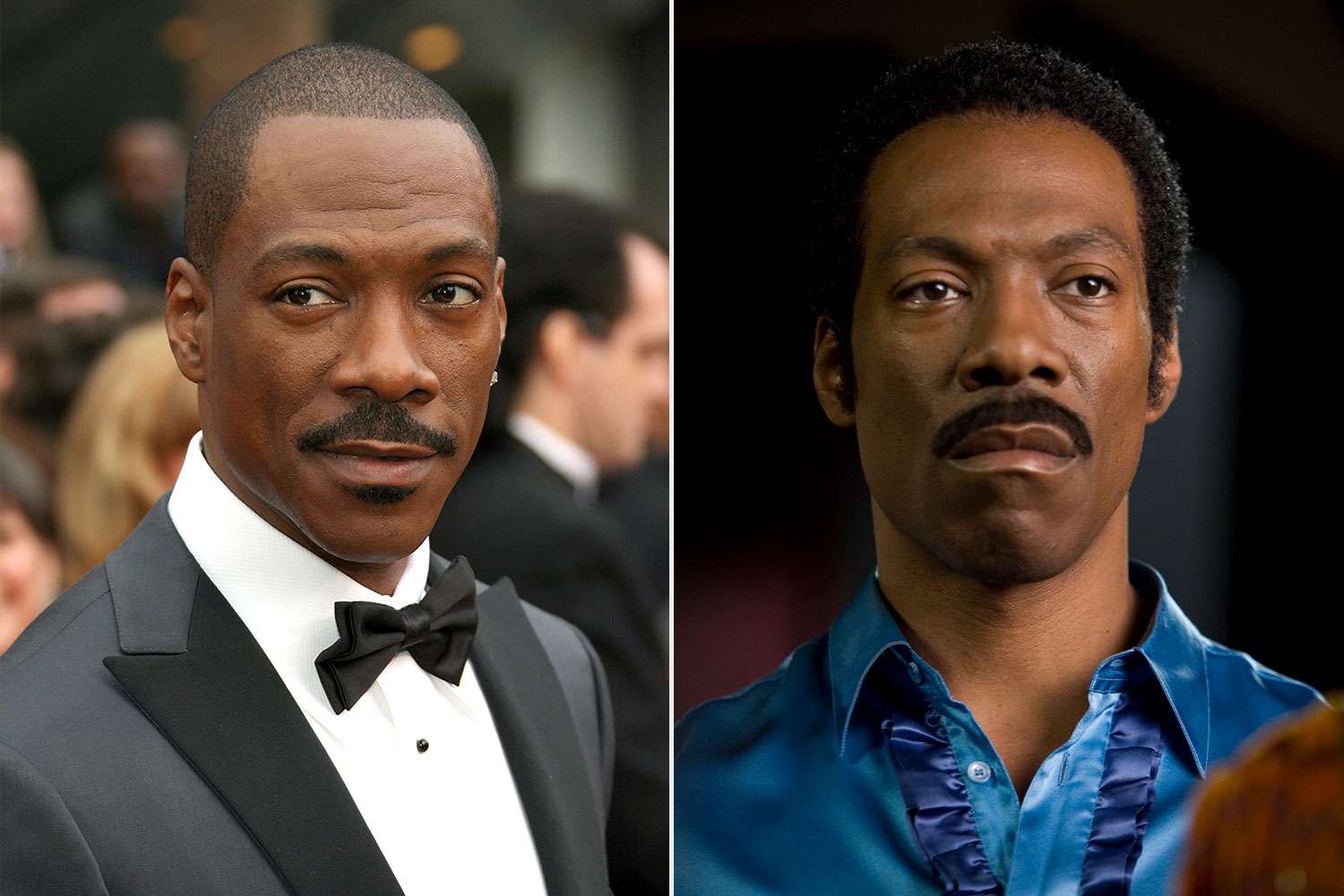
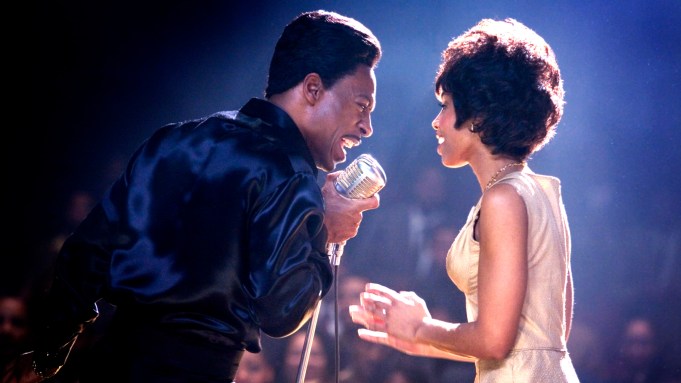
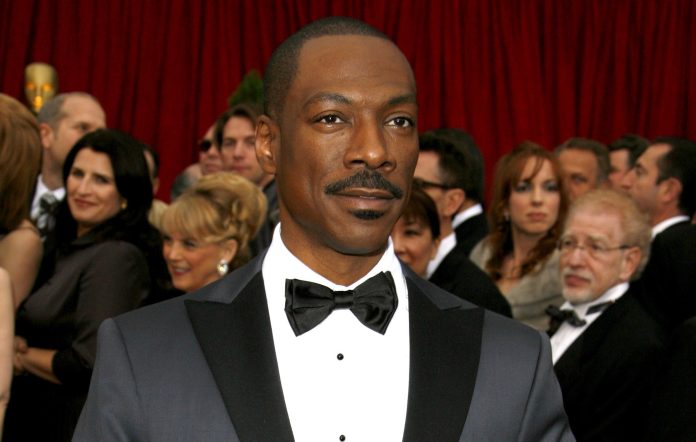
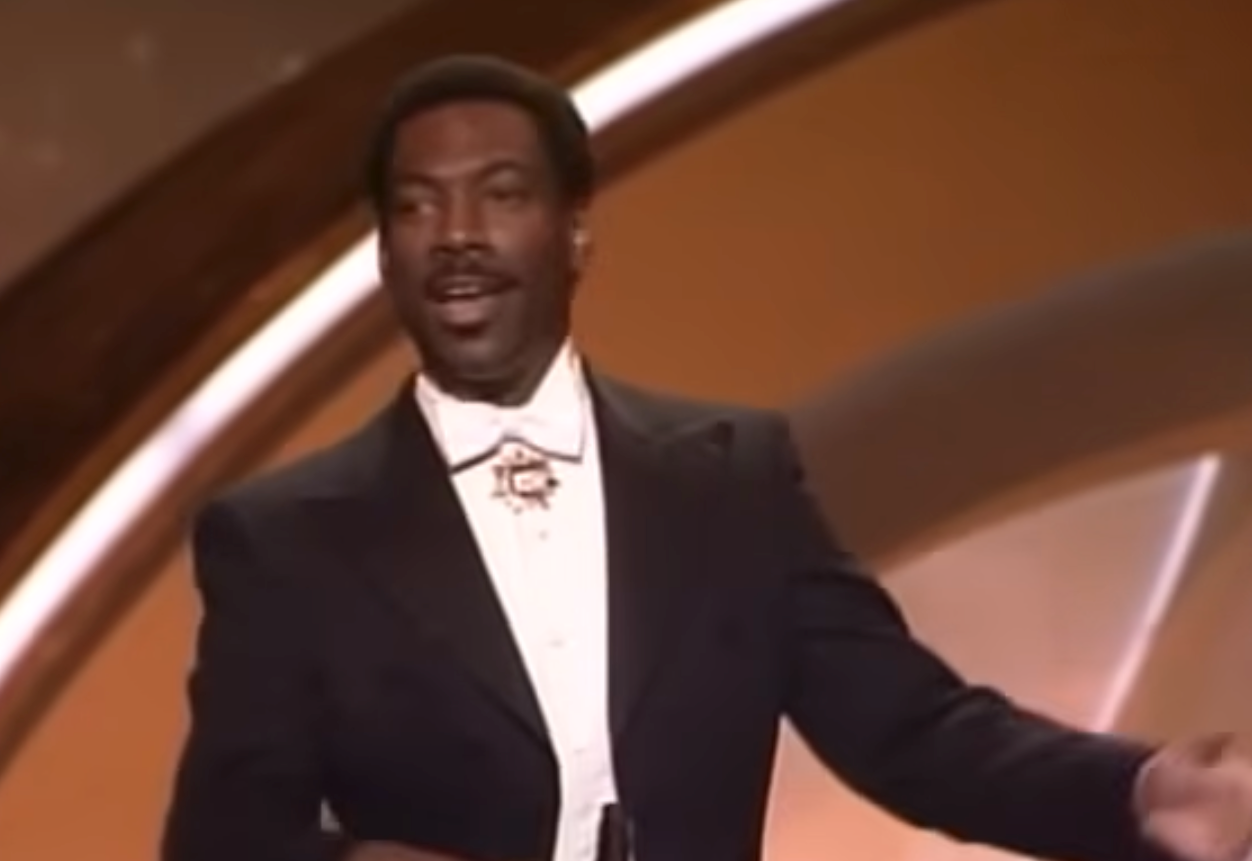
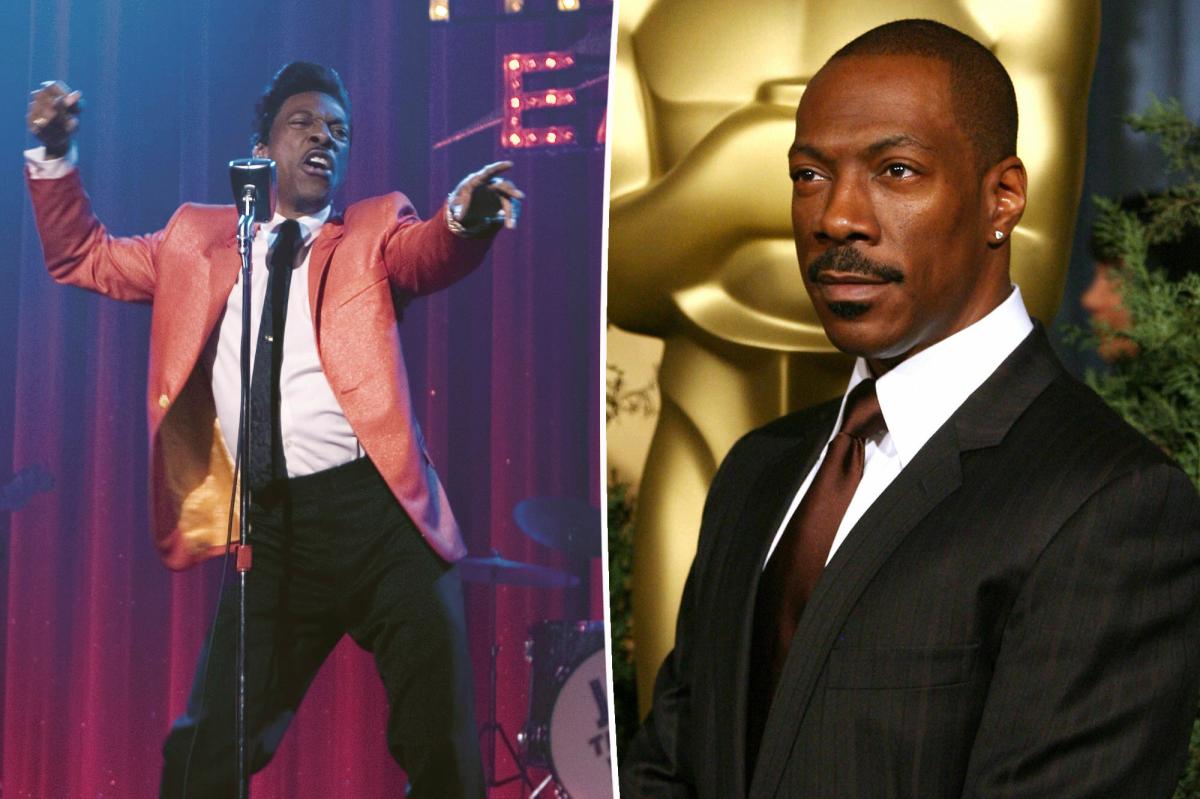
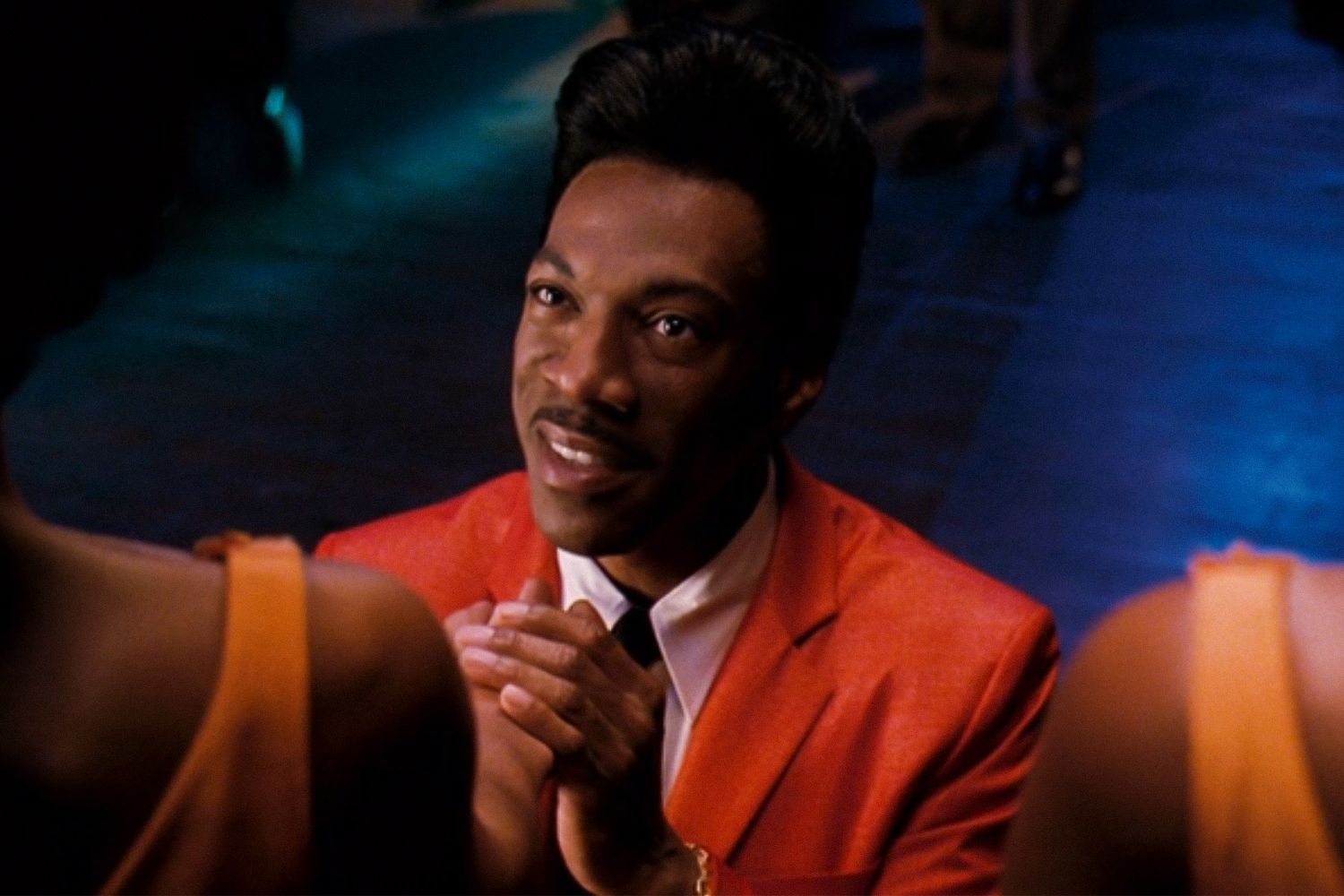
Eddie Murphy, the legendary actor and comedian, recently shared the heartfelt reasons behind his early departure from the 2007 Academy Awards ceremony. After being nominated for Best Supporting Actor for his role as James “Thunder” Early in the acclaimed film *Dreamgirls*, Murphy left the event shortly after losing the award to Alan Arkin. Contrary to rumors suggesting he stormed out in anger, Murphy explained that his decision was driven by a desire to avoid being the “sympathy guy” for the rest of the night.
During an interview discussing his Netflix documentary *Being Eddie*, Murphy recalled the moment Clint Eastwood came over to console him by rubbing his shoulder. Rather than dwell on the loss, Murphy chose to quietly exit the ceremony, stating, “Oh, no, no, I’m not gonna be this guy all night. Let’s just leave.” This candid admission sheds light on the emotional complexity celebrities often face during high-profile award shows.
Understanding the Context: Murphy’s Oscar Journey and Alan Arkin’s Win
Murphy’s nomination for *Dreamgirls* marked a significant milestone in his illustrious career, showcasing his dramatic acting skills beyond his well-known comedic roles. Despite winning several other awards for the same role, the Academy Award eluded him that year. Murphy clarified that he had anticipated Alan Arkin’s victory after watching Arkin’s performance in *Little Miss Sunshine* months before the Oscars.
He described Arkin’s portrayal of Edwin Hoover, a foul-mouthed yet insightful grandfather, as “hysterically funny” and acknowledged that it was a performance capable of “stealing somebody’s Oscar.” Murphy’s respect for Arkin’s craft was evident as he praised the late actor’s entire career, emphasizing that Arkin “totally deserves his Oscar.”
This perspective highlights Murphy’s sportsmanship and understanding of the subjective nature of awards, where factors beyond just performance—such as campaigning, past achievements, and industry politics—play a crucial role.
Lessons Learned: The Intangible Nature of Winning an Oscar
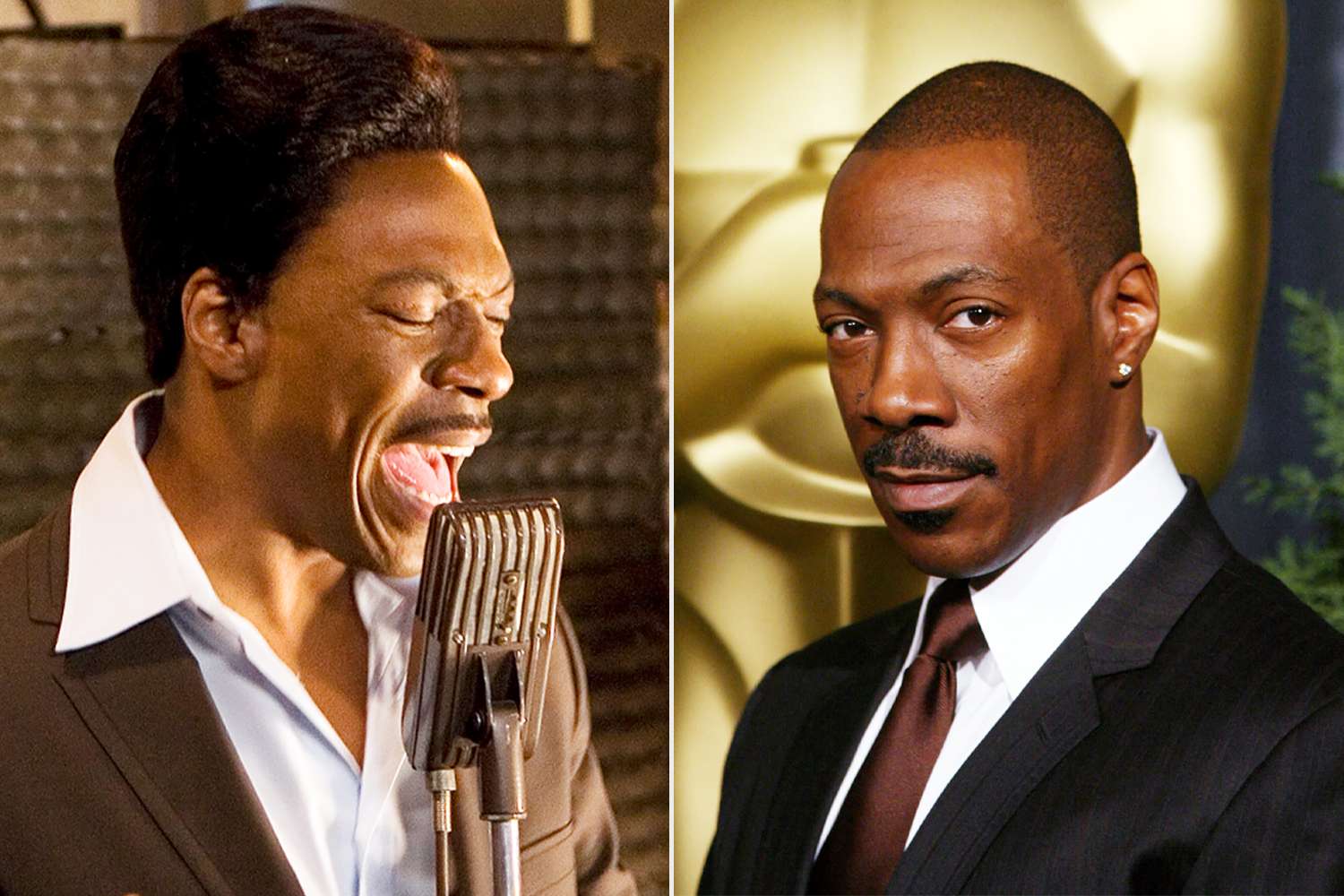
Reflecting on his experience since the nomination, Murphy shared valuable insights into the unpredictable and multifaceted process of winning an Oscar. He explained that success at the Academy Awards is “more art than science,” involving intangible elements like campaigning efforts, industry relationships, and timing.
Murphy revealed that he initially found it frustrating to prepare for award shows, especially when the outcome was uncertain. In his documentary *Being Eddie*, he expressed the irony of dressing up and attending events only to leave empty-handed, feeling it was “a waste of time.” Yet, over time, Murphy has come to appreciate the complexities behind the scenes and the honor of being recognized among his peers.
The Impact of Murphy’s Departure on the 2007 Oscars Ceremony
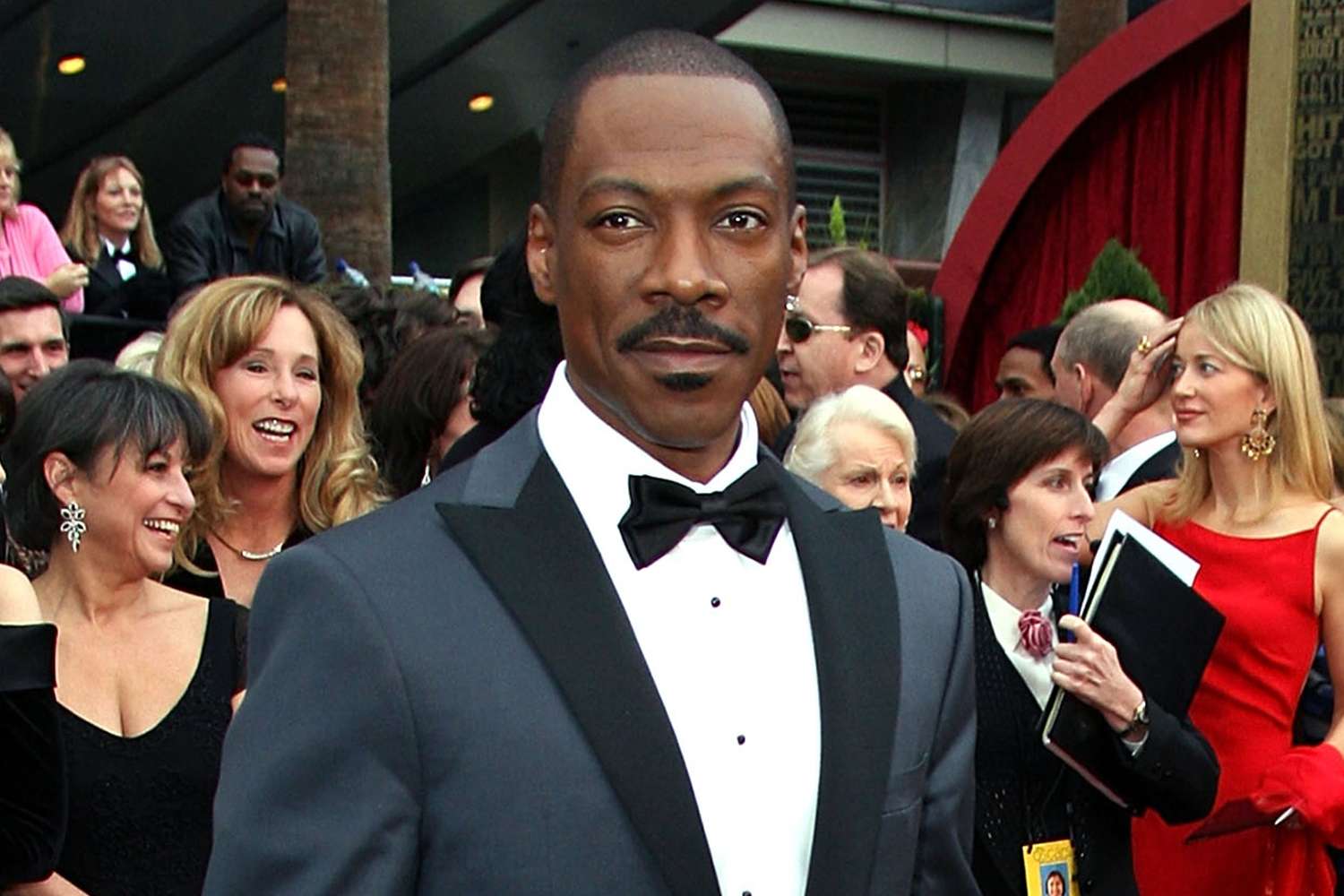
Murphy’s early exit sparked speculation that he was upset about missing key moments, including Jennifer Hudson’s win for Best Supporting Actress and the performance of the *Dreamgirls* cast for their Best Original Song nomination. However, Murphy dispelled these rumors by emphasizing that his departure was not out of anger but a personal choice to avoid discomfort.
His decision also underscores the emotional vulnerability that actors experience during award ceremonies, where public recognition and personal feelings often collide. Murphy’s openness about this moment humanizes the glamour of Hollywood and offers fans a glimpse into the realities behind the red carpet.
Looking Back: Eddie Murphy’s Career and Legacy

Eddie Murphy’s career spans over four decades, marked by iconic roles in comedy and drama alike. His nomination for *Dreamgirls* was a testament to his versatility and talent. Despite the Oscar loss, Murphy’s contributions to film and entertainment remain celebrated worldwide.
His reflections on the Oscars experience, shared in *Being Eddie*, contribute to a broader conversation about the pressures of fame and the unpredictable nature of awards. Murphy continues to inspire audiences with his honesty, resilience, and dedication to his craft.
Conclusion
Eddie Murphy’s revelation about why he left the 2007 Oscars early after his *Dreamgirls* loss offers a rare and candid look into the emotional challenges faced by actors during award season. His respect for Alan Arkin’s performance, understanding of the complexities behind winning an Oscar, and decision to leave gracefully rather than dwell on disappointment highlight his maturity and professionalism.
If you enjoyed this insight into Eddie Murphy’s Oscar experience, be sure to watch his documentary *Being Eddie* on Netflix for a deeper dive into his life and career. Stay tuned for more exclusive celebrity stories and behind-the-scenes revelations by subscribing to our newsletter today!