Reba McEntire Laughs Off Fake AI Pregnancy Photo
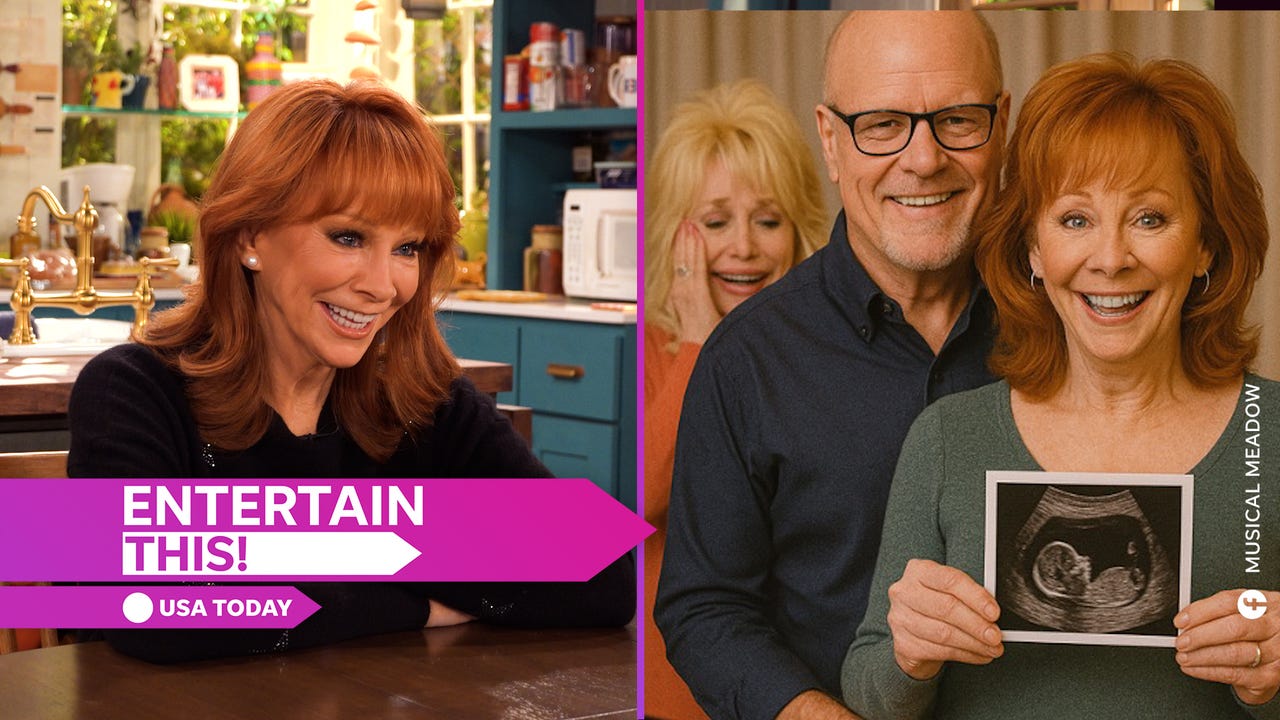
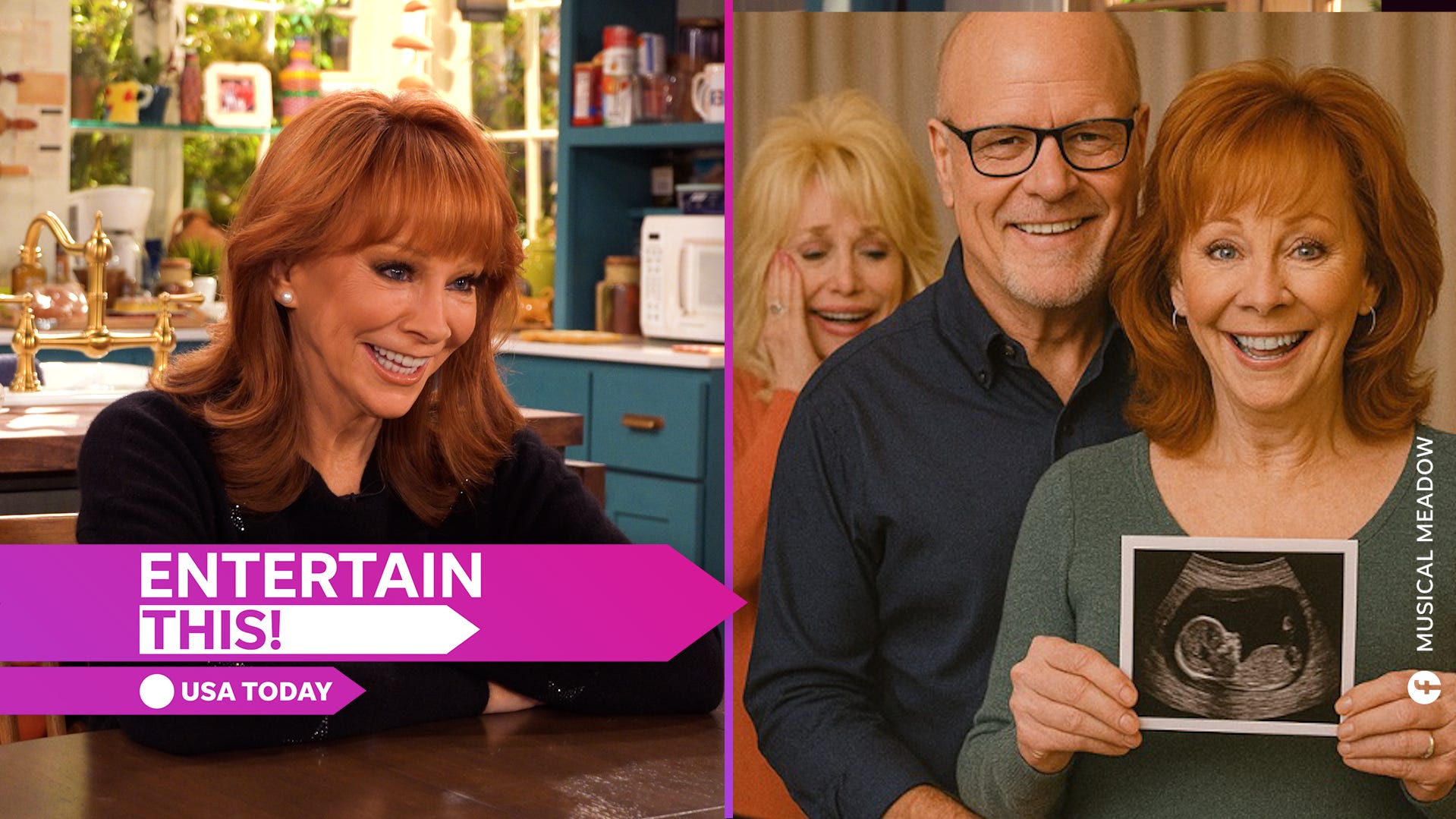
In the digital age, celebrities often find themselves at the center of viral stories—some true, others fabricated. Recently, country music icon Reba McEntire found herself the subject of an AI-generated fake pregnancy photo that quickly spread across social media platforms. Instead of reacting with frustration or anger, Reba chose to respond with humor, demonstrating her down-to-earth personality and resilience in the face of misinformation.
Reba McEntire Responds to the Fake AI Pregnancy Photo
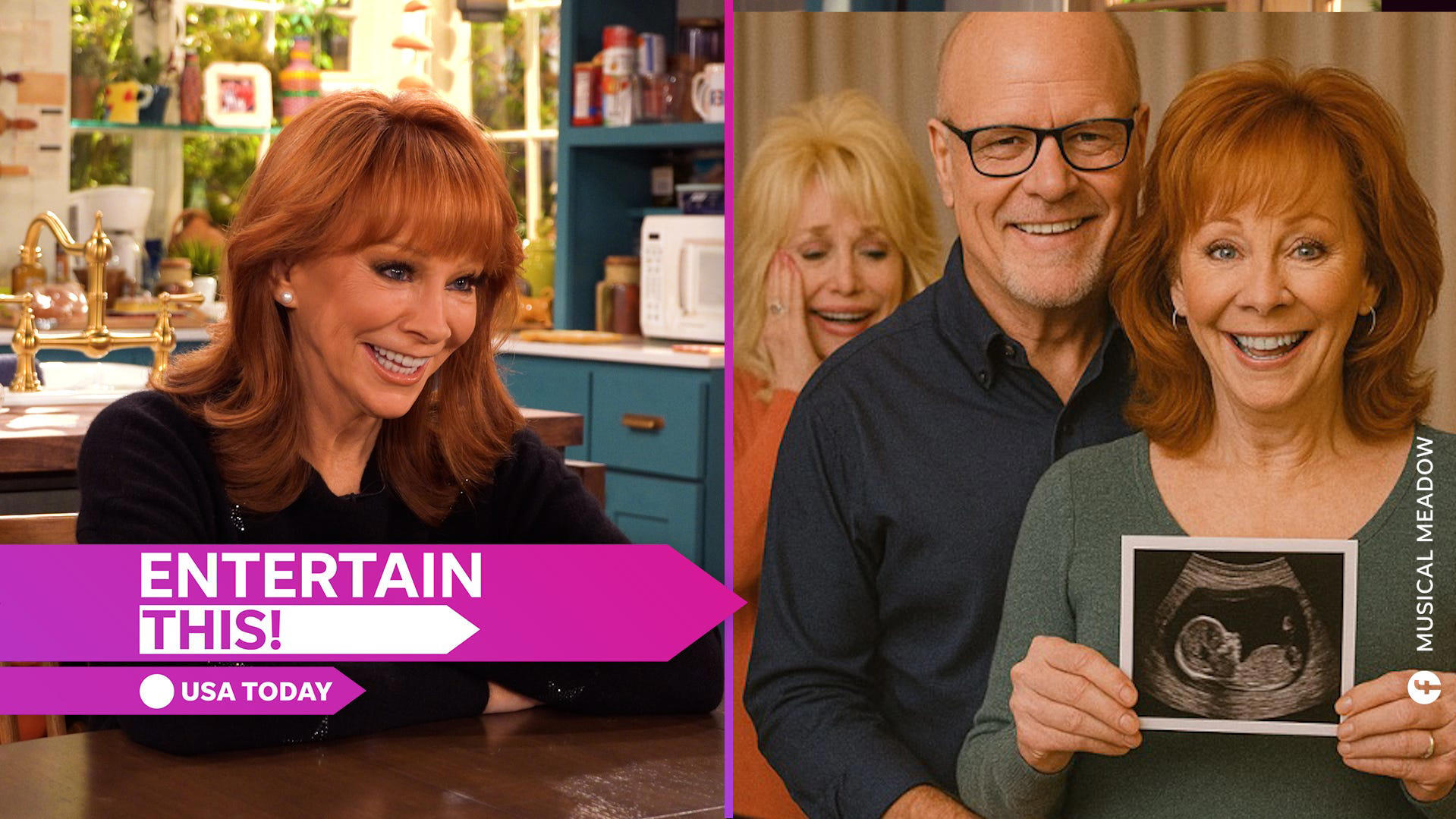
The rise of artificial intelligence has brought many advancements, but it has also introduced new challenges, especially when it comes to the authenticity of images shared online. The fake AI pregnancy photo of Reba McEntire is a prime example of how AI technology can be misused to create misleading content.
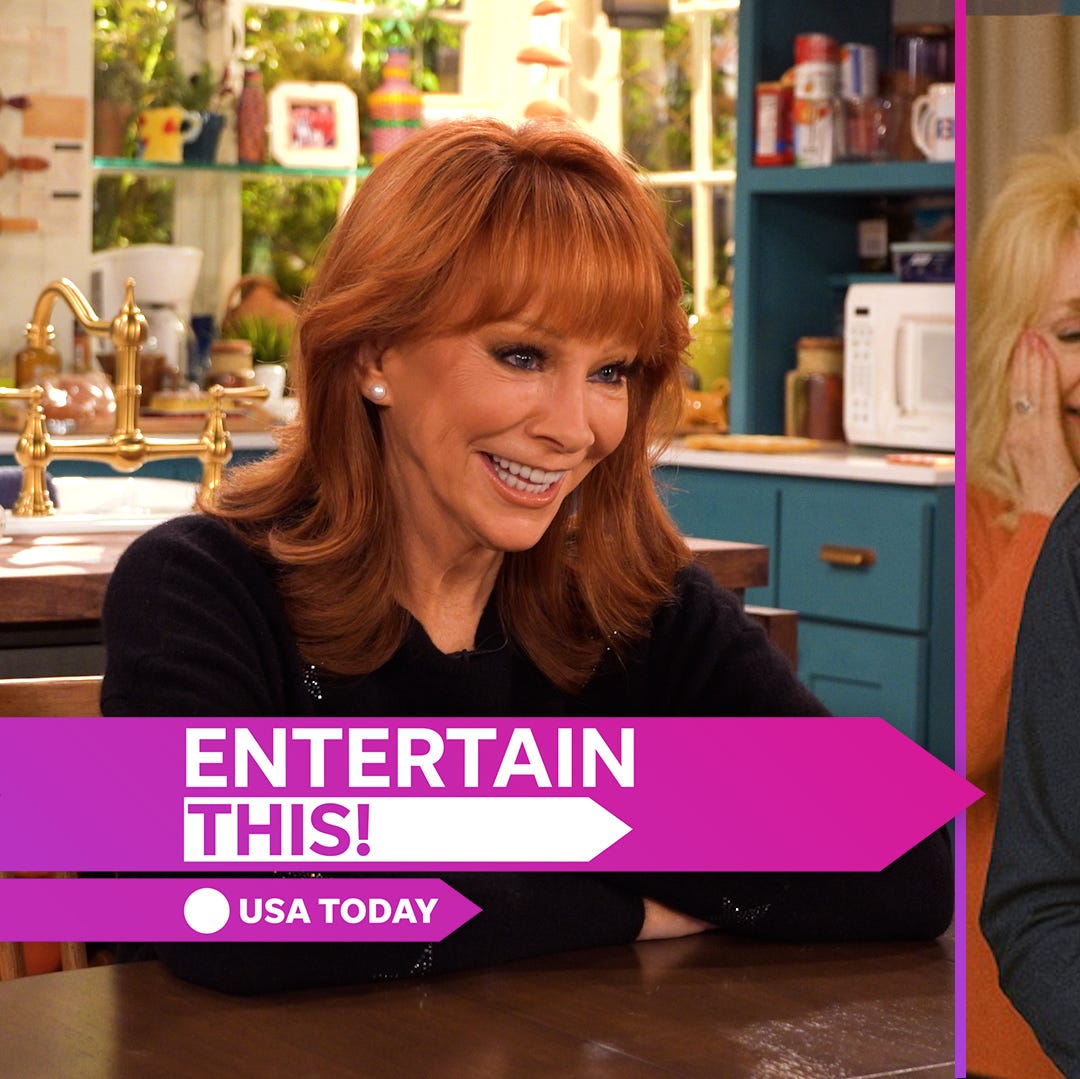
Upon seeing the doctored image, Reba McEntire took to social media to address the situation. Rather than ignoring the photo or issuing a stern denial, she laughed it off, making light of the absurdity of the situation. Her witty response not only endeared her further to fans but also highlighted the importance of critical thinking when encountering sensational news online.
This incident underscores a growing concern about AI-generated content and its potential to spread false information rapidly. With the ability to create hyper-realistic images, AI tools can easily manipulate public perception, making it crucial for consumers to verify sources and question the authenticity of viral media.
The Impact of AI on Celebrity Image and Public Perception
Artificial intelligence has revolutionized many aspects of our lives, from enhancing productivity to creating art. However, its application in generating fake images or videos—often called deepfakes—poses significant risks, especially for public figures like celebrities.
For Reba McEntire, the fake pregnancy photo could have led to widespread rumors and misunderstandings if not addressed promptly. Celebrities often rely on their public image to maintain their careers, and misinformation can damage reputations and personal lives.
Moreover, the spread of AI-generated fake images contributes to a broader societal issue: the erosion of trust in media. As more manipulated content circulates, distinguishing fact from fiction becomes increasingly challenging for the average person.
Reba’s lighthearted approach serves as a reminder that while technology can be misused, individuals can combat misinformation with transparency, humor, and engagement.
How to Protect Yourself from Fake AI Content
The incident involving Reba McEntire’s fake AI pregnancy photo highlights the need for vigilance when consuming digital content. Here are some tips to help identify and avoid falling for AI-generated misinformation:
1. **Check the Source:** Always verify the credibility of the website or social media account sharing the image or news.
2. **Look for Official Statements:** Celebrities or public figures often clarify rumors through their verified social media channels.
3. **Use Reverse Image Search:** Tools like Google Reverse Image Search can help determine if an image has been altered or taken out of context.
4. **Be Skeptical of Sensational Content:** If a story seems too surprising or unbelievable, it’s worth double-checking before sharing.
5. **Stay Informed About AI Technology:** Understanding how AI-generated images and videos are created can make it easier to spot fakes.
By adopting these practices, individuals can contribute to reducing the spread of false information online.
Conclusion
Reba McEntire’s humorous reaction to the fake AI pregnancy photo not only diffused a potentially damaging situation but also brought attention to the growing issue of AI-generated misinformation. As technology continues to evolve, it’s essential for both celebrities and the public to remain vigilant and informed. If you enjoyed this article, be sure to share it with friends and stay updated on the latest news about AI and celebrity culture.