Trump Calls for NBC to Fire Seth Meyers, FCC Chair Brendan Carr Weighs In
Trump’s Demand for NBC to Terminate Seth Meyers
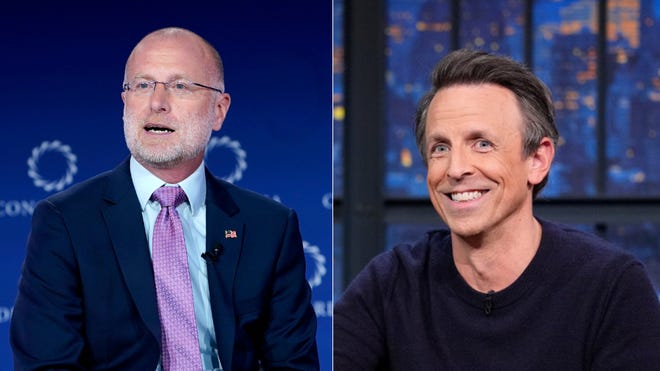
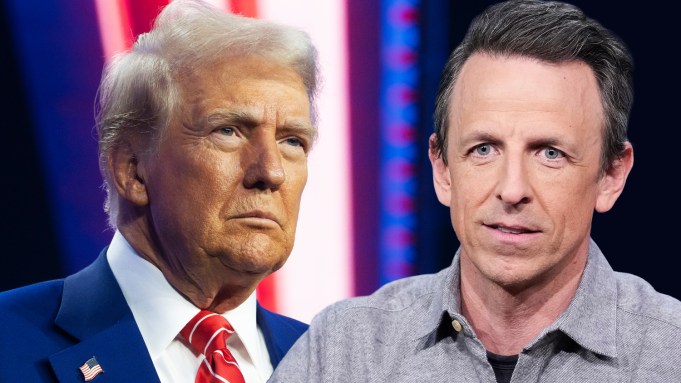
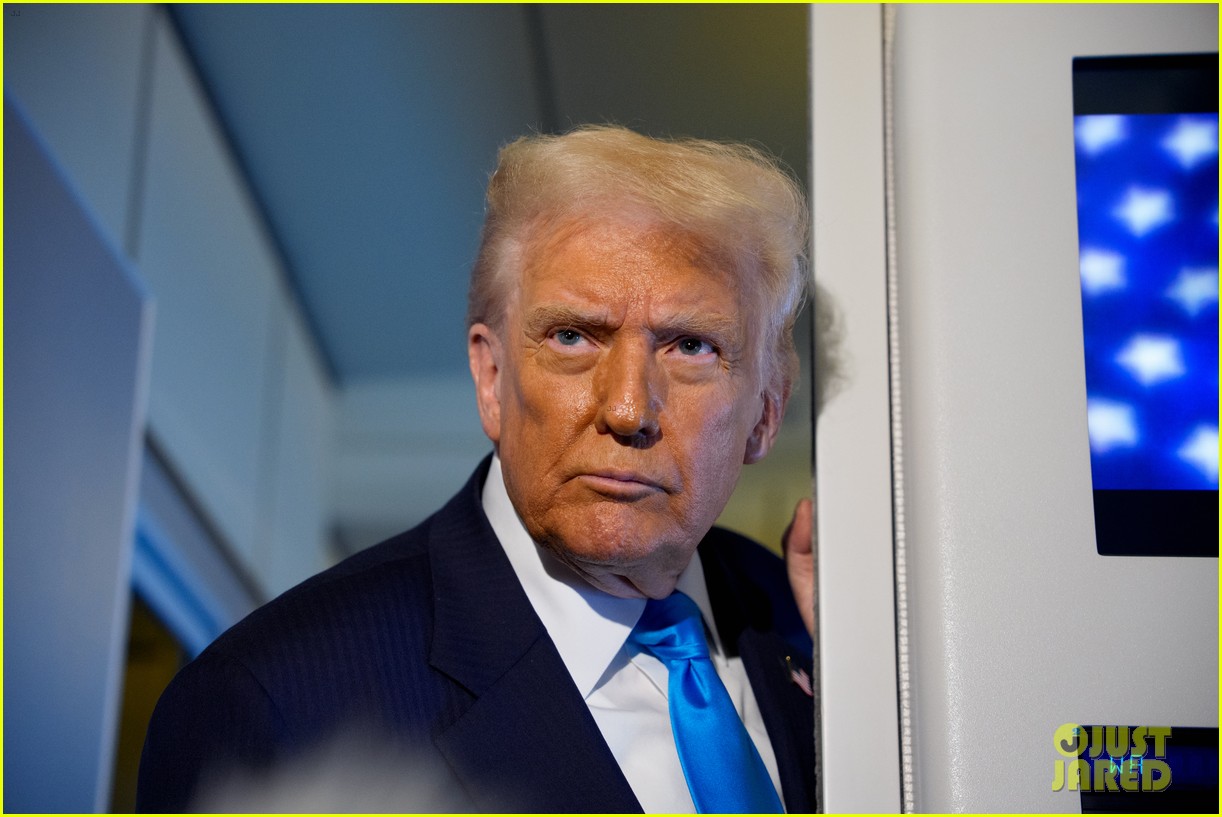
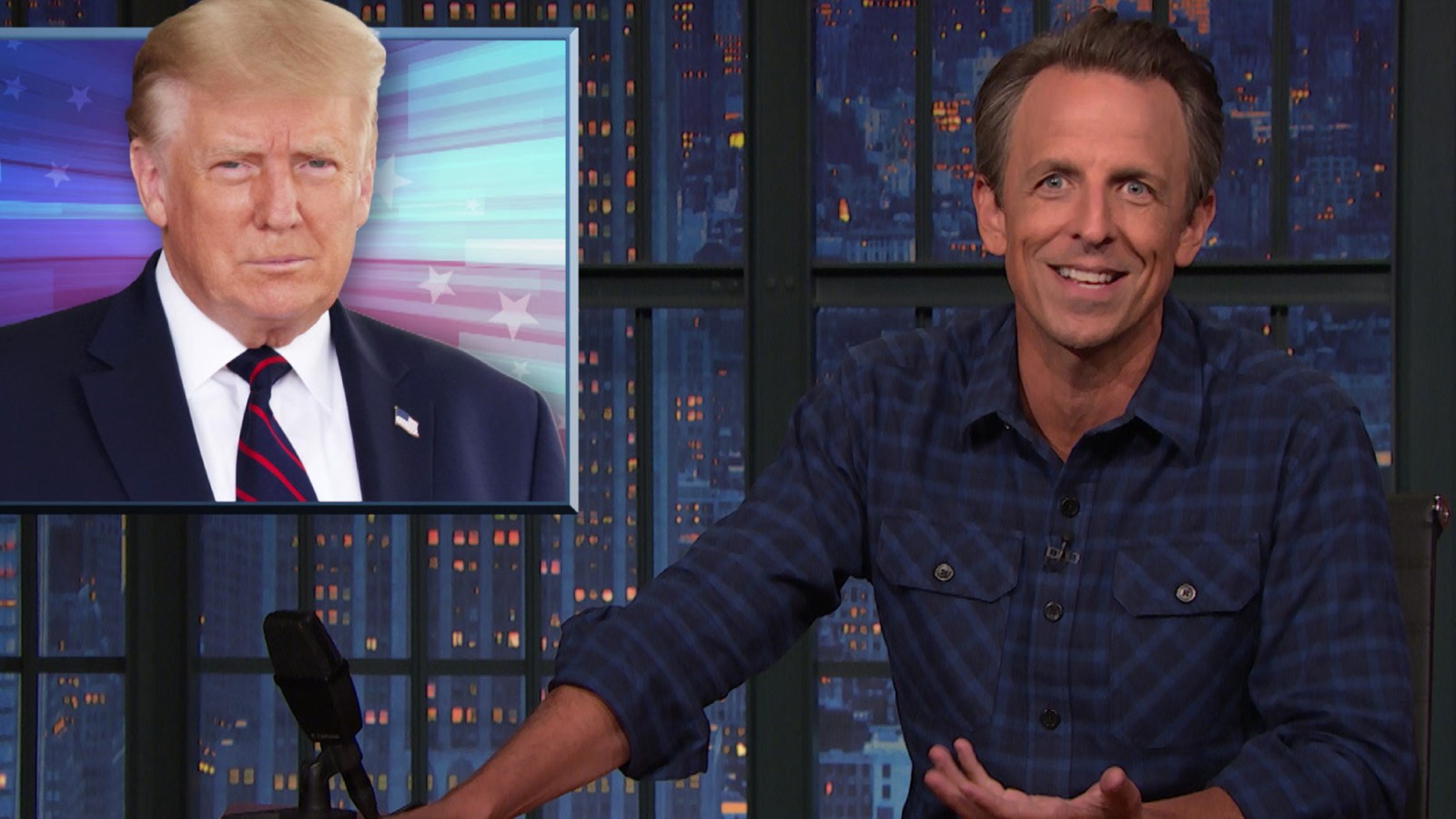
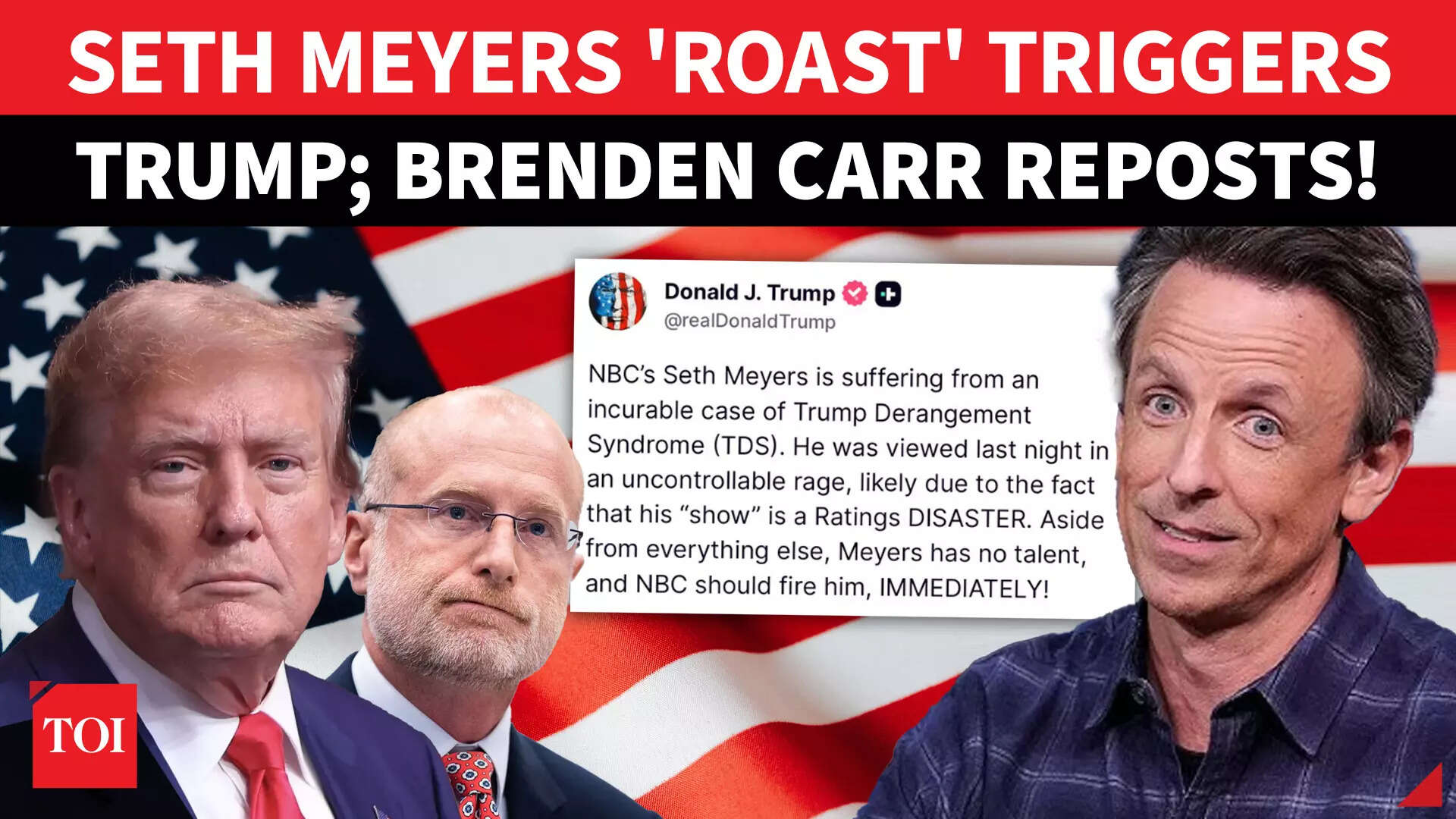
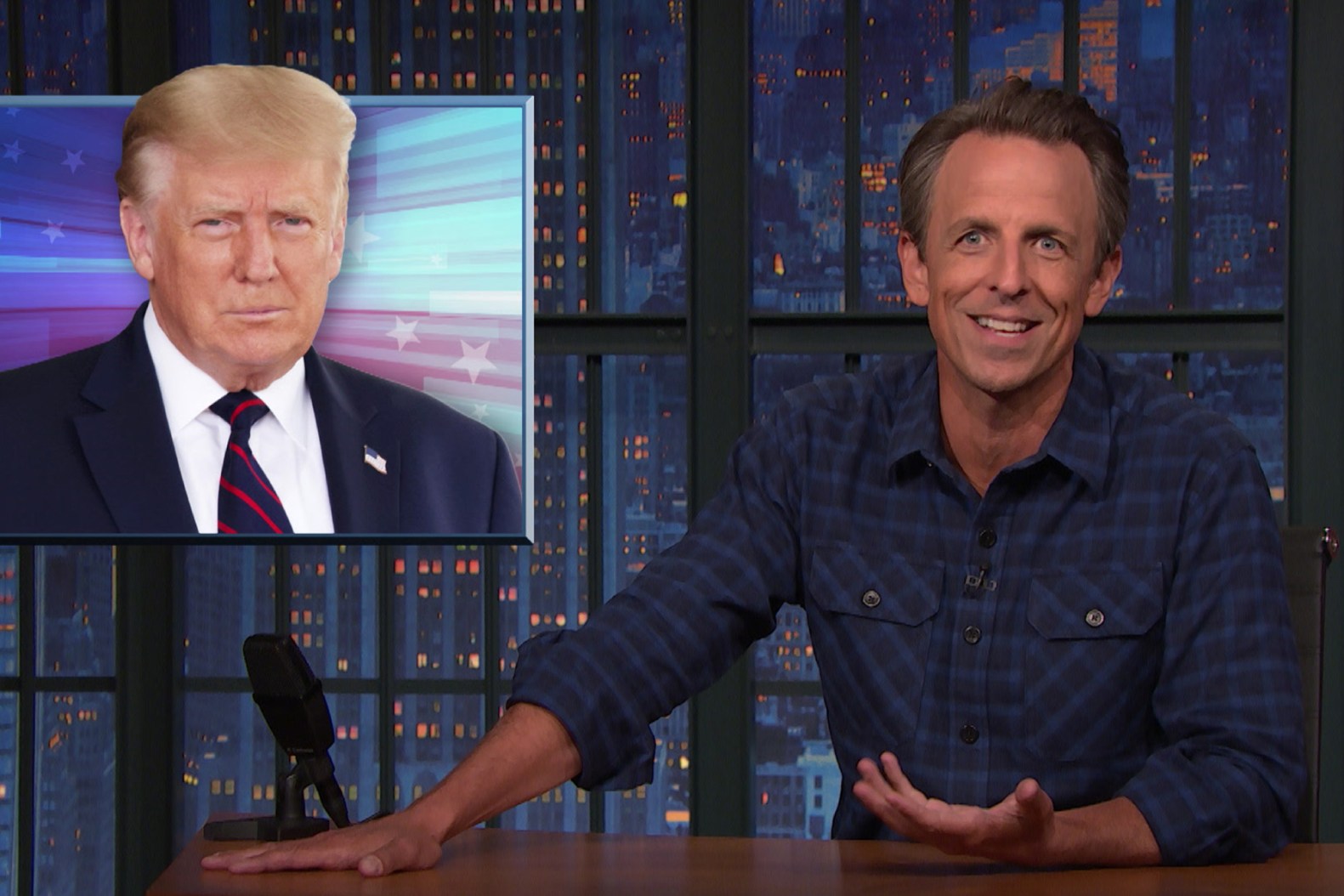
Former President Donald Trump has publicly urged NBC to fire Seth Meyers, the host of “Late Night with Seth Meyers,” citing what he describes as an “incurable case of Trump Derangement Syndrome.” Trump’s remarks, shared on his Truth Social platform, criticized Meyers not only for his political commentary but also questioned his talent, insisting that NBC should take immediate action to remove him from the network.
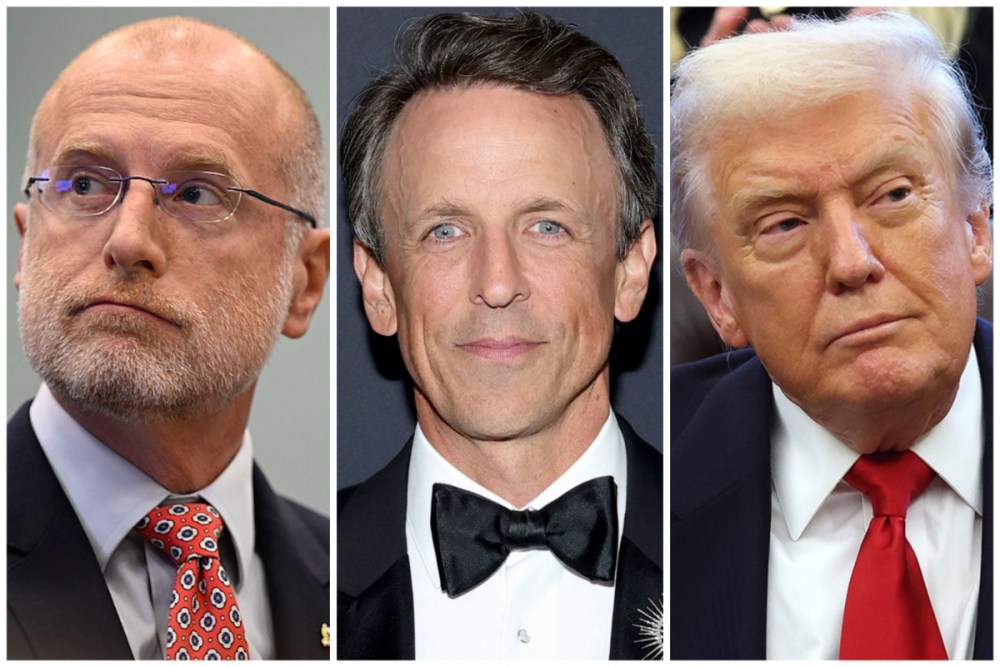
This call is not new; Trump has targeted Meyers and other late-night hosts before, but the latest demand gained additional weight after Federal Communications Commission (FCC) Chair Brendan Carr shared Trump’s post on his verified X (formerly Twitter) account. Carr’s amplification of Trump’s message has sparked renewed discussions about the role of government officials in influencing media content and the boundaries of free speech.
FCC Chair Brendan Carr’s Role and Previous Controversies
Brendan Carr, the chairman of the FCC, has a history of engaging in late-night television controversies. Earlier in the year, Carr was at the center of a heated debate following his comments about comedian Jimmy Kimmel. After Kimmel made remarks regarding the killing of political commentator Charlie Kirk, Carr appeared on conservative media and suggested that broadcasters should take action against Kimmel or face regulatory consequences from the FCC.
Carr’s statements were widely interpreted as a threat to media freedom, leading to ABC suspending production of “Jimmy Kimmel Live!” indefinitely. This suspension was also influenced by decisions from major broadcast groups like Nexstar Media Group and Sinclair Broadcast Group, which chose to stop airing Kimmel’s show on their local affiliates.
Critics of Carr accused him of government censorship, arguing that his comments undermined the First Amendment rights of entertainers and broadcasters. Even some conservatives, including Senator Ted Cruz, expressed concern over the potential dangers of government officials deciding what speech is acceptable and what is not.
Despite the backlash, Carr defended his position by stating that Kimmel’s show’s suspension was due to ratings issues rather than direct government intervention. Kimmel returned to his show later in September and used his monologue to criticize Carr’s remarks as a violation of free speech principles.
The Broader Impact on Media and Free Speech
The involvement of an FCC chair in these disputes raises important questions about the balance between regulatory oversight and freedom of expression in the media. The FCC is tasked with regulating broadcast content to ensure compliance with federal laws, but its role does not traditionally extend to policing political commentary or entertainment content based on subjective standards.
Trump’s continued attacks on late-night hosts like Seth Meyers and Jimmy Fallon reflect a broader trend of political figures targeting media personalities who criticize them. While public figures are subject to scrutiny and satire, calls for their dismissal by government officials or former presidents blur the lines between political disagreement and attempts to silence dissent.
Seth Meyers has remained vocal in his criticism of Trump and has defended fellow comedians like Kimmel, emphasizing the importance of free expression in a democratic society. These incidents highlight the ongoing tension between political power, media freedom, and the responsibilities of regulatory bodies.
Conclusion
The recent call by Donald Trump for NBC to fire Seth Meyers, supported by FCC Chair Brendan Carr’s social media endorsement, has reignited a contentious debate over free speech, media regulation, and political influence. As these events unfold, they underscore the delicate balance between protecting freedom of expression and managing the responsibilities of media platforms and regulators.
For viewers and media consumers, staying informed about these developments is crucial. If you value free speech and want to support independent media voices, consider sharing this article and engaging in conversations about the importance of protecting diverse viewpoints in today’s media landscape.