Joe Wicks Says He Was ‘Offended and Upset’ by Documentary Backlash After Being Accused of ‘Demonising Foods and Promoting Eating Disorders’
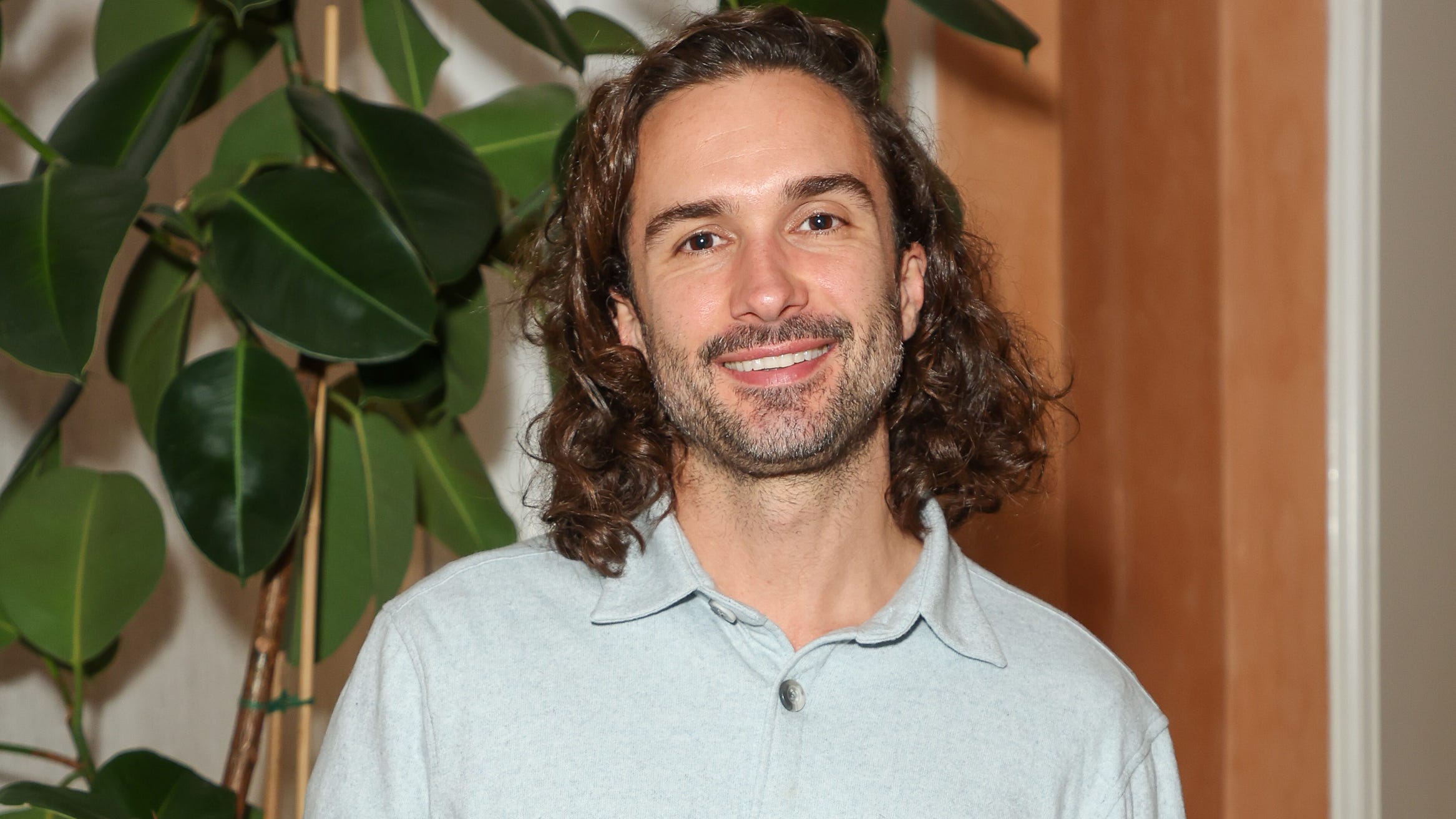
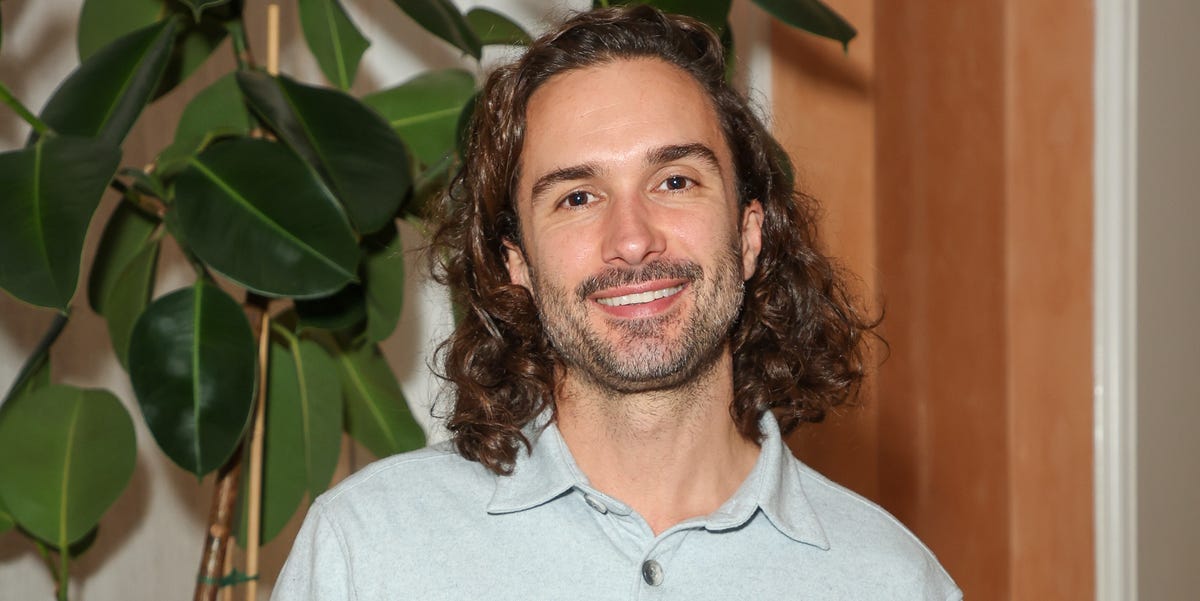
Joe Wicks, widely known as The Body Coach, recently spoke candidly about the intense backlash he faced following the release of his Channel 4 documentary. The 39-year-old fitness expert revealed that he felt “offended and upset” after being accused of “demonising foods and promoting eating disorders.” This controversy has sparked a heated debate about how ultra-processed foods are portrayed in the media and the impact of such portrayals on public perception and mental health.
Joe Wicks Responds to Criticism Over ‘Demonising Foods’ Claims
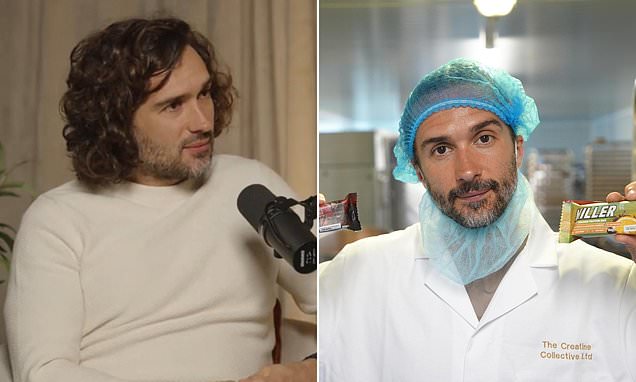
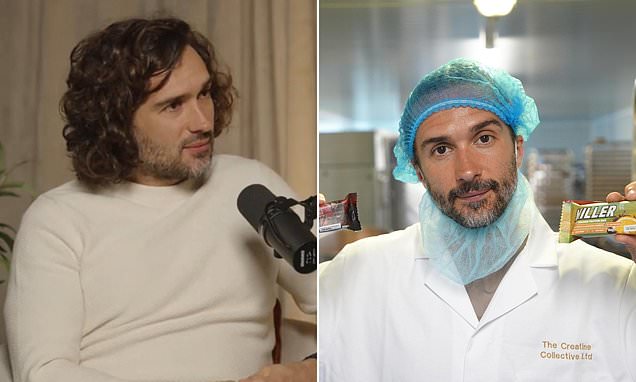
In October, Joe Wicks launched a documentary aimed at exposing the hidden dangers of ultra-processed foods (UPFs) that are often marketed as healthy options despite containing numerous additives. The series included a striking segment where Wicks introduced what he called “the UK’s most dangerous health bar.” His intention was to raise awareness by encouraging viewers to purchase the bars but not consume them, as the profits would be donated to charities promoting healthy eating.
However, this approach was met with mixed reactions. While some applauded his efforts to highlight the risks associated with UPFs, others, including nutrition experts and fans, criticized the documentary for what they perceived as scaremongering. Critics argued that Wicks’ portrayal of certain foods could contribute to unhealthy obsessions with diet and nutrition, potentially triggering or exacerbating eating disorders. Some accused him of unfairly demonising sugar and processed foods, which they felt could alienate individuals struggling with their relationship with food.
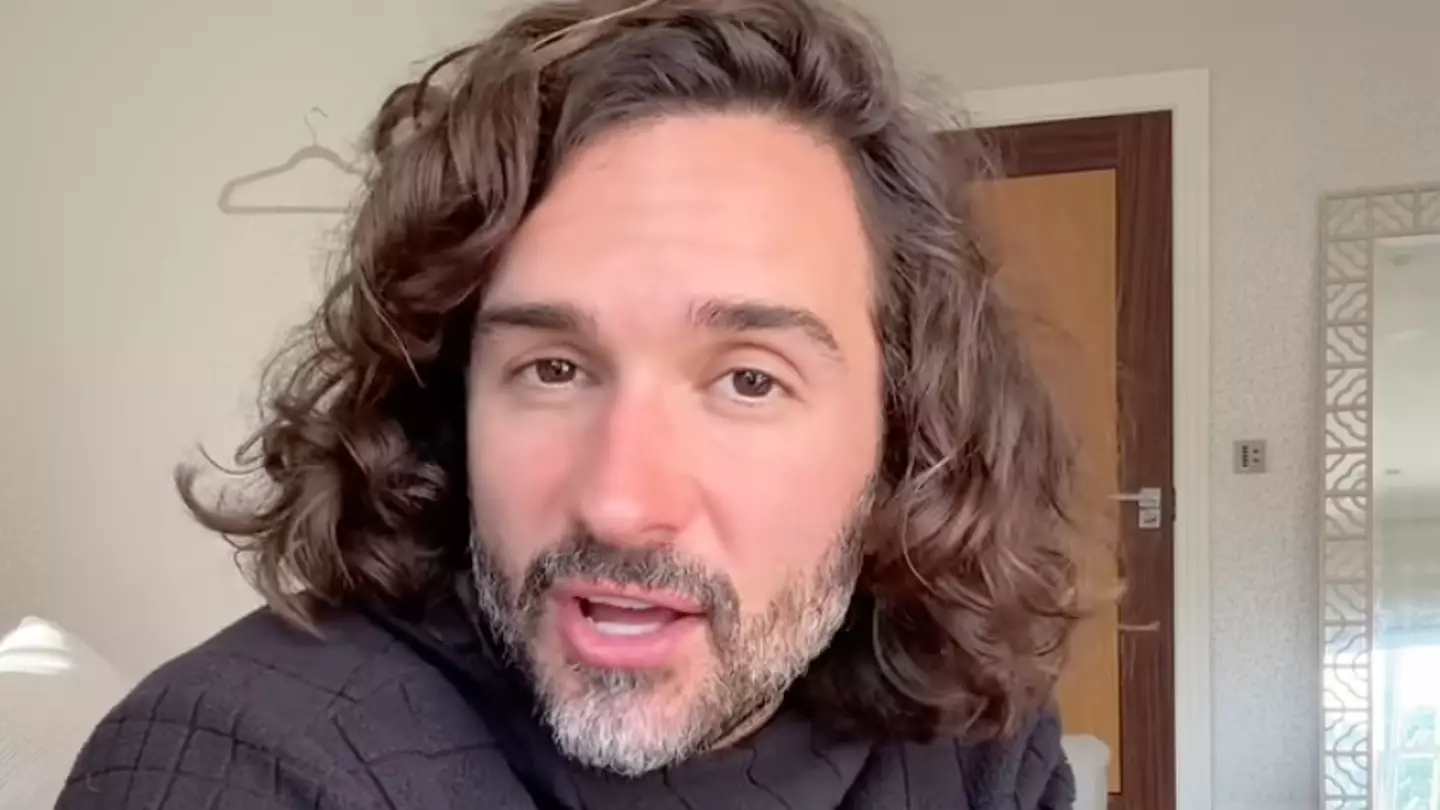
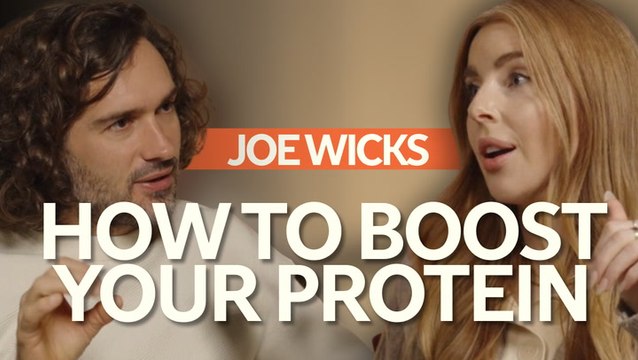
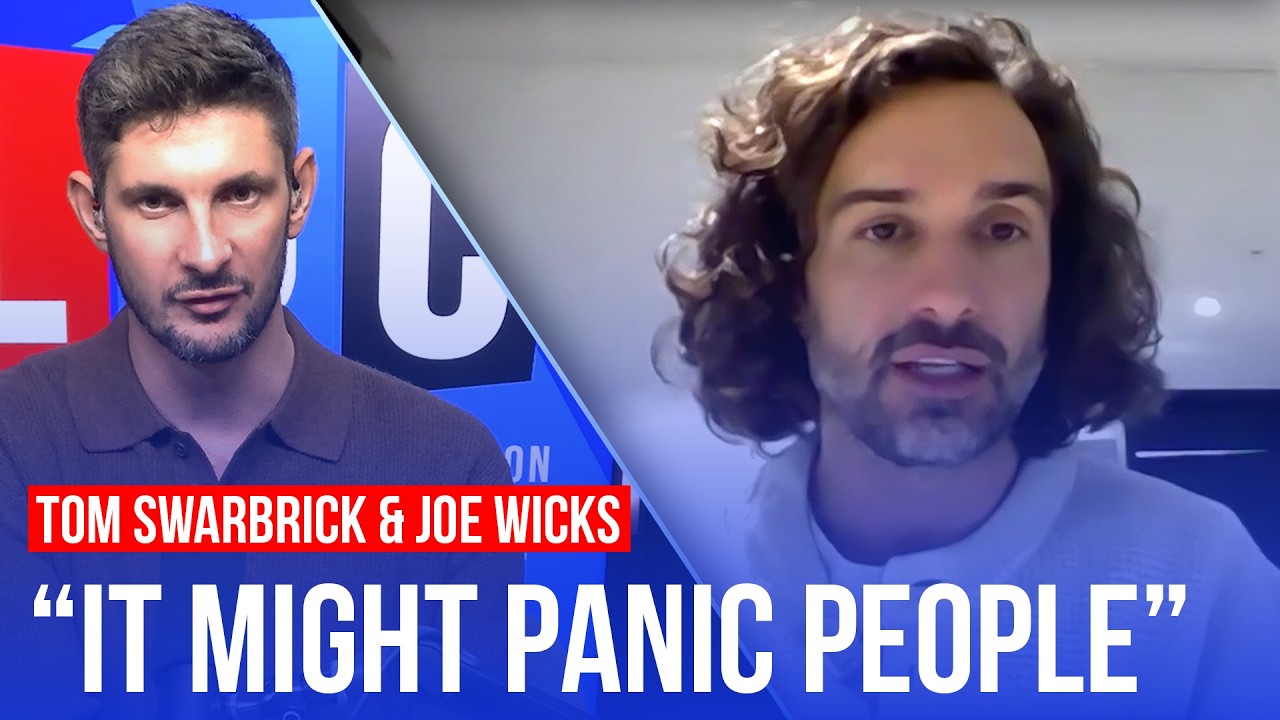
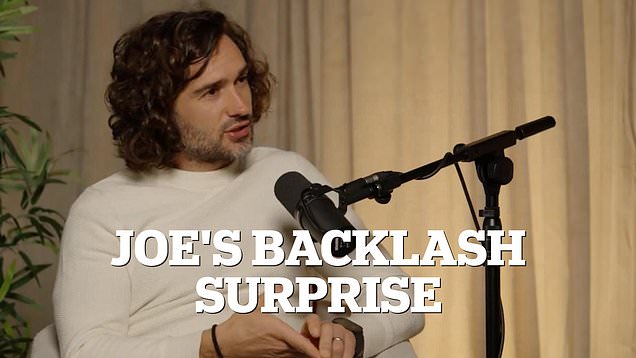
Speaking on Emilie Lavinia’s Well Enough podcast, Joe Wicks expressed his surprise at the level of anger and pushback he received, particularly from within the fitness community. He admitted that the criticism affected him personally, stating, “I was offended and upset by it,” and acknowledged that the backlash had “knocked my confidence.” Despite this, Wicks remains committed to promoting healthier eating habits and raising awareness about the impact of food marketing on public health.
The Broader Debate on Ultra-Processed Foods and Public Health

The controversy surrounding Joe Wicks’ documentary highlights a broader and ongoing discussion about the role of ultra-processed foods in modern diets. UPFs are typically industrial formulations made with ingredients not commonly used in home cooking, such as artificial flavors, colors, preservatives, and sweeteners. These foods are often convenient and affordable but have been linked to various health issues, including obesity, diabetes, and cardiovascular disease.
Public health advocates argue that raising awareness about the risks of UPFs is crucial for encouraging healthier food choices. However, the challenge lies in communicating these messages without stigmatizing certain foods or creating fear around eating. Experts emphasize the importance of balanced messaging that supports positive relationships with food while educating consumers about nutrition.
Joe Wicks’ documentary attempted to navigate this complex terrain by exposing deceptive marketing practices and encouraging critical thinking about food labels. Yet, the strong reactions it provoked underscore how sensitive and nuanced discussions about diet and health can be, especially when mental health considerations are involved.
How Joe Wicks Plans to Move Forward

Despite the criticism, Joe Wicks remains passionate about his mission to improve public health through better nutrition and fitness. He has indicated that the experience has taught him valuable lessons about the complexities of communicating health messages and the need to be mindful of diverse perspectives.
Moving forward, Wicks plans to continue advocating for transparency in food marketing and supporting initiatives that promote healthy eating without contributing to stigma or anxiety around food. He encourages open dialogue and hopes to foster a more inclusive conversation that respects individual experiences while addressing the challenges posed by ultra-processed foods.
Conclusion

Joe Wicks’ experience with backlash over his documentary sheds light on the delicate balance between raising awareness about unhealthy food products and respecting the complexities of eating behaviors and mental health. While he felt “offended and upset” by accusations of “demonising foods and promoting eating disorders,” his commitment to promoting healthier lifestyles remains unwavering. This situation serves as a reminder of the importance of thoughtful communication in public health campaigns.
If you want to stay informed about nutrition, fitness, and wellness topics, be sure to follow Joe Wicks and other trusted experts who strive to provide balanced and evidence-based advice. Your journey to a healthier lifestyle starts with knowledge and understanding—take the first step today!