Sam Elliott Breaks Down in Tears About Growing Old in Emotional “Landman” Monologue: ‘My Body Is Failing Me’
In a deeply moving moment from the hit series Landman, veteran actor Sam Elliott opens up about the harsh realities of aging through his character T.L., an 82-year-old man grappling with the physical and emotional toll of growing old. The tearful monologue, featured in the January 4 episode of season 2, reveals a vulnerable side of Elliott’s character as he confronts his body’s decline and the bittersweet nature of maintaining mental clarity while his physical self deteriorates.
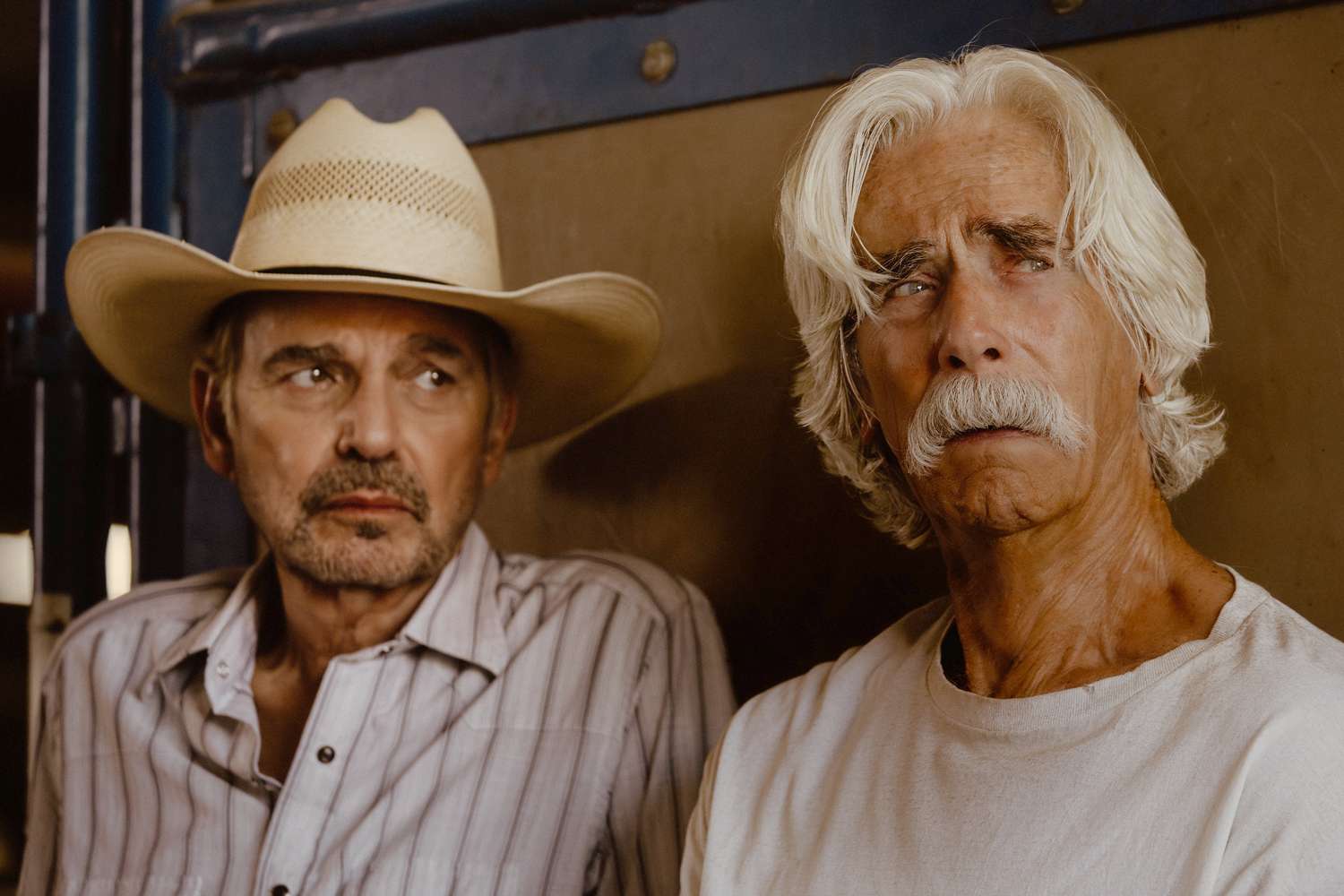
Sam Elliott’s Emotional Monologue on Growing Old in Landman
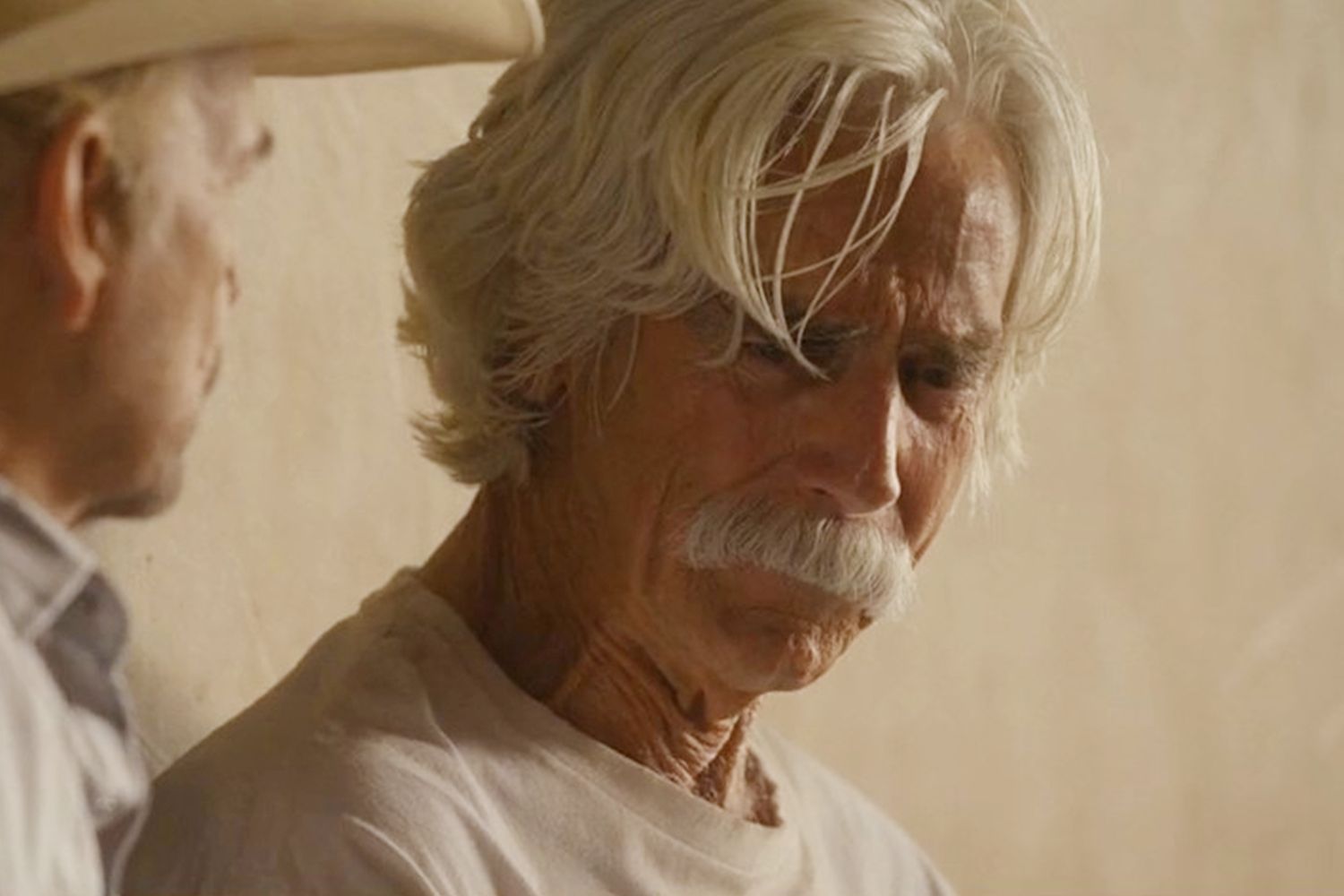
Sam Elliott, known for his iconic voice and rugged persona, delivers one of his most poignant performances yet in Landman. At 81 years old, Elliott portrays T.L., the father of Tommy (played by Billy Bob Thornton), who is navigating the difficult journey of aging. The episode centers around a distressing incident where T.L. falls into a swimming pool and finds himself unable to get out due to his aching knees and hip.
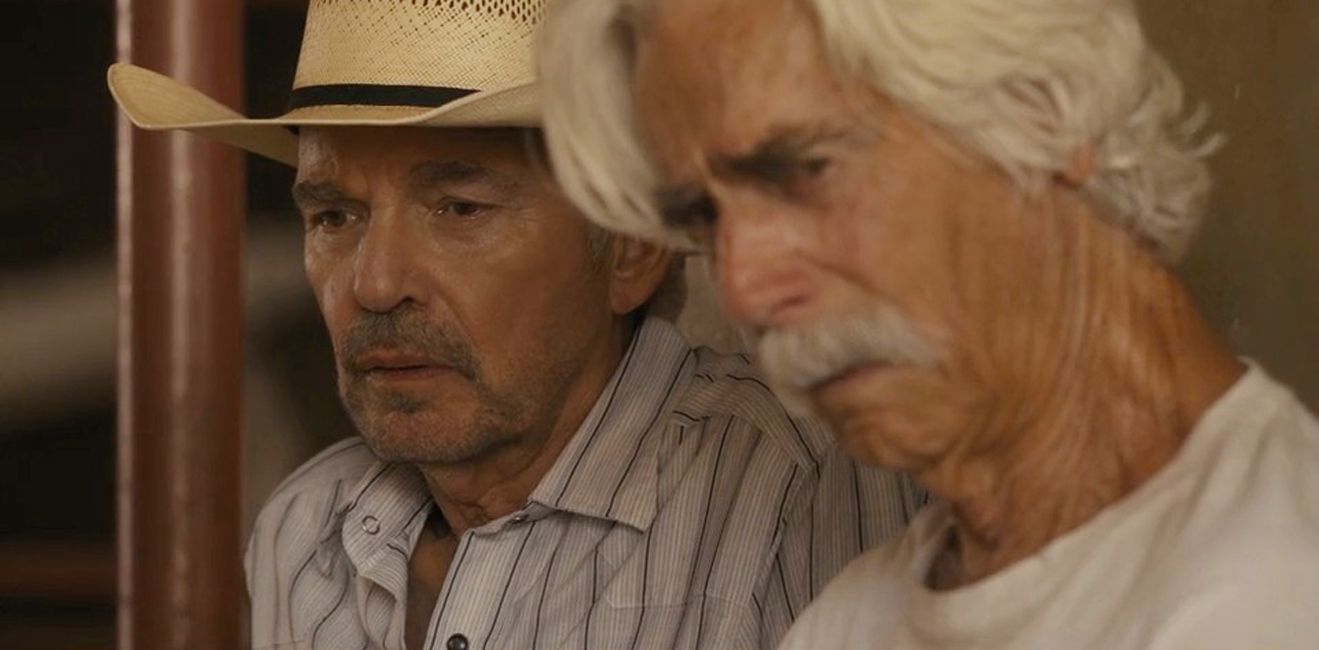
As Tommy rushes to help his father, the scene unfolds into a heartfelt conversation about the realities of aging. T.L. candidly shares his fears and frustrations, revealing how his once strong body is now failing him. “With my knees and my hip, I can’t f—— stand right now,” he admits, highlighting the physical limitations that come with age.
More than just physical pain, T.L. expresses the emotional weight of watching others around him suffer from conditions like Alzheimer’s. He recalls a man in his retirement home who struggles with basic tasks and spends his days staring blankly, a stark contrast to T.L.’s own sharp mind. This contrast brings a wave of sadness and tears as T.L. reflects on the curse of mental clarity paired with a failing body.
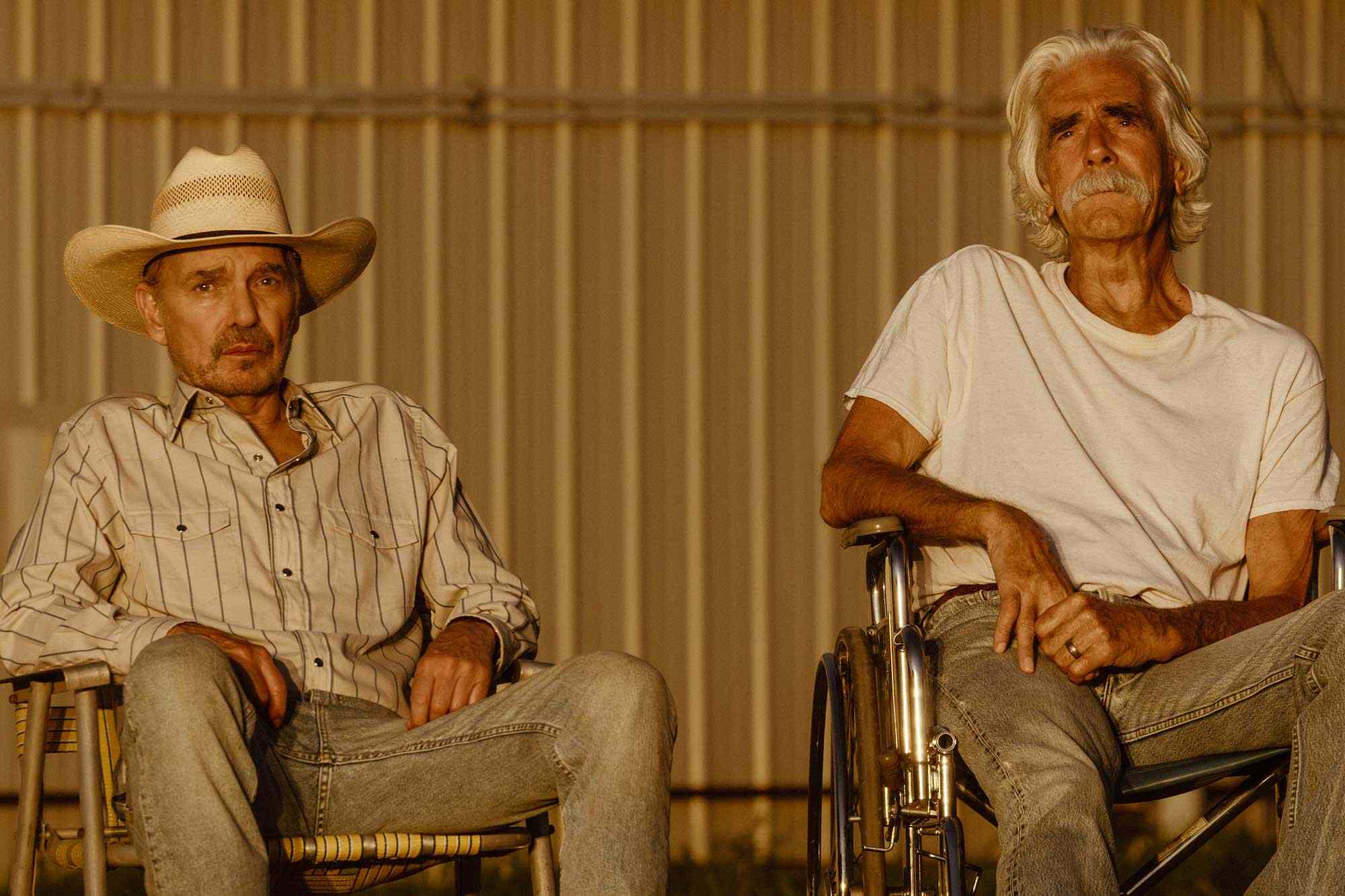
A Rare Tender Moment Between Father and Son
One of the most touching aspects of this episode is the evolving relationship between T.L. and his son Tommy. After years of estrangement, the two men share a rare moment of connection and vulnerability. When Tommy helps T.L. out of the pool, the scene culminates in their first hug, symbolizing a step toward healing their fractured relationship.
This emotional breakthrough is significant, especially given the complicated history between the characters. T.L.’s wife had withdrawn emotionally before her passing, leaving T.L. and Tommy to navigate their grief and distance. The monologue and subsequent embrace mark a turning point in their journey, emphasizing themes of forgiveness, acceptance, and the importance of family support in the face of aging.
Tommy’s suggestion of physical therapy is met with a resigned response from T.L., who describes his body as a “worn-out skin suit,” underscoring the inevitability of physical decline despite efforts to fight it. This candid admission adds depth to the portrayal of aging, moving beyond clichés to reveal the raw truth many face as they grow older.
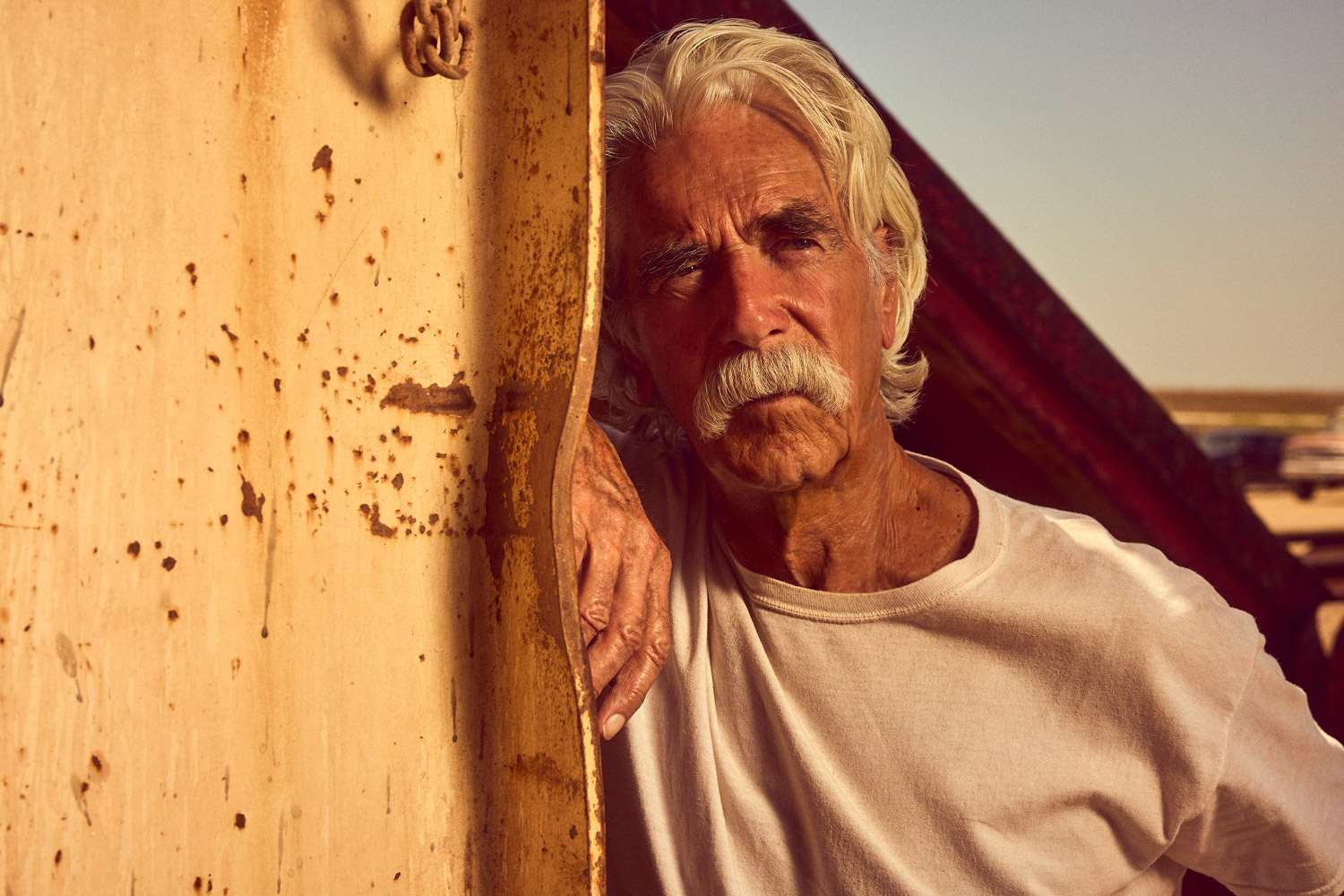
Behind the Scenes: Sam Elliott on Playing T.L.
In interviews, Sam Elliott has described his role as T.L. as an emotional journey. He explains that the character is “fractured,” shaped by years of personal loss and emotional distance. Elliott shares that T.L.’s story is one of healing, both for himself and his son, as they attempt to rebuild their relationship after years of separation.
Elliott’s performance captures the complexity of aging—not just the physical challenges but also the emotional and psychological struggles. His ability to convey vulnerability while maintaining the character’s inherent strength has been praised by critics and fans alike.
The series itself, created by Taylor Sheridan, is known for its gritty and authentic storytelling, and Elliott’s portrayal fits perfectly within this framework. New episodes of Landman continue to explore themes of family, loss, and resilience, with Elliott’s character at the emotional core of the narrative.
Why Sam Elliott’s Monologue on Growing Old Resonates Deeply
Sam Elliott’s tearful reflection on aging strikes a chord because it touches on universal fears and experiences. Many viewers see themselves or their loved ones in T.L.’s struggles—the frustration of a body that no longer cooperates, the fear of losing independence, and the pain of watching others suffer cognitive decline.
The monologue also challenges societal taboos around aging, encouraging open conversations about the realities that come with growing older. Rather than sugarcoating the experience, Elliott’s performance brings honesty and empathy, reminding audiences that aging is a complex process involving both loss and moments of grace.
Moreover, the father-son dynamic adds emotional weight, highlighting how aging affects not just individuals but entire families. The scene encourages viewers to cherish relationships and support one another through life’s inevitable changes.
Impact on Audiences and Cultural Significance
The powerful scene has sparked discussions on social media and among fans, many of whom praise Elliott’s raw and heartfelt delivery. It serves as a reminder of the importance of compassion and understanding for older adults, a message that resonates in a society often obsessed with youth and vitality.
By portraying aging with such authenticity, Landman contributes to a broader cultural shift toward valuing the experiences and stories of older generations. Elliott’s monologue is not only a standout moment in the series but also a meaningful commentary on the human condition.
Conclusion
Sam Elliott’s emotional monologue about growing old in Landman offers a profound and honest look at the challenges of aging. Through his portrayal of T.L., Elliott brings to life the physical struggles, emotional pain, and moments of connection that define this stage of life. The scene’s impact lies in its authenticity and the universal truths it reveals, making it a memorable and important moment in contemporary television.
If you haven’t yet experienced this moving episode, now is the perfect time to watch Landman and witness Sam Elliott’s unforgettable performance. Don’t miss out on this powerful exploration of aging and family—tune in to Paramount+ this Sunday and join the conversation about what it truly means to grow old.


