Michelle Obama Explains Why She Thinks the U.S. Isn’t Ready for a Female President
Michelle Obama on the Readiness of the U.S. for a Female President
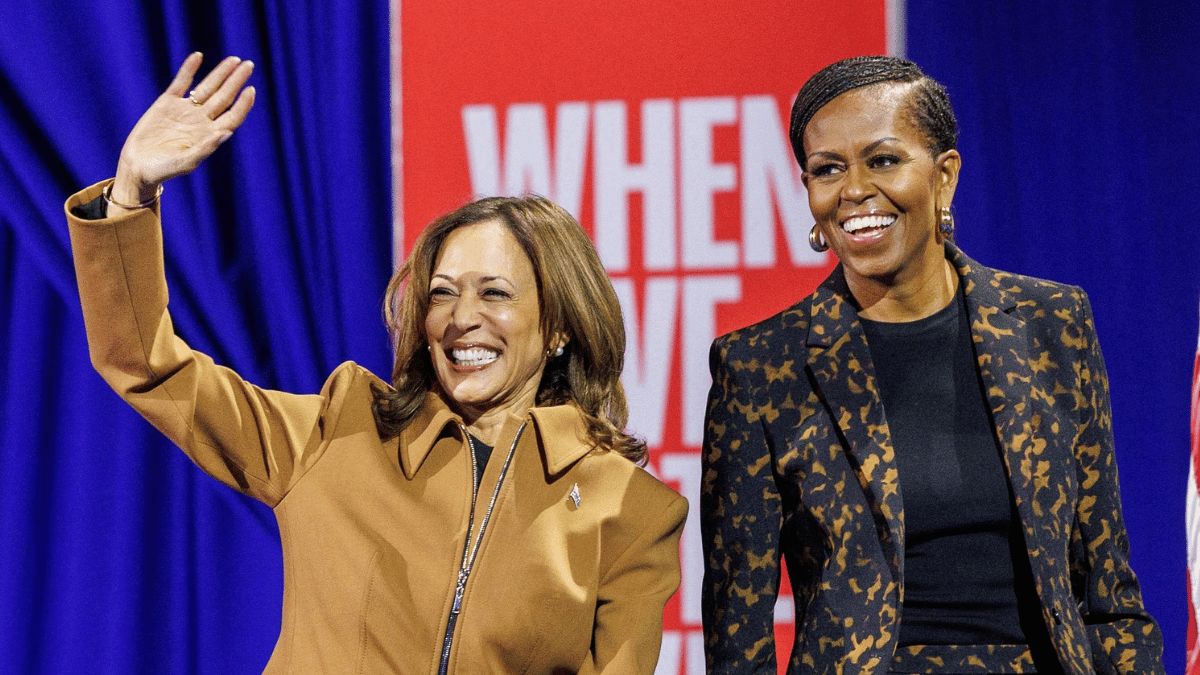
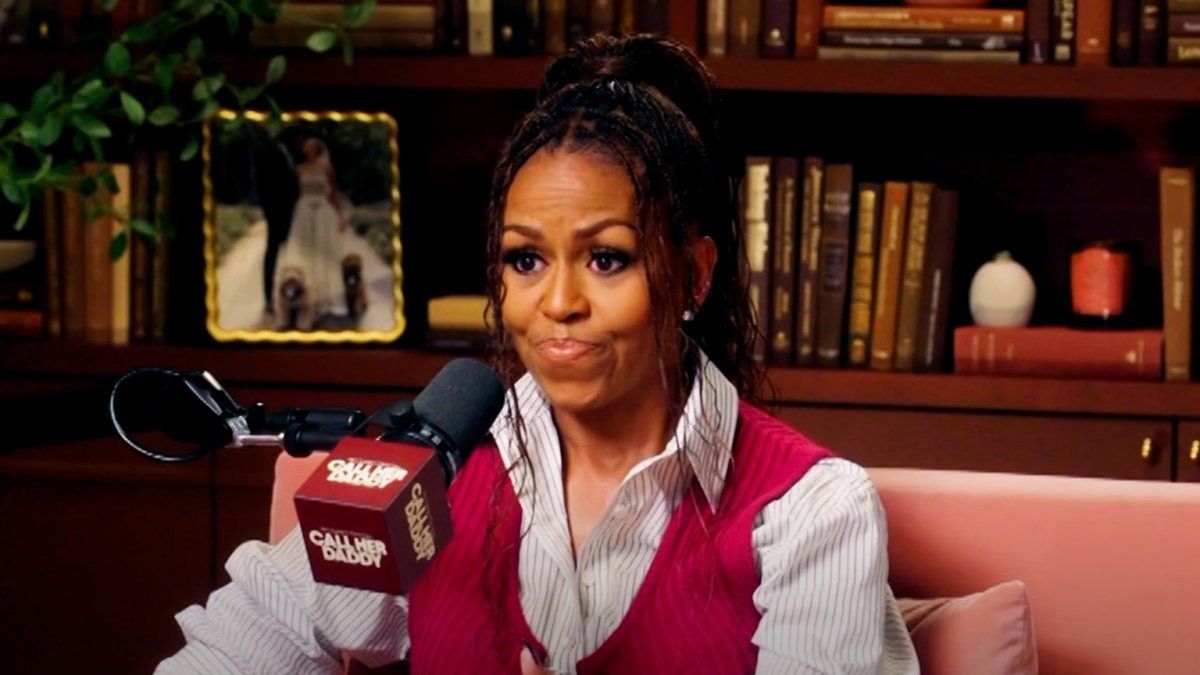
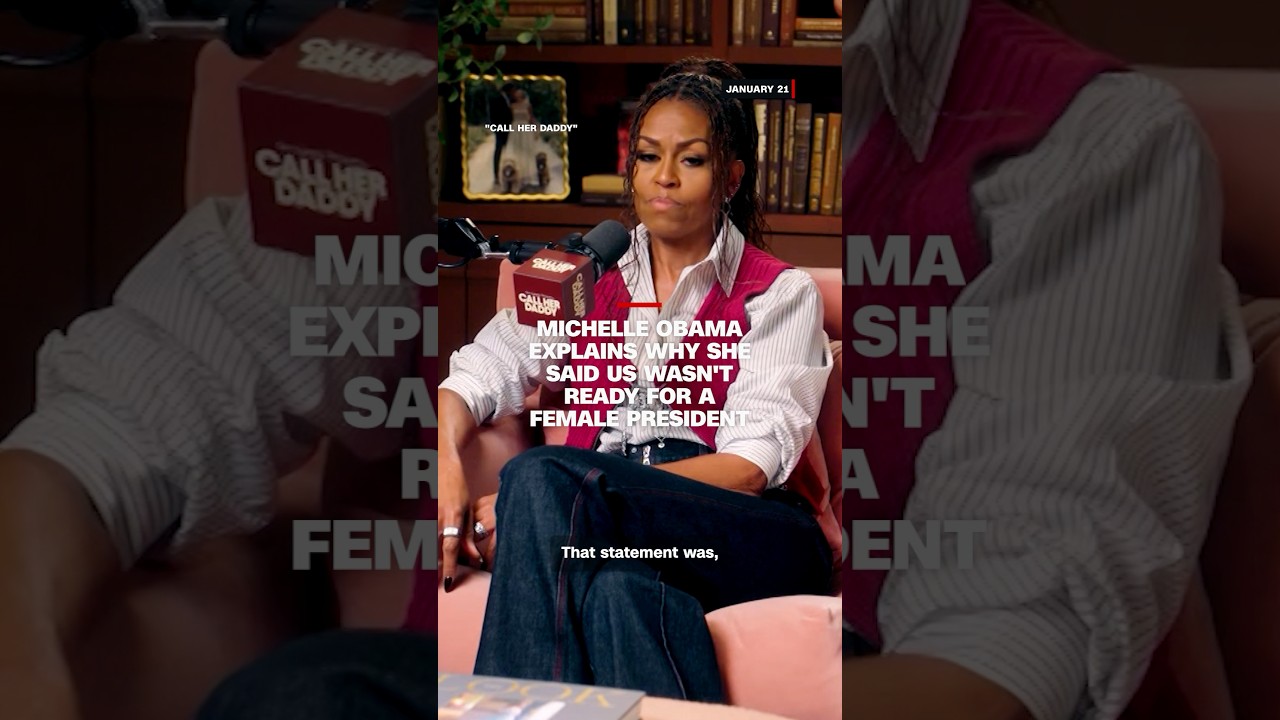
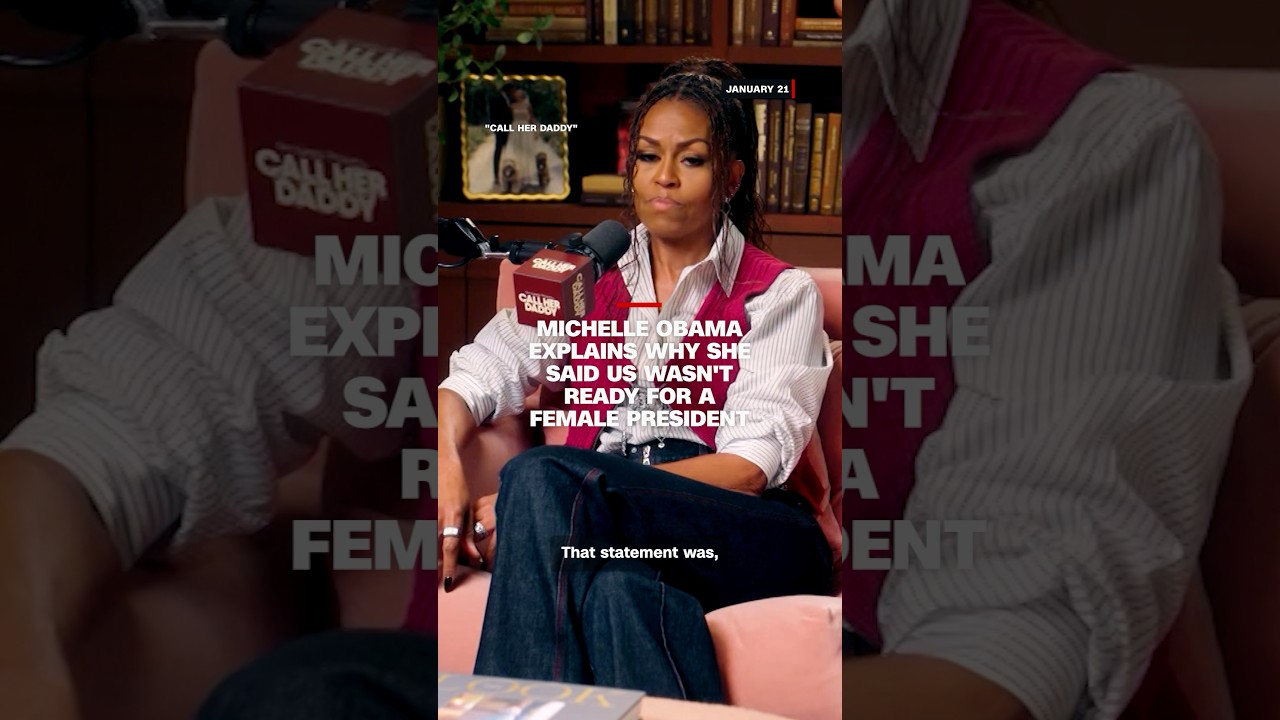
Michelle Obama, the former First Lady of the United States, recently opened up about a topic that continues to spark debate: whether America is prepared to elect a woman as president. During her interview on the popular podcast “Call Her Daddy,” hosted by Alex Cooper, Obama shared her perspective on the cultural and political hurdles that still stand in the way of a female leader in the Oval Office.
Reflecting on the 2024 presidential election and the broader political landscape, Obama expressed a sobering viewpoint. She stated plainly, “As we saw in this past election, sadly, we ain’t ready.” This blunt assessment underscores the complex realities women face in American politics, even as society makes strides toward gender equality.
The Lingering Challenges and Societal Biases
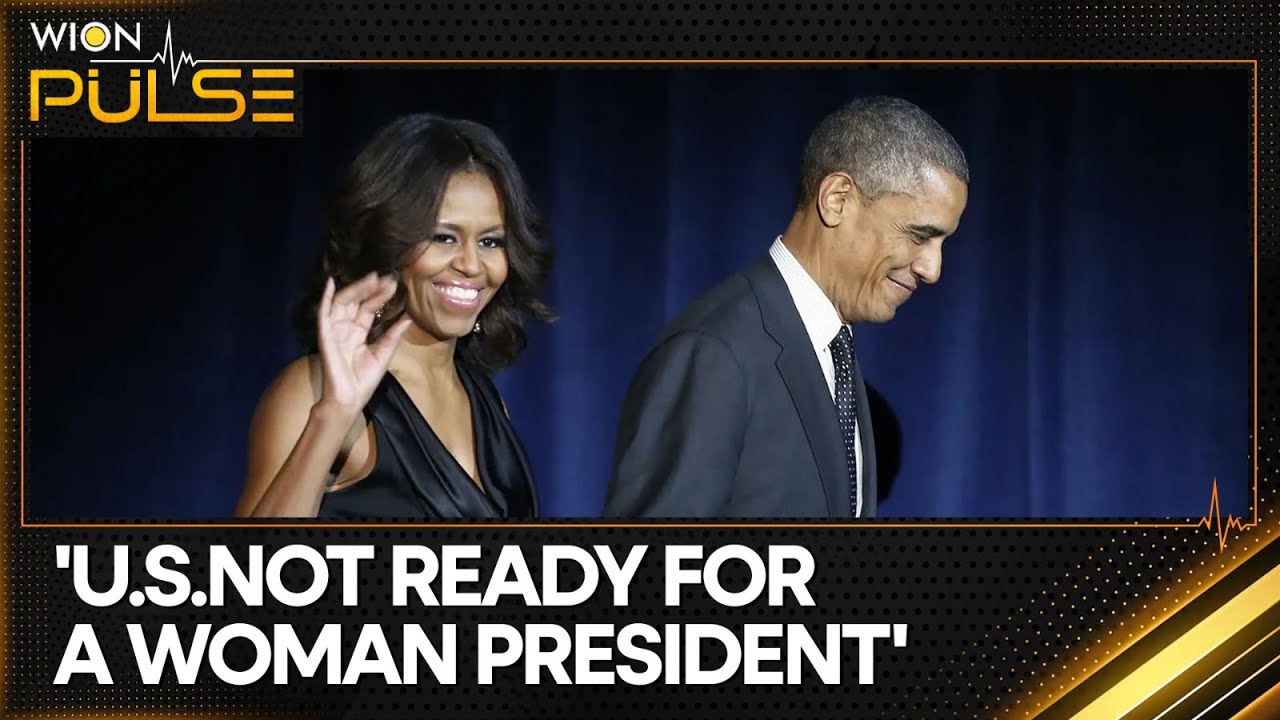
Michelle Obama elaborated on the deep-rooted challenges that contribute to the nation’s hesitancy to embrace a female president. She pointed out that despite progress, many men—and some women—still struggle with the idea of being led by a woman. This resistance is not always overt but can be found in subtle biases and ingrained cultural attitudes.
“We’ve come a long way,” Obama acknowledged, “but whether people really feel yet that they can follow a woman as president… we’d be silly to think there aren’t some gut feelings.” She emphasized that these feelings are often unexamined and ignored because society prefers to believe that gender equality has been fully achieved.
Obama’s comments highlight that the journey toward gender parity in leadership is ongoing. The skepticism toward female candidates is fueled by longstanding stereotypes and societal conditioning that take time to overcome. She stressed, “It takes time. But we’re moving. We are moving in that direction.”
Qualified Women and the Political Landscape
Addressing the argument that the U.S. has had highly qualified women run for president, Michelle Obama acknowledged the truth but also noted the imperfections and challenges those candidates faced. “We have qualified women. They’re not perfect, they don’t cross every T and dot every I, there’s a falling-shortness that happens,” she said.
Her point was not to diminish the qualifications of female candidates but to call for honest conversations about why, despite their credentials, women have struggled to secure the highest office. Obama urged society to confront these realities rather than pretending they don’t exist.
When asked about critics who say disliking certain candidates doesn’t equate to the country being unready for a woman president, Obama responded thoughtfully, “We’re still growing. I think it’s going to happen. Are we ready now? I don’t know. Let’s prove us wrong. I would love that.”
Looking Ahead: The Future of Women in American Politics
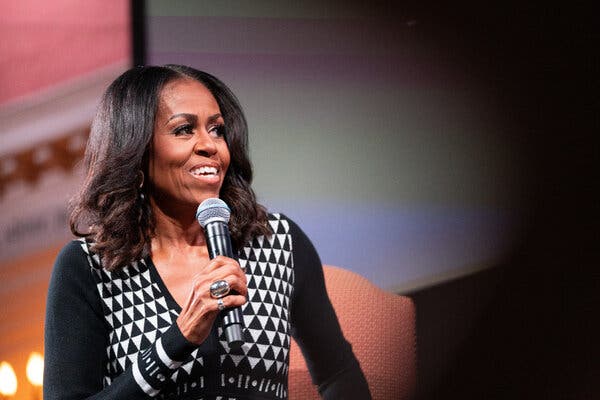
Michelle Obama’s reflections are both a critique and a call to action. She recognizes the progress made but insists that more work is needed to change hearts and minds. Her hope is that future generations will break through the barriers that remain.
She also touched on the importance of new leadership and vision in politics, emphasizing that fresh perspectives are essential for the country’s growth. This includes embracing diverse voices, especially women, in positions of power.
Obama’s candidness serves as a reminder that while the U.S. may not yet be ready for a female president, the momentum toward that milestone is undeniable. The path forward involves continued dialogue, education, and challenging outdated norms.
Conclusion
Michelle Obama’s insights shed light on the complex dynamics surrounding gender and leadership in the United States. While acknowledging that the country might not be fully ready for a female president, she remains optimistic about the future. Her message encourages society to engage in honest conversations about biases and to support qualified women leaders. If you’re passionate about advancing gender equality in politics, now is the time to get involved and help shape a more inclusive future. Stay informed, stay engaged, and be part of the change!