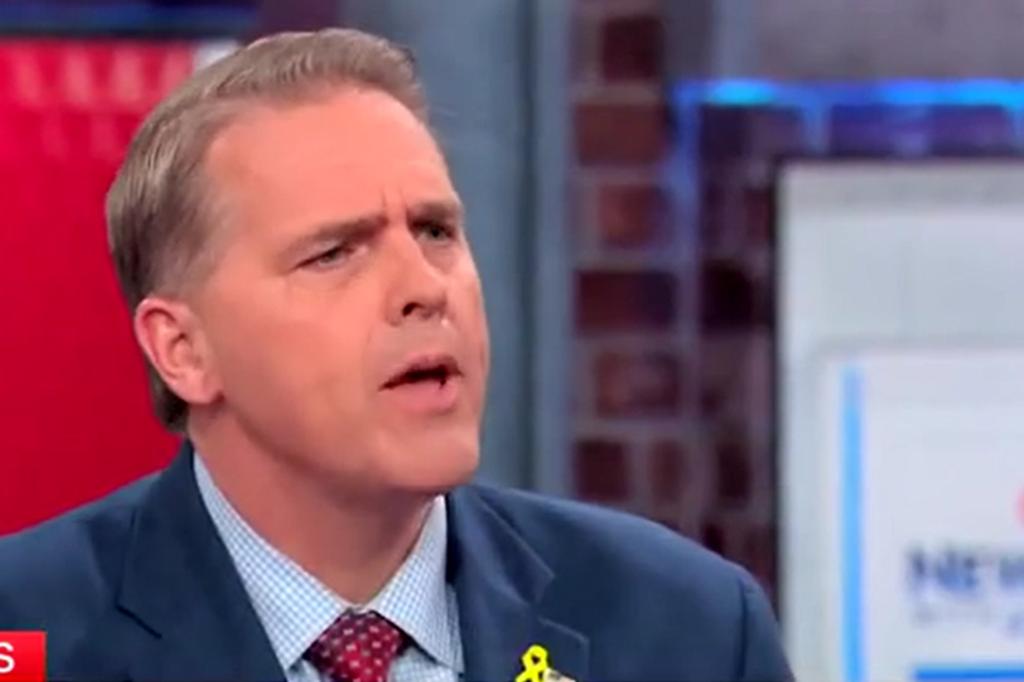
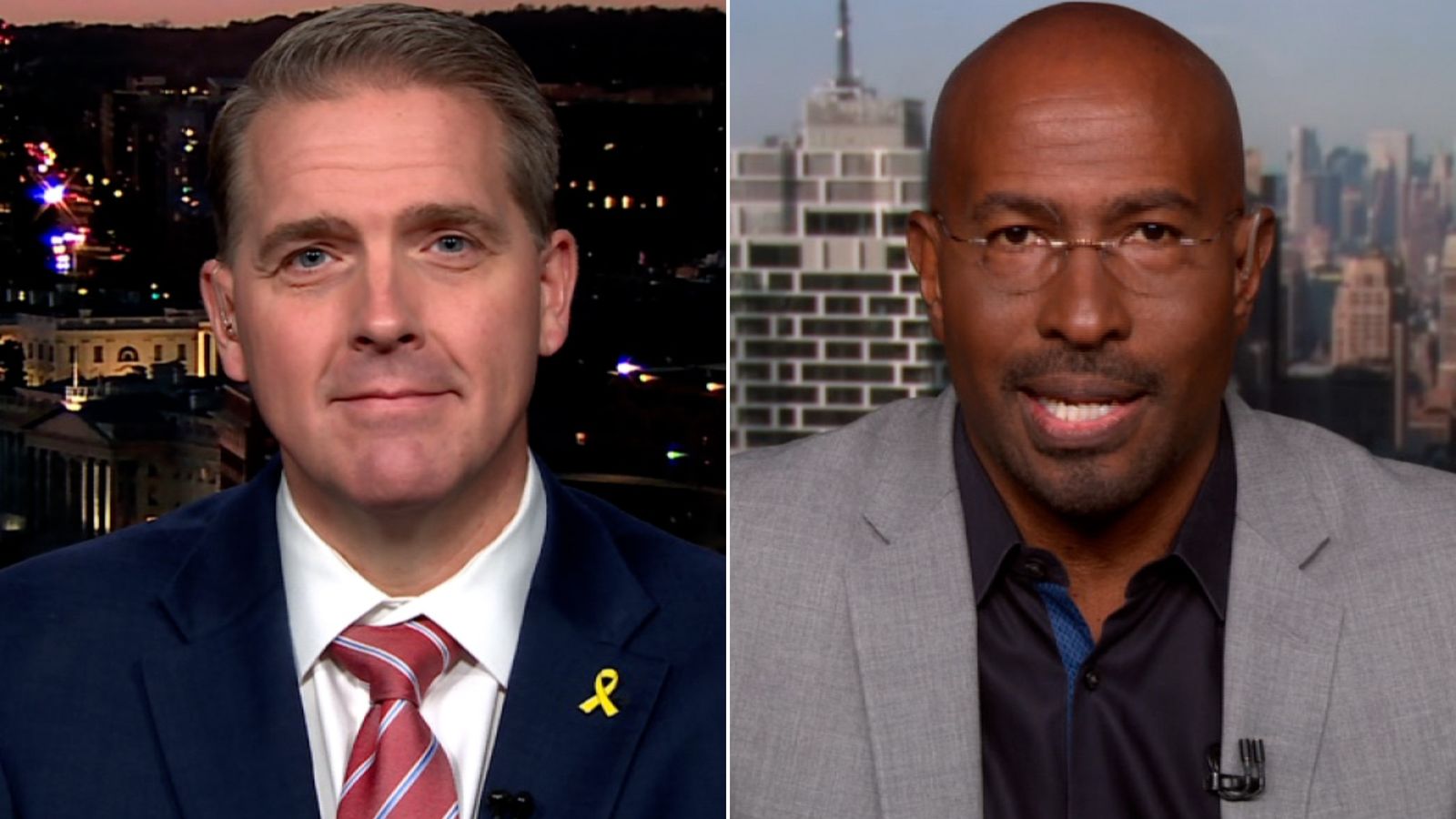
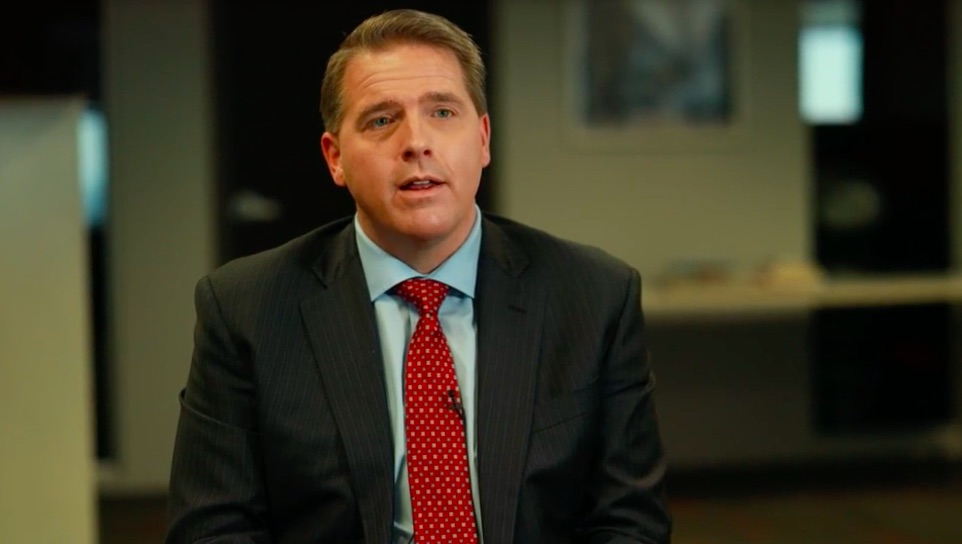
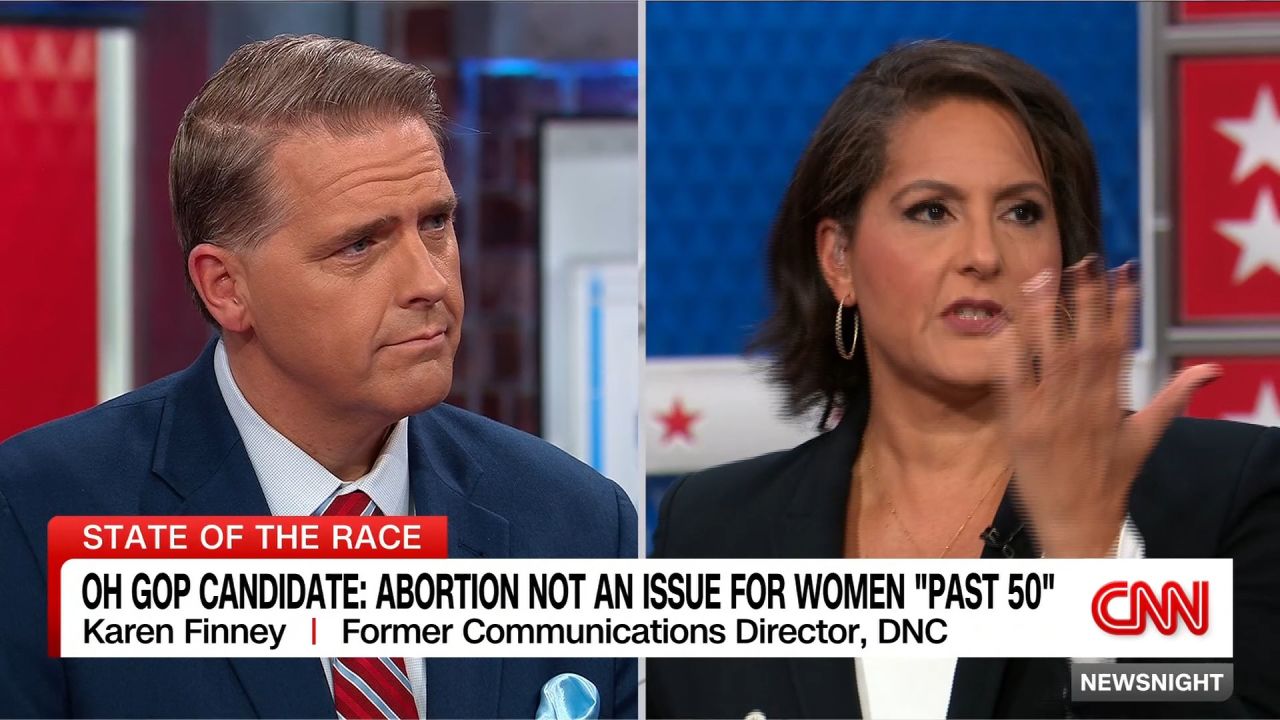
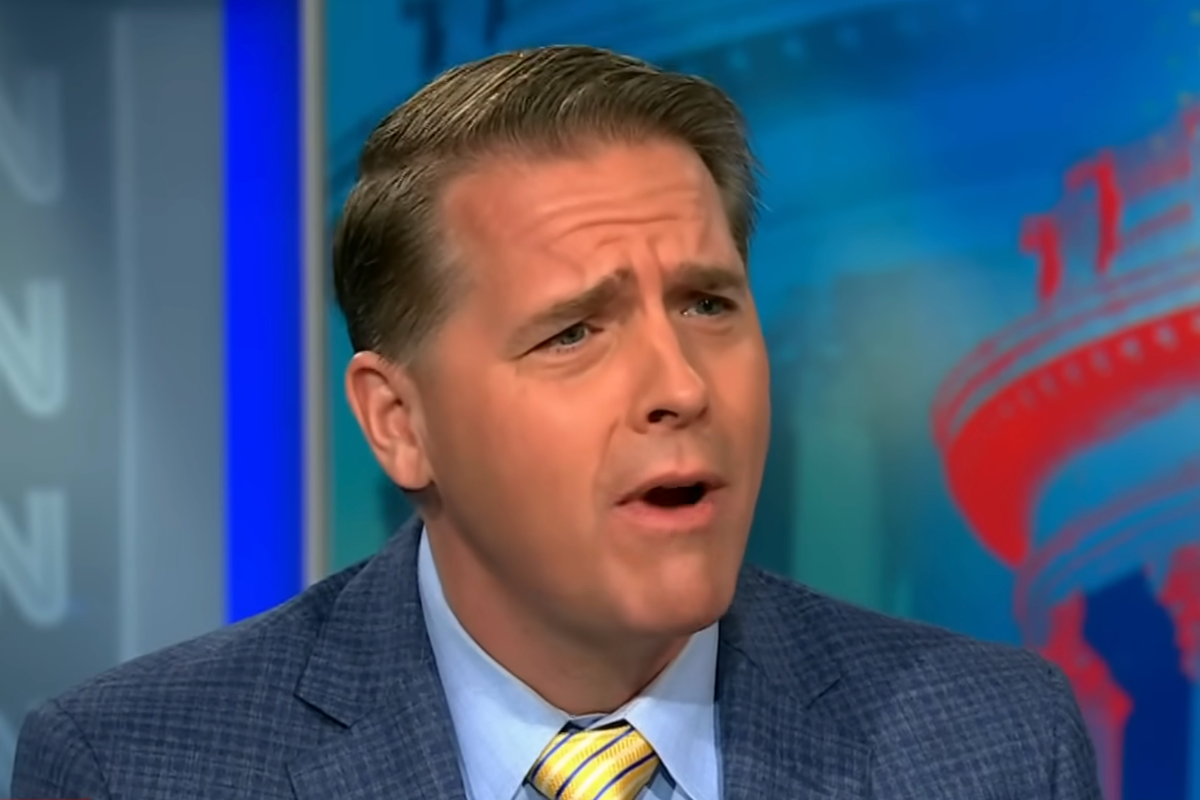
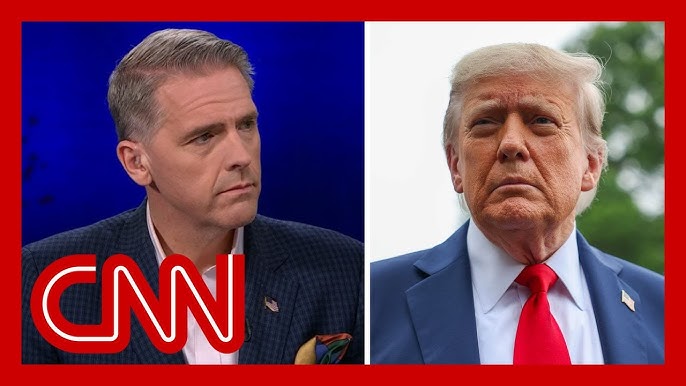
“His Mouth Got Him Fired” — How Scott Jennings’ Mistake Cost Him His Job
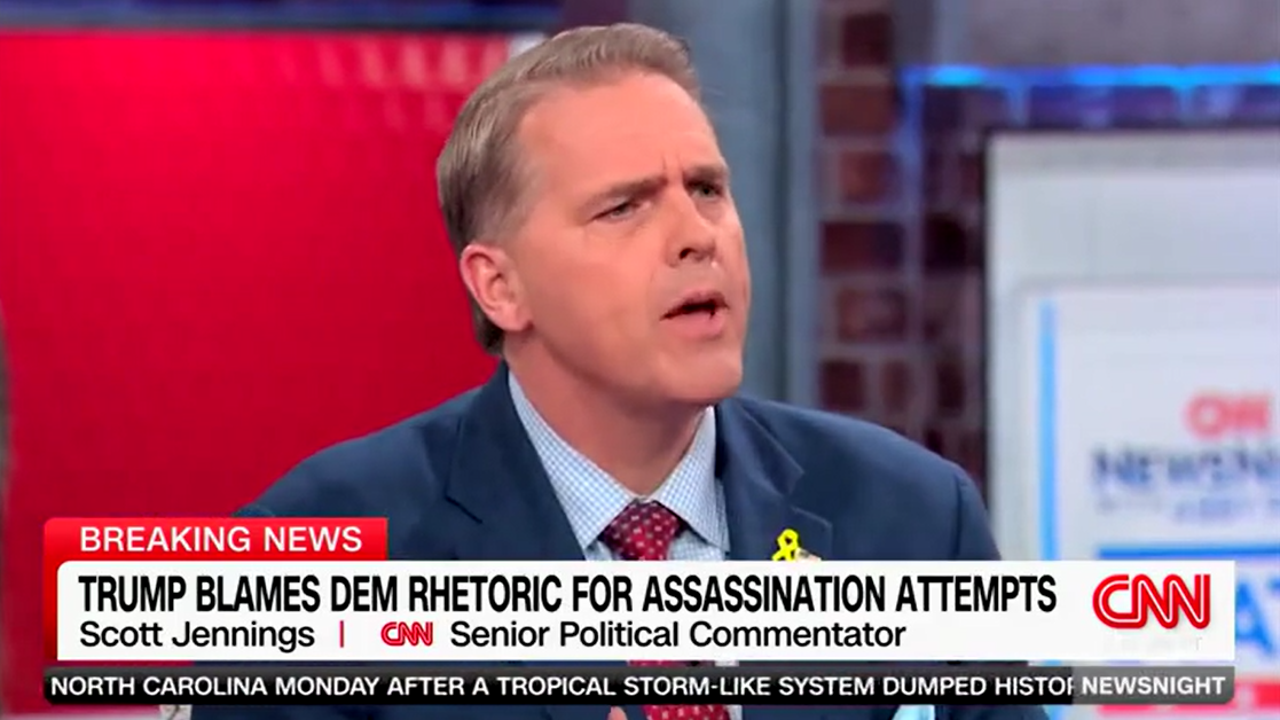
In the fast-paced world of television and media, every word counts. For Scott Jennings, a seasoned political commentator, a single misstep in communication proved to be his undoing. His candid remarks, made without considering the repercussions, led network executives to swiftly terminate his role. This incident serves as a stark reminder of the delicate balance between free speech and professional responsibility in the media industry.
The Critical Error: Why Scott Jennings’ Mouth Got Him Fired
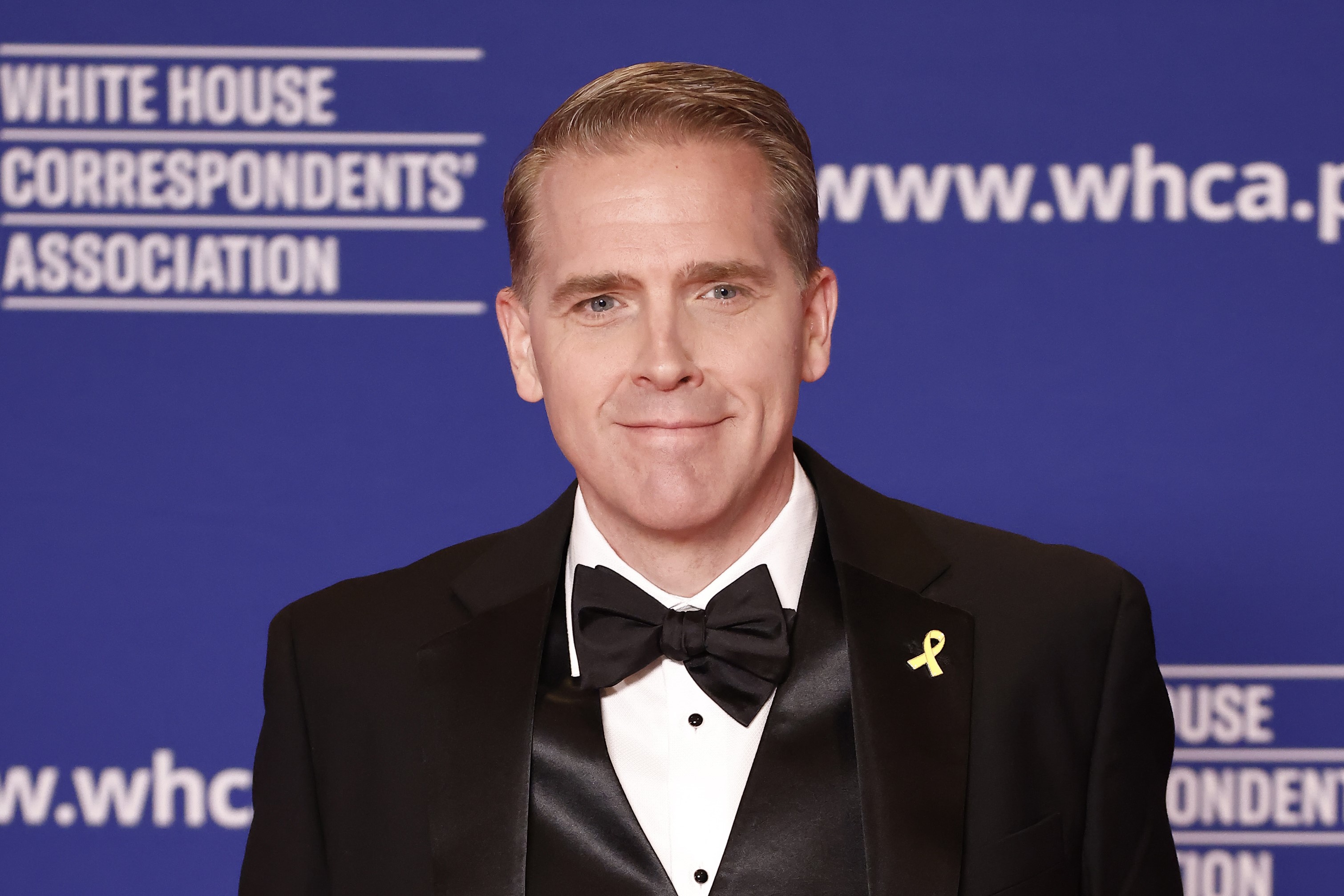
Scott Jennings was known for his insightful political analysis and engaging commentary. However, during a live broadcast, he made an off-the-cuff remark that crossed an invisible line. The comment, perceived as inappropriate and potentially damaging to the network’s reputation, triggered immediate backlash from both viewers and executives.
Network executives, prioritizing the company’s image and viewer trust, acted decisively. They concluded that Jennings’ statement undermined the network’s standards and values. Consequently, they terminated his contract without delay. This rapid response highlights how unforgiving the media environment can be when it comes to public statements.
The phrase “his mouth got him fired” encapsulates the essence of Jennings’ downfall. It underscores the importance of measured communication, especially for public figures whose words carry significant weight. In an era where social media amplifies every utterance, the margin for error is razor-thin.
Lessons Learned: The Importance of Media Professionalism
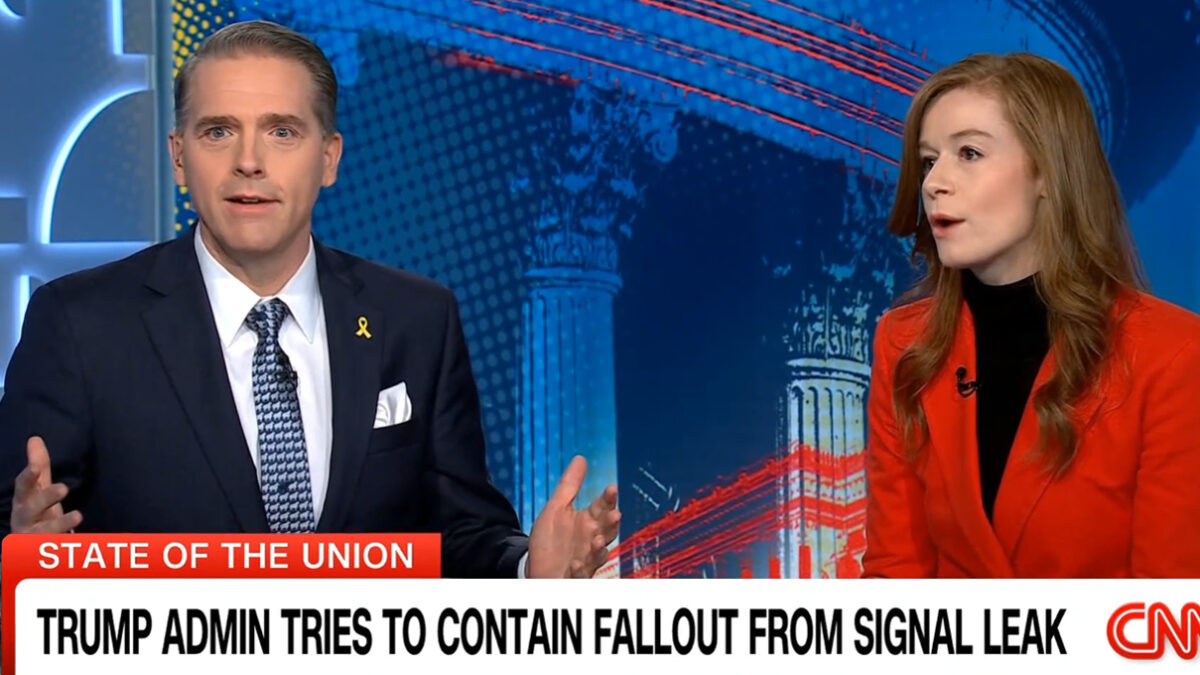
Scott Jennings’ experience offers valuable lessons for anyone working in or aspiring to join the media industry. First and foremost, it emphasizes the need for careful consideration before speaking, particularly in public or live settings. Media professionals must balance authenticity with discretion to maintain credibility and avoid controversy.
Moreover, this incident illustrates the power dynamics within media organizations. Executives have a responsibility to protect their brand and audience, often leading to swift disciplinary actions when standards are breached. Understanding these dynamics can help commentators and journalists navigate their roles more effectively.
Finally, Jennings’ case highlights the broader implications of communication in the digital age. With instant access to broadcasts and social media platforms, a single comment can quickly escalate into a public relations crisis. Media figures must therefore cultivate a heightened awareness of their speech and its potential impact.
How to Protect Your Career in Broadcasting
To avoid a fate similar to Scott Jennings’, media professionals should adopt several best practices:
1. **Think Before You Speak:** Always pause to assess the potential consequences of your words, especially during live broadcasts.
2. **Understand Your Network’s Policies:** Familiarize yourself with the company’s guidelines on public communication and adhere strictly to them.
3. **Engage in Media Training:** Regular training can help refine your communication skills and prepare you for challenging situations.
4. **Monitor Public Reaction:** Stay attuned to audience feedback and be ready to address any misunderstandings promptly and professionally.
5. **Maintain Professionalism:** Uphold a standard of conduct that reflects well on both yourself and your employer at all times.
By following these strategies, media personalities can safeguard their reputations and careers, ensuring that their voices contribute positively rather than detract from their professional standing.
Conclusion
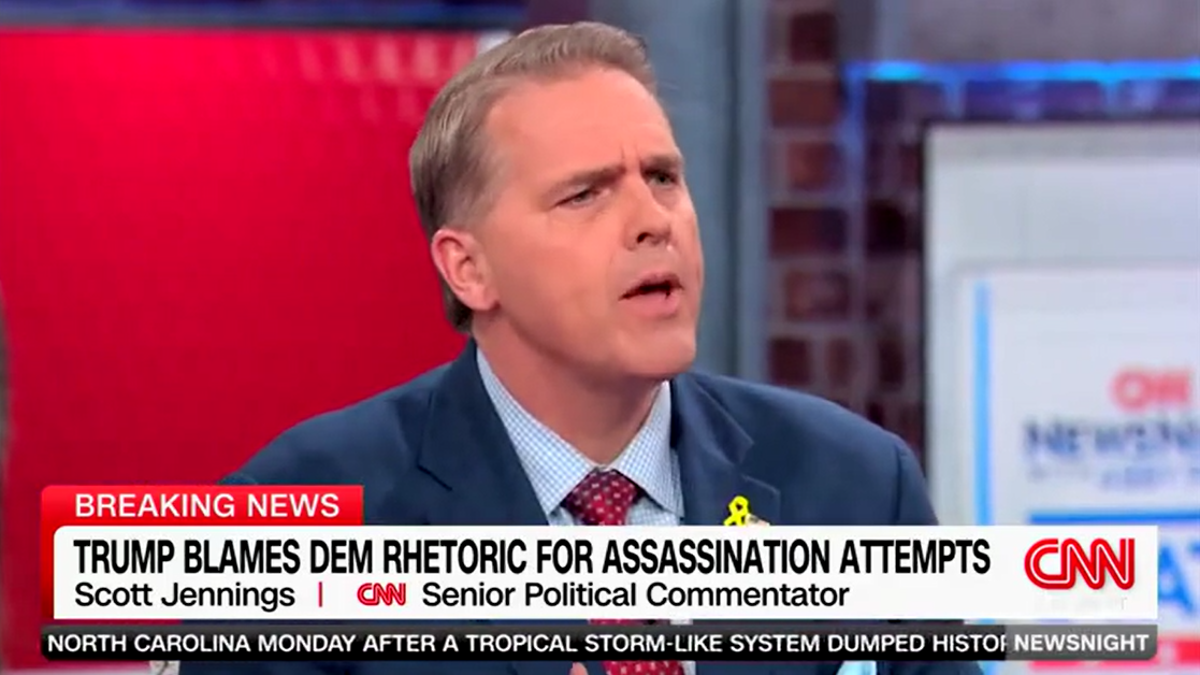
Scott Jennings’ abrupt firing serves as a cautionary tale about the power of words and the importance of professionalism in the media industry. His story reminds us that even experienced commentators must exercise caution and responsibility in their public statements. If you’re pursuing a career in broadcasting or media, take this lesson to heart: your words can make or break your career. Stay informed, stay professional, and always think before you speak to protect your future in this competitive field. Ready to enhance your media skills and avoid costly mistakes? Explore our expert communication training programs today!