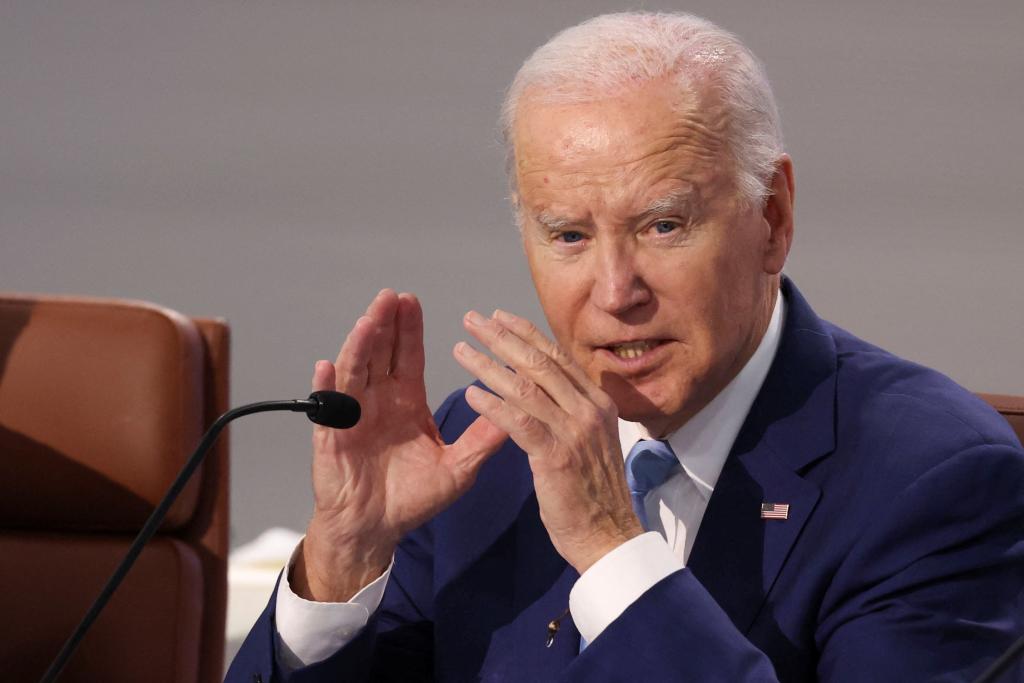
Biden’s ‘extravagant’ pension is largest of any president in history – and even more than what he earned as prez
Biden’s Unprecedented Pension: More Than His Presidential Salary
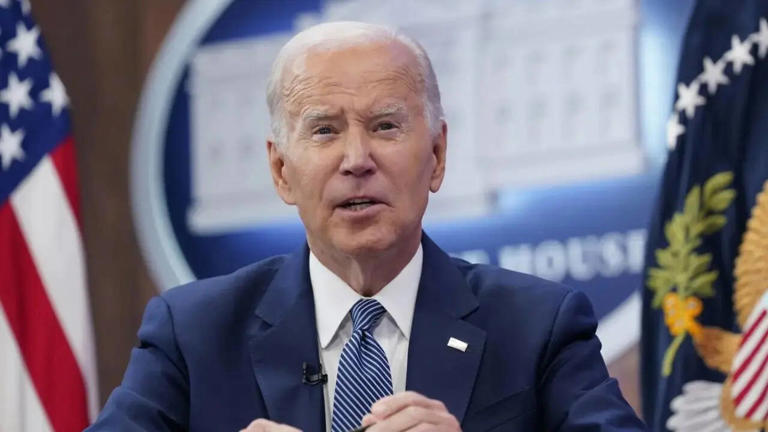
Former President Joe Biden’s retirement income has sparked significant attention due to its extraordinary size. According to experts, Biden’s pension amounts to approximately $417,000 per year, making it the largest taxpayer-funded pension ever awarded to a U.S. president. This figure notably exceeds the $400,000 annual salary he earned while serving as commander-in-chief.
This substantial pension is the result of Biden’s extensive career in public service, which includes 44 years as a senator, eight years as vice president, and four years as president. His ability to tap into multiple government pension funds has allowed him to accumulate retirement benefits that surpass those of any former president before him.
The Dual Pension System: How Biden Benefits from Two Government Funds
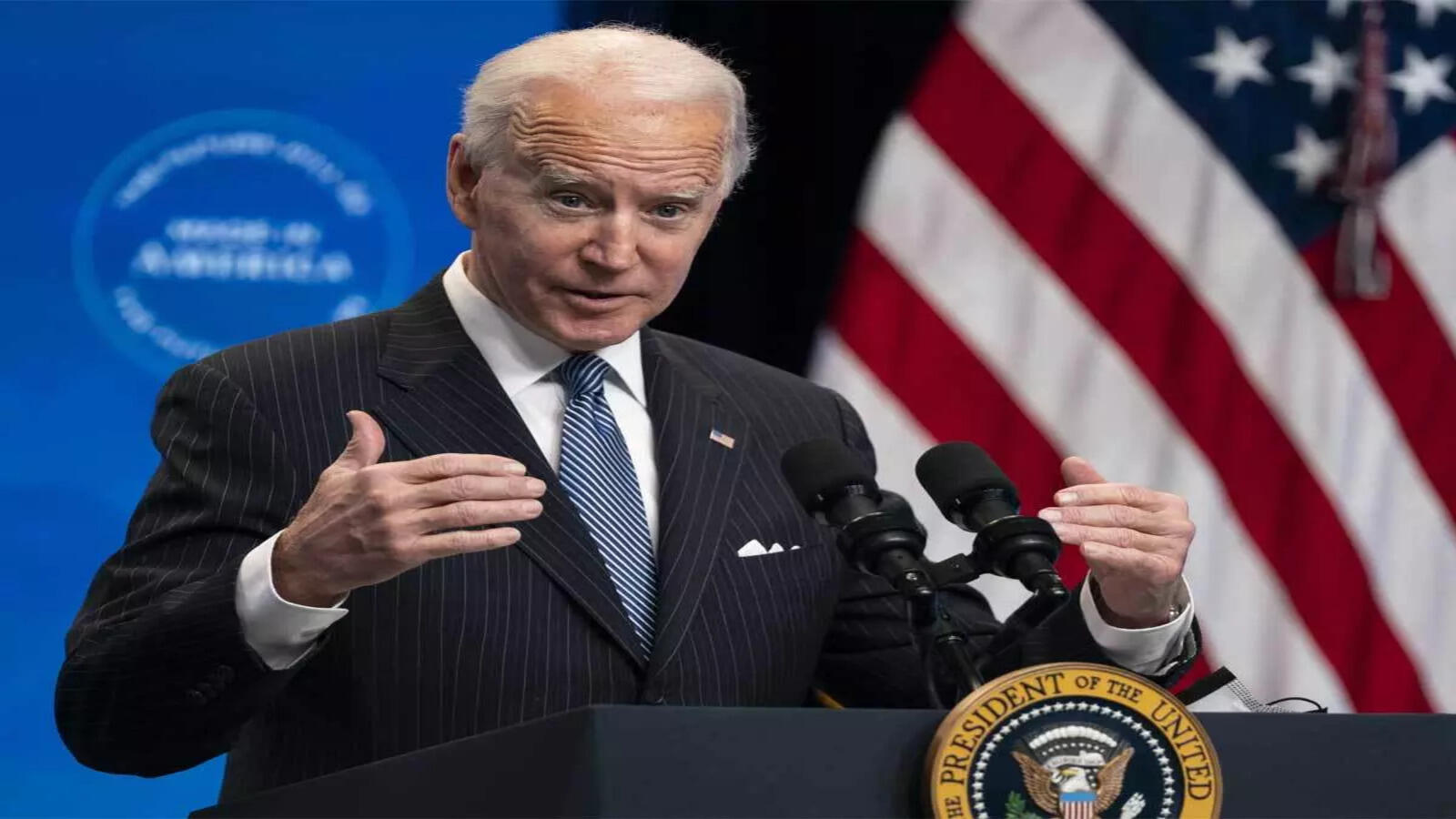
Biden’s pension is unique because it combines benefits from two separate taxpayer-funded retirement systems. First, he receives a pension under the Former Presidents Act of 1958, which guarantees a pension equivalent to the salary of a cabinet secretary—currently about $250,600 annually. This law was originally enacted to prevent financial hardship for former presidents, although some historians argue its necessity has diminished over time.
In addition to this presidential pension, Biden also collects a sizable pension from the Civil Service Retirement System (CSRS), which covers his years as a senator and vice president. The CSRS pension is calculated based on his 44 years of service and his highest three years of salary during that period. Estimates suggest Biden’s CSRS pension could be as high as $166,374 annually, including benefits for his spouse.
However, a cap limits his CSRS pension to 80% of his highest salary, which was $230,700 as vice president and president of the Senate. Even with this cap, his combined pension income exceeds $400,000 per year, making it larger than his presidential salary.
Additional Taxpayer-Funded Perks and the Debate Over Reform
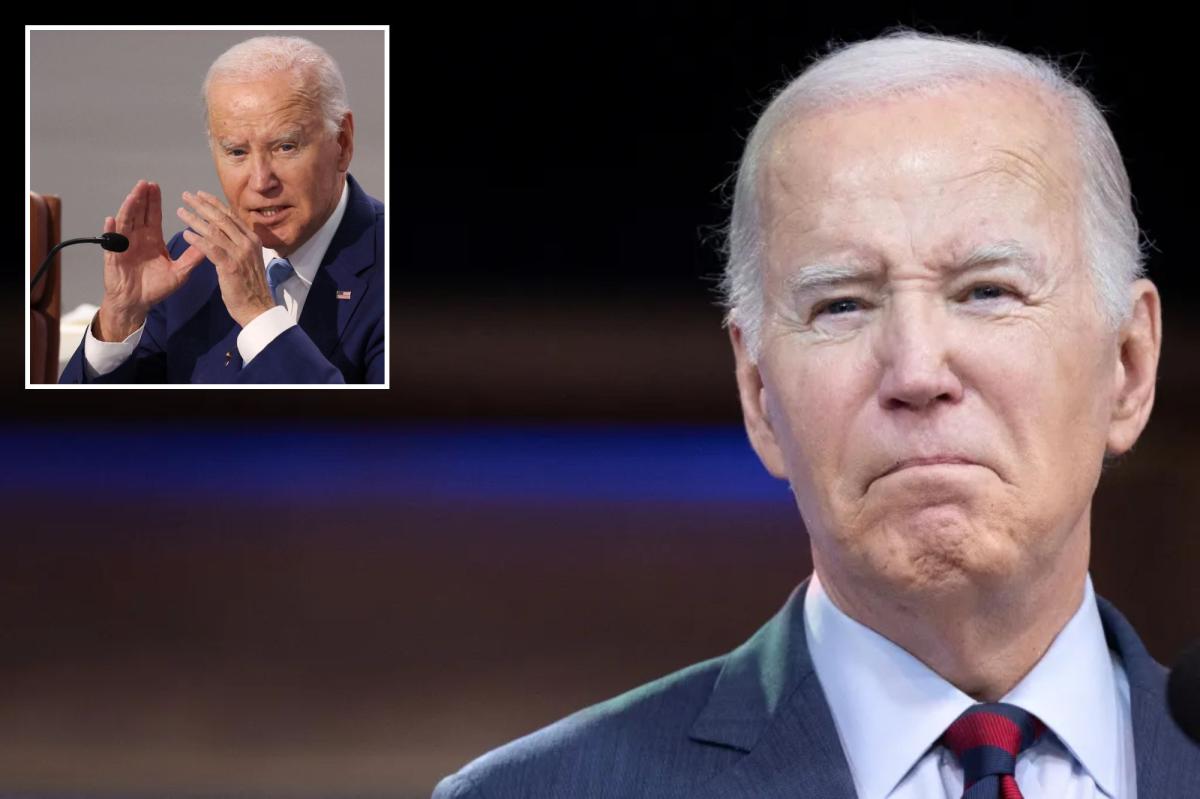
Beyond his pension, Biden also benefits from taxpayer-funded perks such as office space, staff, and equipment. For fiscal year 2026, the General Services Administration allocated over $1.5 million for Biden’s post-presidential expenses, including $727,000 solely for office space. Unlike his pension, there is no cap on these expenses, and they are provided for life.
This generous package has raised questions among taxpayer advocates and lawmakers about the sustainability and fairness of such benefits. Some argue that younger former presidents, including Barack Obama, who also receive similar perks, should not be entitled to lifelong taxpayer-funded office space and staff, especially when these offices are often used to write memoirs or secure lucrative speaking engagements.
Senator Joni Ernst introduced the Presidential Allowance Modernization Act, aiming to limit presidential pensions to $200,000 and reduce perks like office space and travel expenses. Although a similar bill passed Congress in 2016, it was vetoed by then-President Obama, who stood to benefit from the existing system.
Comparing Biden’s Pension to Other Former Presidents
Biden’s pension dwarfs those of his predecessors. For example, Barack Obama receives about half of Biden’s retirement pay, highlighting the exceptional nature of Biden’s benefits. This discrepancy is largely due to Biden’s long and varied political career, which allowed him to “double-dip” into multiple pension funds.
Historically, presidential pensions were designed to provide modest support to former leaders. However, Biden’s case illustrates how the current system can result in pensions that exceed active presidential salaries. This situation has fueled calls for reform to ensure that taxpayer funds are used responsibly and equitably.
The Broader Context: Congressional Pensions and Public Concern
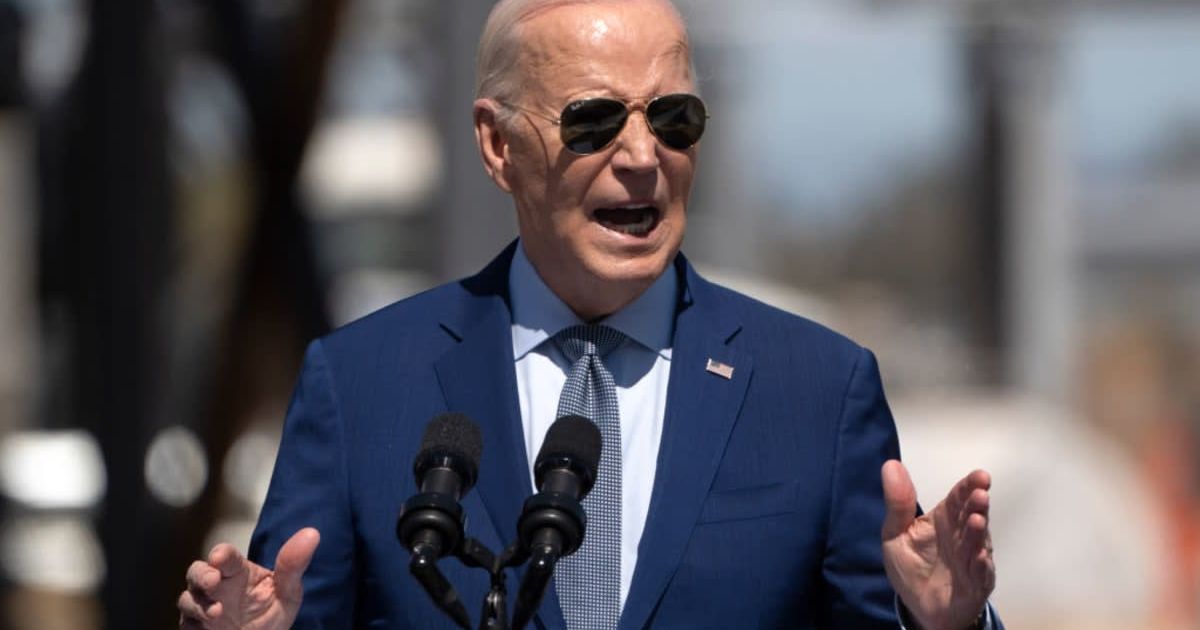
The issue of large taxpayer-funded pensions extends beyond former presidents. Members of Congress are also eligible for pensions after five years of service, costing taxpayers approximately $38 million annually. Some recent examples, such as Rep. Marjorie Taylor Greene qualifying for a pension after just two days in office, have drawn public scrutiny.
Long-serving members like Nancy Pelosi are projected to receive pensions exceeding $100,000 per year, further intensifying debates about the fairness and sustainability of these benefits.
Conclusion
Joe Biden’s “extravagant” pension, the largest in U.S. presidential history, highlights the complexities and controversies surrounding taxpayer-funded retirement benefits for public officials. His unique career path has enabled him to receive a pension that surpasses even his presidential salary, prompting calls for legislative reforms to prevent future excessive payouts.
As discussions continue about the fairness and fiscal responsibility of these pensions, it is crucial for citizens to stay informed and advocate for transparent and equitable policies. To learn more about government pensions and how they impact taxpayers, stay tuned to our updates and share your thoughts on potential reforms.