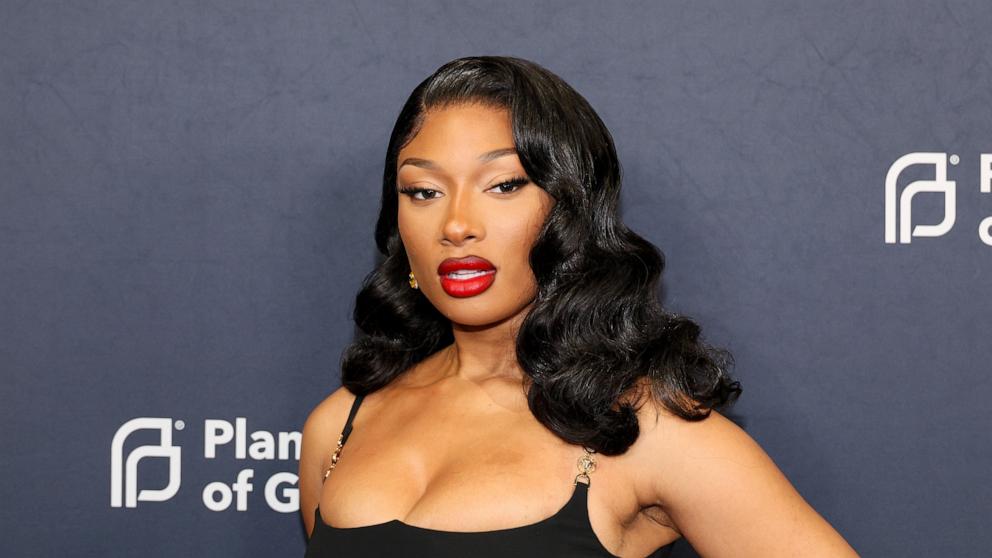
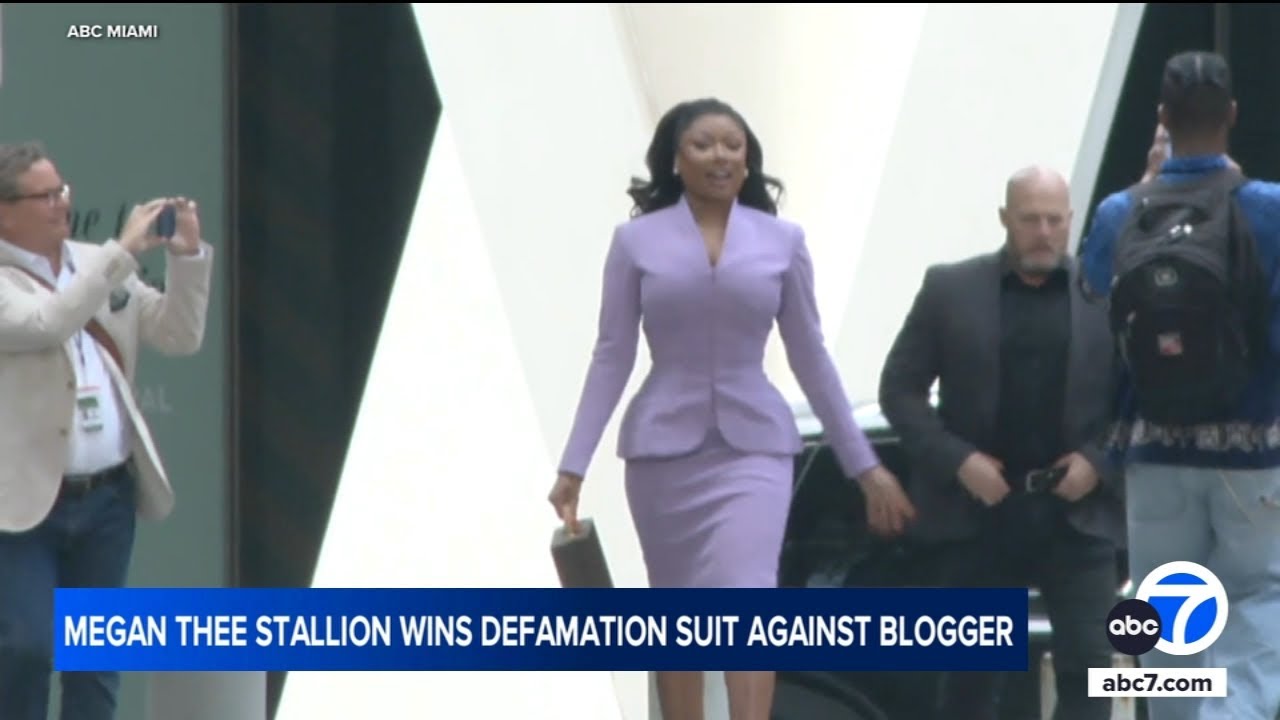
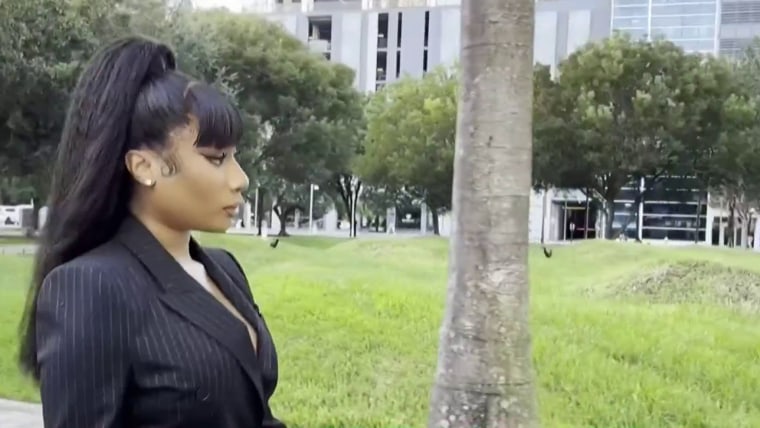
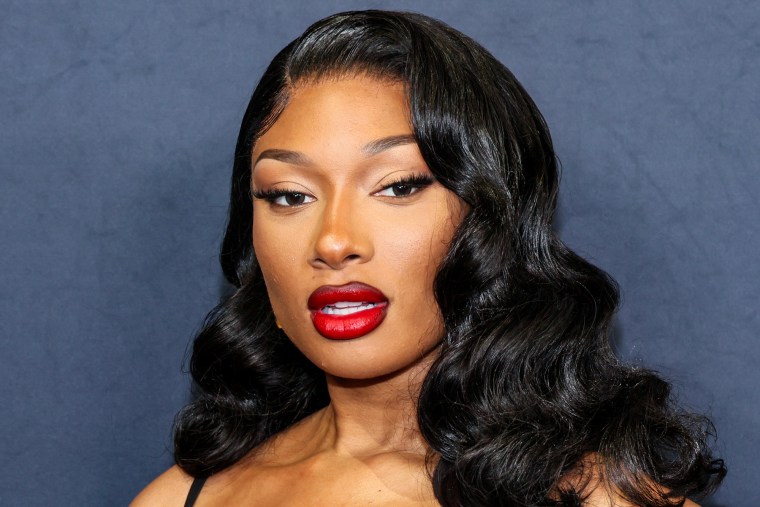
Megan Thee Stallion Wins Defamation Civil Suit Against Blogger Milagro Gramz in Trial
Megan Thee Stallion’s Defamation Victory Over Blogger Milagro Gramz
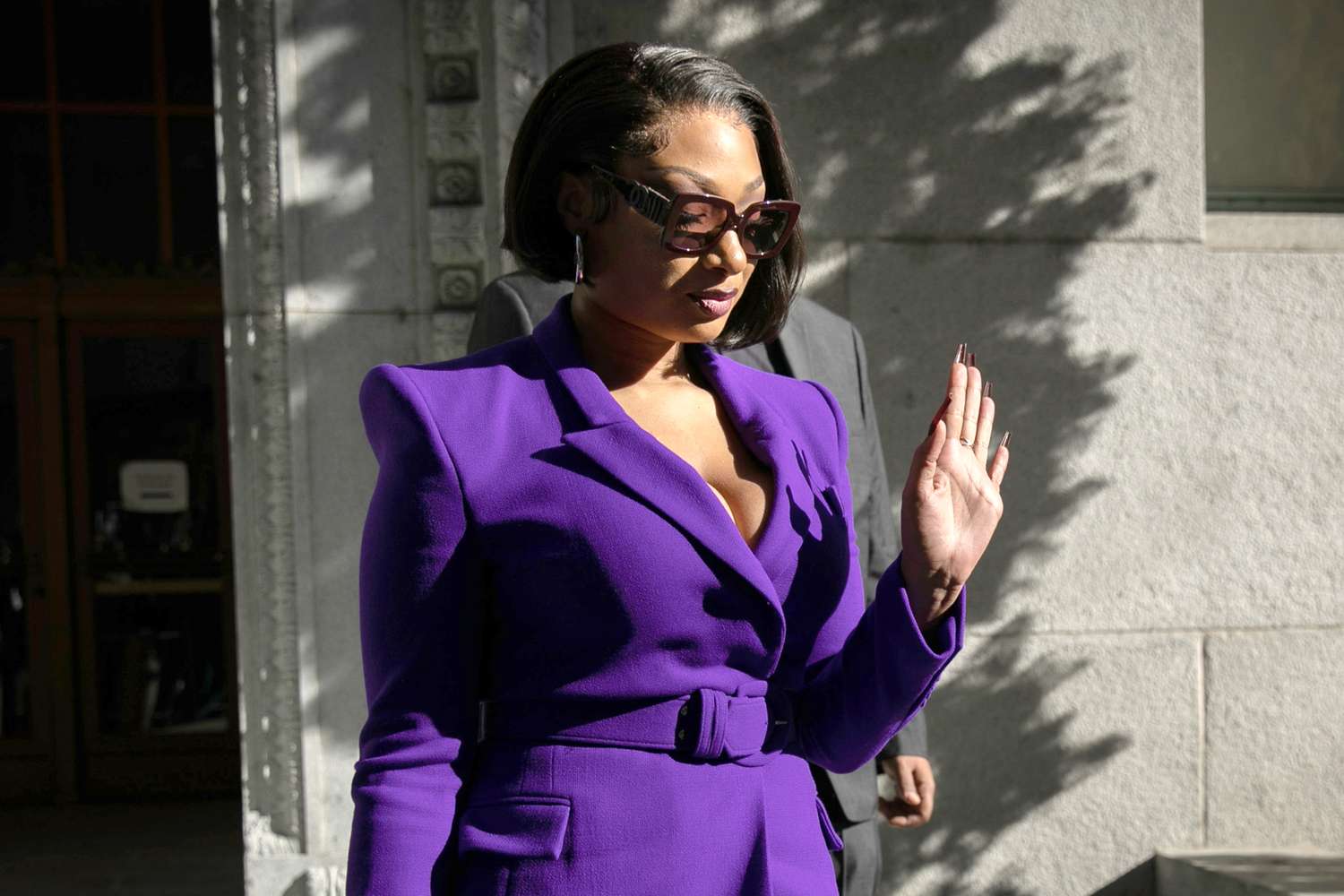
In a landmark legal decision, Grammy-winning rapper Megan Thee Stallion has won her defamation civil suit against blogger Milagro Gramz. The case, which concluded in December 2025, centered on false claims made by Gramz that Megan was “a paid surrogate” for Tory Lanez and other defamatory statements that damaged the rapper’s reputation. The Florida jury ruled in favor of Megan Pete, awarding her $75,000 in damages, later reduced to $59,000 by U.S. District Court Judge Cecilia M. Altonaga.
This ruling comes after Megan filed the lawsuit in October 2024, seeking justice for the harassment and misinformation spread by Gramz. The blogger’s accusations not only questioned Megan’s integrity but also perpetuated harmful narratives related to the high-profile 2020 shooting incident involving Tory Lanez. The verdict underscores the legal boundaries surrounding online speech and the consequences of spreading false information about public figures.
Background of the Defamation Case
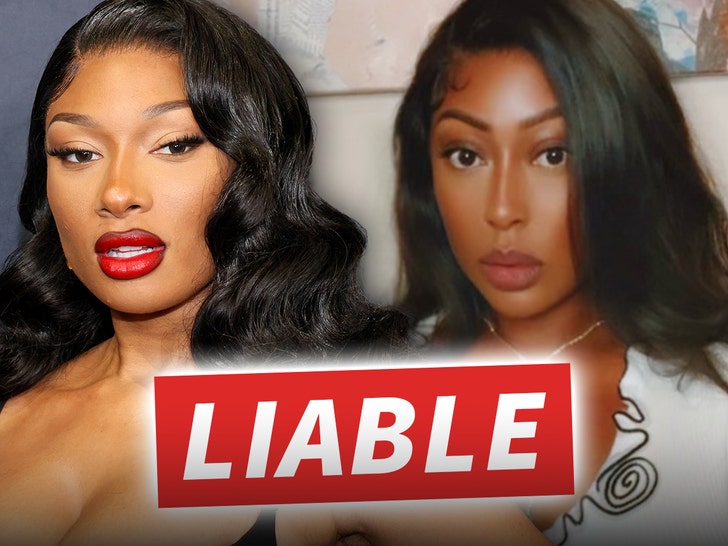
Megan Thee Stallion, born Megan Pete, initiated legal action against Milagro Elizabeth Cooper, known online as Milagro Gramz, after the blogger published a series of defamatory posts. Gramz alleged that Megan was a “paid surrogate” for Tory Lanez, a claim that was entirely baseless and damaging to Megan’s public image. Additionally, Gramz shared a deepfake pornographic video falsely implicating Megan and spread misinformation about the firearm used in the 2020 shooting incident.
The rapper’s lawsuit detailed how these falsehoods affected her mental health and career. Megan testified in court that the harassment led to severe depression and feelings of hopelessness. The case highlighted the emotional toll that defamatory online content can have on victims, especially public figures who rely on their reputation for their livelihood.
The 2020 shooting incident involved Tory Lanez, who was convicted and sentenced to 10 years in prison for assaulting Megan with a firearm. Despite the conviction, Gramz repeatedly cast doubt on the facts of the case, fueling controversy and misinformation. Megan’s legal team argued that Gramz’s actions were not only defamatory but also malicious, aimed at undermining Megan’s credibility and causing her harm.
The Court’s Decision and Its Impact

The jury’s decision to award Megan damages was a significant win for the rapper and a warning to those who spread false information online. Although Judge Altonaga reduced the initial $75,000 award to $59,000, the ruling affirmed that bloggers and independent commentators can be held accountable for defamatory statements.
Gramz’s attorney expressed concerns about the verdict’s implications for free speech, emphasizing the importance of protecting open dialogue and criticism under the First Amendment. However, the court’s ruling clarifies that freedom of speech does not extend to knowingly spreading falsehoods that damage another person’s reputation.
This case sets a precedent for how defamation claims involving digital content and social media commentary may be handled in the future. It highlights the delicate balance between protecting free speech and safeguarding individuals from harmful, untrue allegations.
Understanding Defamation and Online Accountability
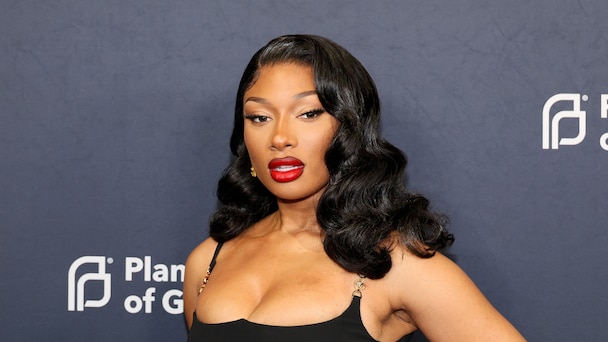
Defamation occurs when someone makes a false statement about another person that harms their reputation. In the digital age, defamation cases have become increasingly complex due to the rapid spread of information on social media platforms and blogs. Megan Thee Stallion’s lawsuit against Milagro Gramz illustrates the challenges public figures face when confronting online harassment and misinformation.
The case also raises important questions about the responsibilities of bloggers and digital creators. While independent commentators play a vital role in public discourse, they must ensure their statements are truthful and not defamatory. The ruling against Gramz reinforces that spreading lies, especially those that can cause emotional and professional damage, carries legal consequences.
Moreover, the verdict encourages victims of online defamation to seek legal recourse and serves as a reminder that the internet is not a lawless space. Protecting one’s reputation is essential, and courts are increasingly willing to intervene when falsehoods cross the line into defamation.
The Broader Implications for Free Speech and Digital Media

The Megan Thee Stallion vs. Milagro Gramz case shines a spotlight on the ongoing debate about free speech in the digital era. While the First Amendment protects criticism and opinion, it does not shield defamatory statements. This distinction is crucial for bloggers, journalists, and social media users who discuss public figures and sensitive topics.
Legal experts note that cases like this may have a chilling effect on online commentary, as individuals may fear litigation for their words. However, the ruling also emphasizes the importance of responsible speech and the need to verify facts before making public accusations.
For public figures, this case is a reminder that the law can provide protection against harmful lies, but it also highlights the emotional and financial toll of pursuing justice. For digital creators, it underscores the importance of balancing free expression with ethical responsibility.
Conclusion
Megan Thee Stallion’s victory in her defamation civil suit against blogger Milagro Gramz marks a significant moment in the fight against online misinformation and harassment. The case not only vindicates Megan’s reputation but also sets an important legal precedent for holding digital content creators accountable for defamatory statements. As the digital landscape continues to evolve, this ruling serves as a reminder that freedom of speech must be exercised responsibly.
If you or someone you know is facing online defamation or harassment, don’t hesitate to seek professional legal advice to protect your rights and reputation. Stay informed and vigilant about the content you encounter and share online to help foster a safer digital environment for everyone.