‘Rapid Aging’ Shock: Doctor Sounds Alarm as Billionaire Elon Musk Appears ‘Old, Tired and Drained’ in New Joe Rogan Interview
Doctor Raises Concerns Over Elon Musk’s Rapid Aging in Latest Joe Rogan Interview

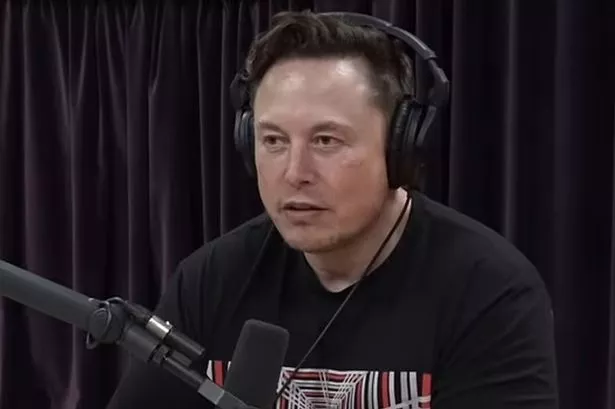
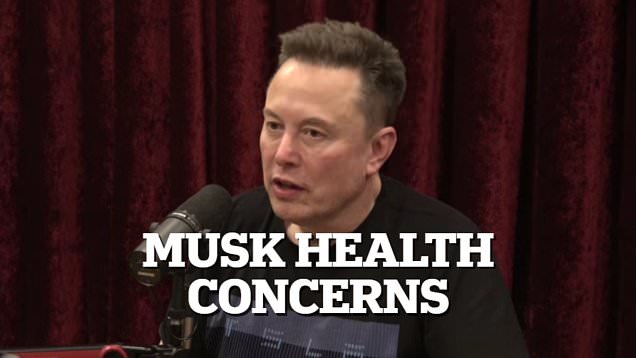
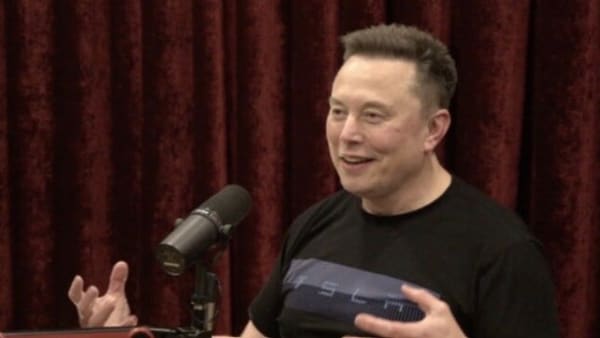
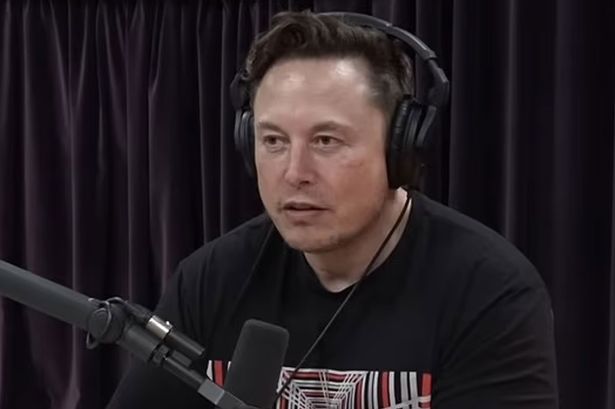
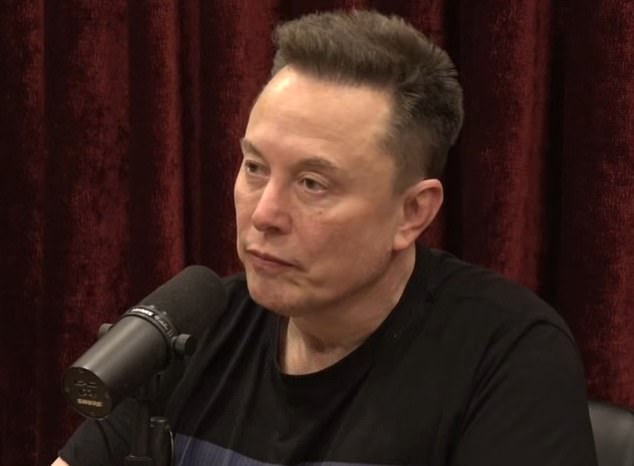
In a recent episode of “The Joe Rogan Experience,” billionaire entrepreneur Elon Musk appeared noticeably different, prompting medical experts to voice concerns about his health. Dr. Stuart Fischer, a renowned New York-based physician, observed that Musk looked “old, tired and drained” during his eighth appearance on the popular podcast. This observation has sparked widespread speculation about the possible causes behind Musk’s apparent rapid aging.
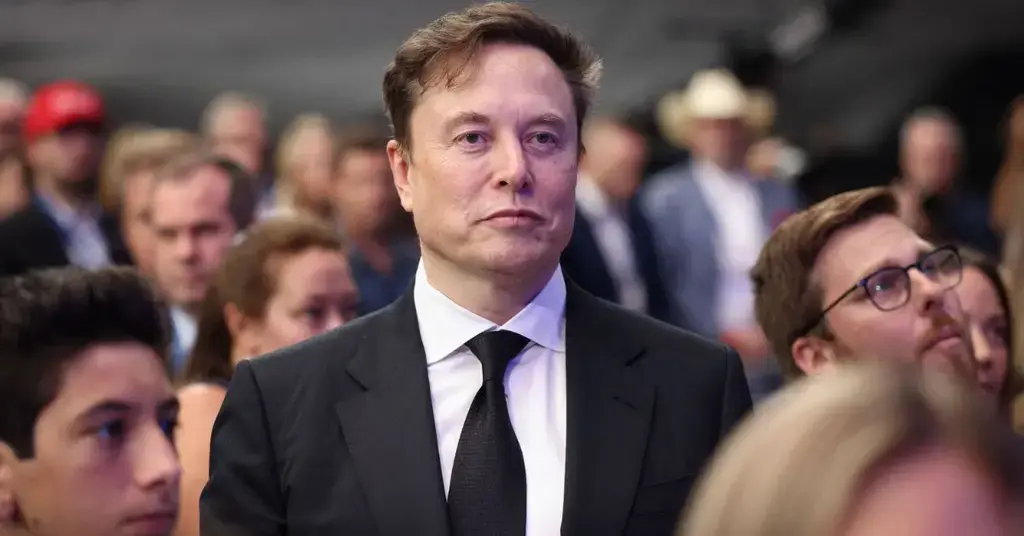
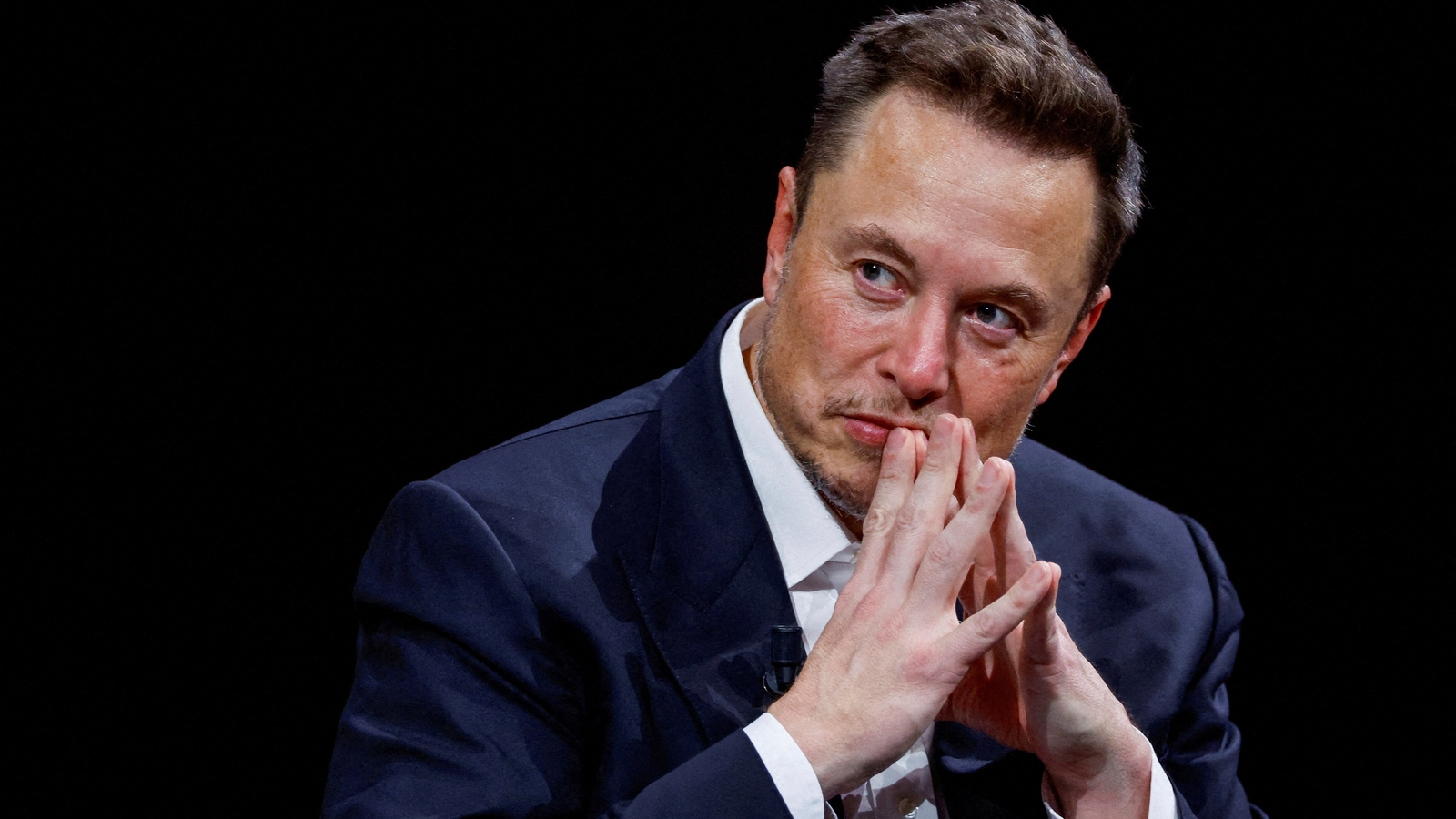
Dr. Fischer noted that Musk’s appearance had changed significantly compared to earlier public appearances, such as the Republican National Convention in July 2024, where he looked fresher and more vibrant. The doctor attributes this shift to the immense stress and pressure Musk has endured recently, both from his business ventures and his increasing involvement in political affairs.
The Impact of Chronic Stress on Physical and Emotional Health

Although Dr. Fischer has not personally examined Elon Musk, he explained that the visible signs of accelerated aging often reflect deeper health issues. Chronic stress, he emphasized, is a major contributor to premature aging and can have serious consequences beyond just outward appearance.
When a person experiences prolonged stress, the body releases high levels of cortisol and adrenaline. These stress hormones, while essential in short bursts, can cause significant damage when elevated for extended periods. According to Dr. Fischer, this hormonal imbalance accelerates wear and tear on the heart, increasing the risk of heart attacks and strokes. Additionally, stress can impair the body’s ability to absorb vital nutrients, leading to cellular damage often described as the “rusting” of cells.
The doctor also highlighted how chronic stress affects the skin. Elevated cortisol levels break down collagen, the protein responsible for maintaining skin elasticity and firmness. This breakdown results in dull, sagging skin, dark circles under the eyes, and premature wrinkles—all symptoms that were reportedly visible in Musk’s recent appearance.
Beyond the physical effects, stress also takes a toll on brain health. High cortisol levels can shrink the hippocampus, the brain’s memory center, and weaken neural connections. This deterioration makes it harder to focus, retain information, and regulate emotions, which may explain Musk’s more labored speech and awkward pauses during the interview.
Elon Musk’s Overwhelming Responsibilities and Political Shift
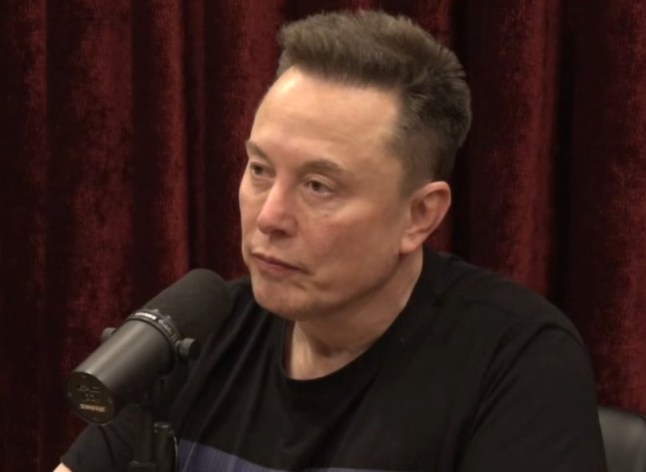
Dr. Fischer suggested that Musk’s accelerated aging could be linked to the mounting pressures he faces. Over the past few years, Musk has expanded his influence beyond the business world into the political arena, a transition that has not been without controversy or stress.
Once celebrated as a visionary clean-energy entrepreneur admired by progressives, Musk’s political stance has shifted dramatically. After acquiring Twitter in 2022 and rebranding it as “X,” Musk aligned himself with conservative causes. By early 2025, he had taken on a government role as head of the Department of Government Efficiency (DOGE) under the Trump administration, a position that involves cutting federal bureaucracy.
This political pivot has alienated many former supporters and subjected Musk to intense public scrutiny and criticism. Dr. Fischer believes that the combination of running multiple companies and navigating the complexities of international politics has taken a significant toll on Musk’s health and well-being.
Understanding the Signs and Risks of Rapid Aging
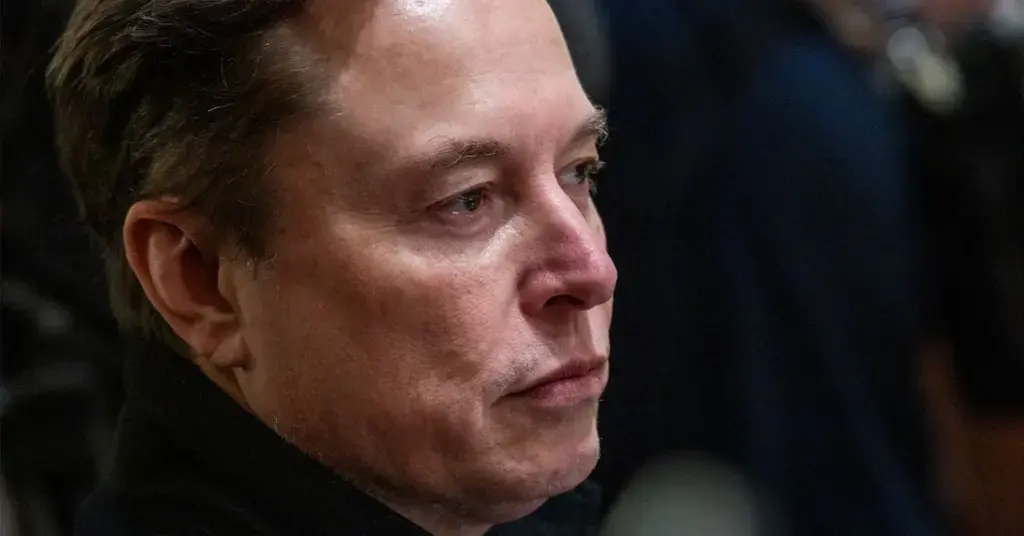
Rapid aging is not just about looking older; it is a complex process that can signal underlying health problems. Experts warn that individuals experiencing accelerated aging symptoms should pay close attention to their lifestyle and stress levels.
Key indicators of rapid aging include:
– Premature wrinkles and sagging skin
– Dark circles and puffiness around the eyes
– Fatigue and decreased stamina
– Cognitive difficulties such as memory loss and poor concentration
– Increased susceptibility to cardiovascular issues
Chronic stress is a major driver of these symptoms. It disrupts sleep patterns, weakens the immune system, and impairs nutrient absorption, all of which contribute to the body’s accelerated decline.
For high-profile figures like Elon Musk, who juggle demanding careers and public scrutiny, managing stress is crucial to maintaining health. Experts recommend regular medical checkups, balanced nutrition, adequate sleep, and mindfulness practices to combat the effects of stress and slow down the aging process.
What Can Be Done to Combat Stress-Induced Aging?
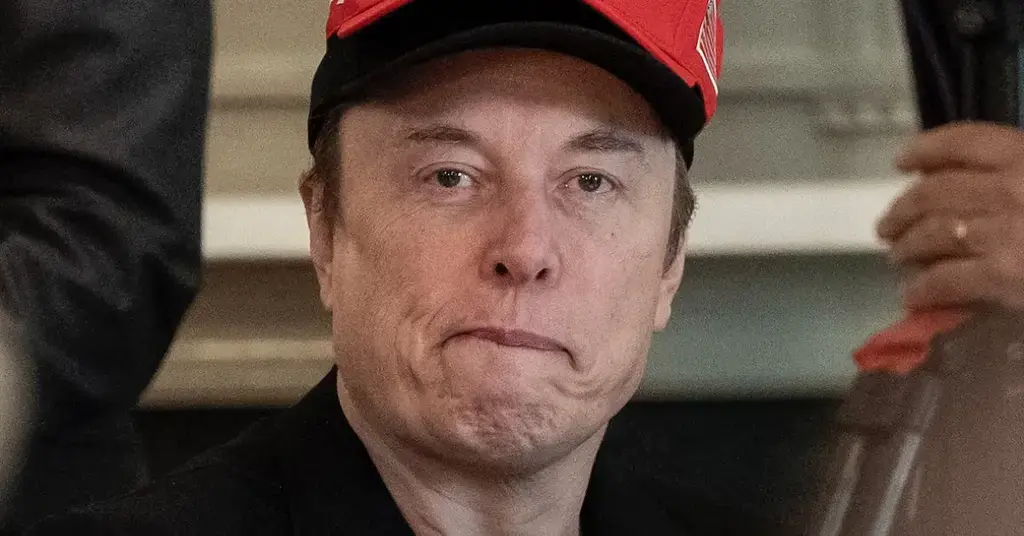
While the pressures of leadership and innovation are unavoidable, there are strategies to mitigate the harmful effects of stress:
1. **Prioritize Sleep:** Quality sleep helps regulate cortisol levels and supports cellular repair.
2. **Balanced Diet:** Consuming nutrient-rich foods enhances antioxidant intake, which protects cells from damage.
3. **Physical Activity:** Regular exercise reduces stress hormones and promotes cardiovascular health.
4. **Mindfulness and Relaxation:** Techniques such as meditation and deep breathing can lower cortisol and improve mental clarity.
5. **Professional Support:** Consulting healthcare providers for stress management and health monitoring is essential.
Elon Musk’s recent interview has brought these issues into the spotlight, reminding us that even the most successful individuals are vulnerable to the effects of chronic stress and rapid aging.
Conclusion
Elon Musk’s appearance in the latest Joe Rogan interview has raised important questions about the impact of stress and responsibility on health, particularly regarding rapid aging. Medical experts warn that chronic stress can accelerate physical and emotional decline, increasing risks to overall well-being. It is vital for individuals, especially those in high-pressure roles, to recognize the signs of stress-induced aging and take proactive steps to protect their health. If you or someone you know is experiencing similar symptoms, consult a healthcare professional today to develop a personalized plan for stress management and healthy aging. Don’t wait—prioritize your health now for a better tomorrow.