Jimmy Kimmel Returns to ABC Nationwide After Nexstar and Sinclair End Blackout
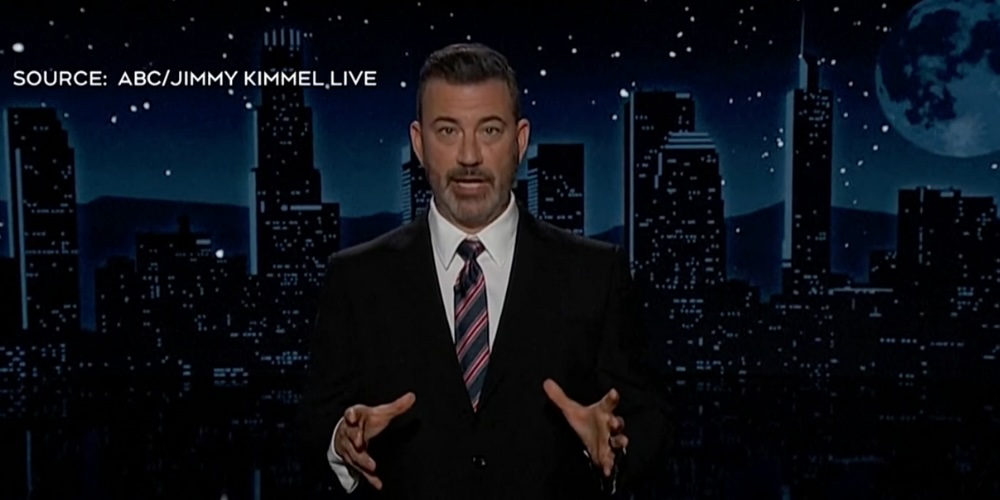
After a brief but highly publicized blackout, Jimmy Kimmel is officially back on ABC stations nationwide. The return of “Jimmy Kimmel Live!” marks the end of a contentious period during which major broadcasters Nexstar Media Group and Sinclair Broadcast Group pulled the late-night talk show from their ABC affiliates. This decision sparked widespread debate about free speech, media responsibility, and political influence in broadcasting. In this article, we explore the circumstances that led to the blackout, the responses from the involved parties, and what Kimmel’s comeback means for the future of late-night television on ABC.

Jimmy Kimmel Returns to ABC Nationwide: The End of the Blackout

On Friday, Nexstar Media Group announced that its 32 ABC affiliates would resume airing “Jimmy Kimmel Live!” after a short suspension. Shortly before that, Sinclair Broadcast Group confirmed the reinstatement of the show on its 38 ABC stations. The blackout began following controversial remarks made by Jimmy Kimmel regarding a sensitive topic, which provoked backlash from certain political groups and viewers.

The situation escalated when Federal Communications Commission (FCC) Chairman Brendan Carr publicly threatened to investigate ABC stations for potential “news distortion” violations if the show continued to air. Carr’s warnings, delivered on a conservative podcast, put significant pressure on broadcasters, with statements suggesting that compliance was expected “the easy way or the hard way.”

Many industry observers speculated that Nexstar’s decision to suspend the show was influenced by its ongoing $6.2 billion acquisition of Tegna, fearing regulatory repercussions. However, Nexstar firmly denied any government interference, emphasizing that their decisions were guided by internal principles and independent judgment.

Disney and ABC Push Back Against the Pressure

Disney, which owns ABC, responded to the mounting pressure by temporarily suspending the show to “avoid further inflaming a tense situation at an emotional moment for our country.” After engaging in “thoughtful conversations” with Jimmy Kimmel, ABC and Disney decided to bring the show back on air starting Tuesday, September 23.

The return of “Jimmy Kimmel Live!” was met with impressive ratings, suggesting that the controversy may have actually increased viewer interest. This outcome highlights the complex dynamics between audience engagement and political controversies in the media landscape.
Challenges Faced by Local Affiliates and Staff

In a memo to employees, Nexstar’s CEO Perry Sook and President/COO Mike Biard acknowledged the difficulties the blackout caused, particularly for staff at local ABC affiliates. They expressed regret over the hostile and threatening reactions some employees faced but emphasized the importance of standing by principles, even when it requires taking the harder path.

The memo read: “We recognize that our decision created difficult, and at times distressing, circumstances for many of you – particularly at ABC affiliates. Some of you faced hostile and even threatening reactions. We regret that, but we also know standing by principle requires fortitude and a willingness to take the harder path.”

Balancing Free Speech and Editorial Responsibility in Broadcasting

The Jimmy Kimmel blackout has become a flashpoint in the ongoing debate surrounding free speech and editorial responsibility in media. Disney and ABC faced boycotts and threats of protests, including calls to cancel Disney+ subscriptions. Nexstar highlighted the delicate balance broadcasters must maintain, stating that “no one has an unlimited right to say whatever they want on a talk show” and that networks often make tough decisions when on-air content crosses certain lines.

This incident underscores how political pressure can influence programming decisions, especially in an era where media companies must navigate polarized audiences and regulatory scrutiny. For ABC, Disney, Nexstar, and Sinclair, the episode serves as a reminder of the challenges involved in protecting free expression while responding to public backlash and maintaining corporate responsibilities.
The Impact of Kimmel’s Return on Late-Night Television

Jimmy Kimmel’s return to ABC affiliates nationwide not only restores the late-night talk show to its regular audience but also reaffirms the resilience of creative expression in the face of controversy. The strong ratings following the show’s comeback indicate that viewers remain engaged and interested in Kimmel’s brand of commentary and entertainment.

Moreover, the situation has sparked broader conversations about the role of broadcasters in moderating content and the extent to which political and regulatory pressures should influence editorial decisions. As late-night television continues to be a platform for social and political commentary, the Kimmel blackout and return may serve as a case study for future challenges in the industry.

Conclusion

The return of “Jimmy Kimmel Live!” to ABC stations nationwide after the Nexstar and Sinclair blackout highlights the complex intersection of free speech, media responsibility, and political influence in modern broadcasting. While the controversy created significant challenges, it also demonstrated the importance of principled decision-making and the enduring appeal of late-night talk shows. As viewers welcome Kimmel back to their screens, broadcasters must continue to navigate the delicate balance between editorial freedom and public accountability.
If you want to stay updated on the latest developments in television and media, be sure to subscribe to our newsletter and follow our coverage for in-depth analysis and breaking news.


