Lorraine’s Dr Hilary Jones Issues Health Update After Being Rushed to Hospital
Lorraine’s beloved medical expert, Dr Hilary Jones, recently made headlines after being rushed to hospital during the Christmas period. The 72-year-old GP, known for his calm and reassuring presence on the ITV show, shared a candid health update with viewers, shedding light on his condition and recovery process. This article delves into Dr Hilary’s hospital experience, the diagnosis he received, and the important health advice he has since offered.
Dr Hilary Jones’s Hospitalization and Health Update
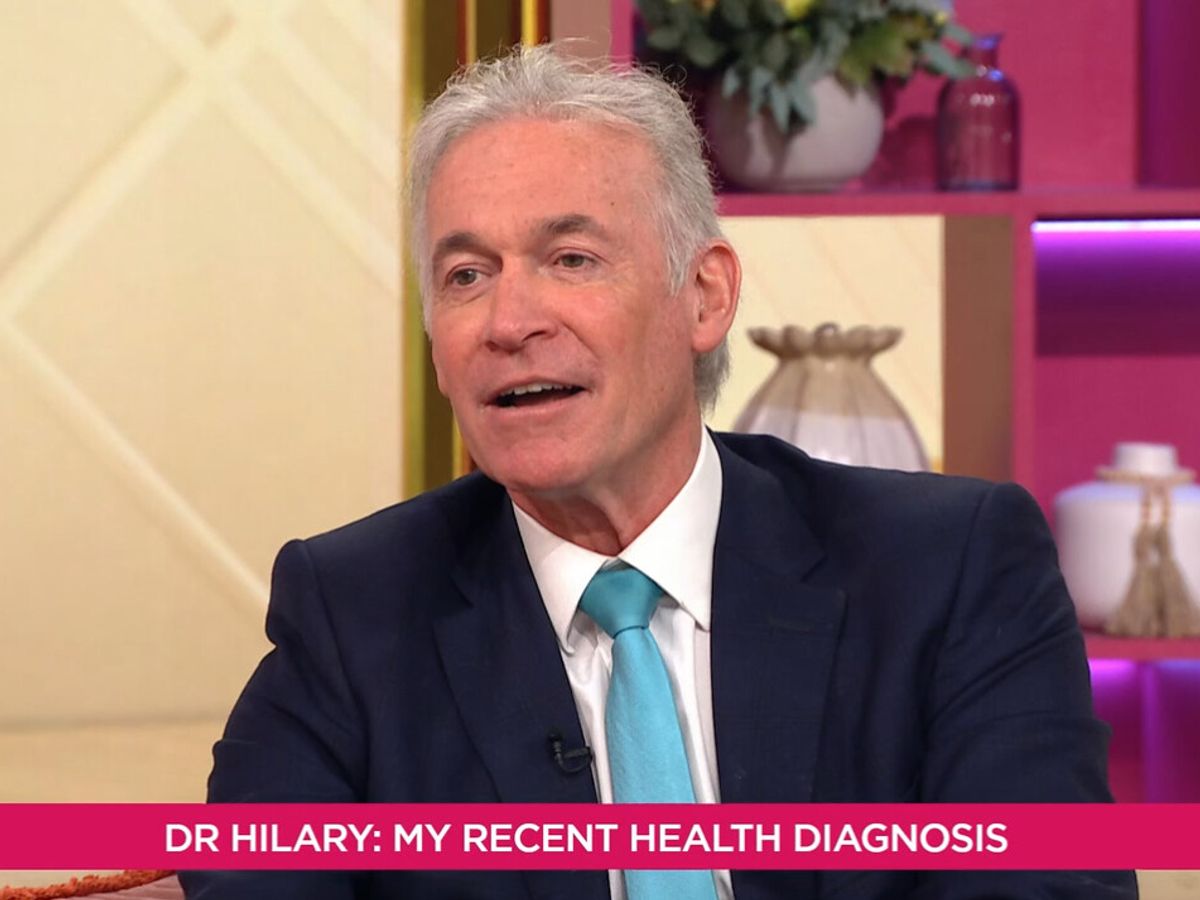
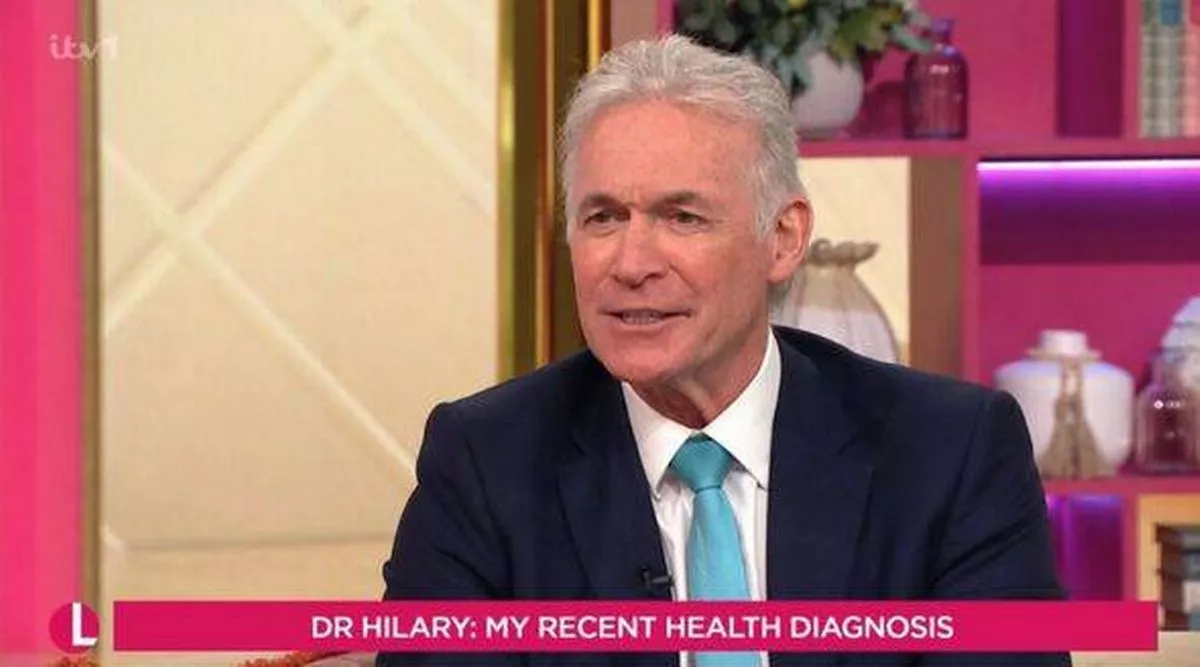
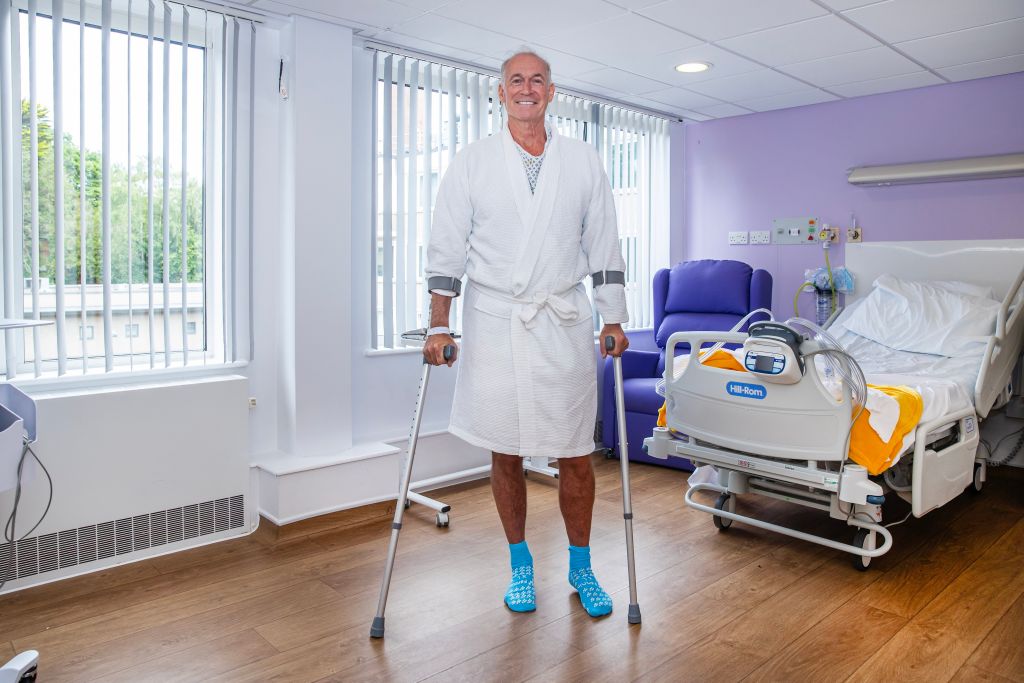
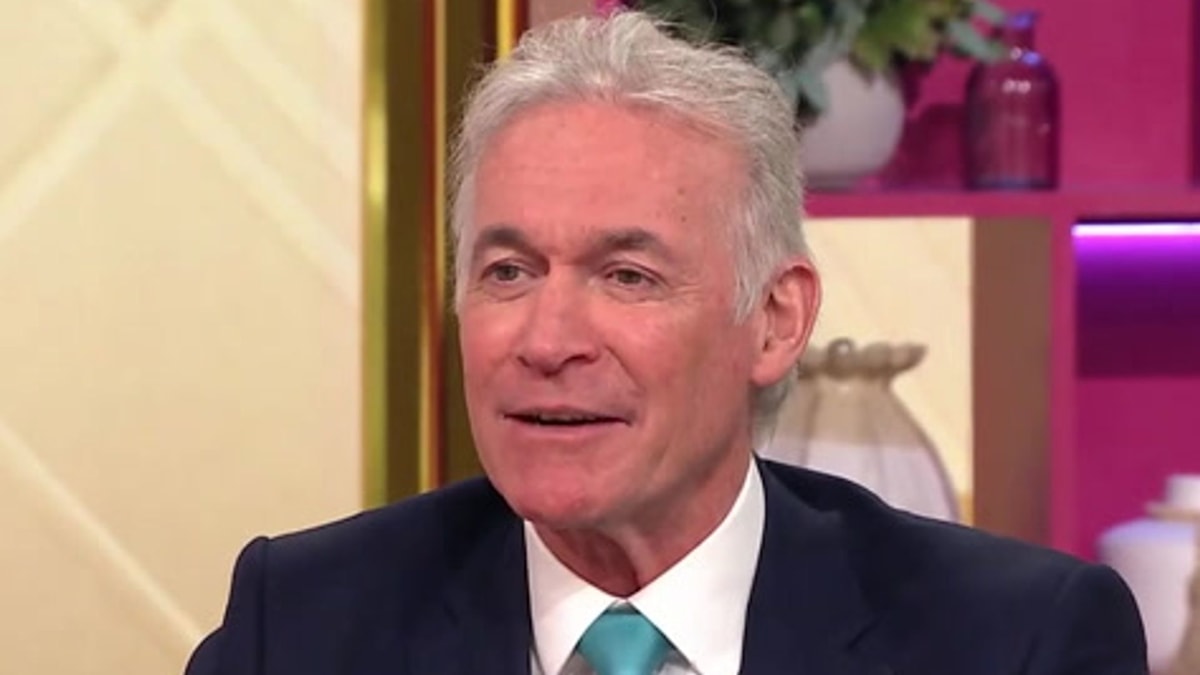
Dr Hilary Jones’s sudden hospitalization came as a surprise to many fans and viewers of Lorraine. The doctor was admitted to Pembury Hospital via blue light ambulance after experiencing severe chest pain. Speaking openly on the ITV program, he described the incident as “a bit of a scare,” revealing that he had contracted a virus that was circulating widely at the time.
Upon admission, doctors diagnosed Dr Hilary with pneumonia and pericarditis. Pneumonia is an infection that inflames the air sacs in one or both lungs, which can fill with fluid or pus, causing cough, fever, chills, and difficulty breathing. Pericarditis, on the other hand, is an inflammation of the pericardium—the thin sac-like membrane surrounding the heart. This condition can cause sharp chest pain and other symptoms that often mimic those of a heart attack, making it a serious concern requiring immediate medical attention.
Despite the severity of his symptoms, Dr Hilary’s quick response and prompt medical care helped him begin the road to recovery. He emphasized the importance of not ignoring chest pain and seeking urgent medical help when such symptoms arise.
Understanding Pneumonia and Pericarditis: What You Need to Know

Pneumonia and pericarditis are two distinct but potentially serious health conditions that can sometimes occur together, as in Dr Hilary’s case. Understanding these illnesses can help individuals recognize symptoms early and seek timely treatment.
Pneumonia is commonly caused by bacterial, viral, or fungal infections. Symptoms include cough with phlegm, fever, chills, shortness of breath, and chest discomfort. It can affect people of all ages but is particularly dangerous for older adults, young children, and those with weakened immune systems.
Pericarditis involves inflammation of the pericardium, often triggered by viral infections, autoimmune diseases, or after a heart attack. Symptoms typically include sharp, stabbing chest pain that may worsen when lying down or taking deep breaths, fever, and fatigue. Because pericarditis can mimic heart attack symptoms, it is crucial to get an accurate diagnosis from a healthcare professional.
Dr Hilary’s experience highlights the importance of recognizing these symptoms early and not delaying medical evaluation, especially when chest pain is involved.
Dr Hilary Jones’s Recovery and Health Advice
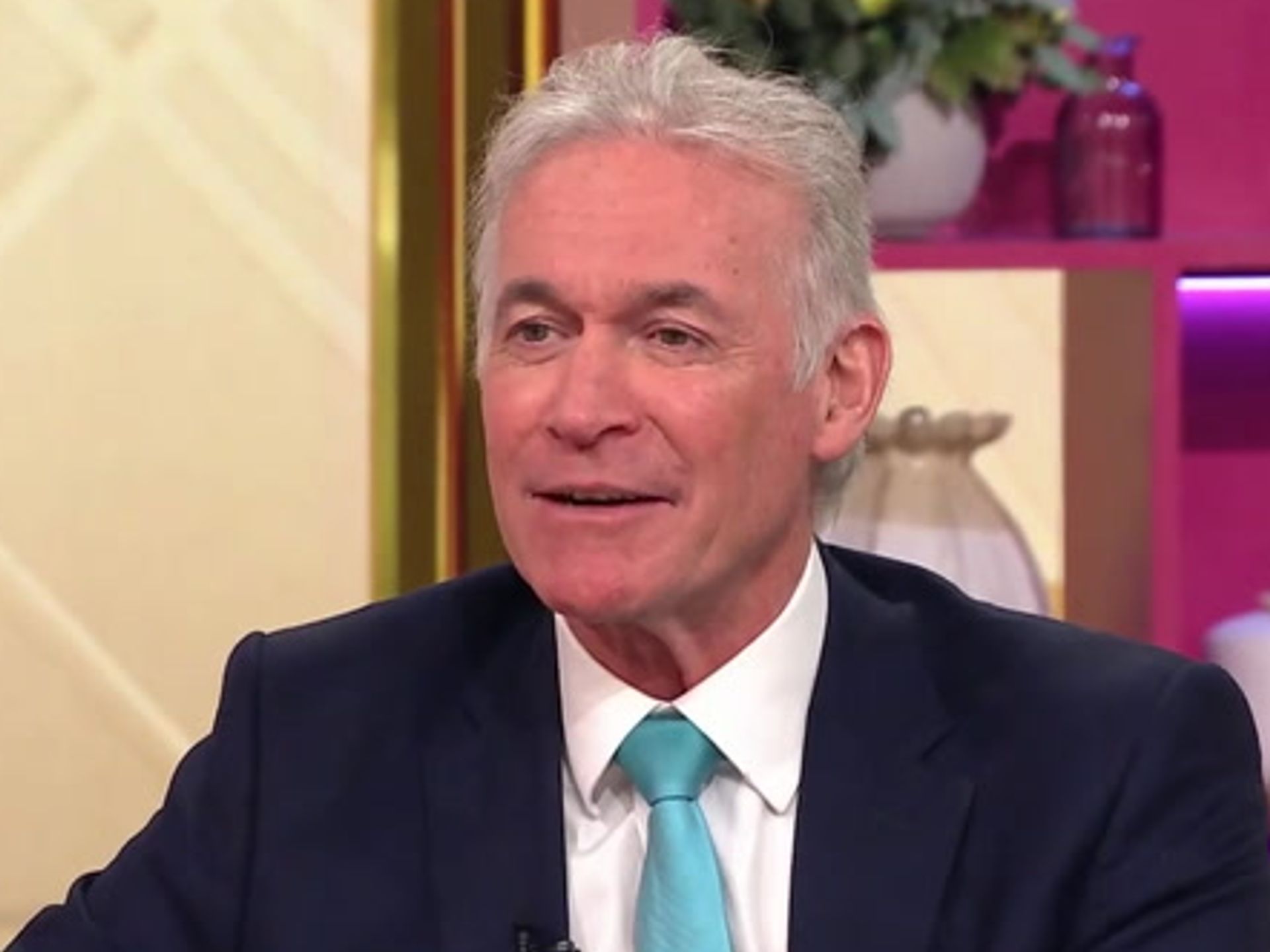
Following his hospital stay, Dr Hilary Jones has been focused on recovery and regaining his strength. He has expressed gratitude for the excellent care he received and has used his platform to raise awareness about the seriousness of chest pain and respiratory infections.
He advises the public to remain vigilant during virus seasons, maintain good hygiene practices, and seek medical advice promptly if they experience symptoms such as persistent cough, chest pain, or difficulty breathing. Dr Hilary also encourages people to keep up with vaccinations, including the flu and COVID-19 vaccines, to reduce the risk of severe respiratory illnesses.
His health update serves as a reminder that even experienced medical professionals can face unexpected health challenges, but timely intervention and proper care can lead to positive outcomes.
Conclusion

Dr Hilary Jones’s recent hospitalization and health update have brought important attention to the symptoms and risks associated with pneumonia and pericarditis. His openness about his experience encourages everyone to take chest pain seriously and seek immediate medical help when necessary. If you or a loved one experience similar symptoms, don’t hesitate to contact your healthcare provider. Stay informed, stay safe, and prioritize your health. For more updates on health and wellness, keep following our latest articles and expert advice.