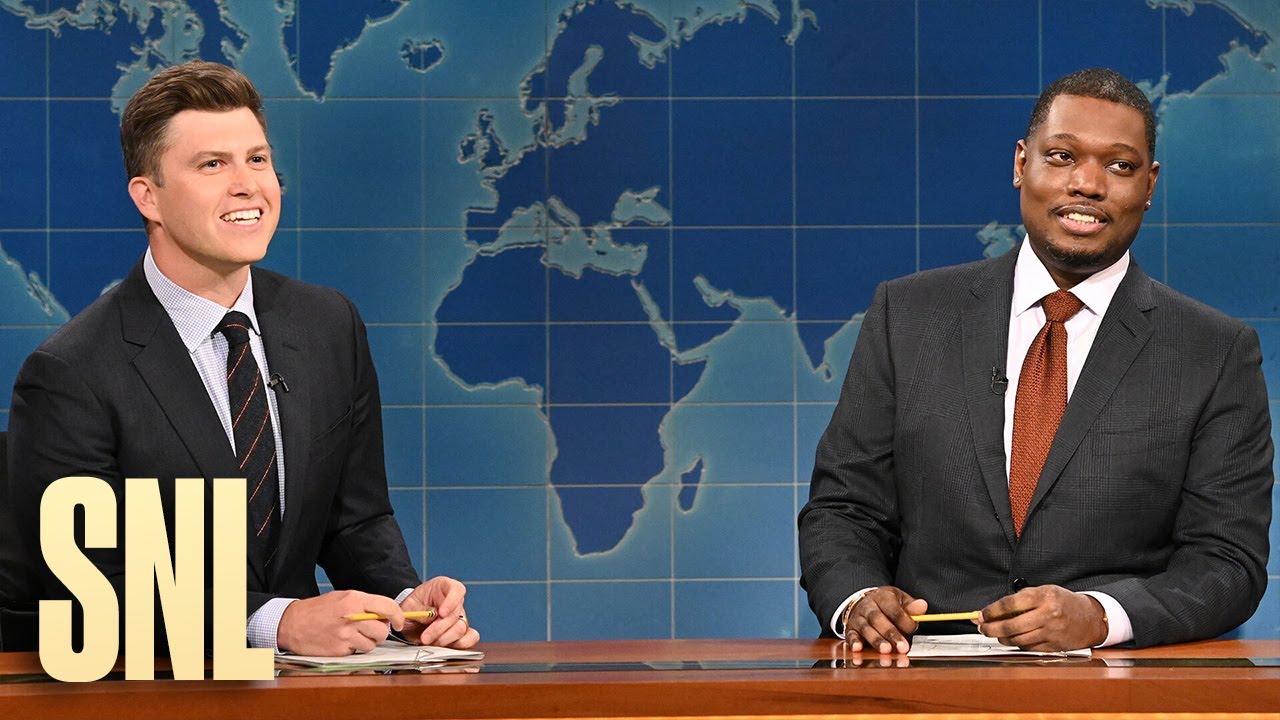
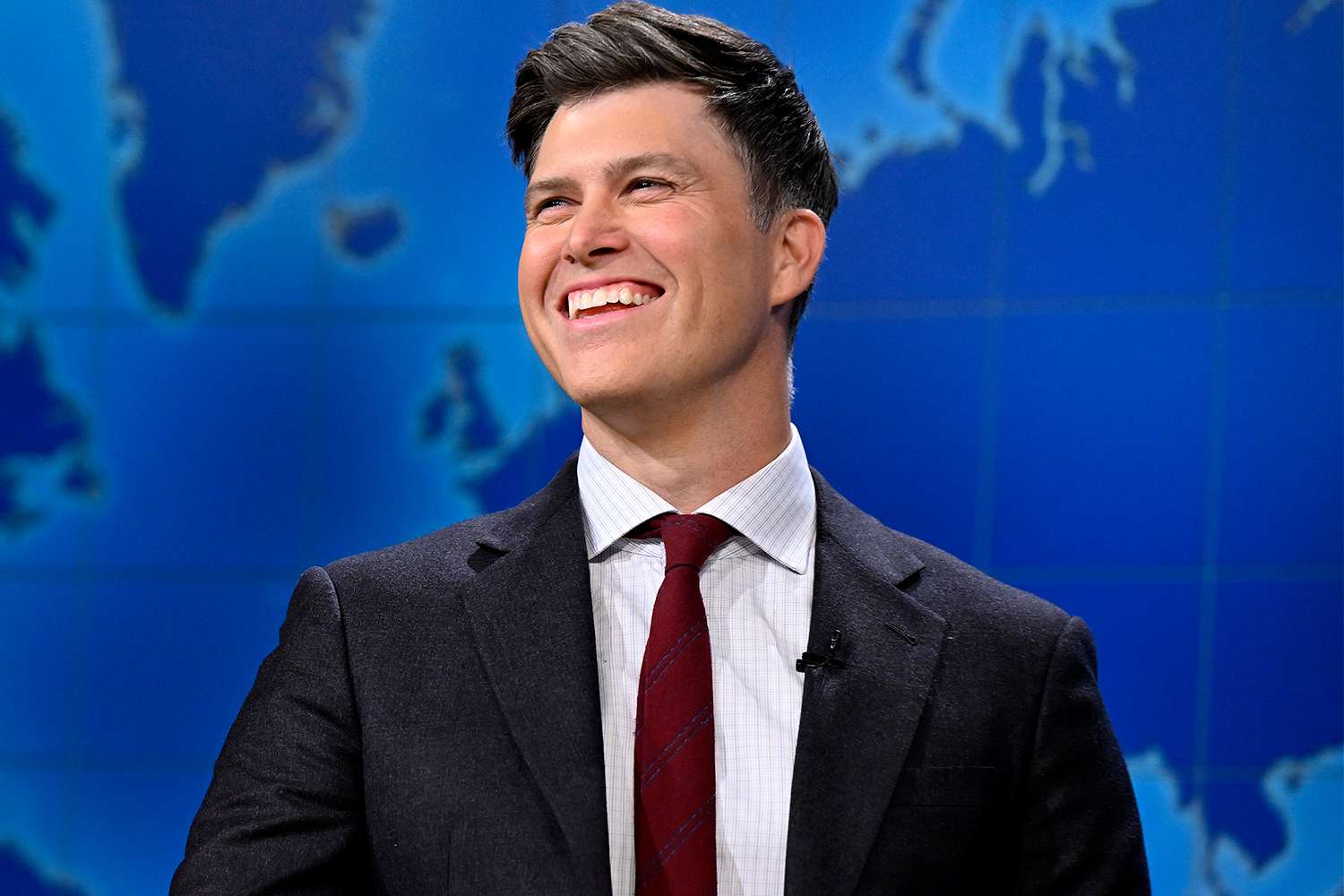
Colin Jost Triggers Viewer Boycott of SNL After Spreading False Information About Trump Live
Saturday Night Live (SNL), a long-standing staple of American comedy, recently found itself at the center of controversy. Colin Jost, one of the show’s prominent cast members and co-head writers, has been accused of intentionally spreading false information about former President Donald Trump during a live broadcast. This revelation, uncovered by vigilant online users, has led to a widespread boycott of the show by viewers who feel misled and disappointed.
The Incident: Colin Jost’s False Claims About Trump on SNL
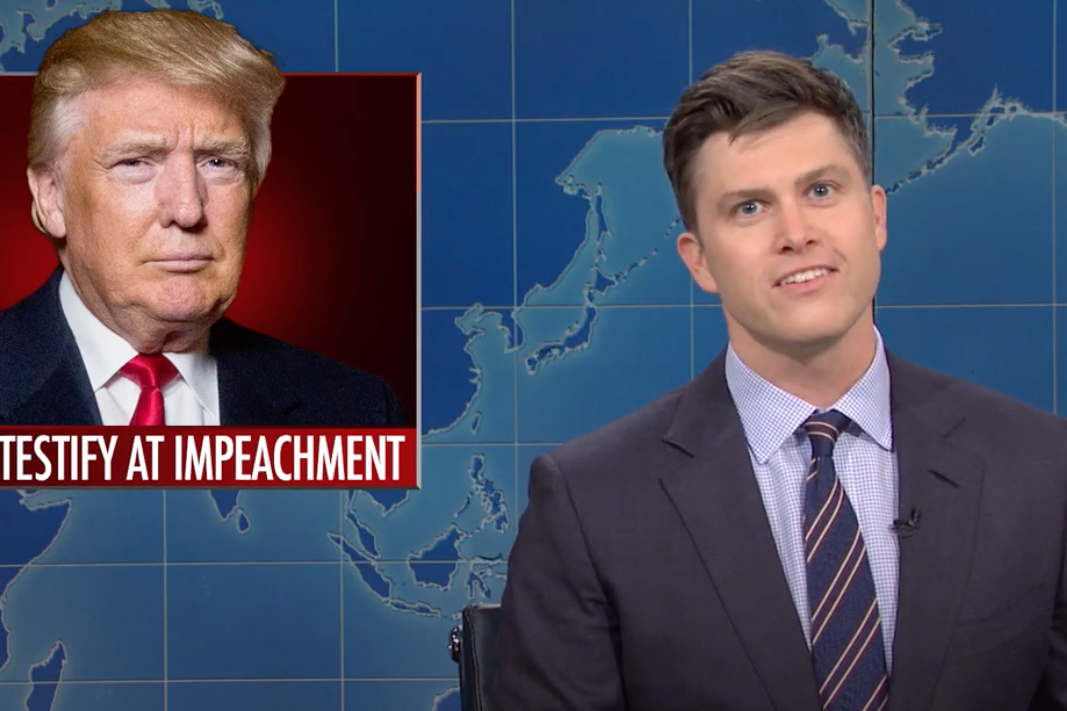
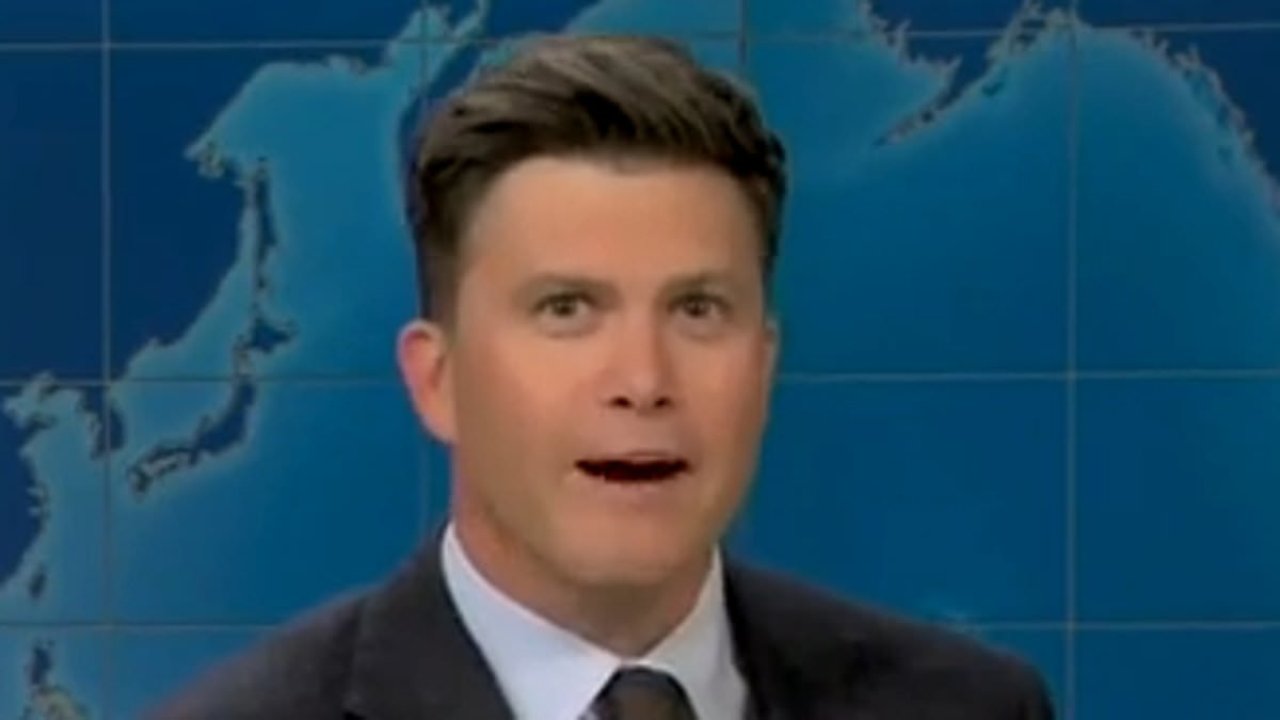
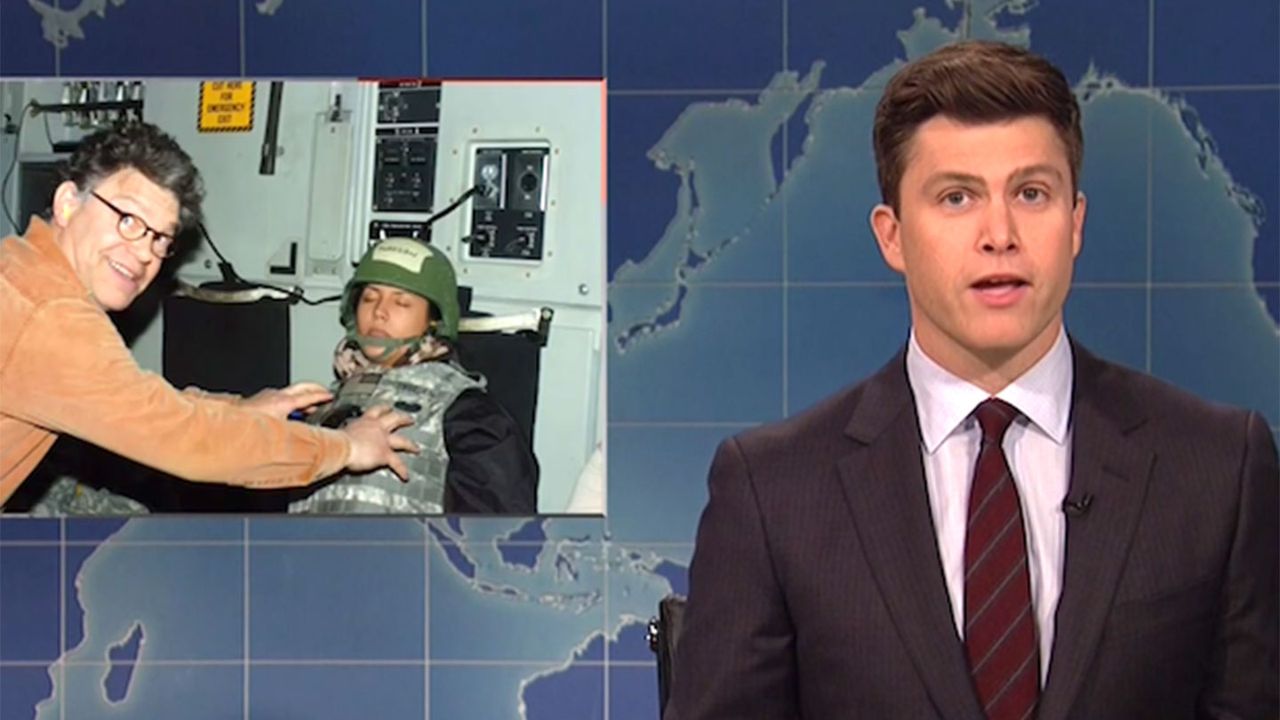
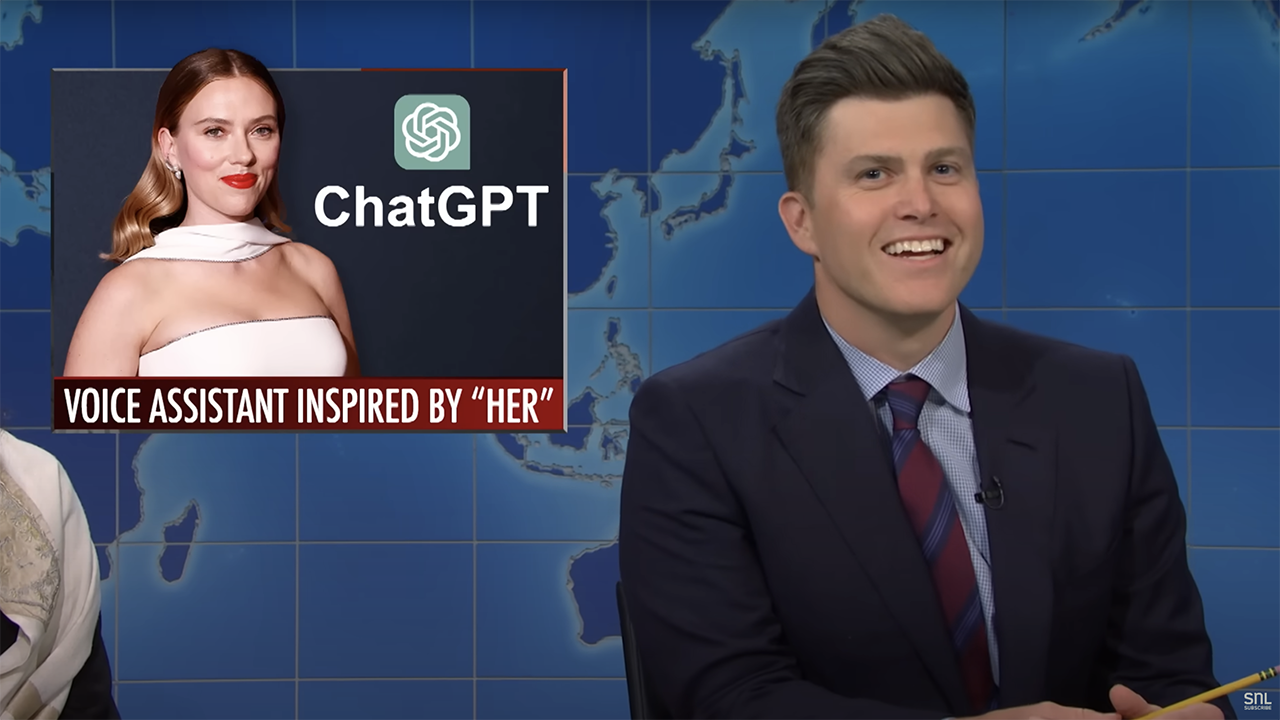
During a recent episode of SNL, Colin Jost delivered a segment that included statements about Donald Trump which many viewers later identified as factually incorrect. Social media users quickly dissected the segment, providing evidence that Jost knowingly presented misleading information as truth. The segment, intended as satire, crossed a line for many, who argue that spreading falsehoods, even in comedy, undermines public trust.
The controversy centers on the deliberate nature of the misinformation. Unlike typical comedic exaggerations, the inaccuracies were not subtle or ambiguous but clear falsehoods that could easily be verified. This has raised questions about the ethical responsibilities of comedians and writers on influential platforms like SNL.
Public Reaction and the Growing Boycott Movement
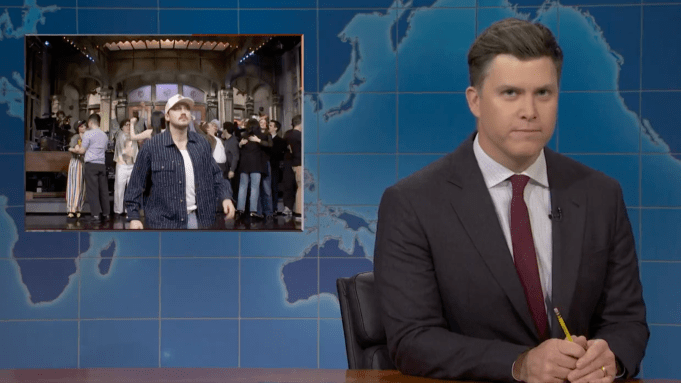
In the wake of the incident, a significant portion of SNL’s audience expressed their dissatisfaction through social media campaigns calling for a boycott of the show. Hashtags related to the controversy trended on platforms such as Twitter and Facebook, with users demanding accountability from both Colin Jost and the SNL production team.
The boycott movement is fueled by concerns over media integrity and the role of satire in political discourse. Supporters argue that while comedy is meant to entertain and provoke thought, it should not be a vehicle for spreading false information, especially about political figures. Critics of the boycott, however, claim that satire inherently involves exaggeration and that viewers should approach such content with a critical eye.
The Impact on SNL and Future Implications
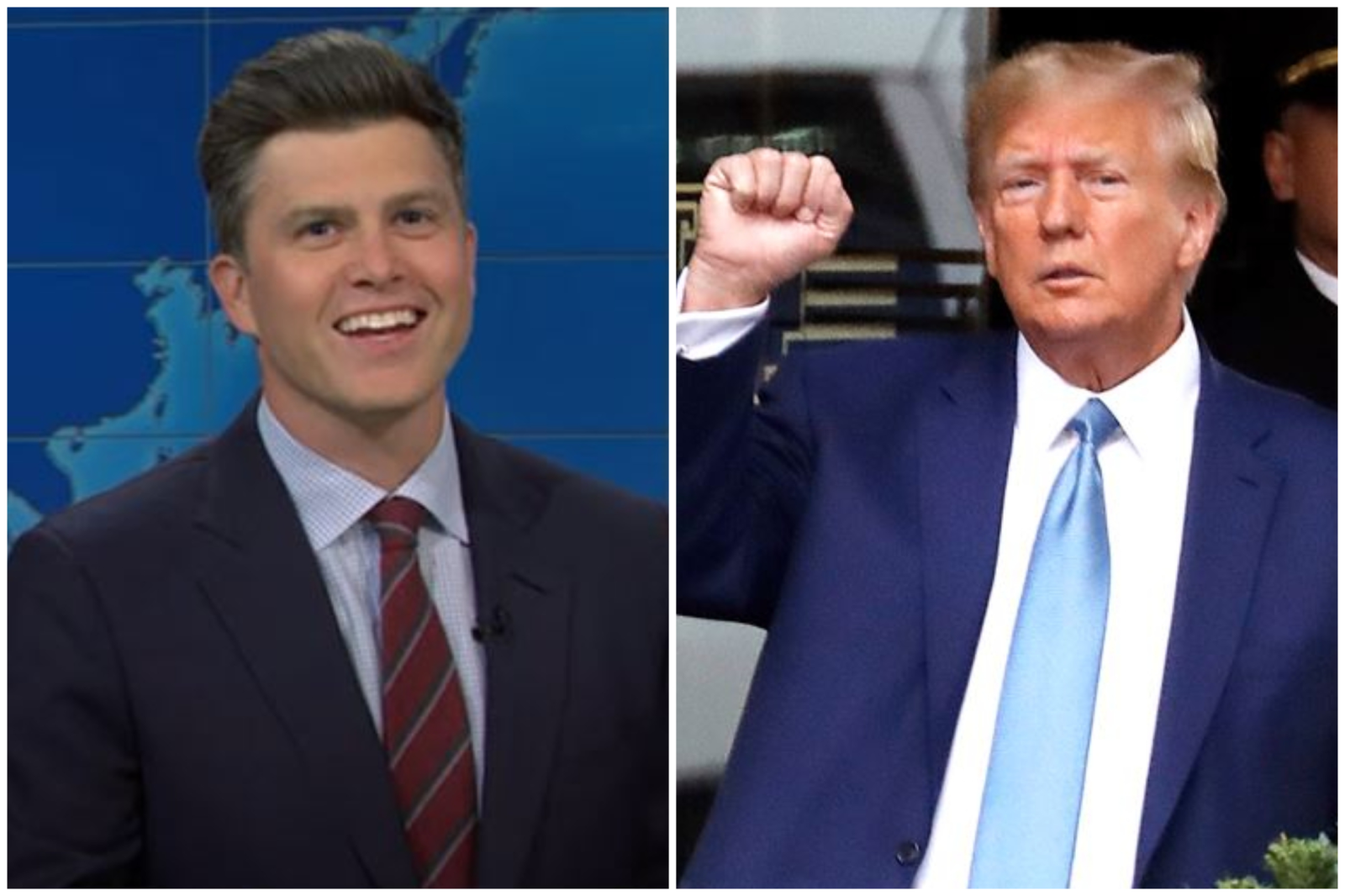
The backlash against Colin Jost and SNL has prompted discussions within the entertainment industry about the boundaries of satire and the importance of fact-checking in comedy. SNL producers have yet to release an official statement addressing the boycott or the allegations against Jost, but the controversy has undoubtedly affected the show’s reputation.
This incident serves as a reminder of the powerful influence media personalities hold and the consequences of blurring the lines between entertainment and misinformation. As audiences become increasingly aware and critical of the content they consume, shows like SNL may need to reconsider their approach to political satire to maintain credibility and viewer trust.
Why Viewer Boycotts Matter in the Age of Misinformation
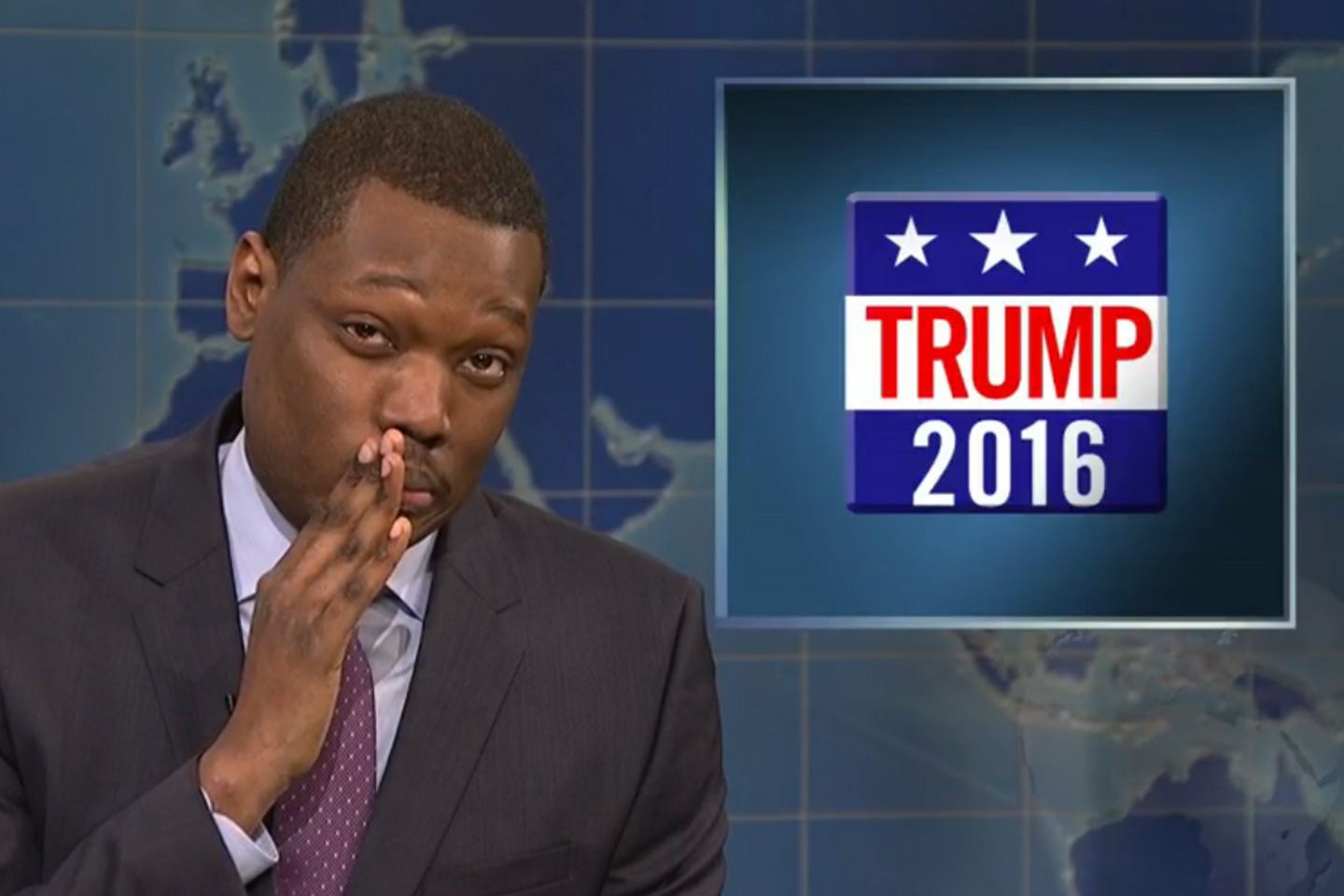
The boycott triggered by Colin Jost’s actions highlights a broader issue: the growing intolerance for misinformation in media, even in comedic contexts. Viewer boycotts are a form of consumer activism that can influence programming decisions and encourage higher standards of accuracy and responsibility.
In an era where misinformation can spread rapidly and have real-world consequences, audiences are more vigilant than ever. The SNL boycott reflects a demand for transparency and truthfulness, pushing entertainers to balance humor with integrity.
How SNL Can Rebuild Trust with Its Audience
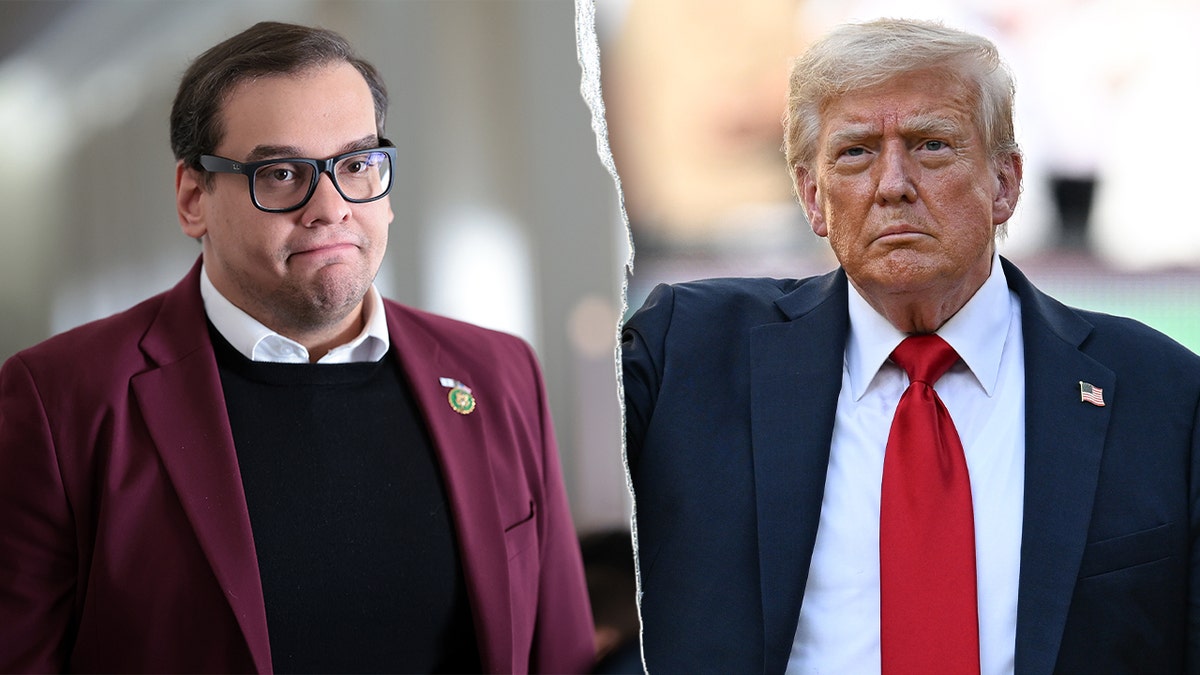
To recover from this setback, SNL must take proactive steps to address the concerns raised by viewers. This could include issuing a public apology, implementing stricter fact-checking protocols for politically charged content, and fostering open dialogue with its audience.
Engaging with critics and demonstrating a commitment to responsible satire can help SNL regain its standing as a respected comedy institution. Transparency and accountability are key to rebuilding trust and ensuring that future content respects both comedic freedom and factual accuracy.
Conclusion
Colin Jost’s deliberate spread of false information about Donald Trump during a live SNL segment has sparked a significant viewer boycott, underscoring the critical role of truth in entertainment. As audiences demand greater accountability, SNL faces the challenge of balancing satire with responsibility. If you value truthful and respectful political comedy, now is the time to make your voice heard—support content creators who prioritize integrity and hold others accountable. Stay informed and engaged to help shape the future of media you trust.