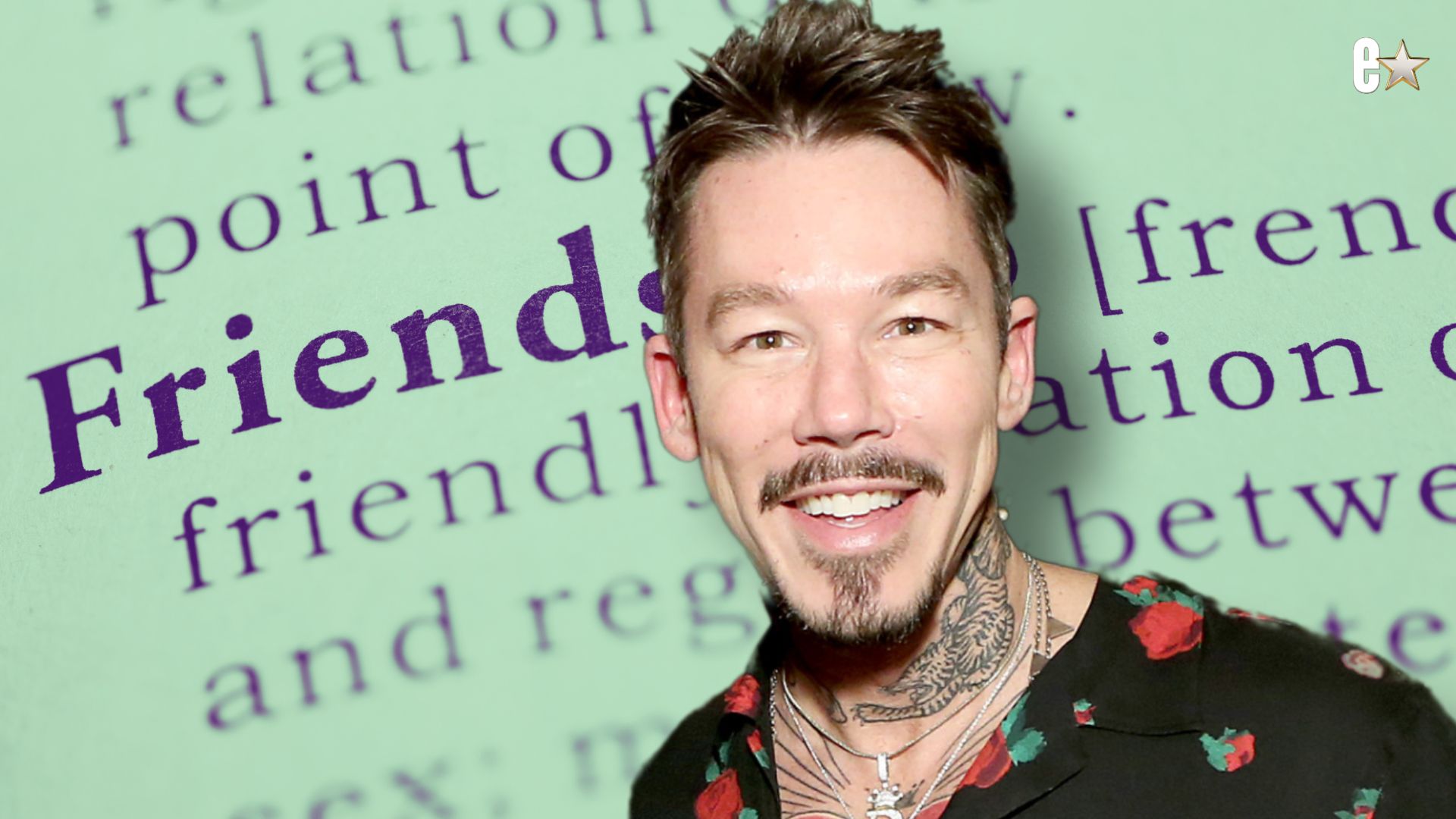
Alison Victoria Heartbreakingly Revealed David Bromstad’s Current Mental State: “He Can’t Even Function Normally.”
Alison Victoria Shares Insight Into David Bromstad’s Mental Health Struggles

Alison Victoria, a well-known figure in the home renovation and design community, recently shared a deeply personal and heartbreaking update about her close friend and fellow designer, David Bromstad. Known for his vibrant personality and creative energy, David has been facing significant mental health challenges that have affected his daily life. Alison revealed that David “can’t even function normally,” shedding light on the severity of his current condition.
Mental health issues often remain hidden behind the scenes, especially for public figures who are expected to maintain a positive image. Alison’s candid revelation highlights the importance of acknowledging and addressing mental health openly. It also serves as a reminder that anyone, regardless of their success or outward appearance, can struggle with mental well-being.
The Impact of Mental Health on Daily Functioning

When Alison Victoria mentioned that David Bromstad “can’t even function normally,” it underscores how mental health issues can disrupt everyday activities. For many individuals, mental health disorders such as depression, anxiety, or other conditions can impair concentration, motivation, and emotional stability. This can make routine tasks like getting out of bed, working, or socializing incredibly challenging.
David Bromstad’s situation is a poignant example of how mental health struggles are not always visible but can be profoundly debilitating. Alison’s openness about his condition encourages fans and the public to approach mental health with empathy and understanding.
Why Public Discussions About Mental Health Matter

The conversation sparked by Alison Victoria’s revelation about David Bromstad’s mental state is vital in breaking down the stigma surrounding mental health. Public figures sharing their experiences or those of their loved ones can inspire others to seek help and feel less isolated in their struggles.
Mental health awareness campaigns emphasize that mental illness is a medical condition, not a personal failing. Alison’s heartfelt disclosure serves as a powerful message that it’s okay to ask for support and that recovery is possible with the right resources.
Supporting Mental Health: What We Can Learn From David Bromstad’s Experience

David Bromstad’s current mental health challenges, as revealed by Alison Victoria, highlight several important lessons for individuals and communities alike:
1. **Recognize the Signs:** Understanding symptoms such as withdrawal, mood changes, or difficulty functioning can help identify when someone needs support.
2. **Encourage Open Dialogue:** Talking openly about mental health reduces stigma and promotes a culture of acceptance.
3. **Seek Professional Help:** Mental health professionals can provide diagnosis, treatment, and coping strategies tailored to individual needs.
4. **Offer Compassion and Patience:** Supporting someone with mental health struggles requires empathy and understanding, recognizing that recovery is a journey.
5. **Promote Self-Care:** Encouraging healthy habits such as regular exercise, adequate sleep, and mindfulness can aid mental well-being.
The Role of Friends and Family in Mental Health Recovery

Alison Victoria’s role in sharing David Bromstad’s story also highlights the crucial support system that friends and family provide. Loved ones can be instrumental in encouraging individuals to seek help, offering emotional support, and helping manage daily responsibilities during difficult times.
Being present, listening without judgment, and showing consistent care can make a significant difference in someone’s recovery process. Alison’s public support for David exemplifies how compassion can help reduce feelings of isolation and despair.
Conclusion
Alison Victoria’s heartfelt revelation about David Bromstad’s current mental state, where he “can’t even function normally,” brings much-needed attention to the realities of mental health struggles. It reminds us that mental illness can affect anyone and that open conversations, empathy, and professional support are essential in overcoming these challenges. If you or someone you know is facing mental health difficulties, don’t hesitate to reach out for help. Together, we can foster a community of understanding and healing.
If you found this article insightful, please share it to raise awareness and support mental health advocacy.