Good Morning Britain Star Who Sparked Outrage for Failing to Wear a Poppy FINALLY Caves and Dons Badge – But Receives Scathing Swipe from ‘Rattled’ Richard Madeley
In the lead-up to Remembrance Sunday, the poppy badge is a powerful symbol of respect and remembrance for those who have served and sacrificed in the armed forces. This year, a Good Morning Britain star ignited a wave of criticism after choosing not to wear the iconic poppy on air. The controversy reached a boiling point when the presenter finally appeared with the badge, only to be met with a sharp on-screen rebuke from fellow host Richard Madeley. This article explores the unfolding drama, public reactions, and the broader significance of the poppy in British culture.

Good Morning Britain Star Sparks Outrage by Not Wearing Poppy
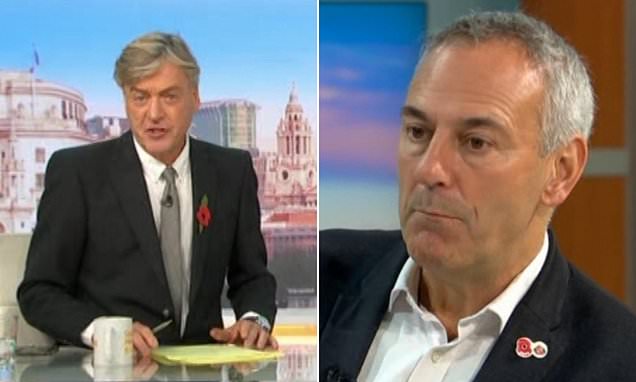
During the week preceding Remembrance Sunday, viewers of Good Morning Britain noticed something unusual: one of the show’s prominent journalists appeared on air without the customary poppy badge. While many presenters, including Susanna Reid and Ed Balls, proudly displayed the symbol of remembrance, this particular star’s absence of the poppy did not go unnoticed. The omission sparked immediate backlash from the audience, with many expressing disappointment and labeling the decision as “disrespectful” and “disgraceful.”

The Poppy Appeal, which officially launched on October 23 this year, encourages public participation in honoring military veterans and those who lost their lives in conflict. Wearing the poppy has become a deeply ingrained tradition in British media and society, especially in the days leading up to Remembrance Day on November 11. The journalist’s failure to wear the badge was seen by many as a breach of this unspoken code of respect.

Public Reaction and Social Media Backlash
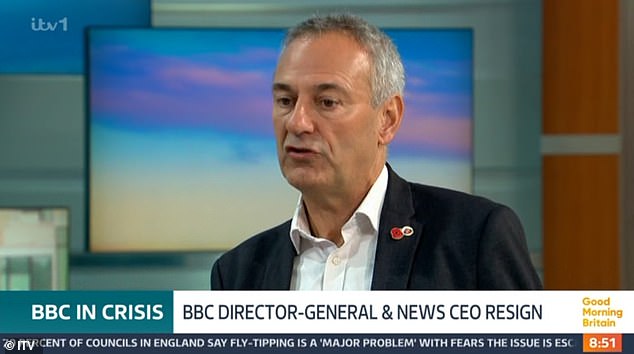
Social media quickly became a battleground for opinions on the issue. Many viewers took to Twitter and Facebook to voice their frustration, accusing the presenter of insensitivity. Comments ranged from calls for an apology to demands for an explanation. Some argued that not wearing the poppy undermined the sacrifices made by veterans, while others defended the journalist’s personal choice, emphasizing freedom of expression.
Despite the mixed reactions, the overwhelming sentiment was one of disappointment. The controversy highlighted how deeply the poppy symbol resonates with the British public and how expectations for public figures to honor this tradition remain high.
Presenter Finally Wears Poppy but Faces On-Air Criticism from Richard Madeley
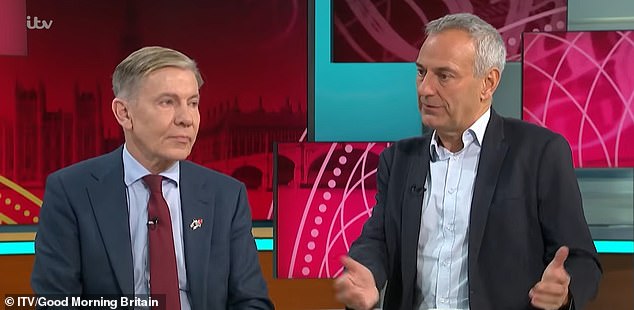
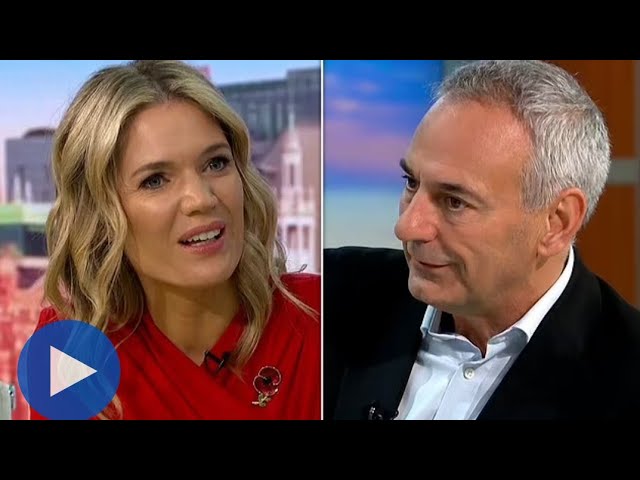
After days of mounting pressure, the Good Morning Britain star appeared on the show once again, this time wearing the poppy badge. While some viewers welcomed the gesture as a sign of respect and reconciliation, the moment was quickly overshadowed by a pointed comment from co-host Richard Madeley.
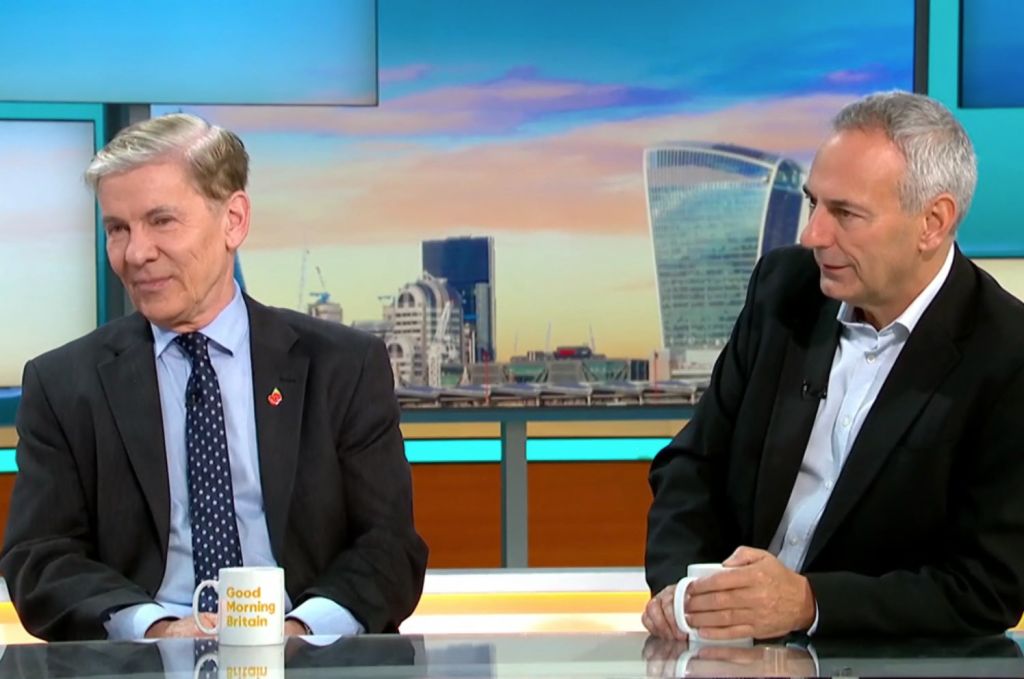
Madeley, known for his forthright style, appeared visibly rattled and took the opportunity to deliver a scathing on-air swipe. His remarks suggested that the late decision to wear the poppy was insufficient and perhaps motivated more by public pressure than genuine sentiment. This exchange added fuel to the fire, dividing viewers further between those who supported the presenter’s eventual choice and those who felt the criticism was justified.

The Significance of Wearing the Poppy on National Television
Wearing the poppy on national television is more than a simple accessory; it is a public declaration of remembrance and solidarity with veterans and their families. For many, it symbolizes collective gratitude and a solemn commitment to never forget the sacrifices made in times of war.

Television presenters, as public figures, are often expected to lead by example in honoring such traditions. The controversy surrounding the Good Morning Britain star underscores the cultural weight the poppy carries and the expectations placed on media personalities during this period.

Conclusion
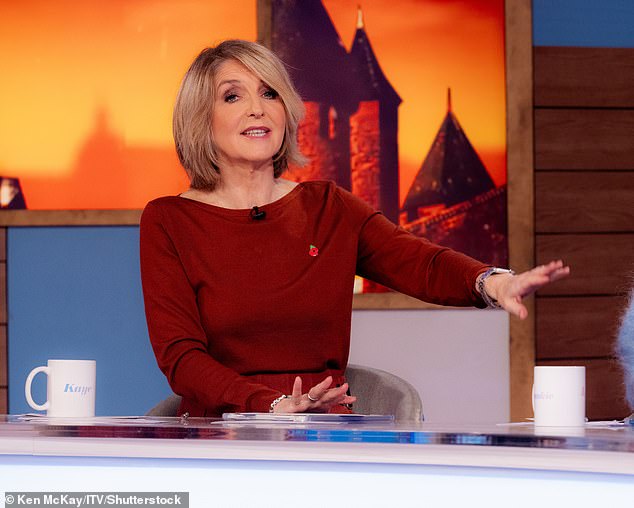
The saga of the Good Morning Britain star who initially refused to wear a poppy, only to later don the badge amid public outcry and on-air criticism, highlights the enduring importance of remembrance in British society. While opinions remain divided, the incident serves as a reminder of the powerful symbolism behind the poppy and the respect it commands.
What are your thoughts on the controversy? Do you believe public figures should be obligated to wear the poppy, or should it remain a personal choice? Share your views and join the conversation to keep the spirit of remembrance alive.


