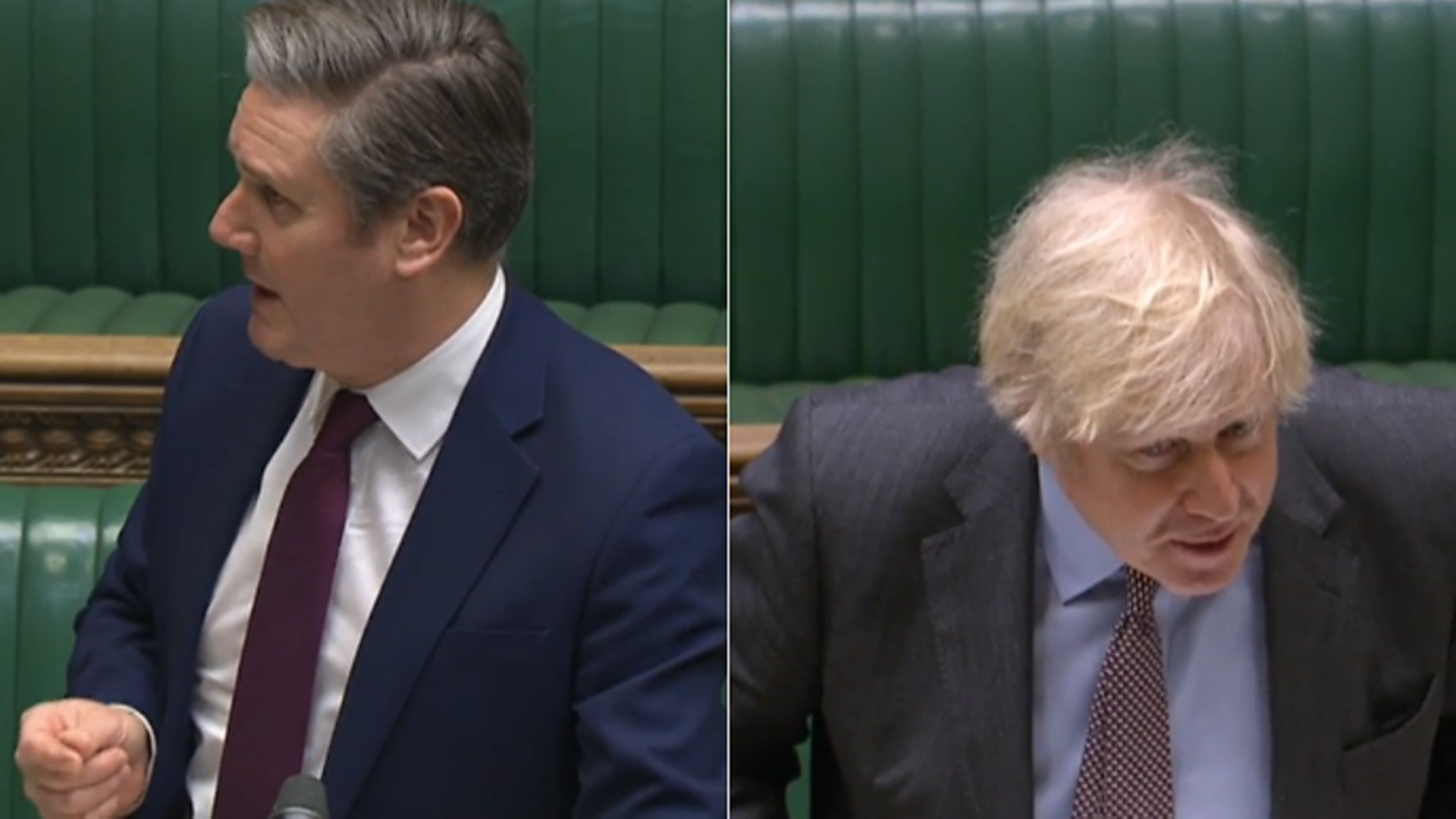
Keir Starmer Swerves Question About Whether Donald Trump Deserves Nobel Peace Prize
Keir Starmer’s Response to Donald Trump’s Nobel Peace Prize Question

In a recent press conference held in Mumbai, India, Keir Starmer, the UK Labour Party leader, sidestepped a direct answer when asked if former US President Donald Trump deserves the Nobel Peace Prize. This question arose in the context of a landmark ceasefire agreement in Gaza, which many view as a critical step toward ending the ongoing conflict that has led to significant loss of life and humanitarian suffering.
Starmer acknowledged the pivotal role Trump played in facilitating the ceasefire negotiations, which involved key regional players such as Qatar, Egypt, and Turkey. However, when pressed about whether Trump should be awarded the Nobel Peace Prize—a prize Trump himself has openly expressed a desire to receive—Starmer chose to focus on the broader significance of the peace deal rather than individual accolades.
“This is a very significant step forward and it would not have happened without President Trump’s leadership on this,” Starmer said. “And I want to be really clear about that and I say that from the informed position of the UK having played a part behind the scenes in this with the US and with the mediators. What matters now is to press on and implement this.”
The Context Behind the Nobel Peace Prize Debate

Donald Trump has long sought recognition for his diplomatic efforts, particularly in the Middle East. Earlier this year, during a meeting with Israeli Prime Minister Benjamin Netanyahu, Trump remarked, “They will never give me a Nobel Peace Prize. I deserve it, but they will never give it to me.” This statement reflects his belief that his administration’s achievements, including the Abraham Accords and the recent Gaza ceasefire, warrant such an honor.
Despite Trump’s assertions, the Nobel Peace Prize committee has not publicly indicated any intention to award him the prize. The debate over whether Trump deserves the prize is highly polarized, with supporters citing his role in brokering peace agreements and critics pointing to controversies and policies that have sparked global debate.
Starmer’s cautious approach to the question suggests a desire to maintain diplomatic neutrality and focus on the tangible outcomes of the ceasefire rather than engage in political praise or criticism.
Starmer’s Focus on Implementation Over Personnel

In addition to deflecting the Nobel Peace Prize question, Starmer also dismissed inquiries about former Labour Prime Minister Sir Tony Blair’s potential involvement in the Gaza peace plan. Trump had previously named Blair as part of a proposed “Board of Peace” intended to oversee an interim governing authority for Gaza.
Starmer emphasized that the priority should be the successful implementation of the ceasefire agreement rather than the individuals involved. “The first and most important thing to say is the deal today is a real breakthrough, and that is why it’s important that we recognise that and recognise the human impact that is going to have on those that have been most affected,” he said.
He highlighted the plight of hostages, their families, and civilians in Gaza who have endured immense suffering during the conflict. Starmer reiterated the UK’s commitment to supporting the peace process behind the scenes and expressed readiness to assist in the implementation phase.
Why the Ceasefire Deal Matters

The ceasefire agreement marks a “moment of profound relief” for the international community, according to the UK Prime Minister. It promises to halt the bloodshed that has claimed tens of thousands of lives in Gaza and could pave the way for the release of hostages held during the conflict.
This deal is the result of complex negotiations involving multiple stakeholders, including the US, Qatar, Egypt, and Turkey. The UK’s involvement, though less visible, has been crucial in supporting these diplomatic efforts.
The peace plan’s success depends heavily on its implementation. Starmer’s emphasis on action over accolades underscores the delicate nature of the situation and the need for sustained international cooperation.
The Role of International Leaders in Peacebuilding

The involvement of international leaders in peace processes is often a double-edged sword. While experienced politicians like Tony Blair bring diplomatic expertise, their participation can also be politically contentious.
Starmer’s reluctance to comment on Blair’s role reflects a pragmatic approach: focusing on outcomes rather than personalities. This stance is important in maintaining unity among stakeholders and ensuring that the peace process remains on track.
The proposed “Board of Peace,” which includes international figures, aims to oversee governance in Gaza during the interim period. Such mechanisms are vital for building trust and ensuring that ceasefire agreements translate into lasting peace.
Conclusion
Keir Starmer’s careful navigation around the question of whether Donald Trump deserves the Nobel Peace Prize highlights the complexity of awarding accolades amid ongoing peace efforts. While acknowledging Trump’s leadership in the Gaza ceasefire negotiations, Starmer emphasized the importance of focusing on implementing the agreement and alleviating human suffering.
As the world watches this fragile peace deal unfold, the priority remains clear: to ensure that the ceasefire leads to a sustainable resolution and improved lives for those affected by the conflict. For readers interested in the latest developments on international peace initiatives and political leadership, stay informed and engaged with trusted news sources.
If you want to learn more about global peace efforts and political diplomacy, subscribe to our newsletter for regular updates and expert analysis.