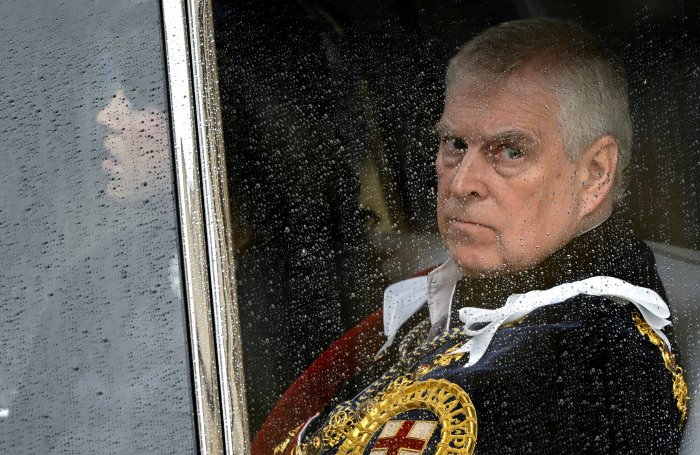
Ex-Prince Andrew ‘Vulnerable’ to Criminal Charges After Losing Royal Protection Status: Experts Weigh In
Ex-Prince Andrew’s Legal Vulnerability Increases After Losing Royal Titles

Ex-Prince Andrew’s legal and public standing has dramatically shifted after King Charles III stripped him of all royal titles and protection. This unprecedented move has left Andrew Mountbatten Windsor, once considered a favored son of Queen Elizabeth II, exposed to potential criminal charges and legal scrutiny that were previously shielded by his royal status.
Royal experts have emphasized that the removal of Andrew’s titles is not just symbolic but carries significant legal consequences. Helena Chard, a British broadcaster and photographer, explained that without the protection afforded by his royal status, Andrew is now vulnerable to prosecutions related to his controversial association with the late convicted sex offender Jeffrey Epstein. Public resentment toward Andrew’s actions has grown, and the royal family appears eager to distance itself from the scandals surrounding him.
Similarly, British royal analyst Hilary Fordwich highlighted that Andrew’s current situation is more precarious than ever. The formal removal of his royal styles and titles eliminates a barrier that once provided him with a degree of immunity. While the path to arrest or prosecution remains complex and dependent on emerging evidence, the public and media pressure for accountability continues to intensify.
Background: The Epstein Scandal and Legal Proceedings

The controversy surrounding Prince Andrew began to escalate in 2019 when he gave a widely criticized interview to the BBC’s “Newsnight.” During the interview, Andrew attempted to clarify his relationship with Jeffrey Epstein, who died in prison that same year. He notably denied remembering Virginia Roberts Giuffre, the American woman who accused Epstein of trafficking her and alleged that she was forced to have sex with Andrew when she was 17 years old.
Following the interview, Andrew withdrew from public life amid mounting backlash. In 2021, Giuffre filed a lawsuit against him, which was settled privately in 2022 for an undisclosed amount. Court documents from the settlement acknowledged Giuffre as “an established victim of abuse.” Reports suggest that Queen Elizabeth II may have contributed financially to the settlement to resolve the matter discreetly.
Giuffre passed away in April 2024 at the age of 41, shortly before the release of her posthumous memoir, “Nobody’s Girl.” Her death has renewed public interest in the case and intensified calls for justice.
Ongoing Investigations and Public Pressure

The Metropolitan Police have confirmed that they were made aware of allegations related to non-recent trafficking for sexual exploitation involving Andrew. However, investigations concluded that the matter largely concerned events outside the UK, leading authorities to defer to other jurisdictions better suited to pursue the allegations.
Recent reports indicate that authorities are actively investigating claims that Andrew attempted to use his taxpayer-funded police protection officer to gather personal information about Giuffre over a decade ago. Although there is no evidence that the officer complied, this revelation adds another layer of complexity to Andrew’s legal troubles.
Royal expert Ian Pelham Turner believes that Andrew, now a commoner, is no longer immune from prosecution. He suggests that extradition agreements between the UK and the US could result in Andrew being summoned to face court proceedings abroad. Turner also advocates for Andrew to volunteer all information he has regarding the Epstein case to aid ongoing investigations.
However, royal media commentator Meredith Constant cautions that Andrew has not been charged with any crime and continues to deny all allegations. She points out that investigations must precede any legal action and notes that scrutiny is expanding beyond Epstein-related claims to include Andrew’s conduct as the UK Trade Envoy, where accusations of misuse of his position for personal gain have surfaced.
What Does Losing Royal Protection Mean for Ex-Prince Andrew?

Losing royal protection status fundamentally alters Andrew’s legal and social standing. Previously, his royal titles and status provided a shield that complicated efforts to hold him accountable. Now, without these protections, he faces increased exposure to legal actions and public condemnation.
Experts suggest that this change could lead to more thorough investigations into Andrew’s activities, both related to Epstein and his official roles. The British monarchy’s decision to strip Andrew of his titles was seen by many as a damage control measure aimed at preserving the institution’s reputation. However, this move also opens the door to greater transparency and potential legal consequences.
Public sentiment is increasingly demanding accountability. Anti-monarchy groups like Republic have mobilized legal teams to explore allegations against Andrew, emphasizing the need for equality before the law. Republic’s chief executive, Graham Smith, criticized the UK’s criminal justice system and political establishment for allegedly shielding royals from prosecution, calling for private prosecutions if official channels fail to act.
Future Prospects and Potential Outcomes

Andrew’s future remains uncertain. Some experts speculate that he may choose to relocate to countries without extradition treaties to avoid legal repercussions. Royal commentator Helena Chard suggested that Andrew might seek refuge in the Middle East or other locations where he can live away from public scrutiny.
Despite the mounting pressure, there is speculation that Andrew may continue to receive private financial support from King Charles III and reside on the Sandringham estate. Meredith Constant noted that history shows the monarchy often protects its own, and Andrew may not face immediate legal jeopardy.
Nevertheless, the public outcry and media attention are unlikely to subside. Royal family members are expected to distance themselves further from Andrew to safeguard the monarchy’s image. The demand for justice and transparency may lead to more investigations, potentially uncovering broader issues within the royal institution.
Conclusion
Ex-Prince Andrew’s loss of royal protection status has significantly increased his vulnerability to criminal charges and public scrutiny. Experts agree that this unprecedented step by King Charles III removes a key layer of immunity, exposing Andrew to potential legal actions related to his association with Jeffrey Epstein and other allegations. While investigations continue and legal complexities remain, the pressure for accountability grows stronger.
If you want to stay updated on the latest developments surrounding Prince Andrew and the royal family, subscribe to our newsletter for timely news and expert analysis. Don’t miss out on important updates—join our community today!