Bari Weiss Revealed Why She Stood By as CBS Let Top Talent Walk Out Overnight: “They Went Too Far.”
In recent months, the media industry has witnessed significant upheaval, with major networks experiencing sudden departures of key personnel. Among these developments, Bari Weiss, a prominent journalist and commentator, has shared her perspective on CBS’s handling of top talent walking out overnight. Weiss’s candid remarks shed light on the complexities behind such decisions and the broader implications for media organizations navigating turbulent times.
Why Bari Weiss Believes CBS Went Too Far in Letting Top Talent Leave Overnight
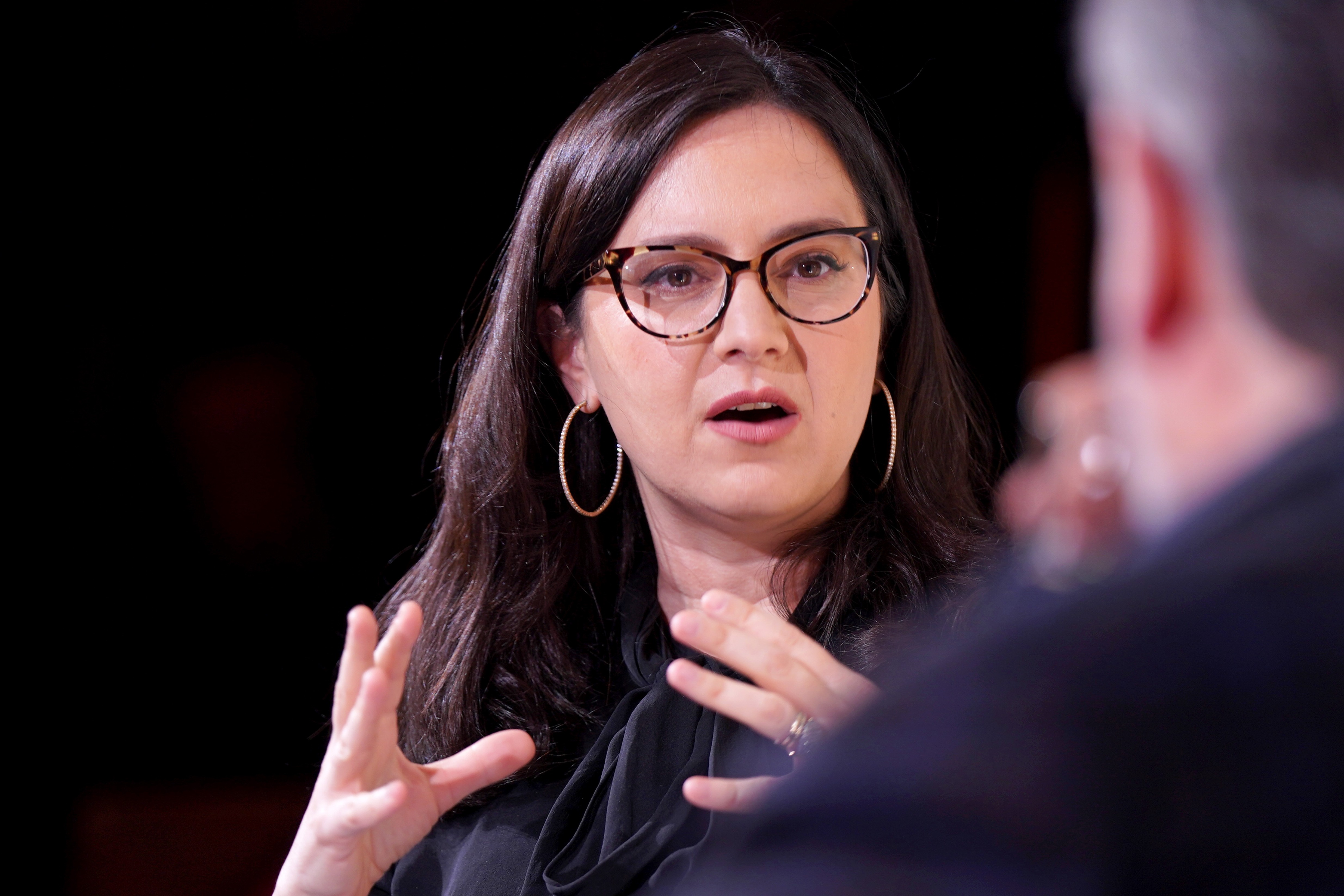
Bari Weiss’s insights into CBS’s decision to allow top talent to exit abruptly highlight a critical tension within the media landscape. According to Weiss, the network’s approach crossed a line, reflecting a breakdown in communication and respect between management and employees. She emphasized that while organizational changes are sometimes necessary, the manner in which CBS executed these departures was detrimental to morale and public perception.
Weiss pointed out that sudden exits can undermine trust not only within the company but also among viewers and advertisers. The abrupt nature of these departures suggests a lack of strategic planning and empathy, which can damage a network’s reputation. In her view, CBS’s actions sent a message that the contributions of its top talent were undervalued, leading to a loss of goodwill that could have long-term consequences.
Furthermore, Weiss highlighted the importance of transparency and dialogue in managing personnel changes. She argued that networks should prioritize open communication to foster a culture of mutual respect and understanding. By contrast, CBS’s decision to let talent walk out overnight appeared to be a reactive measure rather than a thoughtfully considered strategy.
The Broader Impact of Sudden Talent Departures on Media Organizations

The situation at CBS is not isolated; many media companies face similar challenges as they adapt to shifting industry dynamics. Sudden departures of high-profile employees can disrupt programming schedules, affect audience loyalty, and create internal instability. Bari Weiss’s commentary underscores the need for media organizations to handle transitions with care to maintain operational continuity and brand integrity.
Moreover, the media industry is increasingly scrutinized for how it treats its workforce, especially amid ongoing debates about diversity, equity, and inclusion. When top talent leaves abruptly, it raises questions about workplace culture and leadership effectiveness. Weiss’s critique of CBS serves as a cautionary tale for other networks to reevaluate their human resource practices and prioritize employee engagement.
In addition, the public nature of these exits can influence how audiences perceive the network’s credibility. Viewers often develop attachments to on-air personalities, and sudden changes can erode trust. Bari Weiss’s perspective suggests that managing talent departures with dignity and respect is essential for sustaining viewer relationships and competitive advantage.
Conclusion

Bari Weiss’s revelation about why she stood by as CBS allowed top talent to walk out overnight—stating, “They went too far”—offers valuable insights into the challenges media companies face in managing personnel transitions. Her critique highlights the importance of transparency, respect, and strategic planning in maintaining a healthy organizational culture and public trust. For media organizations navigating similar situations, Weiss’s perspective serves as a reminder to prioritize thoughtful communication and employee value.
If you want to stay informed about the latest developments in media industry dynamics and expert analyses, subscribe to our newsletter today and never miss an update!