**Meta Description:**
In a shocking turn of events, the family of convicted killer Karmelo Anthony has come under scrutiny for allegedly misusing funds raised through a public fundraiser. This article delves into the details surrounding the controversy, examining the implications of their actions and the community’s response. Read on to learn more about this unfolding story.
Convicted Killer Karmelo Anthony’s Family Used Fundraiser Money for Moving and Living Expenses
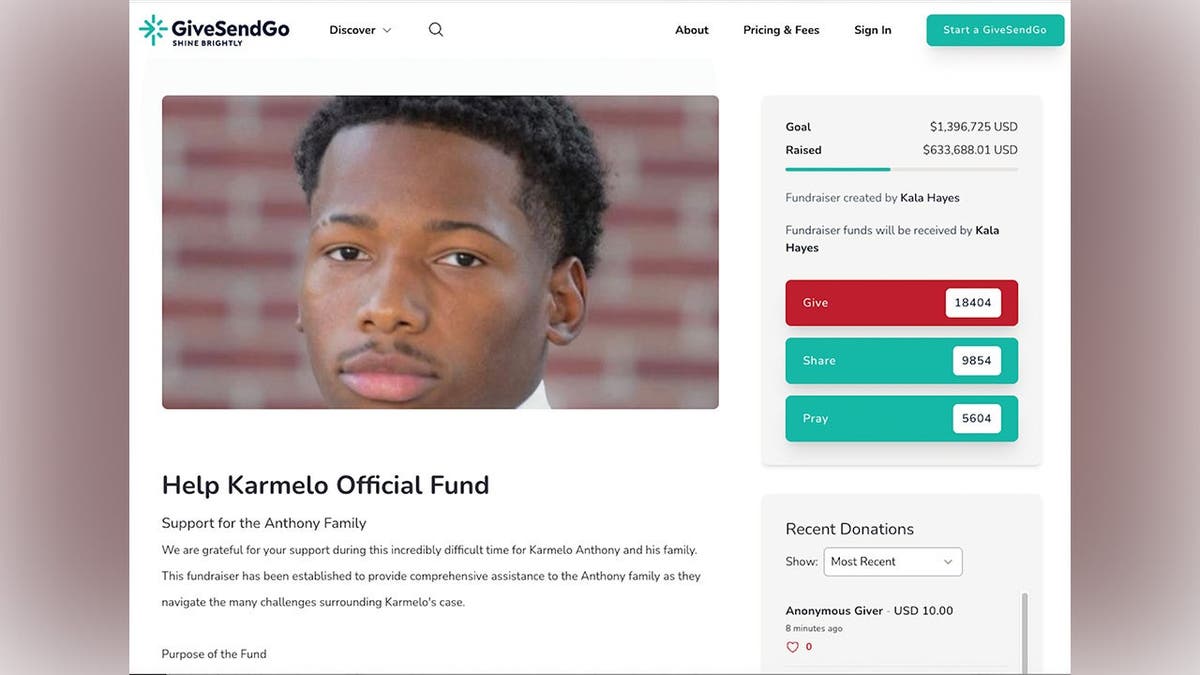
The case of Karmelo Anthony, a convicted killer, has taken a troubling twist as reports surface that his family allegedly misappropriated funds raised through a public fundraiser. This revelation has sparked outrage and concern within the community, raising questions about accountability and the ethical use of charitable donations. In this article, we will explore the details surrounding this controversy, the implications for the family, and the broader impact on fundraising initiatives.
The Background of Karmelo Anthony’s Case
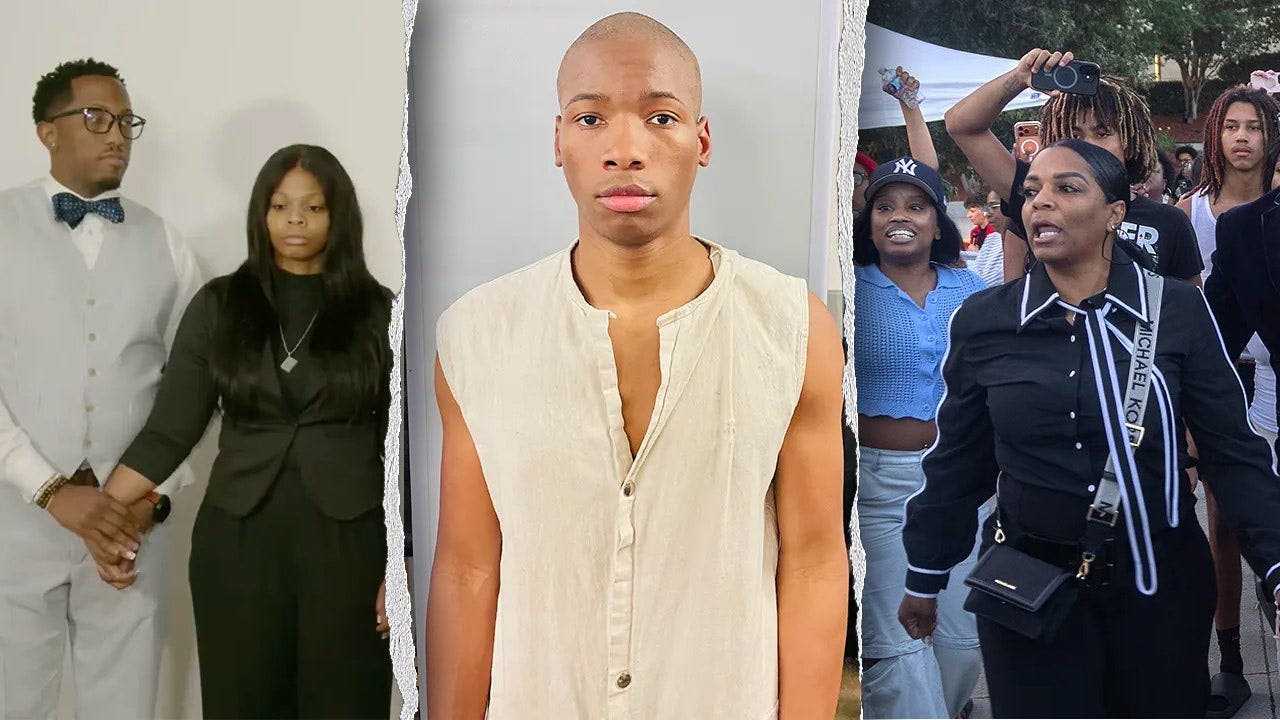
Karmelo Anthony was convicted of murder in a highly publicized trial that captivated the nation. The details of the case were harrowing, involving a violent crime that left a lasting impact on the victims’ families and the community at large. Following his conviction, Anthony’s family sought to raise funds to support their living expenses, claiming that they were struggling financially due to the fallout from his actions.
To assist the family, a public fundraiser was established, with the intention of helping them navigate the difficult circumstances they faced. Many community members, moved by the family’s plight, contributed generously, believing their donations would be used for legitimate needs. However, recent allegations have surfaced, suggesting that the funds were not used as intended.
Allegations of Misuse of Funds

Reports indicate that a significant portion of the money raised through the fundraiser was allegedly diverted for personal expenses unrelated to the family’s stated needs. Instead of using the funds for essential living costs, such as housing and utilities, it appears that the family utilized the money for moving expenses and other discretionary spending.
This revelation has led to a wave of criticism from community members and donors who feel betrayed. Many are questioning the integrity of the fundraising process and the ethical responsibilities of those who solicit donations. The situation has sparked a broader conversation about the need for transparency and accountability in charitable fundraising, particularly when it involves sensitive cases like that of Karmelo Anthony.
The implications of these allegations extend beyond the immediate family. They raise important questions about the trustworthiness of fundraising campaigns and the potential for misuse of funds. Donors often contribute with the expectation that their money will be used for a specific purpose, and when that trust is violated, it can have far-reaching consequences.
The Community’s Response

In light of the allegations, the community’s response has been one of outrage and disappointment. Many individuals who contributed to the fundraiser feel misled and are calling for accountability. Social media platforms have become a battleground for discussions surrounding the ethics of fundraising, with some advocating for stricter regulations to prevent similar situations in the future.
Local organizations and advocacy groups have also weighed in on the matter, emphasizing the importance of ethical fundraising practices. They argue that transparency is crucial in maintaining public trust and ensuring that donations are used for their intended purposes. Some have even suggested implementing oversight mechanisms to monitor fundraising campaigns, particularly those that involve sensitive or controversial cases.
As the controversy unfolds, it remains to be seen how the family will respond to the allegations and whether any legal action will be taken against them. The situation serves as a reminder of the complexities surrounding fundraising efforts and the need for vigilance on the part of donors.
Lessons Learned and Moving Forward
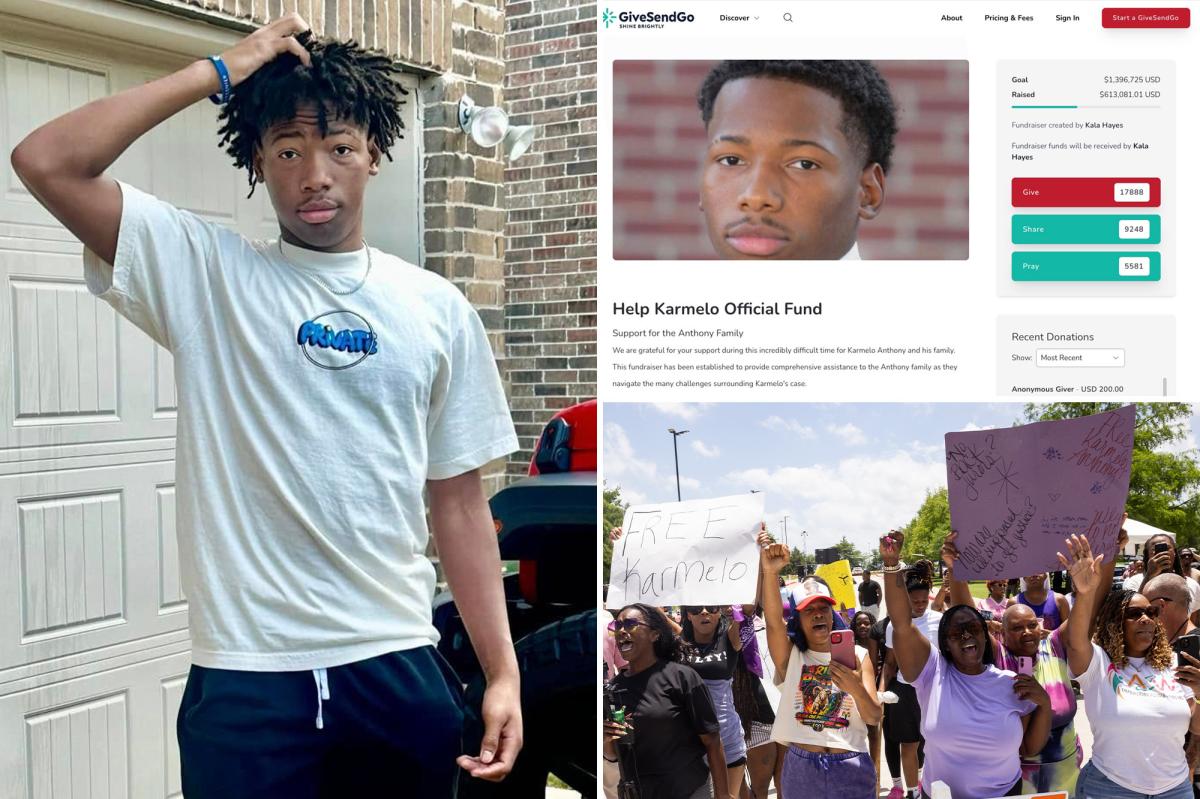
The case of Karmelo Anthony’s family highlights several important lessons for both donors and those involved in fundraising efforts. First and foremost, it underscores the necessity of transparency in all fundraising activities. Donors should be informed about how their contributions will be used, and organizations should be held accountable for their financial practices.
Additionally, this situation serves as a call to action for communities to engage in discussions about ethical fundraising. By fostering a culture of accountability and open communication, communities can work together to ensure that charitable efforts are conducted with integrity.
For individuals considering donating to a fundraiser, it is essential to conduct due diligence. Researching the organization or individuals behind the campaign, understanding the purpose of the fundraiser, and asking questions can help ensure that contributions are used appropriately.
Conclusion

The allegations surrounding Karmelo Anthony’s family and their misuse of fundraiser money have raised significant concerns within the community. As discussions about accountability and transparency continue, it is crucial for both donors and fundraisers to learn from this situation. By promoting ethical practices and fostering trust, we can work towards a future where charitable donations are used for their intended purposes.
If you found this article informative and want to stay updated on similar stories, consider subscribing to our newsletter for the latest news and insights. Your engagement helps promote awareness and accountability in our communities.